Saudi Arabia has recently taken the unprecedented step of blocking Crunchyroll’s entire catalog, a move described by critics as an attack on cultural freedom. The Saudi government claims that anime, particularly shows available on Crunchyroll, represents foreign cultural values that conflict with the kingdom’s social norms and religious principles. The ban has sparked widespread backlash, particularly from anime fans who see this as an infringement on their freedom to access global entertainment. As reported in a Middle East Eye article , this is not an isolated incident but part of a growing pattern of censorship in the region.
In response to the ban, fans are using VPNs to circumvent the block and regain access to the platform. However, Crunchyroll has made efforts to limit access from VPNs, further complicating the situation. The Saudi government’s move is part of a broader trend of increasing censorship, as authorities have historically restricted content they deem contrary to national values. The debate surrounding this ban highlights the ongoing tension between cultural preservation and the demand for access to global media.
Cultural Preservation or Censorship?
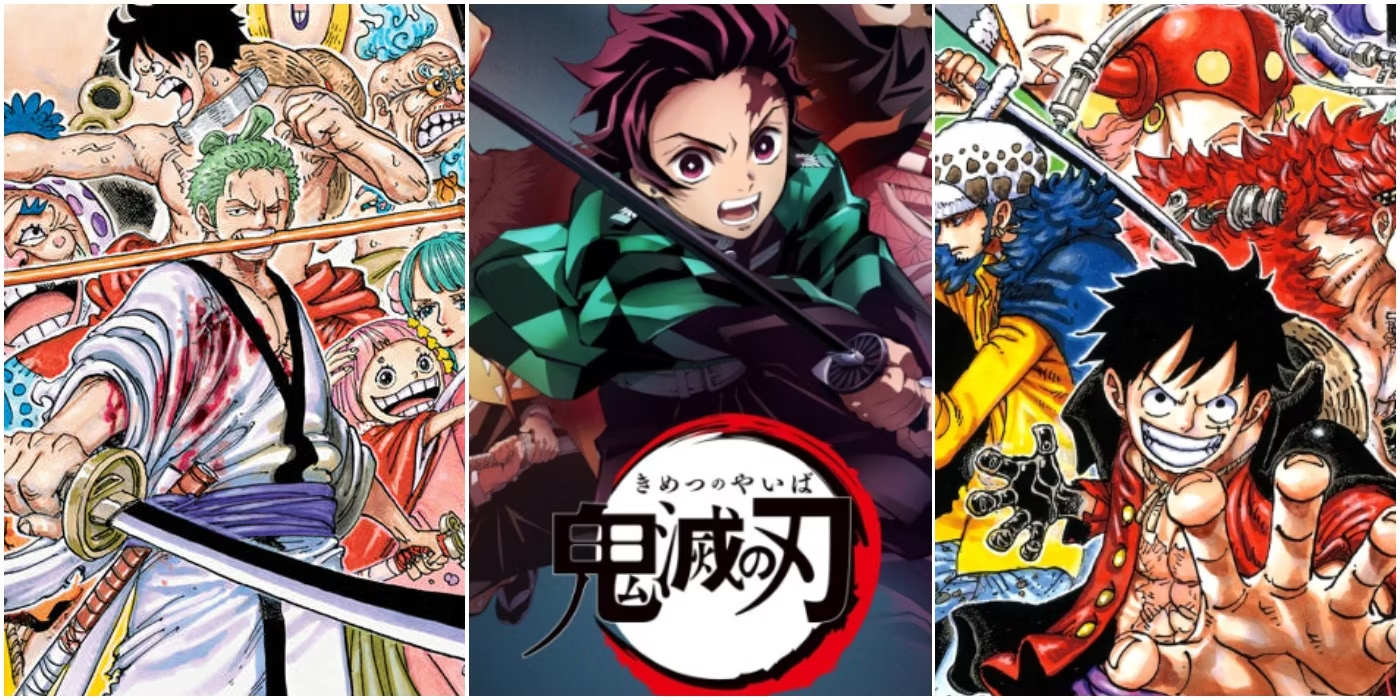
Demon Slayer and One Piece
While the Saudi government argues that blocking anime is necessary to protect the country’s cultural integrity, many critics see it as a form of censorship that limits citizens’ access to diverse ideas and entertainment. Anime has gained significant popularity in the region over the last decade, and the government’s decision to block a major platform like Crunchyroll raises questions about the future of digital content in the kingdom. Some argue that anime’s influence on youth culture is being unfairly exaggerated, as the medium often contains messages of hope, perseverance, and friendship, regardless of its foreign origin.
The government’s rationale for the ban is centered around the notion that anime promotes foreign ideologies and social values that may conflict with Saudi Arabia’s religious and cultural norms. Some shows contain content that addresses themes such as LGBTQ+ representation or fantasy elements like magic and violence, which are seen as incompatible with the kingdom’s traditional beliefs. Supporters of the ban claim that it is necessary to safeguard Saudi society from outside influences that could undermine its moral fabric.
Growing Resistance and the Role of VPNs
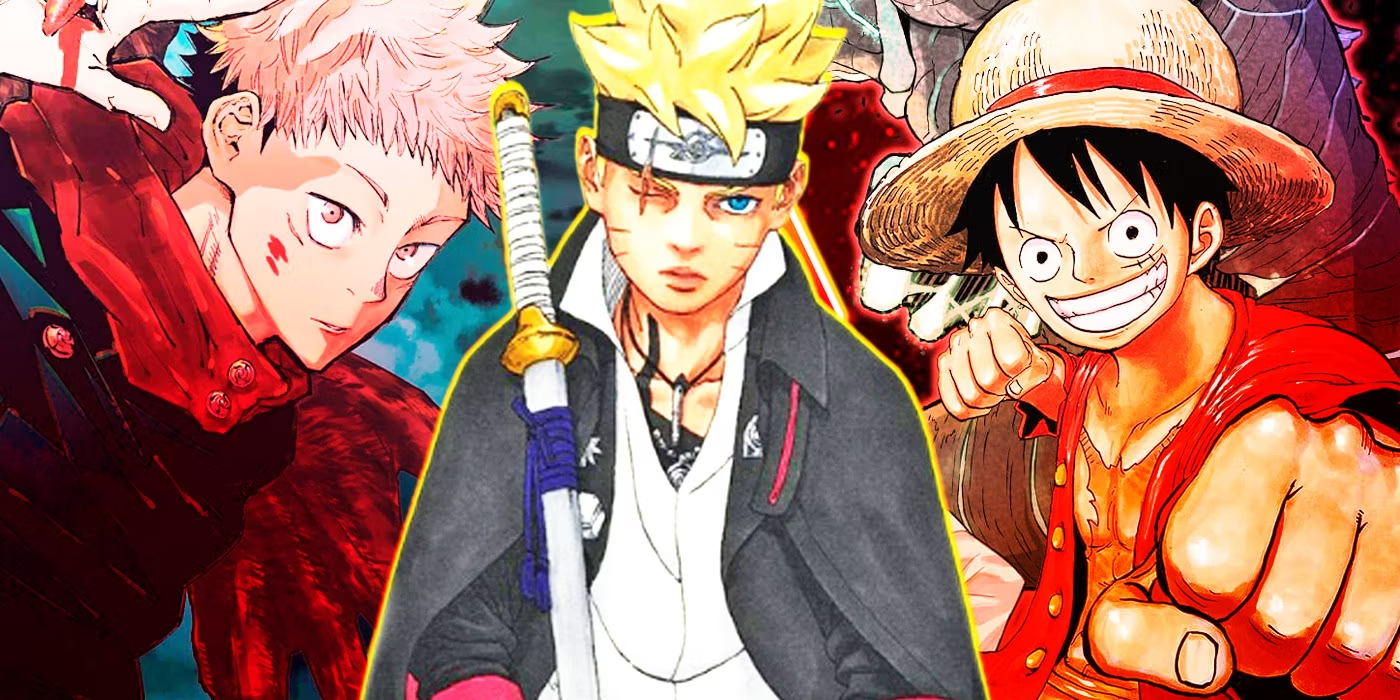
Most Popular Anime
Despite the government’s crackdown, the resistance from anime fans in Saudi Arabia is growing. Many fans have turned to VPNs to access Crunchyroll’s content, though this has not been without challenges. Crunchyroll has started blocking IP addresses linked to VPNs, further complicating the situation for viewers looking to circumvent the censorship. Social media platforms like Twitter and Reddit are filled with discussions on how to bypass these restrictions, highlighting the determination of Saudi fans to access their beloved anime content.
As the ban persists, there are increasing calls for international support from the global anime community. Many fans argue that the censorship of anime is not only an attack on entertainment but a violation of the rights of individuals to enjoy the media they love. Whether or not Saudi Arabia will reconsider its decision remains to be seen, but the controversy surrounding the ban is far from over.
A recent seizure by U.S. Customs and Border Protection (CBP) has caused a stir in the anime community. More than 2,000 anime figures were confiscated at U.S. ports and destroyed for allegedly violating obscenity laws. These figures, mostly made of PVC, were deemed inappropriate due to explicit content that is not allowed for importation under U.S. regulations. The figures, part of a niche collectible market, were destroyed as contraband, leaving collectors furious.
This incident has sparked outrage among anime collectors who argue that the items were legitimate, non-explicit merchandise. The anime community is concerned that this could signal a crackdown on imported anime merchandise, especially figures that may be deemed too risqué. As reported by Japan Times , this seizure highlights the growing tension between collectors and government agencies over the definition of “obscenity” in imported goods. Many worry that such actions could set a precedent for further censorship of anime-related products.
Impact on Collectors

Mob Psycho
Anime figures are a staple of the collecting community, with many fans viewing them as integral parts of their personal collections. This seizure has not only caused frustration but also led to discussions about the future of importing anime merchandise. Collectors argue that the U.S. government is overreaching in its censorship, especially given that many of the figures in question were not intended to be overtly sexual but were more suggestive in nature.
In response, some collectors have expressed their intent to continue importing similar items through alternative methods, fearing that these actions could limit their ability to enjoy their passion freely. The incident has also sparked a larger debate on censorship in the anime industry, with many fans expressing their belief that this could be the start of broader restrictions on anime-related content.
