In a controversial move, a school principal in Ohio has been fired after assigning Death Note as part of the required reading for a high school class. The decision, initially praised for introducing students to popular culture, quickly spiraled out of control when students began mimicking the anime’s infamous concept—writing each other’s names in notebooks as a joke. The incident ignited a firestorm of complaints from parents and community members.
Death Note is known for its dark themes, including murder, justice, and morality. While the anime has been critically acclaimed, its content is often considered unsuitable for younger audiences due to its psychological intensity and violent narrative. Teachers and administrators have long grappled with whether anime can be included in educational settings without raising safety concerns or upsetting parents.
The Fallout and Community Reaction
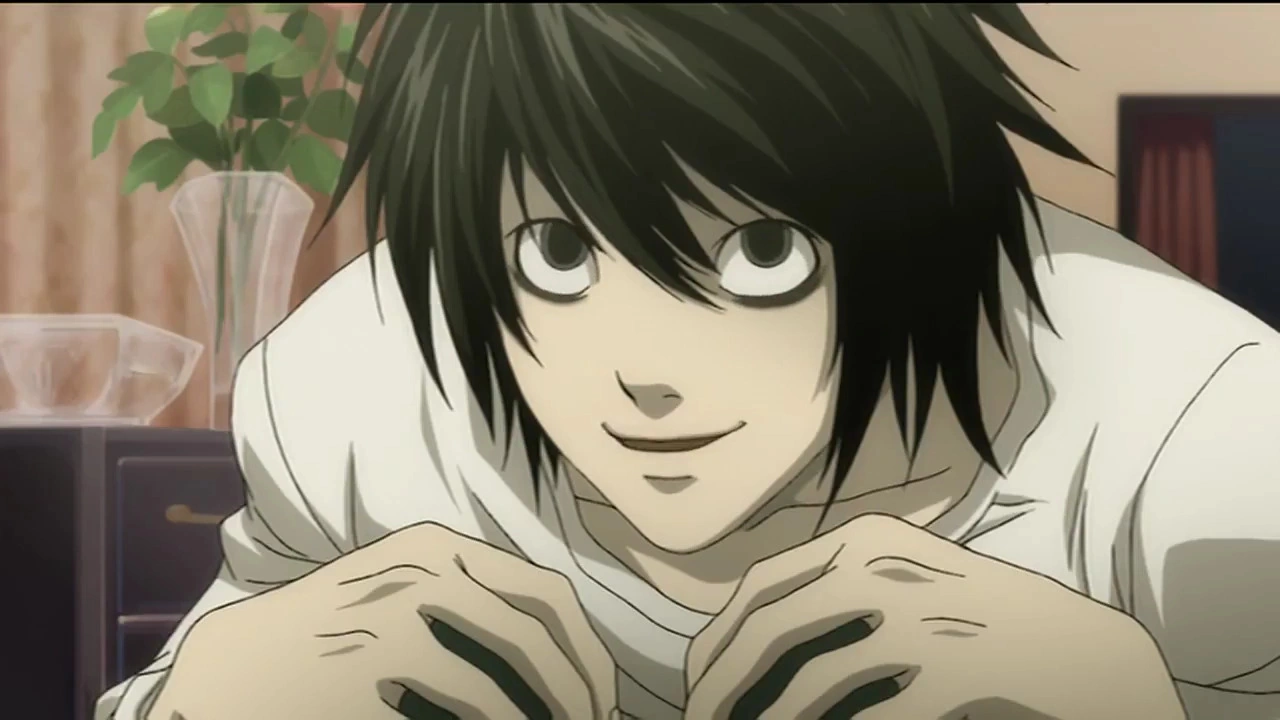
Death Note’s L
According to NBC News , the decision to include Death Note in the curriculum led to immediate backlash from parents. Some students reportedly began acting out scenes from the anime, with some even jokingly writing their classmates’ names in notebooks. The situation became more concerning when rumors spread that students were taking the concept too far, sparking fears of real-world violence.
The principal, who had defended the choice as an opportunity for students to analyze themes of morality and justice, was swiftly removed from their position following the outcry. District officials cited the need to uphold a safe and appropriate learning environment, while critics questioned whether the firing was too extreme. Supporters of the principal argue that the decision to include Death Note was a well-meaning attempt to engage students with contemporary media, which ultimately backfired due to lack of proper context and supervision.
The Debate Over Anime in Schools
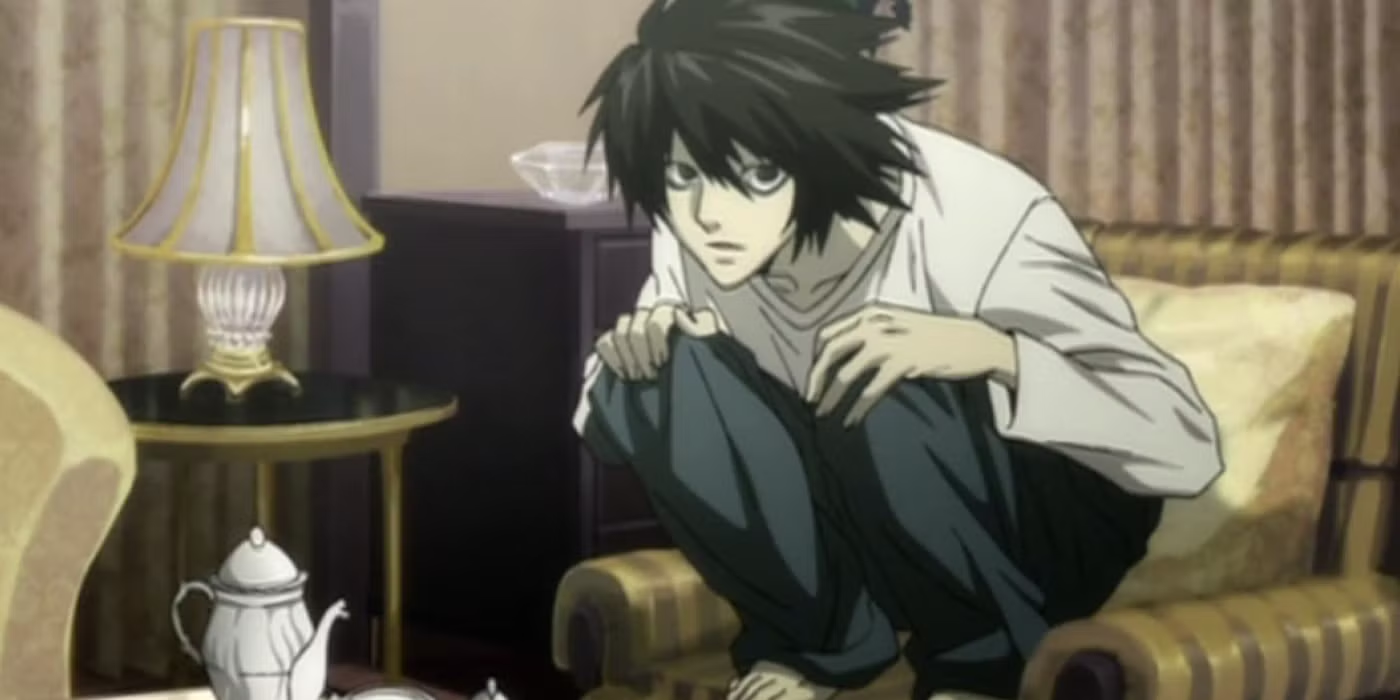
Death Note’s L
This incident has reignited debates on whether anime should have a place in the classroom. Advocates for anime argue that it can be an effective tool for engaging students in discussions on ethics, philosophy, and storytelling. However, critics contend that the violent themes found in many anime are unsuitable for younger audiences and should be kept out of educational curricula.
As the story continues to unfold, schools across the country are reevaluating how to approach popular media in academic settings. The debate will likely continue, particularly as anime grows in prominence among youth culture, raising the question of whether traditional educational standards can keep up with modern forms of entertainment.
Recent warnings issued by U.S. police departments have stirred national concern, as authorities claim that anime may be a gateway to extremist ideologies. The warnings, directed primarily at parents, suggest that certain online anime fandoms could be recruiting grounds for radical groups. The fears center around the idea that the themes of rebellion, justice, and defiance present in some anime series could appeal to vulnerable individuals seeking a sense of belonging or purpose.
The statement has sparked intense debate across the country, with critics calling the alarmism unwarranted. Anime, a form of entertainment beloved by millions, has always been a target of scrutiny due to its vibrant fan culture and diverse themes. However, police claims that some anime communities are a breeding ground for extremism have raised alarms about the potential for censorship or overreach in policing online spaces.
Anime’s Role in Fandom and Identity Formation

One Piece, Blue Lock, Jujutsu Kaisen (Credits: Shueisha and Kodansha)
According to NBC News , police warnings highlight the idea that certain anime genres, such as those involving anarchism, rebellion, and anti-authoritarianism, might appeal to individuals already at risk of radicalization. They caution that online forums and social media platforms associated with these anime fandoms can sometimes serve as breeding grounds for radical ideologies.
However, fans and defenders of anime argue that this characterization is grossly exaggerated. Anime, like any form of media, attracts a wide variety of viewers, many of whom are simply drawn to the unique storytelling and artistic style rather than any political or ideological message. Critics of the police warnings argue that demonizing anime could lead to the unjust marginalization of an entire subculture, particularly when the vast majority of anime fans engage with the medium as a form of entertainment and personal expression.
The Backlash and the Future of Anime Fandom
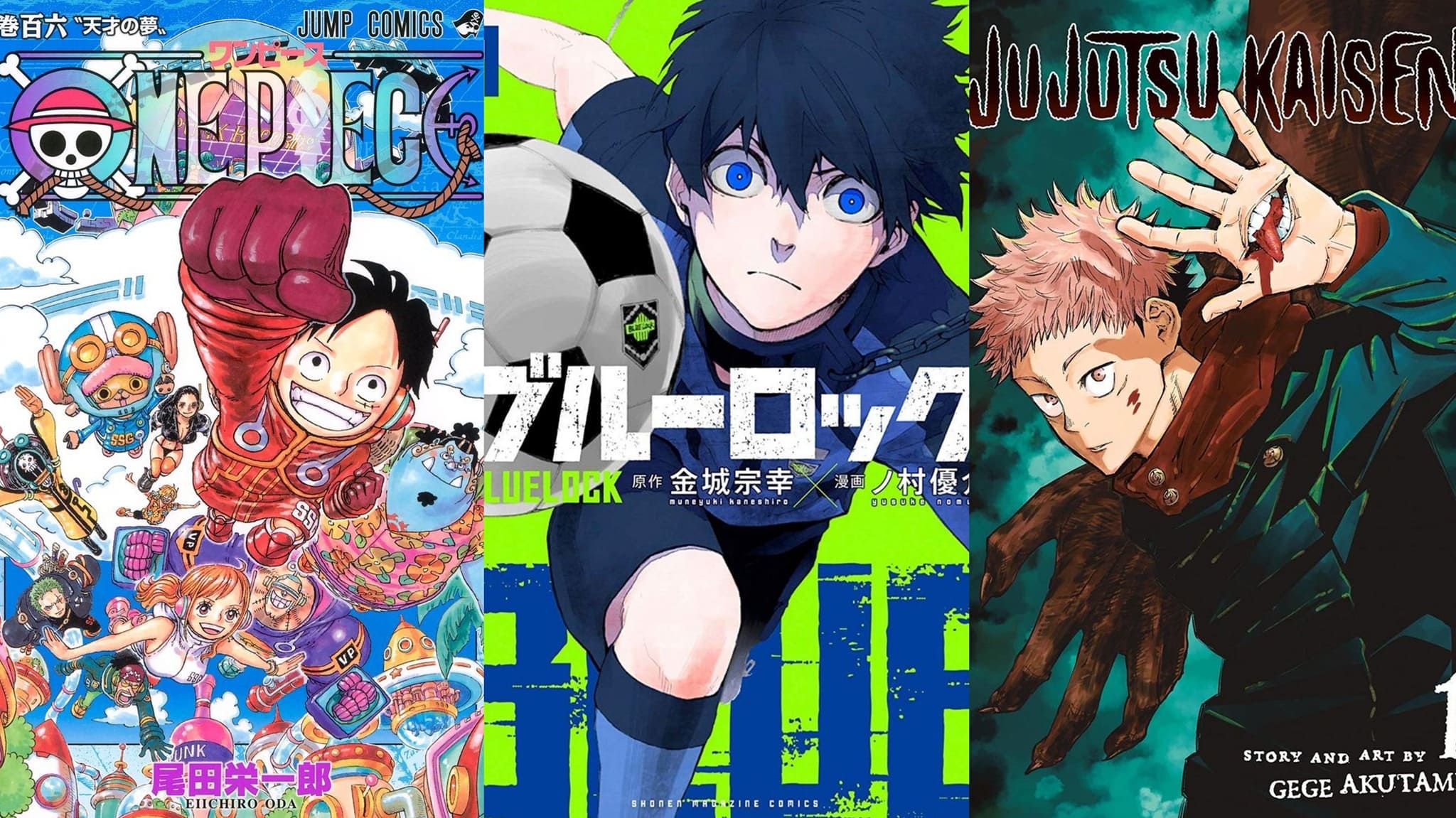
One Piece, Blue Lock, Jujutsu Kaisen (Credits: Shueisha and Kodansha)
In response to the warnings, anime communities have rallied to defend their space, stressing the importance of creative freedom and self-expression. Many fans have taken to social media, using hashtags like #AnimeIsNotExtremism and #StopTheHate to challenge the notion that anime is inherently linked to dangerous ideologies. These movements argue that scapegoating anime could distract from the deeper issues of radicalization and ignore the more complex factors that contribute to such behaviors.
Meanwhile, parents are left grappling with how to address their children’s media consumption in an age where online spaces are constantly evolving. With extremist groups finding various ways to reach vulnerable audiences, questions surrounding media responsibility, censorship, and freedom of expression are only becoming more complicated.
