Nearly three decades after David Fincher’s Se7en premiered, its stunning conclusion remains one of cinema’s most iconic. The twist ending has become so legendary that even those who haven’t seen the film are familiar with its devastating reveal. Listed among the greatest thrillers, Se7en also marked a career milestone for Brad Pitt. Featuring a stellar cast, including Morgan Freeman and Gwyneth Paltrow, its finale lingers long after the credits roll.
The plot follows two detectives, Somerset (Morgan Freeman) and Mills (Brad Pitt), investigating a series of gruesome murders linked to the seven deadly sins. Each murder is meticulously planned to embody a different sin, eventually leading to the capture of the murderer, John Doe (Kevin Spacey). Only after his arrest do the detectives uncover the final, heart-wrenching part of his plan.
Se7en Ending Explained
Throughout the film, viewers witness grisly murders representing each of the seven deadly sins. The first, gluttony, involves a victim force-fed to death. The next, greed, involves defense attorney Eli Gould, who is forced to cut off a pound of flesh. The third, sloth, features Theodore Victor Allen, who suffers a year of captivity before dying. Lust sees a man forced to rape a sex worker. The fifth sin, pride, is embodied by Rachel Slade, a model mutilated by Doe and given the choice to live with her disfigurement or die, which she chooses. The final two victims are revealed after Doe’s arrest. He leads the detectives to a remote location, where a box is delivered to Mills. The contents of the box are never shown, but Doe reveals that he killed Mills’ wife, Tracy, out of envy. In a fit of rage, Mills kills John Doe, fulfilling the killer’s plan and embodying wrath.
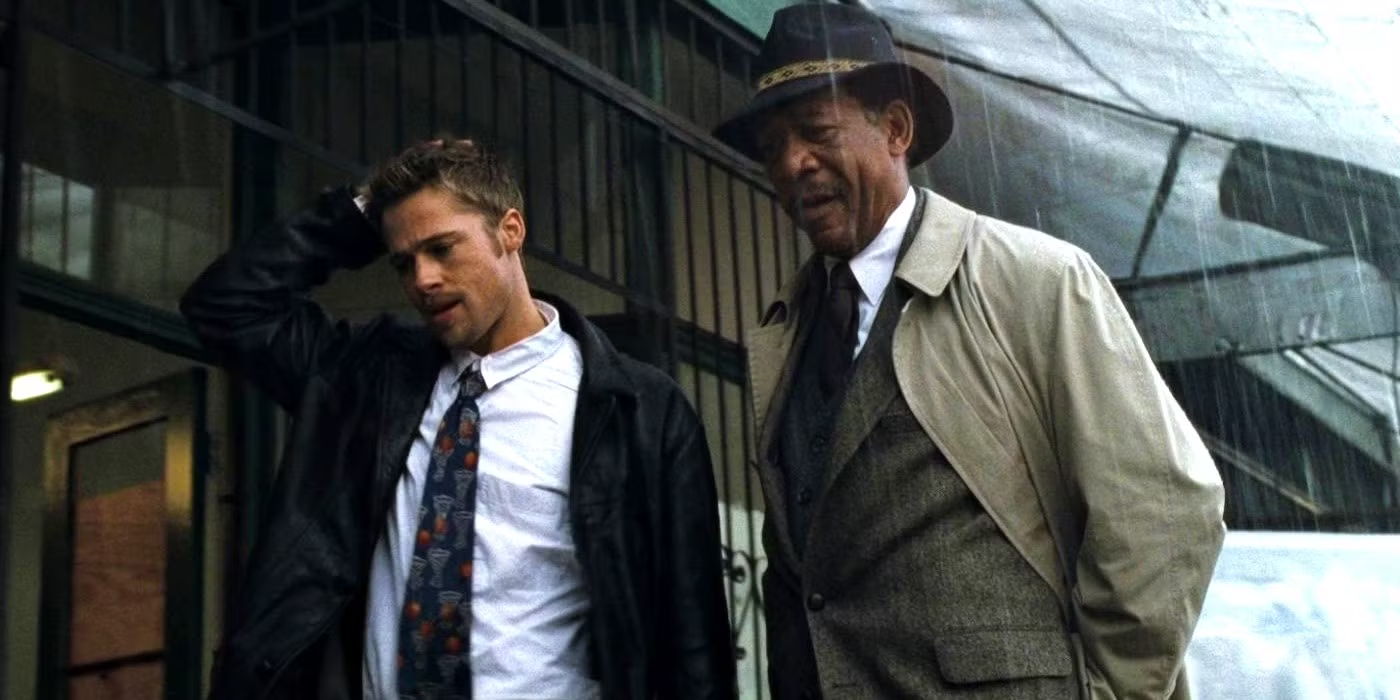
David Mills and Detective Lt. (Image via Getty)
A pivotal moment in Se7en is the mystery of the box delivered to Detective Mills. While its contents are never shown, John Doe’s taunt, “I took her pretty head,” confirms the gruesome truth: the box holds Tracy’s severed head. It symbolizes the culmination of Doe’s plan, with Mills’ violent reaction—the murder of Doe—serving as the film’s final act. The lack of a clear view of the box heightens the horror, with the implication that Tracy is dead, intensifying the emotional weight of the scene. The scare comes not from the box’s contents but from Mills’ realization and ensuing fury.
The Significance of Mills Killing John Doe
Mills’ decision to kill John Doe is more than just the final murder; it fulfills Doe’s plan. By provoking Mills to embody wrath, Doe wins, proving even the most virtuous can succumb to sin. Mills’ act shows that the “good guys” don’t truly win in Se7en , highlighting the fragility of morality.
Somerset’s Transformation: Why He Doesn’t Retire
The closing moments of Se7en are deeply impactful for Detective Somerset as well. Throughout the film, Somerset has been contemplating retirement, worn down by the darkness of his work. However, the events triggered by John Doe’s murders force Somerset to reconsider. The final line of the film, where Somerset quotes Ernest Hemingway—“The world is a fine place and worth fighting for. I agree with the second part”—shows a marked change in his character.
Somerset’s decision to stay in the fight, rather than retire, signals a transformation. John Doe’s manipulation has shaken him out of his apathy, leading him to reject the idea of abandoning his role as a detective. While the world may not be as fine as Hemingway suggests, Somerset now believes it is worth fighting for.
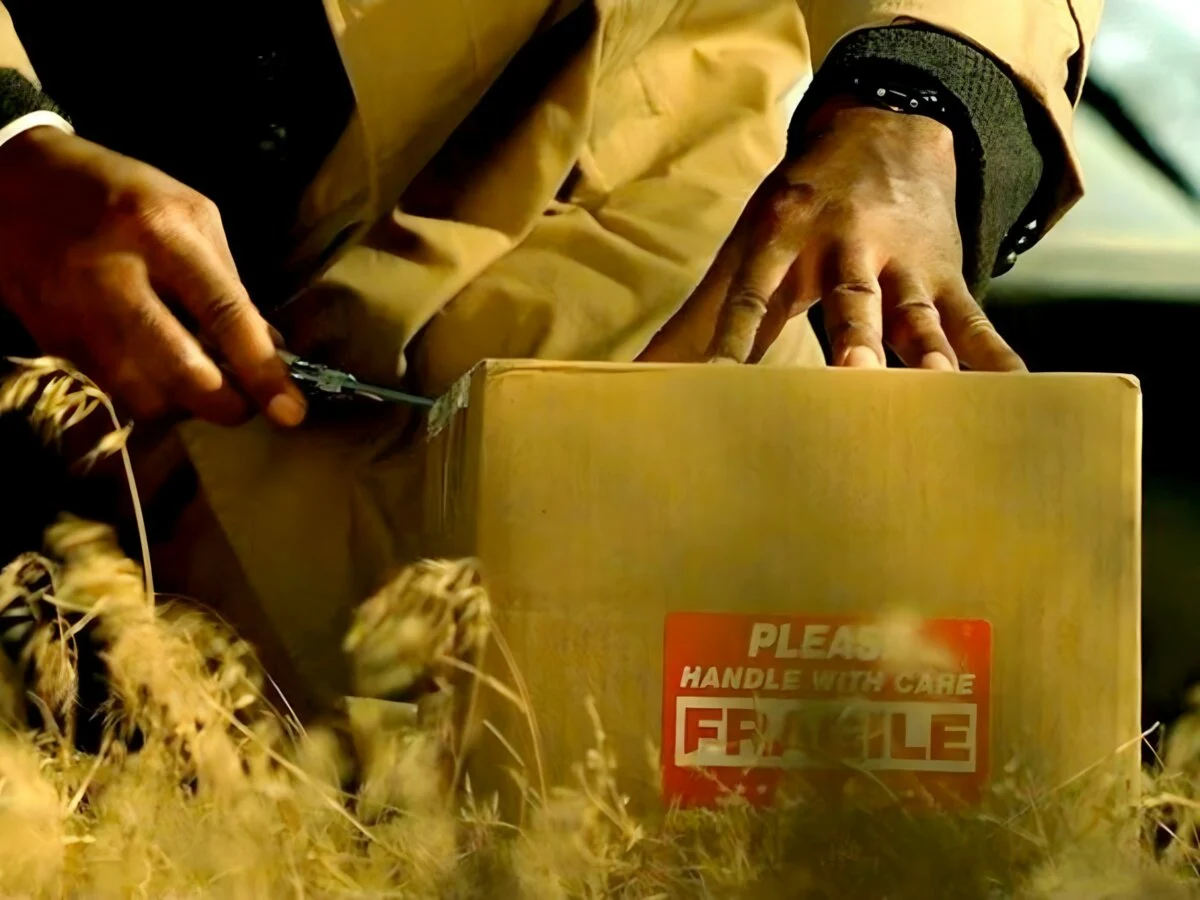
The Box (Image via Getty)
The City’s Role and Its Reflection of Biblical Themes
The city in Se7en is never named, and its grim, decaying atmosphere plays a crucial role in the story. It serves as a metaphor for purgatory, a place of suffering and judgment. John Doe’s murders reflect the biblical idea of divine punishment, with each sin being paid for through brutal means. The film evokes Dante’s Divine Comedy , particularly in how it uses the sins as a framework for judgment and retribution.
This unnamed city represents a fallen world, a modern-day Garden of Eden that has been corrupted by sin. John Doe’s belief that mankind’s sins are to blame for the degradation of the city adds weight to his justification for the killings. His ultimate goal is to force the apathetic citizens of this ruined city to wake up and confront the evil around them.
The Complex Morality of John Doe and Se7en’s Ending
One of the most intriguing aspects of Se7en is the complexity of its villain, John Doe. The film’s ending suggests that, in a way, Doe was justified in his actions. By manipulating Mills into fulfilling his twisted plan, Doe forces both the audience and the characters to reconsider their moral outlooks. His actions may be monstrous, but they are not without purpose. Doe’s desire to shake the world and wake people up to the sins around them is presented as a righteous, albeit deeply flawed, goal.
The conclusion of the film, with Somerset’s shift in perspective and Mills’ tragic fall into wrath, highlights the impact Doe’s actions have on the characters. His plan succeeds in forcing them to reevaluate their roles in the world and their responses to evil.
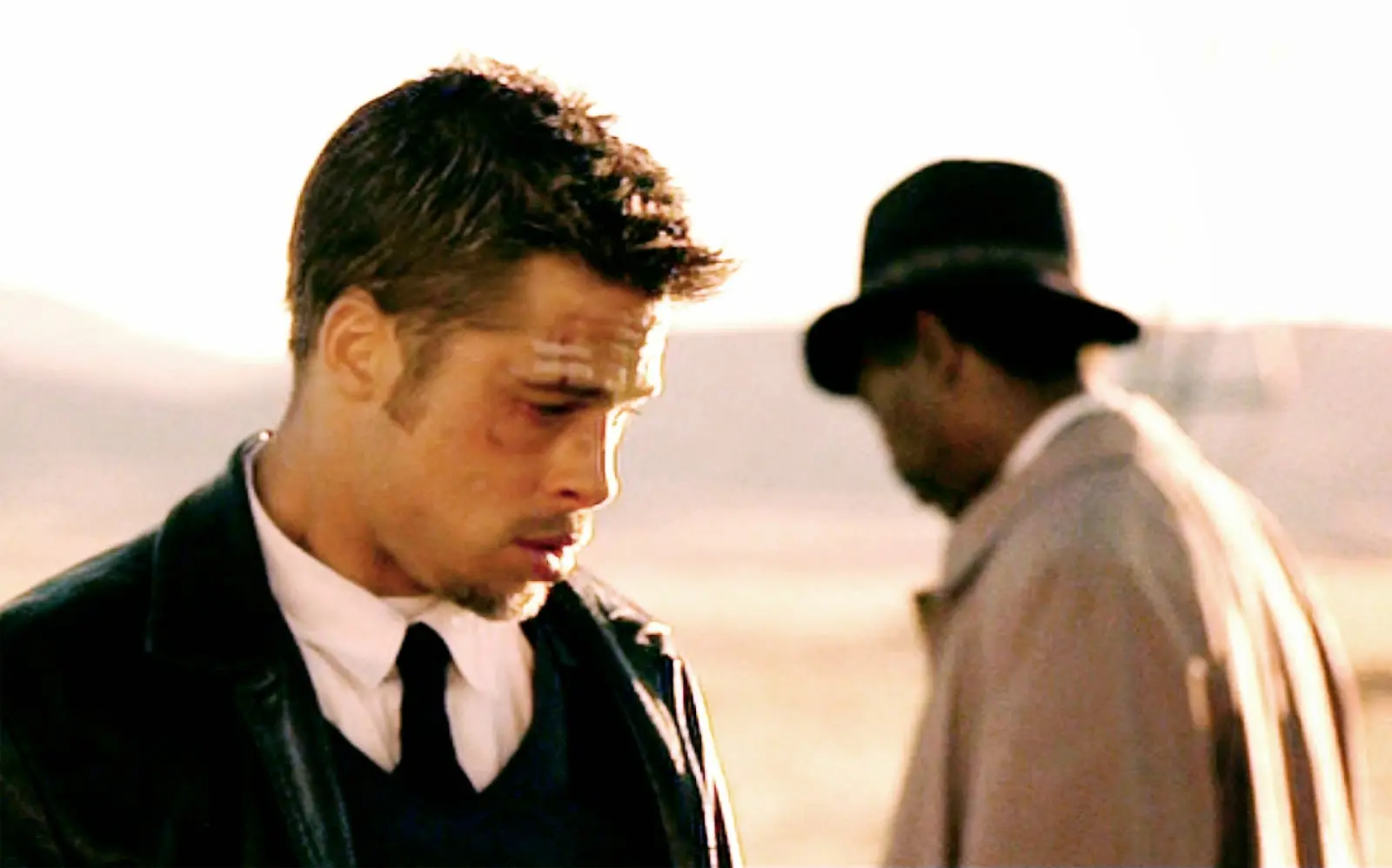
David Mills and Detective Lt. (Image via Getty)
Se7en’s Legacy as One of the Greatest Movie Endings
Se7en has become synonymous with its surprising ending, a brutal and unforgiving conclusion that has left an indelible mark on film history. Initially, the ending faced resistance from the studio and producers, but David Fincher stood firm in his vision. The result is a conclusion that feels both inevitable and horrifying, perfectly complementing the dark narrative that precedes it.
The film’s final moments have become a benchmark in cinematic storytelling. The grim and twisted story, which leads to such a devastating finale, would have been incomplete without this incredible twist. The surprise is not in the reveal of the box’s contents but in the emotional intensity and tragic consequences that follow. In this way, Se7en proves that the most unforgettable endings are often those that challenge our expectations and leave us contemplating their meaning long after the film ends.
It Ends With Us stands as a poignant and emotional adaptation of Colleen Hoover’s best-selling novel, charming audiences with its powerful themes of love, abuse, and self-empowerment. While the film has generated much attention due to its behind-the-scenes drama and critiques surrounding its marketing, it has also achieved box-office success. The adaptation follows the complex love story of Lily Bloom, played by Blake Lively, as she grapples with her feelings for Ryle Kincaid (Justin Baldoni) and Atlas Corrigan (Brandon Sklenar). However, the film’s final moments offer a crucial resolution to Lily’s journey, which warrants a detailed analysis of her choices and the ultimate question: Does Lily end up with Atlas or Ryle?
It Ends with Us Ending Explained
It Ends With Us centers around Lily Bloom, a young woman who moves to Boston with the dream of opening her own flower shop. There, she crosses paths with Ryle, a neurosurgeon whose charm quickly sweeps her off her feet. However, their love story is not straightforward, as the film alternates between Lily’s present-day relationship with Ryle and flashbacks to her teenage years with Atlas, her first love. These flashbacks introduce another layer of tension, as Lily’s father’s abusive behavior toward her mother lingers in her memory. Ryle’s own dark tendencies begin to surface, echoing the trauma Lily experienced as a child, which becomes more apparent as the film progresses.

Lily Bloom and Ryle Kincaid (Image via Getty)
Amidst this, Lily reconnects with Atlas, now an adult, and it’s clear that their past love has never truly faded. While Lily and Ryle eventually marry, she begins to confront the painful reality that Ryle’s actions might not be accidental, but rather a deeper, more troubling pattern of behavior. As the story unfolds, Lily finds herself at a crossroads, torn between her tumultuous marriage to Ryle and the rekindled flame with Atlas. Ultimately, she makes a brave decision to leave Ryle, seeking refuge with Atlas as she begins the process of healing.
Lily’s Decision: Breaking Free from Ryle’s Abuse
Before Lily and Ryle marry, Atlas provides Lily with his phone number in case she ever needs his support, especially after a disturbing confrontation where Ryle accuses her of still being involved with Atlas. This tension escalates when Ryle discovers the number and a violent argument ensues. The situation takes a dark turn when Lily falls down the stairs, a moment that is left ambiguous for the audience but is clearly a result of Ryle’s actions. Although he claims it was an accident, the truth is undeniable to the viewers: Ryle pushed her.
Lily is forced to accept Ryle’s version of events, but this incident marks a pivotal moment in her awakening. As Lily starts to gain clarity, she feels the weight of her realization that Ryle’s past behavior was never accidental. The situation grows more complicated when Lily finds herself in a violent encounter with Ryle. In a particularly disturbing moment, Ryle assaults her after discovering the relationship between Lily and Atlas. This attack forces Lily to see the truth of Ryle’s abusive tendencies, and she begins to take steps toward breaking free from him, bolstered by Atlas’s support.
Lily’s Journey to Reclaiming Her Power
After a traumatic encounter with Ryle, Lily learns she is pregnant with his child. Seeking support from Atlas, they reflect on their past, and he reassures her she’ll be an amazing mother. Lily also learns from Allysa, Ryle’s sister, about his traumatic past—he accidentally killed his brother, Emerson—which helps her understand his behavior but strengthens her resolve to protect herself and her future child.
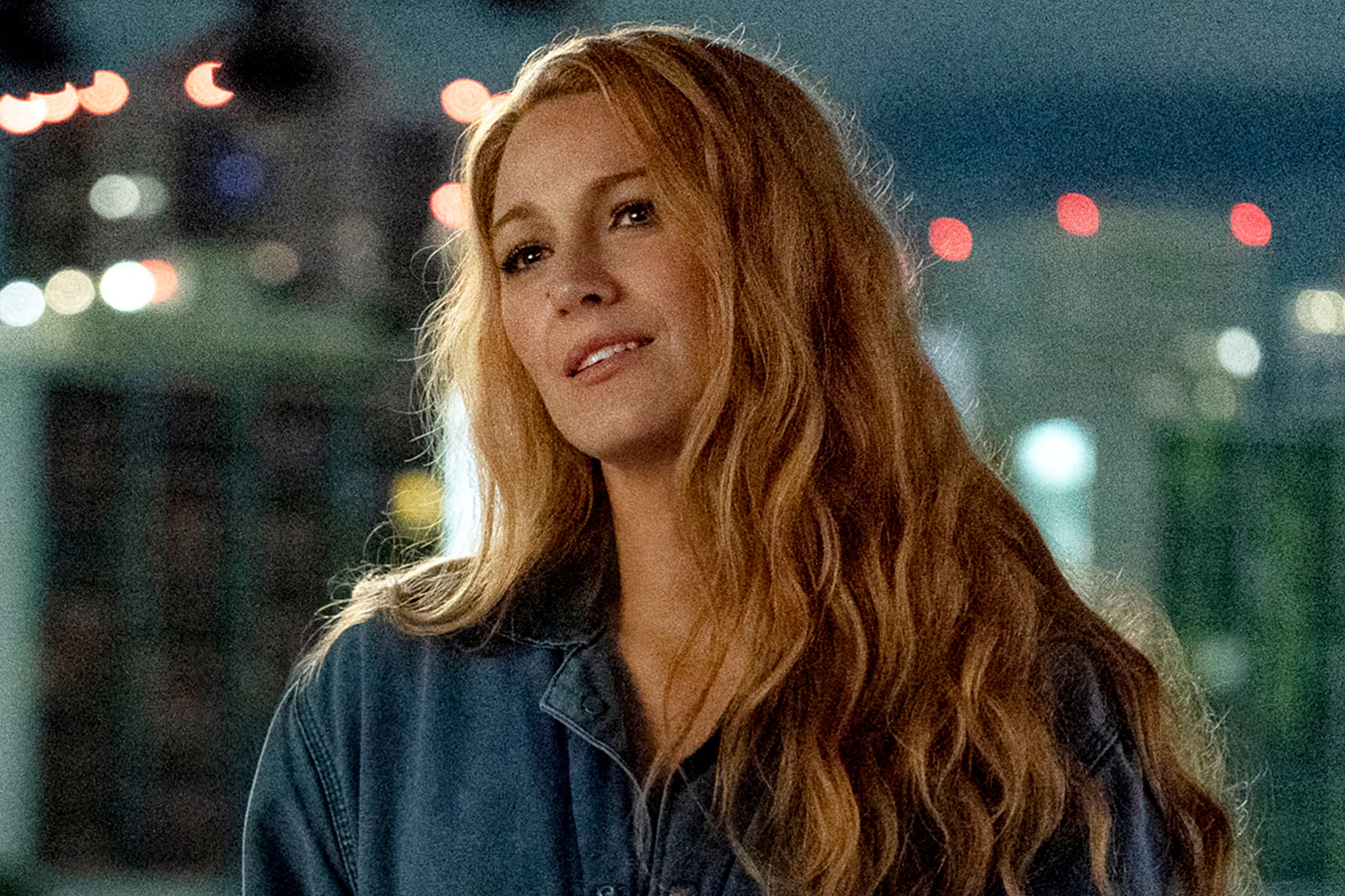
Lily Bloom (Image via Getty)
Allysa advises Lily to distance herself from Ryle, which sparks a turning point in Lily’s journey toward reclaiming control. Despite the challenges of pregnancy, Lily prepares for motherhood, creating a safe space for her baby. Ryle later attempts to reconcile, begging for another chance and promising to seek help. Lily, however, rejects him, standing firm in her decision to sever ties for good.
A Fresh Start: Lily’s Resolution
After giving birth, Lily is confronted by Ryle, who wants to be part of their daughter’s life. Lily, however, stands firm, naming their daughter after his late brother, Emerson, and insisting on a divorce. She asks Ryle a powerful question: “What if one day she said ‘My boyfriend hit me,’ what would you say to her?” This prompts Ryle to realize the pain he caused.
Ryle leaves and Lily embraces her new life with her daughter. She whispers, “It stops right here, with you and me. It ends with us,” ending the cycle of abuse for good.
The Film’s Conclusion: A Shift from the Book’s Ending
The film concludes with a flash-forward where Lily, her mother, and daughter visit Lily’s father’s grave. In a symbolic moment, Lily introduces her father to his granddaughter, leaving a blank eulogy page on his tombstone, signifying peace with her past and readiness to move forward.
Later, Lily and her daughter encounter Atlas at a farmer’s market. Their interaction is filled with lingering emotions, and while their connection remains evident, the film ends ambiguously. Lily confirms her independence from Ryle, and Atlas reveals he is single, hinting at a potential reconciliation.
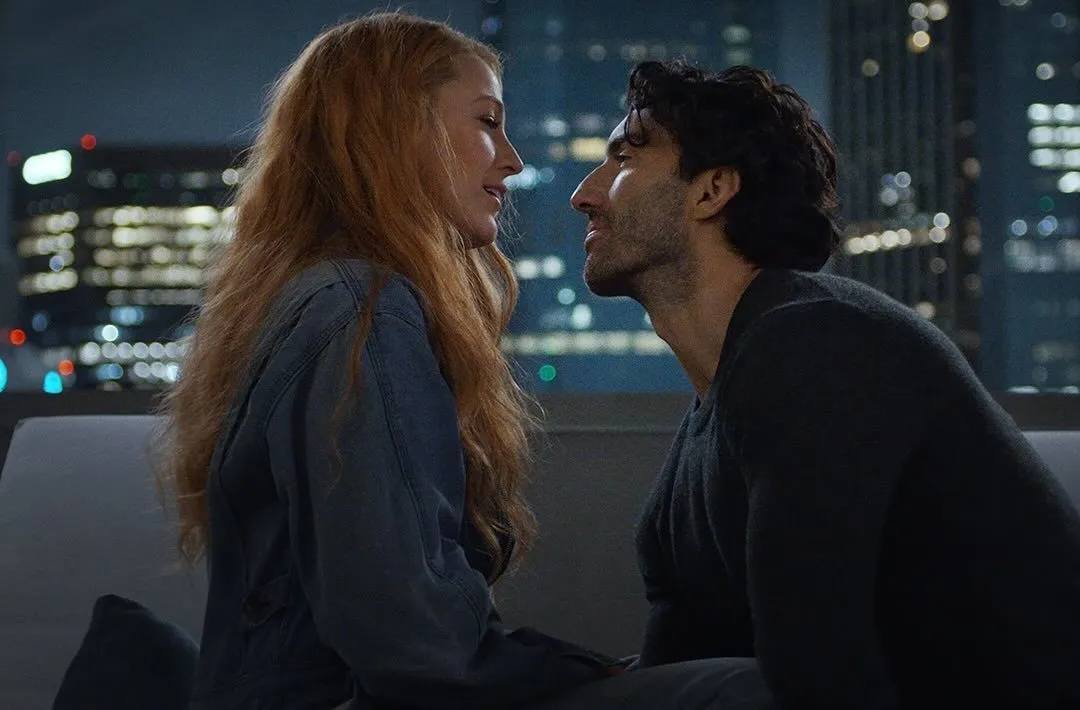
Lily Bloom and Ryle Kincaid (Image via Getty)
Unlike the book, where Lily and Atlas’s romantic reunion is explicit, the film opts for subtlety, likely to build intrigue for a sequel. This shift centers the story on Lily’s personal growth and her decision to break the cycle of abuse, prioritizing empowerment over romance.
Final Thoughts: A Story of Empowerment and Healing
In the end, It Ends With Us is not just about the question of who Lily chooses romantically, but rather about her journey toward healing and empowerment. Lily’s ability to walk away from an abusive relationship, her decision to raise her daughter independently, and her commitment to breaking the cycle of violence all contribute to a narrative that is both inspiring and heart-wrenching. While the film leaves some questions about Lily’s future with Atlas unanswered, it firmly establishes her as a woman who is in control of her own destiny.
