Apple TV+’s Shrinking is a show about the heavy emotional weight of grief and healing, yet it always finds a way to inject humor into its storytelling. The balance between light-hearted moments and intense, raw emotional scenes is what makes the show so relatable.
But this week’s episode presents a different side of the show—a side that brings viewers through some of the most difficult moments of the season.
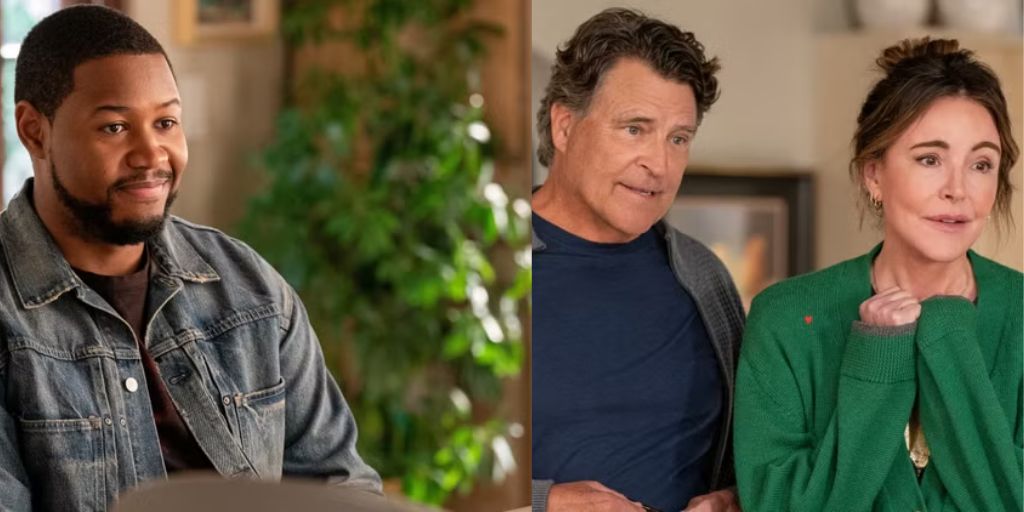
The episode focuses on the struggles of various characters, especially Sean (Luke Tennie), who is facing an emotional crisis involving his father and the painful impact it has on his mental health.
The episode opens with Gabby (Jessica Williams), who is forced to deal with some tough family dynamics when her sister confronts her about some unresolved issues.
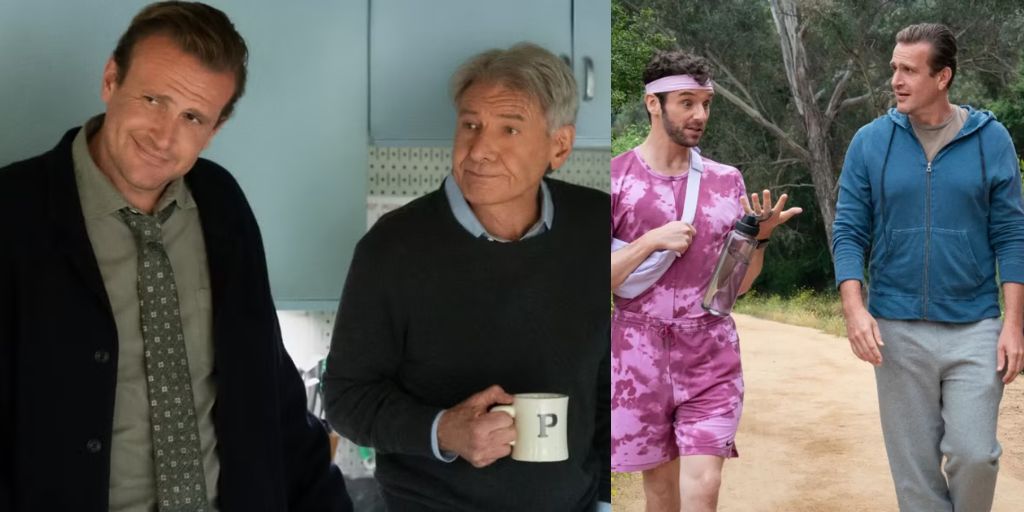
Meanwhile, Liz (Christa Miller) explodes at Jimmy (Jason Segel), voicing all the ways she feels his actions have negatively affected her life.
As their conversation spirals into an argument, viewers get a view into the complex relationships the characters are managing.
Alongside these personal struggles, Alice (Lukita Maxwell) has to confront the consequences of her romantic choices, particularly her relationship with Connor (Gavin Lewis).
Her best friend Summer (Rachel Stubington) attacks her in a fit of rage, but the scene is played for laughs, highlighting the differences in how the show handles different emotional tones.
Despite all these emotional confrontations, the one character who suffers the most in this episode is Sean. His journey toward healing has been a focus of the show’s narrative, as he works hard in therapy to manage his Post-Traumatic Stress Disorder (PTSD) and his violent tendencies.
But in this episode, Sean faces a trigger that sends him spiraling, pushing him into a dark place where he seems unable to escape his emotional pain.
Sean’s Relationship with His Father
From the very beginning of Season 2, it has been clear that Sean has been struggling with deep emotional wounds. His PTSD, stemming from his time in the military, has made it difficult for him to process his emotions in healthy ways.
Instead of facing his pain head-on, Sean has often resorted to violence as a coping mechanism. With the help of his therapist Jimmy and Paul (Harrison Ford), Sean has been learning new ways to cope, trying to avoid the destructive path that his past behavior led him down.
But the fifth episode of Season 2 presents a huge challenge for Sean. His father, Tim (Kenajuan Bentley), has been working with Sean at the food truck. Although this should be an opportunity for them to reconnect, there is an obvious tension between the two.
Sean wants to open up to his father, hoping that he will receive the emotional support he has desperately needed. But instead of the understanding and care Sean expects, his father’s response is dismissive and hurtful.
Sean attempts to share his feelings, particularly how he feels his father has not supported him, especially after his return from active duty. The weight of this moment is palpable, as viewers can feel Sean’s vulnerability in his attempt to open up.
For the first time in a long time, Sean appears to have a sense of relief, a small view of hope that this conversation will be a turning point. But when Tim responds, his words shatter that hope.
Instead of offering the support Sean is seeking, Tim blames Jimmy and Paul, claiming that therapists always try to shift the blame onto parents. Tim tells Sean that he has done nothing but love and support him, and that Sean’s problems are a result of being ungrateful.
His words are a clear dismissal of Sean’s pain, rejecting his son’s vulnerability. Tim’s response is not only painful but deeply hurtful, causing Sean to retreat emotionally.
It’s as though the hard work Sean has been doing in therapy is immediately invalidated by his father’s refusal to listen.
Tim’s anger and refusal to acknowledge Sean’s feelings push him into a state of emotional turmoil. His father’s words trigger Sean’s fight-or-flight response.
The emotional rejection is too much for him to bear, and instead of handling his emotions in a healthy way, Sean begins to spiral.
His painful rejection by his father brings back all the emotions he has been trying to work through, making it feel impossible to escape the emotional chaos that now takes over.
A Destructive Path
After the painful encounter with his father, Sean’s behavior begins to show the consequences of this emotional blow. He spots the construction workers who have been throwing beer bottles on Jimmy’s lawn.
In the past, Sean may have tried to physically confront the men, using violence as a way to cope with his anger. But this time, his actions are different.
Still from Shrinking (Credit: Apple TV)
Instead of picking a fight, Sean takes a drastic step. He follows the men and smashes a bottle at their feet, provoking them.
His actions seem to suggest that he is itching for a confrontation, but when the men move to fight back, Sean’s response is shocking.
He doesn’t fight them. He doesn’t defend himself. Instead, Sean stands there, seemingly offering himself up for a brutal beating.
The camera pans away as the men begin to beat Sean mercilessly. Sean, in that moment, shows no desire to fight back.
The lack of self-defense is a clear signal that Sean isn’t interested in fighting—he wants to be hurt. The physical assault he endures is not an accident. It’s a reflection of the emotional pain he is feeling inside.
Sean has been working hard to avoid violence, but at this moment, he seems to want the physical pain as a way to express his internal turmoil.
This scene is a turning point for Sean’s character. It reveals just how deeply he is struggling with his emotions. Despite the progress he has made in therapy, the rejection from his father has triggered a desperate need for self-punishment.
Sean’s decision to allow himself to be hurt by others is heartbreaking. It reflects just how far he is from healing, and how much emotional pain he continues to carry with him.
Consequences of Self-Destruction
The aftermath of this violent incident shows just how severe the consequences of Sean’s actions will be. Not only will he likely face physical injuries from the brutal attack, but there will also be emotional consequences to deal with.
Sean has clearly regressed in his journey toward healing. Instead of seeking help or expressing his pain in a healthy way, he has turned to self-destruction.
In the coming episodes, it will be important for Jimmy and Paul to come together to help Sean heal, both physically and emotionally.
This situation calls for the support of friends and loved ones. Sean will need more than just physical care; he needs the emotional support of people who truly care for him.
Both Jimmy and Paul have played important roles in helping Sean, but this moment marks a pivotal point in Sean’s journey. Their intervention will be crucial in helping him process the pain he is feeling and finding healthier ways to deal with his emotions.
The Long Road to Healing
While the physical consequences of Sean’s attack are immediate, the emotional scars will take longer to heal. The pain he feels in the wake of his father’s rejection is not something that will fade quickly.
Sean will need to continue working through his emotions in therapy and with the support of his friends.
What makes this episode so powerful is the way it shows the complexity of healing. Sean has been making real progress, but the pain of his past is always lurking, ready to pull him back into old patterns.
It is clear that Sean still has a long road ahead of him in terms of emotional healing, and the rejection he faces from his father will continue to affect him for a long time. The show doesn’t shy away from this painful truth, which makes it all the more difficult to watch.
But there is hope for Sean. His relationship with Jimmy and Paul is one of the bright spots in his life. While his father may continue to reject him, his friends are there for him, and that support is essential.
Therapy will continue to play a key role in Sean’s recovery. Through it, he can find ways to address his pain without resorting to violence or self-destructive behavior.
Sean’s journey is a heartbreaking one, but it is also incredibly real. Many people who struggle with trauma and emotional pain face similar struggles.
Shrinking does an excellent job of showing how difficult it can be to heal, and how the road to recovery is filled with setbacks and challenges. But despite the heartbreak, there is always hope, and that hope is reflected in the support Sean receives from his friends.
Still from Shrinking (Credit: Apple TV)
In the end, therapy and the care of those around him are what will help Sean heal. His story is a reminder of the importance of emotional support and the need for people to lean on others during their darkest times.
As Sean’s journey continues, viewers will be left wondering whether he can find a way to heal from the deep emotional scars caused by his father’s rejection and his own self-destructive impulses.
This episode of Shrinking truly highlights the complexities of mental health, particularly the long-lasting impact of trauma and how difficult it can be to overcome.
While Sean’s story is heartbreaking, it also provides a powerful reminder of the importance of therapy, support from loved ones, and the long road to healing.
Viewers are left with a sense of both sadness and hope as they watch Sean’s emotional struggle unfold, and it’s clear that his journey is far from over.
In Episode 5 of The Franchise, titled “Scene 16: Eric’s Hospital Scene,” things get even worse for Eric than before.
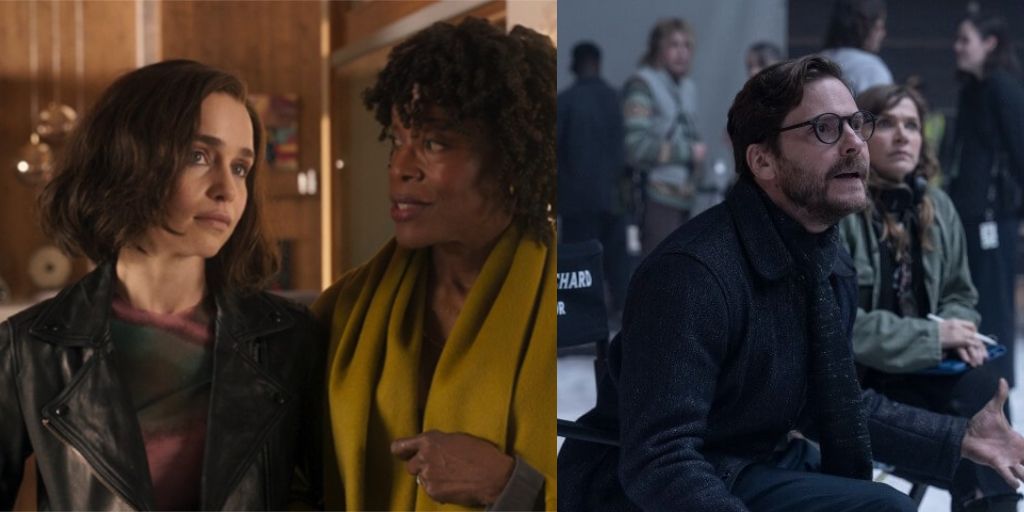
At first, I didn’t realize that Eric is really the main character. His fall from being a creative filmmaker to a miserable ad man shows how the production of Tecto is wearing him down. There’s a shot in this episode where Eric gives up completely, and it’s funny, but also a bit sad.
His breakdown shows how much the production is taking from him. It’s hard not to feel for Eric, as he’s just trying to make something meaningful, but everything keeps getting worse for him.
Eric’s situation in The Franchise reflects the reality of big-budget comic-book movies. While the show exaggerates these situations for comic effect, it’s clear that there is a real satirical edge to the story.
In the premiere, it wasn’t clear if The Franchise would be able to keep things fresh and engaging.
However, it turns out the show can. The key is personalizing the challenges each character faces, which is what makes this show stand out.
While most of the issues in a movie set might seem small, the impact on Eric is always significant, and that’s what keeps the story moving.
The Breakdown of Eric’s Character
In the opening scenes of Episode 5, Eric’s collapse is clear. He’s no longer the hopeful visionary he once was. He’s no longer fighting for his artistic vision but trying to save his job, his reputation, and any ounce of dignity he has left.
He is forced to accept one ridiculous decision after another, and with each one, it’s clear that the studio’s manipulation is wearing him down.
The script he is given is full of compromises, forced changes, and products that do not belong in the film. Yet, he keeps going, trying to make something that he can still believe in.
Eric’s role as the protagonist is vital because his decline shows us just how difficult the production of Tecto is.
While some of the absurd decisions and compromises might seem far-fetched, they’re very much grounded in the everyday challenges faced by filmmakers working on big-budget blockbusters.
At the core of this episode is the question of how much a person is willing to sacrifice for their work, their reputation, and their dreams. Eric is someone who has already given up so much, and yet, the show continues to push him further.
In The Franchise, Eric’s journey is one of slow, painful unravelling. From the beginning, he was presented as a talented and ambitious filmmaker, but as the series has progressed, we see him become more and more beaten down.
In Episode 5, his desperation reaches new heights as he is forced to transform a deeply personal and emotional scene into a corporate tool for Chinese farming equipment.
His willingness to keep going, despite the absurdity of the situation, is both tragic and darkly comedic.
The Ridiculousness of the Product Placement
One of the most ridiculous elements of Episode 5 is the product placement. The episode takes a deep view into the world of corporate decisions in filmmaking. While product placement is nothing new in big movies, the way it’s handled here is absolutely absurd.
Eric, who has spent his career creating something personal and meaningful, is now asked to insert a tractor into a movie that takes place almost entirely in space.
Not just any tractor, but one that represents Chinese farming equipment, which is apparently the best in the world.
The reason for this bizarre request is simple: the Chinese government is demanding it in exchange for allowing the movie to be released in their market.
The tractor is a symbol of the government’s influence on the production, and Eric has no choice but to work it into the scene.
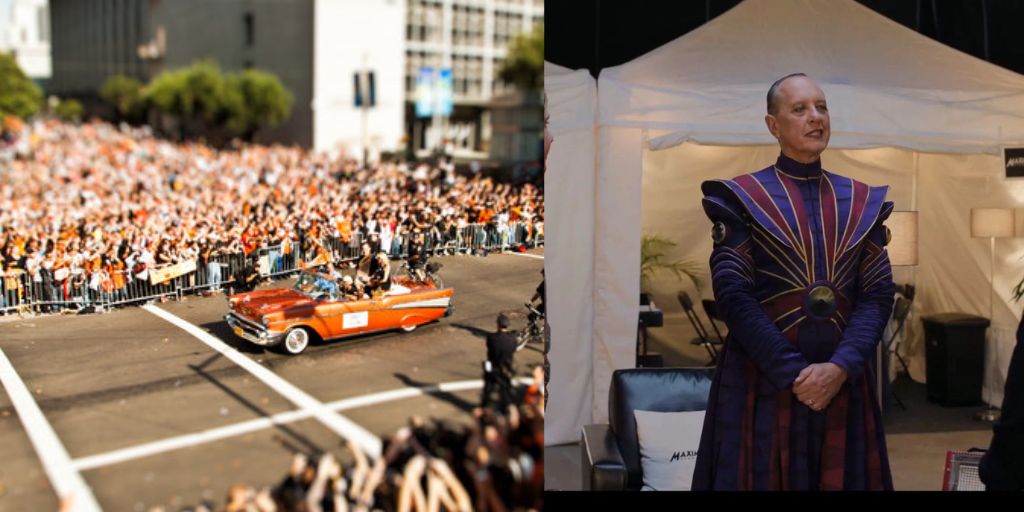
This leads to one of the most absurd moments in the entire series, where Eric is forced to figure out how to include a tractor in a space hospital scene.
Even worse, Eric’s scene, which he’s most proud of, is going to be cut from the final film anyway. This makes the situation even more painful for him, as he knows that this important moment is being altered for no reason other than corporate greed.
The producers don’t care about the integrity of the film; they only care about the money they can make by getting into the Chinese market.
Still from The Franchise (Credit: Max)
Eric’s frustration grows as he has to follow through with the ridiculous request. But the real kicker is when he learns that this scene, which he believes is essential to the movie, is going to be excised from the final cut.
Eric, who has spent countless hours perfecting this emotional scene, is now forced to change it, only to see it cut from the movie entirely. This leads to a mix of dark humor and genuine sympathy for the character.
The Growing Tension and Petty Revenge
As if things couldn’t get worse for Eric, the episode also shows how the producers are using his frustration for their own amusement.
After Eric’s outburst in the previous episode, Pat and the mysterious “Shane” decide to get back at him by making him kowtow to the Chinese Communist Party.
Pat has no problem humiliating Eric, and he enjoys the power he has over him. Pat sees this as another opportunity to push the boundaries of absurdity in the film.
As the episode progresses, the ridiculousness of the situation only increases. Eric is already stressed out and emotionally drained, but Pat’s decisions make everything worse. The introduction of a second tractor – this time from a different movie studio – further adds to the absurdity.
In The Franchise, everything is about power, money, and making the most of whatever situation arises. And for Eric, this means constantly compromising his beliefs and values.
By the time we reach the episode’s climax, Eric has reached a breaking point. The scene in which he declares war on China is both shocking and hilarious. In a fit of rage, Eric takes aim at everything from sweet and sour sauce to pandas, Confucius, and Mulan.
It’s a bizarre rant that seems to come out of nowhere, but it’s also a reflection of how much the pressure has built up on him. Eric has had enough, and his outburst is a result of all the absurd compromises he’s been forced to make.
The Fallout of Eric’s Outburst
As expected, Eric’s rant doesn’t go unnoticed. The outburst is leaked to the press, and suddenly Eric is in the middle of a geopolitical controversy.
The studio quickly realizes they have a PR nightmare on their hands, and a carefully managed statement is put out in an attempt to calm things down. However, as the closing credits roll, we see that a simple statement is not enough to solve the problem.
In The Franchise, there’s always another crisis waiting to happen. Pat, ever the problem solver, comes up with a new plan.
Instead of letting the situation escalate further, he decides to insert a scene promoting a tainted baby milk brand that had been recalled for containing mercury.
This idea, while deeply unethical, seems like a quick fix to the situation. Rufus, a minor character, is given a line in the movie, and several bottles of the tainted milk are used in a scene.
While this may help solve the PR problem for the time being, it creates a new one for Rufus, whose physical health may now be at risk.
This development highlights the dark satire at the heart of The Franchise. The show doesn’t just poke fun at the absurdity of Hollywood; it also shows the ethical compromises that filmmakers and studios are willing to make for the sake of profit and convenience.
The fallout from Eric’s rant and the subsequent decision to promote a dangerous product are just two examples of how far the show is willing to go to highlight the ridiculousness of the entertainment industry.
The Franchise’s Continued Success
Despite the increasingly absurd situations, The Franchise continues to engage viewers with its sharp satirical edge.
The humor in Episode 5 is top-notch, and the series remains an entertaining scheme of the craziness that comes with making big-budget movies.
The show’s ability to take a simple concept – a movie production going wrong – and turn it into a multi-layered commentary on the entertainment industry is what makes it so unique.
In Episode 5, Eric’s journey is at the forefront, but the show also succeeds in making every character’s struggle feel personal.
Each decision, each ridiculous product placement, each absurd compromise, impacts the characters in a way that makes the show feel real, even when it’s pushing the boundaries of humor.
Still from The Franchise (Credit: Max)
The show’s success lies in its ability to combine absurdity with moments of genuine emotion, and Episode 5 is a perfect example of this balance.
The Franchise continues to push the limits of comedy and satire, making each episode more ridiculous than the last. Episode 5, “Scene 16: Eric’s Hospital Scene,” is a standout of the season, showcasing Eric’s descent from hopeful filmmaker to defeated ad man.
The product placement, the petty revenge, and the geopolitical controversy all come together to create a story that’s both hilarious and tragic.
Through it all, Eric remains the emotional anchor of the show, and his struggle to maintain some sense of dignity in the face of corporate greed is something that resonates with anyone who has ever felt the pressure of compromising their ideals for the sake of success.
