In neat, handwritten letters, a title card encourages those who have faced similar traumas to take a moment and breathe. “This has helped me many times,” Shiori Itō admits.
She feels that her story is important to share, but she understands it will not always be easy for her audience.
This is how Black Box Diaries begins, a powerful film that details her multi-year journey to highlight problems in the Japanese justice system, along with sharing her own experience of assault.
It is a deeply personal story that connects to high levels of Japanese politics, creating a bold narrative of one woman’s fight to share her truth.
What Is Black Box Diaries About?
In the spring of 2015, Shiori Itō was a young and ambitious journalist. With strong English skills, she had studied in New York and returned to Japan to start her promising career in journalism. In April 2015, she met with Noriyuki Yamaguchi, a prominent journalist, to discuss possible job opportunities.
Yamaguchi was the Washington Bureau chief for the Tokyo Broadcasting System and was a close friend and biographer of Shinzo Abe, the then-Japanese president. This connection made Yamaguchi very influential within Japan’s closed system of power.
After their dinner, security footage shows Yamaguchi’s driver taking Itō back to the hotel, dragging a clearly intoxicated and reluctant passenger past the doorman, up through the lobby, and into his room.
According to Itō, she was blacked out for the entire trip. She only woke up to find Yamaguchi on top of her, pressing down on her abdomen and engaged in sex when she was in no position to give consent.
Shiori Itō’s Fight Against Japan’s Outdated Justice System
This moment marked the start of a long and painful process. Itō filed police complaints charging rape, but they were initially dismissed. Arrest warrants were overturned by police leaders who had close ties to powerful figures like Abe. She faced many challenges from Japan’s outdated sexual assault laws.
Despite the risks, Itō took the rare step of publicly discussing her case, going against the advice of her family and friends. She became a reluctant but powerful voice for many women who had been silenced after their own assaults.
Black Box Diaries documents Itō’s journey into the spotlight and the writing of a book that shares the same title as the film. The book not only outlines her experience of assault but also serves as a tool for change in Japan. Itō connects her struggles to the #MeToo movement, which emerged after the Harvey Weinstein cases.
However, the social and political complexities of Japan’s highly structured society make her situation even more complicated, and in some ways, transformative.
The film is an extension of her book, unfolding like a memoir. It features recordings of various people involved in her case, including “Investigator A,” who assisted with her case, as well as witnesses and others who helped support her story and fill in the gaps from her blacked-out experience.
One particularly powerful interview is with the driver from that night. He admits that he saw Itō ask to be dropped off at home, but Yamaguchi overruled her request. Many viewers might be shocked to learn that a clearly intoxicated female passenger’s request was ignored in favor of a powerful man’s orders.
This incident highlights the subtle complexities of Japan’s strict social and work structures, which often diminish the safety and concerns of women like Itō while benefiting more powerful, usually male figures.
Black Box Diaries: A Compelling and Emotionally Rich Story
The film is told in a visually poetic yet emotionally impactful way. Itō shares her story from her own perspective. While the film presents some details about the legal aspects of her case, the primary focus is on Itō’s thoughts and feelings.
For those looking for a more neutral examination of the allegations or the complexities of the Japanese political class, they might be disappointed. The film centers on giving Itō’s voice a platform without any compromise or censorship.
Itō’s film is not merely an exercise in self-centeredness. Instead, it shows her desire to seek justice not only for herself but also for others. In a meeting with female journalists, many from older generations, Itō hears similar stories that have gone underreported by those who are supposed to tell the truth.
This evidence shows how societal and cultural practices have strangled these stories. Thanks to Itō and others, attitudes are finally beginning to shift toward a better understanding of these issues.
Black Box Diaries is not an easy watch, but it is an immensely compelling and emotionally rich film. Itō shows great courage in her fight to tell her story. She is also a talented storyteller, making the film accessible to audiences while being unflinching in its honesty.
There are moments where Itō reveals her vulnerability, showing that she is not just a stone-hearted hero unaffected by her trauma. Beyond the legal and political ramifications, this is one woman’s story that deserves to be told, shared by someone capable of guiding the complex narrative without oversimplifying it.
Thanks to Itō’s determination and focus, Black Box Diaries tells her powerful and haunting story. It provides a richly drawn portrait of one woman’s fight for justice that aims to inspire change in Japan and beyond.
Shiori Itō’s Courage and Impact
Shiori Itō’s journey is remarkable, and her courage in sharing her experience is inspiring. She faces significant personal and societal challenges in a culture that often silences victims.
In Japan, where discussing sexual assault is still taboo, her decision to speak out publicly is brave. Itō understands that her story is not just about her; it is about the many women who feel unheard and invisible. By sharing her experience, she hopes to empower others to speak out.
The film portrays Itō’s life and the impact of her trauma. It shows the toll that her experience takes on her mental health and well-being. Throughout her journey, she faces not only the external battles with the justice system but also internal struggles with her identity and sense of self. This duality adds depth to her story, making it relatable to many who have faced similar challenges.
Itō also sheds light on the broader cultural issues that contribute to the difficulties faced by assault victims in Japan. The film illustrates how societal norms and expectations often pressure women to remain silent, forcing them to carry their burdens alone. Itō’s bravery helps break down these barriers, paving the way for more open conversations about sexual assault and consent.
The Importance of Support Networks
In her journey, Itō highlights the importance of having a supportive network. Throughout the film, we see how the support of her friends, family, and fellow journalists plays a crucial role in her ability to show the challenges she faces. This support is vital for survivors of trauma, helping them regain their voices and seek justice.
Itō’s story emphasizes that survivors do not have to face their battles alone. Her connections with other women who share similar experiences create a sense of community and strength. This network becomes a lifeline for Itō, reminding her that she is not alone in her fight.
Moreover, the film showcases the importance of allies in the movement for change. Allies can help amplify the voices of survivors and create spaces where these stories can be told. Itō’s interactions with her legal team and journalists show how collaboration can lead to greater awareness and action.
Cultural Shifts and Changing Narratives
As Itō continues her fight, she also contributes to a larger cultural shift. The release of Black Box Diaries coincides with a growing movement in Japan to address issues of sexual violence and harassment. Many women are starting to speak out against their experiences, inspired by Itō’s courage.
The film serves as a powerful reminder that change is possible. It demonstrates that by sharing their stories, survivors can challenge societal norms and inspire others to do the same.
Itō’s work encourages a shift in the narrative around sexual assault, moving away from victim-blaming and toward a more compassionate understanding of the complexities involved.
Itō also highlights the importance of education and awareness in creating lasting change. The film addresses the need for better education on consent and healthy relationships, especially for young people.
By fostering a culture of understanding and respect, future generations may be better equipped to prevent violence and support survivors.
The Lasting Legacy of Black Box Diaries
Black Box Diaries is not just a film; it is a call to action. It encourages viewers to reflect on their own beliefs and biases regarding sexual assault and consent. Itō’s story resonates with many, urging them to take a stand against injustice and support survivors.
The film’s release marks a significant moment in Japanese cinema and society. It brings attention to the ongoing struggles faced by survivors and the need for systemic change. Itō’s courage in sharing her experience helps shine a light on the dark corners of society, forcing conversations that have long been ignored.
As the film reaches audiences worldwide, its impact is expected to grow. Itō’s story is universal, speaking to the experiences of survivors around the globe. By sharing her truth, she opens doors for dialogue, healing, and ultimately, change.
Looking Forward
As Black Box Diaries premieres in theaters, Itō hopes it will inspire others to share their stories. She believes that every voice matters and that by coming together, survivors can create a powerful movement for change. Itō’s fight is far from over, but her determination and resilience serve as a beacon of hope for many.
In the face of adversity, Itō stands tall, refusing to be silenced. Her journey is a testament to the strength of the human spirit and the power of storytelling. With each passing day, she continues to push for justice, not just for herself, but for all who have suffered in silence.
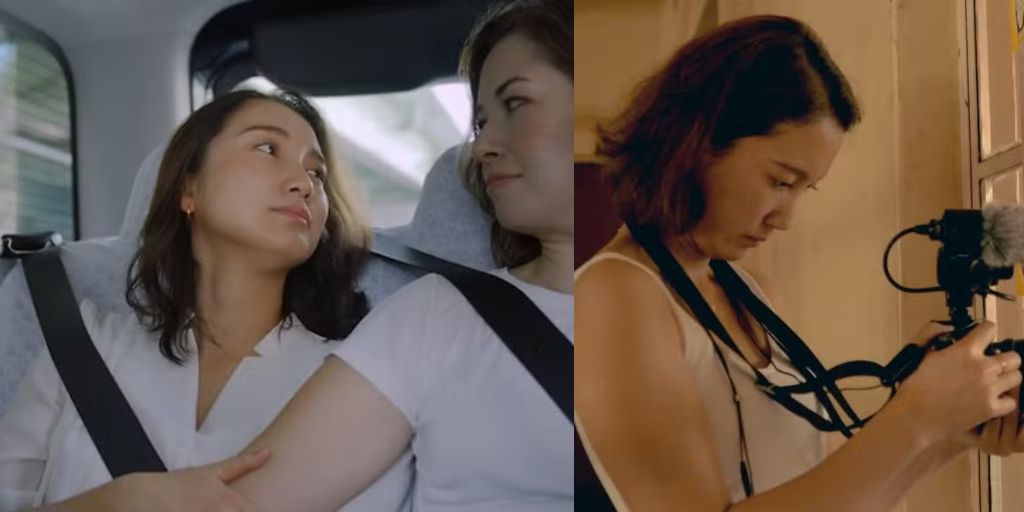
Still from Black Box Diaries (Credit: MTV)
Black Box Diaries is a vital contribution to the conversation about sexual violence, justice, and empowerment. It reminds us that every story matters and that by sharing our truths, we can create a better world for future generations.
Black Box Diaries stands as a powerful testament to Shiori Itō’s courage and resilience in the face of overwhelming challenges.
Her journey from a young journalist to a vocal advocate for survivors of sexual assault encapsulates the struggle many individuals face in seeking justice within a system that often favors the powerful over the vulnerable.
By sharing her personal story, Itō not only highlights the systemic issues within the Japanese justice system but also sheds light on the broader societal attitudes toward sexual violence.
The film is more than just a personal narrative; it is a clarion call for change. Itō’s bravery in confronting her trauma and publicly discussing her experiences resonates deeply with audiences, encouraging others to find their voices and stand against injustice.
As more survivors come forward to share their stories, a cultural shift is underway, challenging long-held beliefs and practices that have kept many silent for too long.
Black Box Diaries is a crucial piece of work that invites viewers to reflect on the importance of empathy, understanding, and support for survivors.
It emphasizes the need for systemic reforms in how sexual assault cases are handled and highlights the significance of education on consent and healthy relationships.
The impact of Itō’s story extends beyond Japan, serving as a source of inspiration for individuals worldwide who seek to confront similar injustices.
As audiences engage with Itō’s narrative, they are reminded of the power of storytelling to ignite change. Her fight for justice not only transforms her own life but also paves the way for a more equitable future for all survivors.
Through Black Box Diaries, Itō’s voice becomes a beacon of hope, illuminating the path toward justice and healing for many.
The Atlantic Paranormal Society (TAPS) has been showing strange activities across the United States for twenty years. They are well known for their television series “Ghost Hunters,” which invites viewers to watch their adventures in haunted places.
The show first aired on Syfy in 2004. It quickly gained a large audience and became a favorite for many fans of paranormal investigations. The series became very popular and ran for many years, but it ended in 2016.
Since then, the show has changed hands several times. After a failed attempt to bring it back on A&E in 2019, Discovery+ picked it up again in 2021. Fans were excited about the revival and looked forward to new investigations. The return of “Ghost Hunters” marked a significant moment for TAPS and its loyal viewers.
The Rise of TAPS and the Original Team
TAPS was founded by Jason Hawes and Grant Wilson in 1990. They started with a group of friends who shared a passion for the paranormal. The team’s main goal was to investigate ghost sightings and provide evidence for the existence of spirits.
They used modern technology to record their findings. TAPS aimed to debunk myths and provide real explanations for strange occurrences.
In 2004, TAPS became a household name when “Ghost Hunters” premiered. The show featured the team’s investigations of various haunted locations. Viewers watched as they set up cameras and equipment to capture evidence of paranormal activity.
The series included real-life stories of ghost sightings and strange sounds. Fans loved the combination of adventure and mystery, making “Ghost Hunters” one of the top-rated shows on Syfy.
The original team consisted of a close-knit group of investigators who brought their unique skills to the show. Jason Hawes served as the lead investigator and host. He was known for his calm demeanor and expertise in handling difficult situations. Grant Wilson, his longtime partner, played a vital role as well. He was charismatic and often brought humor to the investigations.
The original show ran for many successful seasons, allowing viewers to experience the thrill of investigating haunted places. The team’s chemistry and dedication to uncovering the truth made “Ghost Hunters” stand out from other paranormal shows. They built a strong reputation for their professionalism and integrity.
The Cancellation and Revival Attempts
After a successful run, “Ghost Hunters” came to an end in 2016. The cancellation shocked many fans who had followed the show for years. Although the series ended, the spirit of TAPS lived on. Many fans hoped to see their favorite investigators return to the screen.
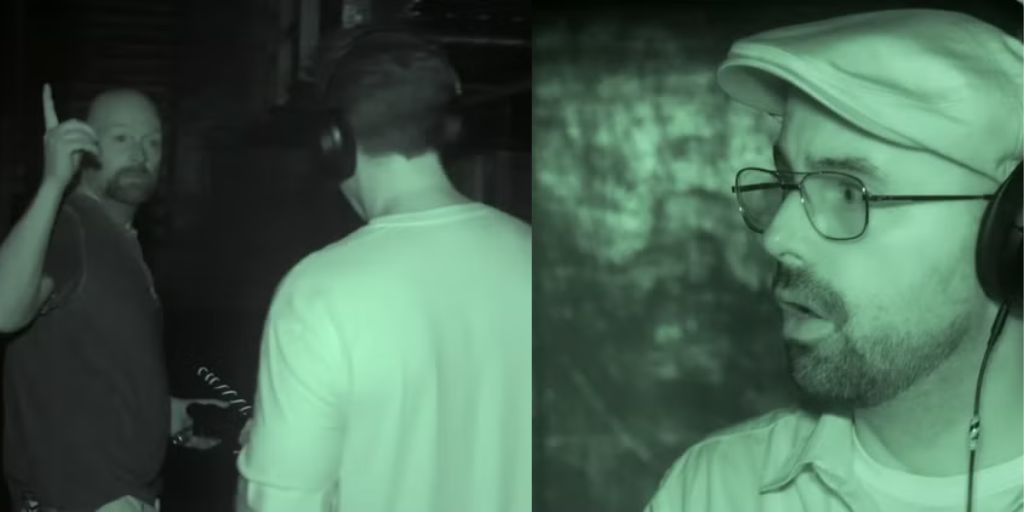
Still from Ghost Hunters (Credit: Discovery+)
In 2019, Grant Wilson attempted to revive the series on A&E with a new team of investigators. However, Jason Hawes was not part of this revival.
Fans were disappointed that he would not be returning. This new version of “Ghost Hunters” did not connect with the audience as well as the original show had. After just one season, it was canceled, leaving fans craving more of the TAPS team.
In 2021, Discovery+ picked up the series once again. This time, Jason Hawes was brought back to lead the revival. He was determined to bring back familiar faces that fans loved from the show’s earlier years. Hawes knew that fans wanted to see the original team back in action.
He invited Steve Gonsalves, Shari DeBenedetti, and Dave Tango to join him as full-time investigators. Their return added a sense of nostalgia and excitement for longtime viewers.
The Return of Familiar Faces
The decision to bring back familiar faces was a smart move. Fans of “Ghost Hunters” had formed strong connections with the original team. They appreciated their expertise and dedication to the investigations. Hawes understood that the chemistry between the team members was essential to the show’s success.
Steve Gonsalves, Shari DeBenedetti, and Dave Tango had all contributed significantly to the original series. Gonsalves was known for his technical skills and ability to analyze evidence. DeBenedetti brought her keen intuition and investigative instincts to the team.
Tango had a reputation for being fearless when it came to showing haunted locations. Together, they created a dynamic team that could tackle even the scariest investigations.
In addition to bringing back these familiar faces, Hawes also welcomed other experienced investigators to join the team whenever necessary.
This flexibility allowed TAPS to adapt to different situations and ensure they had the right people for each investigation. It also provided a fresh perspective on the paranormal, as new investigators brought their unique experiences and skills to the table.
Revisiting the Scariest Location: Missouri State Penitentiary
Throughout the years, TAPS has visited many spooky locations. However, there is only one place so terrifying that they decided to return for the revival series: the Missouri State Penitentiary. The team last investigated this prison in 2011. Since then, many ghost stories and legends have surrounded the penitentiary.
When the TAPS team learned that a buried wing of cells had been discovered at the prison, they knew they had to return.
The chief security officer at the penitentiary expressed concern about an increase in paranormal activity due to this new discovery. With a history of violent events and ghostly encounters, the Missouri State Penitentiary is a place that truly embodies the spirit of “Ghost Hunters.”
The History of the Missouri State Penitentiary
The Missouri State Penitentiary was built in 1836. For over a century, it was the oldest continuously operating prison in the United States. It housed some of the country’s most notorious and violent criminals, including bank robber Pretty Boy Floyd and convicted assassin James Earl Ray. The prison’s history is filled with tales of violence, crime, and tragedy.
Over the years, the penitentiary has been the site of many violent incidents, including suicides and murders. One of the most infamous stories involves a prison snitch who was brutally beaten to death in his cell with a sledgehammer during a prison riot in 1954.
This incident left a dark mark on the penitentiary’s history and contributed to its reputation as a haunted location. Time Magazine even referred to it as “the bloodiest 47 acres in America” in 1967, highlighting the violent activity that occurred within its walls.
Haunting Reports and Eyewitness Accounts
Today, the Missouri State Penitentiary is known for its eerie atmosphere and ghostly encounters. Contemporary security guards, tour guides, and visitors have all reported strange occurrences over the years.
Common experiences include tapping sounds, banging noises, and whispers that seem to come from nowhere. These haunting standards are typical in many haunted locations.
However, the penitentiary has also seen some truly eerie encounters. One report involved the chief security officer, who claimed to have seen a doppelgänger apparition that looked exactly like him roaming the halls. This ghostly figure created a sense of unease among the staff. Guards have also reported feeling grabbed or shouted at by unseen forces.
With the recent discovery of the Centennial Cells, there may be an increase in paranormal activity. The TAPS team aimed to reassure the staff that they were safe while working at the penitentiary.
They understood the importance of addressing these concerns, as many employees were genuinely frightened by the ghostly encounters.
The Discovery of the Centennial Cells
The discovery of the Centennial Cells sparked new interest in the Missouri State Penitentiary. As workers began to excavate the newly unearthed area, staff members noticed a change in the nature of the paranormal encounters. Reports of ghostly activity became more intense and urgent. This heightened activity raised alarms among the staff and investigators.
A former warden shared stories about the Centennial Cells’ history. He described them as a solitary or “punishment area” where inmates faced severe consequences for their actions. One incident that stood out involved an inmate named Sonny Anderson.
He violently attacked a guard and stabbed him in the neck with a “shoe knife.” In the struggle, the guard shot Anderson, and both men ultimately died from their injuries. This violent incident is the only documented attack linked to the Centennial Cells, but it is likely that more tragedies occurred there over the years.
Investigating the “Bloodiest 47 Acres”
On their first night back at the Missouri State Penitentiary, the TAPS team sought to connect with the spirit of Walter Lee Donnell. He was the snitch who was murdered during the 1954 riot.
The team set up their equipment in the death row cells, hoping to make contact with his spirit. They called out to Donnell and recorded what sounded like a hacking cough in response. This eerie sound sent chills down their spines.
As they continued their investigation, they shouted “hello” into the large prison cell block. To their surprise, they recorded what sounded like a ghostly “hello” echoing back to them. This interaction confirmed their belief that they were not alone in the penitentiary.
They also heard knocking sounds in direct response to their attempts to communicate. Another ghostly voice even told the investigators to “get out” when they returned for a second night in the cells.
The Gas Chamber and Its Dark History
Gonsalves also took the time to visit the gas chamber at the Missouri State Penitentiary. This chamber was used for carrying out prisoner executions over the years.
A total of thirty-nine inmates were executed by gas, and one was put to death by injection. The grim history surrounding this location created a chilling atmosphere.
Given the many violent fates that awaited offenders, Gonsalves felt uneasy during his time in and around the gas chamber.
The weight of history hung heavily in the air, as countless souls had met their end in that very spot. It is understandable that he experienced shivers while walking through such a dark and haunting location.
The TAPS team knew that with so many tragic stories tied to the Missouri State Penitentiary, it was no wonder that it is considered one of the scariest sites they have ever visited.
Each investigation uncovered new layers of history and stories that had been forgotten over time. The combination of fear and fascination kept both the investigators and the viewers engaged.
The Emotional Impact of the Investigations
Each investigation at the Missouri State Penitentiary has a profound emotional impact on the TAPS team. As they go into the history and stories of the inmates, they connect with the spirits in a way that goes beyond simple investigation.
They understand that many of the souls trapped in the prison experienced immense suffering during their lives. The team aims to honor those experiences while seeking evidence of the paranormal.
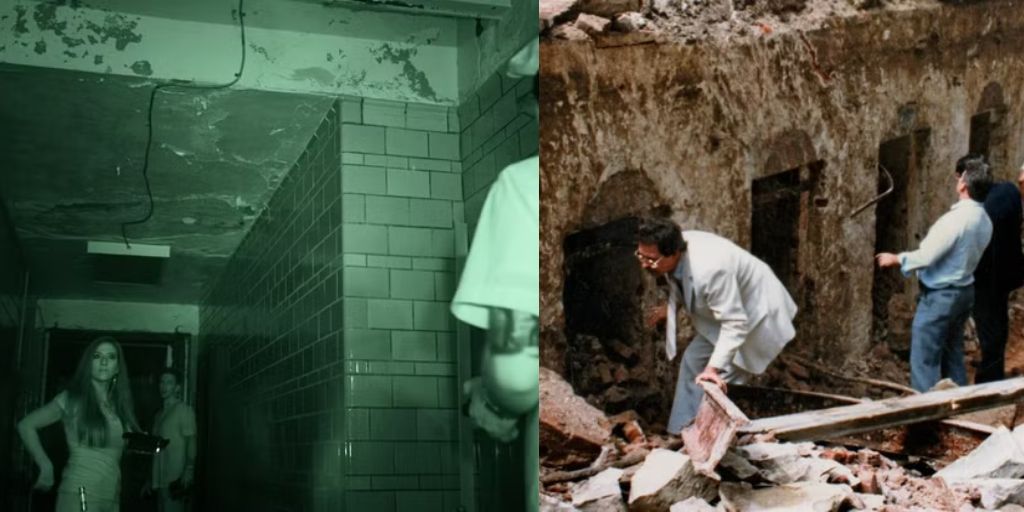
Still from Ghost Hunters (Credit: Discovery+)
For Hawes, Gonsalves, DeBenedetti, and Tango, every encounter is an opportunity to connect with the past.
They work to provide a voice for those who can no longer speak for themselves. By shedding light on the haunting stories within the penitentiary, they hope to bring comfort to both the living and the dead.
The Legacy of Ghost Hunters
“Ghost Hunters” continues to be a beloved series among fans of the paranormal. The revival on Discovery+ has brought back the excitement and intrigue that made the original series so successful.
With Jason Hawes at the helm and a strong team of familiar faces, the show is poised to show new and terrifying locations.
The Missouri State Penitentiary remains a significant site for TAPS, and each investigation uncovers more stories of its haunted past.
As they continue to share their experiences with viewers, the legacy of “Ghost Hunters” lives on. Fans eagerly await each new episode, hoping to witness the next chilling encounter that brings them closer to the unknown.
Additional Information and Viewing Options
Fans of “Ghost Hunters” can catch up on episodes through streaming platforms like Max in the U.S. The revival has gained a new audience while keeping the spirit of the original show alive. Viewers are excited to see where the team will go next and what spooky adventures await them in future episodes.
