Shoplifters (2018), directed by Hirokazu Kore-eda, is a powerful drama centered on a small, unconventional family living in poverty on the margins of Tokyo society. Osamu, a day laborer, shops with his young son Shota using secret signals to steal goods from stores.
They live together in a cramped, run-down apartment along with Nobuyo, Osamu’s partner who works at an industrial laundry, Aki, a teenage worker at a peep shop, and Hatsue, an elderly woman who owns the apartment and supports the family with her deceased husband’s pension.
The family’s life takes a turn when they shelter Yuri, a young girl locked out on her apartment balcony in freezing weather. After suspecting her parents’ abuse of her and disregard for her welfare, they secretly take her in, renaming her Lin and raising her as one of their own.
Yuri slowly bonds with them and learns their ways, including shoplifting, which becomes a means of survival and solidarity rather than mere crime.
The story reveals the secrets and past traumas of each character, including Osamu and Nobuyo’s history of having killed Nobuyo’s abusive ex-husband in self-defense, leading to their social alienation. Hatsue’s financial support comes from her late husband’s son from an affair, adding layers to the family’s fractured foundations.
The Climax: Exposure and Collapse
The fragile life the family has built begins to unravel when Shota deliberately exposes himself while shoplifting, leading to his capture and hospitalization. His intentional failure is a turning point; he abandons the techniques taught by Osamu and appears to want to break free from their way of life.
This moment signals his internal conflict, guilt, and his wavering belief in the morality of their actions.
The authorities descend upon the family, uncovering more than just shoplifting: Hatsue’s death, which they had hidden by burying her in the backyard to continue collecting her pension; the troubled truths behind Nobuyo and Osamu’s past; and Yuri’s disappearance.
This investigation forces the family into public scrutiny and legal reckoning. Despite their love and care for each other, the law sees only broken rules and secrets.
Nobuyo takes responsibility willingly to protect Osamu, who has a prior criminal record, and is sentenced to prison. Shota is placed in an orphanage, and Yuri is returned to her negligent parents, a devastating loss for both the girl and the family who had become her true home.
The ending portrays the harsh consequences of living outside societal norms, especially for those already marginalized.
Ending Explained: Love and Loss in a Harsh World
The ending of Shoplifters is both heartbreaking and quietly hopeful, focusing on themes of family, identity, and survival beyond biology and legality.
Shota, now separated from the people who raised him, grows distant and contemplative. When Osamu visits him at the orphanage and reveals the truth that they had planned to abandon him if necessary, Shota responds with a profound act: he admits he let himself be caught on purpose.
This confession implies a desire to escape the unsustainable life of crime and hidden secrets, signaling his wish for a different future even though it means losing his family.
Osamu’s desperate chase after Shota’s bus shows a mix of regret, love, and the painful reality of losing his role as a father. Shota, looking back and finally acknowledging Osamu as his father, is a tender moment of connection amid their forced separation.
Meanwhile, Yuri’s return to her biological parents, who continue to neglect her, leaves her wistful and isolated, highlighting the film’s critique of societal and familial failings.

Shoplifters (Credit: Prime Video)
Her brief happiness with Osamu’s group contrasts sharply with that neglect, emphasizing the idea that “family” is not always defined by blood but by care and protection.
The family members remain scattered, facing uncertain futures. Nobuyo in prison, Shota and Yuri separated from the only people who loved them, and Osamu left alone. These endings are realistic and sobering, underscoring that love alone does not guarantee societal acceptance or safety.
Themes Reflected in the Ending
Family Beyond Blood: The film challenges traditional ideas of family, showing how deep care, attention, and shared hardship create powerful bonds. Osamu’s family, though not related by blood, functions as a close-knit unit, raising Yuri with kindness and teaching survival skills. This “chosen family” dynamic raises questions about what truly defines family.
Moral Complexity and Survival: Through the acts of shoplifting and concealed truths, the film explores the ethical ambiguities of poverty. Osamu’s justification of stealing “things that nobody owns” shows a survival-driven morality distinct from the law’s black-and-white judgments. Yet, the ending’s consequences reveal the fragility of this system in a society unwilling to tolerate deviation.
The Harshness of Social Systems: The breakup of the family illustrates the rigid forces of justice and social norms. Despite their love, the authorities dismantle the group, reflecting the harsh realities faced by marginalized people who challenge societal expectations.
Loss, Regret, and Unspoken Emotions: Shota and Osamu’s final exchange, the loss of Hatsue without proper mourning, and Yuri’s return to neglect amplify themes of longing and missed opportunities. The film’s quiet moments of regret show how love coexists with pain and sacrifice.
Childhood and Innocence Compromised: Yuri and Shota’s experiences highlight how children endure and adapt to neglect and hardship in different ways. The film emphasizes the damage caused by abuse and the resilience found in found families.
Why This Ending Resonates
Shoplifters leaves its audience with a complex and emotional ending that refuses simple resolutions. The family’s bond shines as a beacon of warmth and humanity amid poverty and legal condemnation, showcasing how love can exist even in flawed, unconventional circumstances.
Yet, the consequences they face are unflinching: social judgment, separation, and the loss of that fragile refuge. The film’s strength lies in balancing empathy for the characters with a realistic portrayal of societal barriers.
Shota’s deliberate capture and Osamu’s devastated pursuit encapsulate the torment of choosing between survival and freedom, between loyalty and the hope for a better life. Yuri’s wistful glance back at the house cements the idea that the family was her true home, even if it could not last.
In these final moments, Shoplifters powerfully questions what it means to belong, love, and endure in a society that often marginalizes those who live outside accepted norms. The film’s ending is a moving meditation on resilience, sacrifice, and the meaning of family beyond biology.
Netflix’s live-action One Piece has quickly become one of the most talked-about adaptations in recent memory, and with its success, the question of how long the series can run is already being raised. In an interview, producers Marty Adelstein and Becky Clements shared their thoughts on the future of the show and how much material there is to cover from the original manga. Their responses gave fans a glimpse of just how ambitious the plans for the series might be.
When asked about the possibility of more seasons, Adelstein did not hesitate to reveal the scale of their hopes. He stated that the team envisions as many as twelve seasons for the live-action adaptation.
According to him, there is simply too much material from the manga to cover in a short run. This bold statement has created a lot of excitement among fans who know just how massive the One Piece story truly is.
Clements also explained further, pointing out the sheer size of the source material. She noted that the One Piece manga has already passed 1,080 chapters, and with that much content, the team has to carefully plan how to divide the story into multiple seasons.
She mentioned that they have been working with writer Matt Owens to figure out how to structure the adaptation so that it captures the essence of the manga while staying manageable as a live-action series. Even if the show ran for six seasons, Clements believes they would probably only cover about half of the manga’s chapters. This shows just how extensive the journey of One Piece really is.

One Piece Franchise (Credits: Eichiro Oda)
One Piece Live-Action Producers Aim for 12 Seasons to Cover Manga’s Epic Story
The producers also made it clear that they see the show having a long future. Clements expressed confidence that reaching at least six seasons would not be difficult, even joking that it would be easy. Her comment highlighted the amount of story still left to explore and the excitement the creative team has for continuing to bring the Straw Hat Pirates’ adventure to life.
What makes this conversation so interesting is the balance between ambition and practicality. While aiming for twelve seasons sounds like a massive goal, the manga’s size makes it seem possible. At the same time, adapting such a long-running and beloved story into live-action is a challenge that requires careful pacing and planning.
The team behind the series seems fully aware of this and is working on strategies to ensure the adaptation remains faithful without rushing through or dragging out the narrative.
Fans of One Piece also understand the scale of the story. Eiichiro Oda’s manga has been running for decades and has built a reputation as one of the most expansive and detailed worlds in manga and anime history.
From the adventures across the seas to the countless islands and characters, the story has no shortage of material. For a live-action adaptation, this provides endless opportunities, but it also demands a steady hand to keep the story engaging while respecting the original.
Netflix’s One Piece Could Run Beyond Six Seasons, Say Showrunners
The fact that Adelstein and Clements are openly discussing the possibility of more than a handful of seasons shows how confident they are in the show’s potential. Netflix is known for being cautious with renewals, often analyzing data closely before committing to long-term plans. For the producers to voice such ambitious hopes means they believe the audience response and the strength of the story are enough to sustain a multi-season journey.
Ultimately, this discussion reflects the enormous task of adapting One Piece. It is not just another series, but a cultural phenomenon with millions of fans worldwide. The idea of twelve seasons might sound overwhelming at first, but when broken down by the number of manga chapters and story arcs, it starts to feel realistic. For fans, it offers hope that the live-action version could eventually cover much of the beloved saga.
Eiichiro Oda has already confirmed he’s deeply involved with Netflix’s One Piece live-action adaptation, and if that series keeps pulling in big numbers, there’s definitely incentive to pace the manga’s conclusion more carefully. Right now, Oda has been hinting at being in the “final saga,” but “final saga” in One Piece terms could easily stretch for years, especially if breaks keep happening due to his health or production demands.
If the live-action continues expanding the fanbase, Oda and Shueisha might strategically slow-roll the ending to maximize impact, keep hype alive, and align with Netflix’s future seasons.

One Piece Franchise (Credits: Eichiro Oda)
In the end, Adelstein and Clements left fans with optimism. Whether the series runs for six seasons, twelve, or somewhere in between, the important thing is that the creators are dedicated to doing justice to the story.
Their excitement about the future mirrors the passion of the fanbase, making it clear that One Piece ’s live-action journey has only just begun. As long as the viewers stay invested and Netflix continues to support the project, the seas ahead for the Straw Hats look full of possibilities.
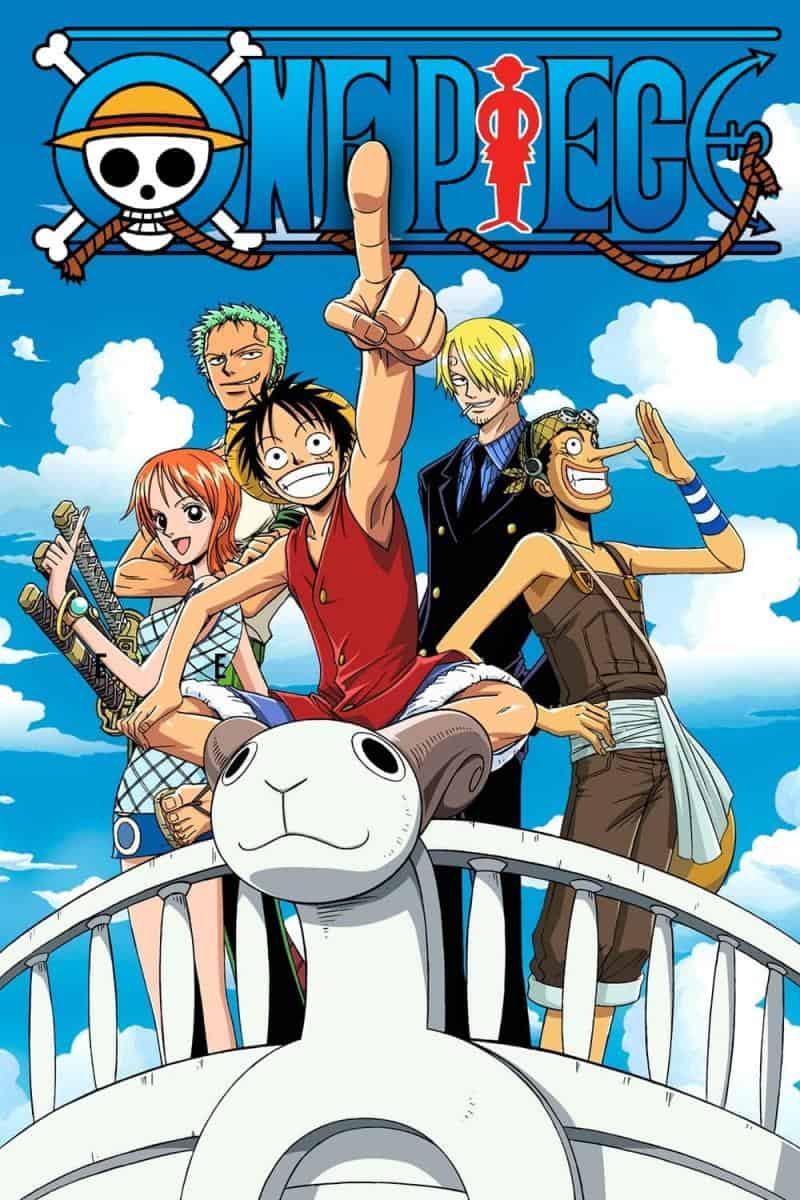
“One Piece” is a beloved Japanese manga and anime series that chronicles the adventures of Monkey D. Luffy and his pirate crew. Luffy, imbued with rubber powers from a mystical fruit Hito Hito no Mi, aspires to become the Pirate King. To achieve this, he seeks the ultimate treasure, the “One Piece,” hidden at the Grand Line’s end. Along the journey, Luffy gathers a diverse crew, confronts formidable foes, and uncovers world-altering secrets, all while promoting themes of friendship, freedom, and adventure.
