Prime Video’s The Lord of the Rings: The Rings of Power has returned for its second season, much to the excitement of its dedicated fan base. This season takes viewers deeper into the storylines of the iconic characters, from the creation of the titular rings by Sauron (played by Charlie Vickers) to the rising political tension in Númenor, and the ever-widening rift between Durin IV (Owain Arthur) and his father.
Season 2 ends with an epic battle in Eregion, showcasing just how much is at stake in Middle-earth. However, despite the grandeur of the plot, the second season falls short due to a familiar problem plaguing many modern fantasy TV series—a season that is simply too short to tell its story effectively.
This article will take a closer look at how the brevity of Season 2 affects The Rings of Power and how this problem reflects a broader trend in the fantasy TV genre. Though the season includes some incredible moments, its eight-hour-long episodes are not enough to cover all the narrative threads that fans of Middle-earth expect and deserve.
The Struggle of Telling a Grand Story in Too Little Time
The struggle of Season 2 lies in its ambitious storyline and limited time. Middle-earth, the world created by J.R.R. Tolkien, is rich and complex, full of different races, lands, and conflicts. To bring such a world to life on screen, the show needs time to develop its characters, settings, and storylines. With only eight episodes, however, The Rings of Power Season 2 doesn’t have the space it needs to do so adequately.
As a result, the show often rushes through important side stories, which prevents viewers from fully investing in them. This creates a sense of incompleteness that hurts the overall narrative. The Rings of Power isn’t the only fantasy show to experience this issue, either. Popular series like House of the Dragon and The Wheel of Time face similar challenges. These shows attempt to tell large, sprawling stories in a short time, which leads to rushed pacing and underdeveloped characters.
In the case of The Rings of Power, the effects of this issue are particularly noticeable because of the richness of Tolkien’s world. The show tries to cover too much ground in too little time, resulting in a lack of depth for many characters and plotlines.
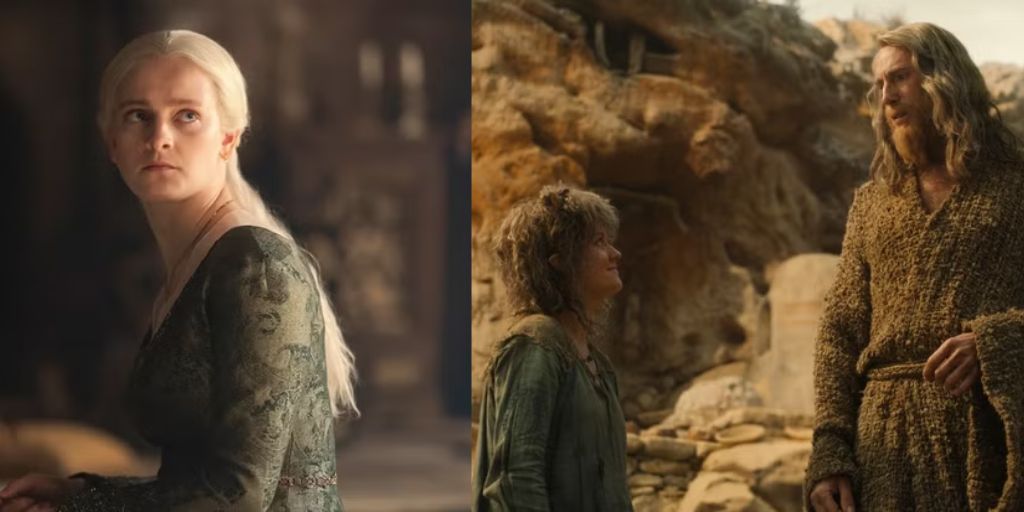
Still from the show (Amazon Prime)
A Problem That Affects the Entire Genre
This problem is not unique to The Rings of Power. Many fantasy shows suffer from the same issue, especially in recent years. As streaming services and networks strive to produce high-quality, big-budget series, they often face financial constraints that lead to shorter seasons. These shorter seasons, in turn, make it difficult for shows to cover all the material they need.
For example, House of the Dragon and The Wheel of Time are two other popular fantasy shows that have been criticized for rushing through their storylines due to their limited episode counts. House of the Dragon faces the challenge of telling a massive, multi-generational story with significant time jumps, leaving viewers feeling like they’re constantly catching up. In The Wheel of Time, a show based on a 14-book series, the short seasons lead to some key characters being sidelined or given less development than they deserve.
All of these shows have one thing in common: they’re trying to tell large stories with a limited number of episodes, and it’s simply not enough. For The Rings of Power, this problem is even more pronounced because Middle-earth is such a detailed and beloved world. Fans expect depth and richness in the storytelling, and they don’t always get it with the rushed pacing of an eight-episode season.
The Rings of Power Season 2: Highlights and Missed Opportunities
In The Rings of Power Season 2, the shortened season creates several missed opportunities for character development and storytelling. For example, the plotline involving the hooded mystics introduced in Season 1 was left underdeveloped and ended with more questions than answers. These characters, who could have played a more significant role, never received the depth of explanation they deserved, leaving viewers unsatisfied.
The second season also introduced a new villain, the Dark Wizard, played by Ciarán Hinds. However, due to the lack of time, this character’s presence felt minimal, and his development fell short. Villains are often important to a fantasy story, and when they are not given enough screen time or depth, it diminishes the tension and stakes of the plot.
One of the most glaring examples of rushed storytelling in Season 2 is the Rhûn plotline, which follows Nori (Markella Kavenagh) and the Stranger (Daniel Weyman). Despite being major characters in Season 1, they were notably absent from several episodes in the second season. This lack of focus on key characters is a significant problem, as it weakens the audience’s emotional connection to the story.
Moreover, Valandil’s (Alex Tarrant) death could have been a much more impactful moment if the show had been able to spend more time developing his relationship with Isildur (Maxim Baldry). Instead, the show had to remind the audience that Valandil was Isildur’s friend, which diluted the emotional weight of the scene.
Similarly, Eärien (Ema Horvath) had a compelling storyline in Season 2, where she struggled between her political loyalties and her family, but this plot was only briefly touched upon and not dealt in depth.
Theo (Tyroe Muhafidin), who seemed set up for a major storyline involving his connection to Sauron, was pushed to the background in Season 2. His character’s grief over his mother’s death was not given the screen time it deserved, as the show instead focused on other characters like Isildur and Arondir (Ismael Cruz Córdova) in the Pelargir storyline. Important questions about Theo’s mysterious mark and what Eärien saw in the palantír were also left unanswered due to the lack of time.
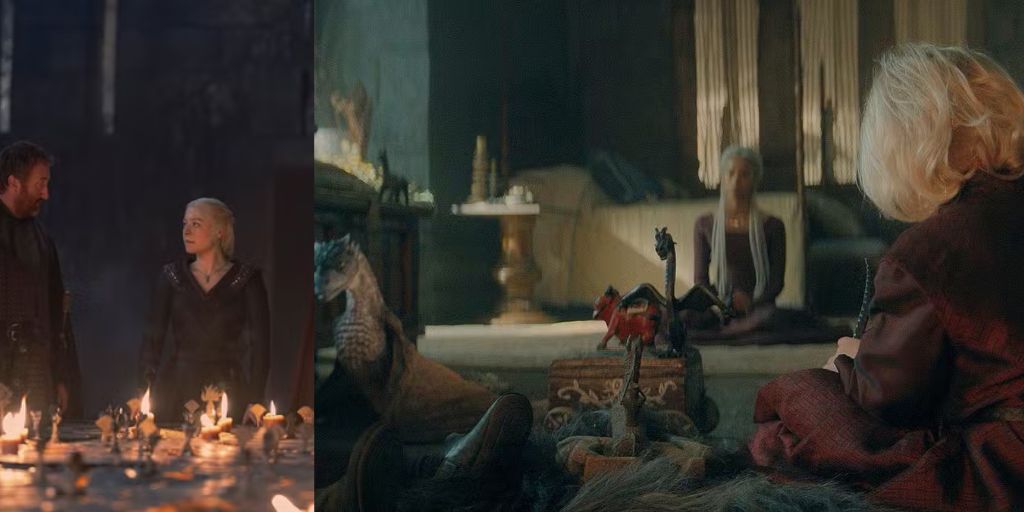
Still from the episode (Amazon Prime Video)
The Widespread Nature of This Problem in Fantasy TV
The Rings of Power is far from the only fantasy show to suffer from these issues. Fantasy series across the board, particularly those on streaming platforms, have adopted a trend of short seasons, typically ranging from eight to ten episodes. While this format works for some genres, fantasy shows, which tend to feature expansive worlds and complex storylines, often struggle to fit everything in.
For instance, The Wheel of Time faced similar challenges in adapting its vast 14-book series into a limited number of episodes. The show had to make significant cuts, and even the storylines that were included sometimes felt incomplete.
Perrin (Marcus Rutherford), a key character in the books, was sidelined in Season 2, and his connection with the wolves—a major part of his character—was barely touched upon. Similarly, crucial elements like the dream, Tel’aran’rhiod, and the Whitecloaks were not given enough screen time to make a lasting impact.
House of the Dragon also struggled with time constraints, particularly in its first season, where major time jumps left audiences feeling disoriented. Characters aged rapidly, relationships grew off-screen, and plotlines were resolved too quickly. Though the show gained momentum in its second season, it was still limited by an eight-episode order, down from the ten episodes in its first season.
This resulted in some characters being underused, including important figures like Daeron, who hasn’t even been introduced yet, and Helaena Targaryen, whose visions of the future were downplayed until they became crucial in the finale.
The rushed pacing and lack of time to develop secondary characters or side plots detract from the overall viewing experience in these fantasy shows. While the main storylines often get the attention they need, the world-building and character development suffer, leaving viewers feeling like they’ve missed important pieces of the puzzle.
Why Do Fantasy Shows Have Short Seasons?
The trend of shorter seasons isn’t limited to fantasy shows, but it is more noticeable in this genre because of the vastness of the worlds being portrayed. Streaming platforms, in particular, have embraced shorter seasons, often ranging from eight to ten episodes. While this format can work well for some genres, fantasy shows often require more time to tell their stories effectively.
There are several reasons why these big-budget fantasy shows have adopted shorter seasons. First and foremost, there’s the issue of cost. Fantasy series like The Rings of Power are expensive to produce, with their elaborate sets, special effects, and large casts. By limiting the number of episodes, studios can keep production costs down. Fewer episodes mean less time spent filming, editing, and creating CGI, all of which are significant cost factors.
For a show like The Rings of Power, which is one of the most expensive series ever made, the decision to limit the season to eight episodes may have been a financial one. However, this cost-saving measure comes at a price—the story suffers, and the audience misses out on the depth and richness that a longer season could provide.
Another reason for shorter seasons is that they help prolong the lifespan of a series. By spreading out the story over several seasons with fewer episodes per season, studios can keep audiences coming back for more. However, this approach often means that each season ends with unresolved plotlines, leaving viewers feeling unsatisfied.
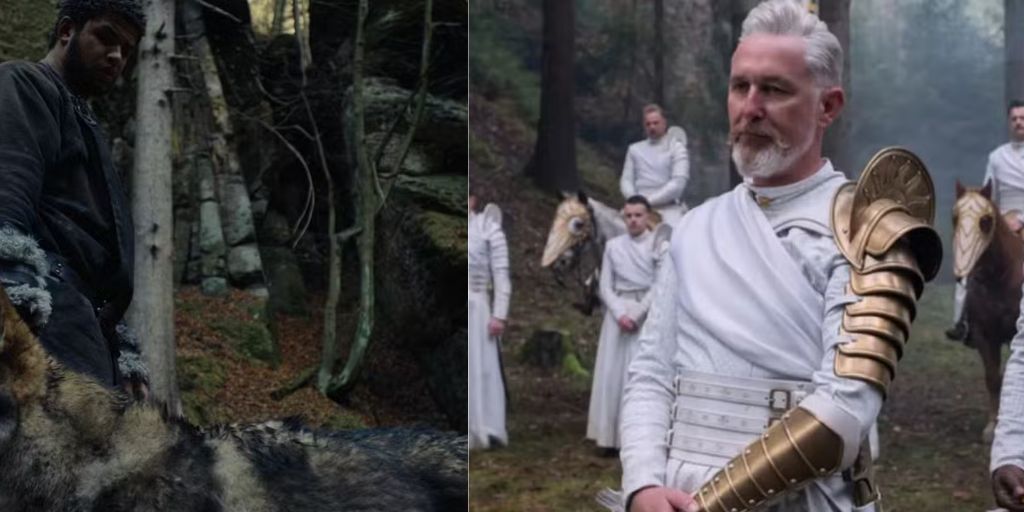
Still from the show (Amazon Prime Video)
How Could This Problem Be Solved?
The most obvious solution to the problem of rushed fantasy shows is to simply add more time. If series like The Rings of Power, House of the Dragon, and The Wheel of Time had longer seasons, they would have more space to develop their characters, find side stories, and flesh out the details of their worlds. However, this solution is not as simple as it seems, primarily due to the high cost of producing these shows.
A more practical solution might be to focus on fewer storylines within each season. Instead of trying to juggle five or six different plots, shows could concentrate on two or three and give them the attention they need. This would allow for more character development and deeper coverage of the world, without stretching the narrative too thin.
Newer series could learn from the challenges faced by The Rings of Power and other fantasy shows. By starting with a more contained story and gradually expanding it over time, they could avoid some of the pitfalls of trying to do too much too quickly. However, for existing shows, significant changes would be required to solve these problems, including wrapping up or combining storylines to streamline the narrative.
The Lord of the Rings: The Rings of Power has an enormous story to tell, and its second season delivers many exciting moments. However, the eight-episode format limits the show’s ability to fully develop its characters and storylines, leaving viewers wanting more.
This issue is not unique to The Rings of Power, but it’s a widespread problem in the fantasy genre. As big-budget series continue to grapple with the challenge of telling expansive stories in limited time, the question remains: will they find a way to overcome these hurdles and deliver the depth and richness that fantasy fans crave? Only time will tell.
The Lord of the Rings: The Rings of Power Season 2 offers an exciting look into Tolkien’s world, but its eight-episode format leaves much to be desired. With so many characters and storylines to cover, the show struggles to develop its narrative fully, resulting in rushed pacing and underdeveloped plots. This issue isn’t unique to The Rings of Power—fantasy series like House of the Dragon and The Wheel of Time face similar challenges as they attempt to tell vast stories in too little time.
The main problem lies in the high production costs of fantasy shows. Big budgets, complex CGI, and large casts often limit how many episodes a series can produce, resulting in shorter seasons. While this can help extend the longevity of a series, it comes at the expense of storytelling depth. The most practical solution might be for these shows to focus on fewer plotlines, giving each one the time it deserves.
Ultimately, for fantasy shows to truly thrive, they need to find a balance between epic storytelling and the constraints of production. Only by addressing these challenges can they deliver the immersive, character-driven narratives that fans expect and love.
The thrilling conclusion of Slow Horses season 4 just aired, leaving fans buzzing with excitement. The finale expertly combined action and tension, offering a attracting experience for viewers.
The first half of the finale was filled with suspense and kept audiences on the edge of their seats, while the latter half focused on wrapping up storylines and setting the stage for Season 5. This balance between intense drama and character development is what has made Slow Horses a fan favorite since its inception.
Throughout its four-season run, Slow Horses has provided exceptional entertainment, attracting audiences with its blend of humor, intrigue, and complex characters. The show is based on the Slough House series of novels by Mick Herron, which has garnered a dedicated following worldwide.
One of the key elements that make this series so enjoyable is its ability to deliver a gripping narrative while maintaining a distinct tone that keeps viewers guessing.
At the center of this thrilling story is Jackson Lamb, portrayed by the talented Gary Oldman. Lamb is a gruff, unkempt, and witty character who leads the misfit team of spies at Slough House. Oldman’s portrayal of Lamb has become the backbone of the series.
His ability to balance humor with a tough exterior makes Lamb a compelling character that fans love to watch. This portrayal has led many viewers to wonder about Lamb’s past and what might have shaped him into the person he is today.
Fans Want More of Jackson Lamb
As the popularity of prequels and sequels continues to rise in television and film, it is only natural for fans to express interest in a prequel that shows Jackson Lamb’s younger years.
The idea of learning more about his backstory and how he became the head of Slough House is enticing. However, this notion raises an interesting question: would a prequel enhance the character or detract from the mystery that makes him so fascinating?
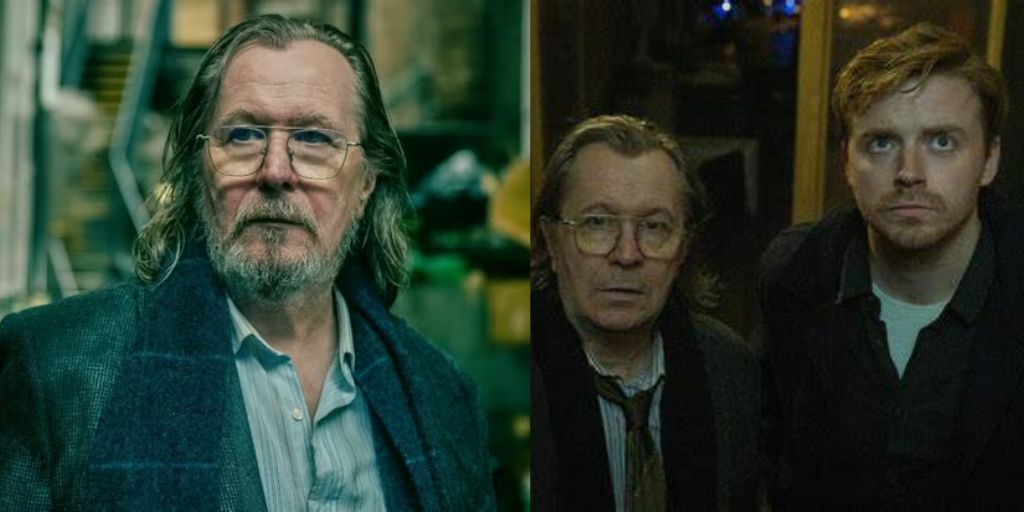
Still from Slow Horses (Credit: Apple TV)
Will Smith, the showrunner and writer of Slow Horses, recently weighed in on this debate. In an interview with The Wrap, he shared his thoughts on the possibility of creating a prequel series focused on Lamb. Smith stated, “I don’t think people would want that.”
He elaborated on the discussions he had with Mick Herron, the author of the original novels. “Early on, Mick and I used to joke about that, and he used to be quite vehemently against it. And for exactly the reasons you say: It’s the fascination with Lamb.”
The Magic of Mystery
Smith’s insights go into a critical aspect of storytelling: the importance of mystery. Sometimes, providing a character’s backstory can diminish the intrigue that surrounds them. He explained that revealing too much about a character can strip away “some of the magic.”
He believes that viewers often prefer to hold on to a sense of mystery, stating, “You think, ‘I don’t really want the explanation, because I quite like the mystery and the suspense. I like the not-knowing.’ And it loses something to explain it.” This perspective resonates with many fans who enjoy the allure of not fully understanding a character’s motivations and history.
The delicate balance of revealing just enough information to keep viewers interested, while not giving everything away, is a hallmark of successful storytelling.
Smith’s commitment to maintaining the mystery around Jackson Lamb speaks to his understanding of what makes the character and the series so engaging. Fans have come to love the unpredictable nature of Lamb, and providing a prequel could risk changing that dynamic.
The Slow Horses series has become a remarkable success, not just for its gripping plot but also for its character-driven storytelling.
The chemistry among the cast, combined with the sharp writing and engaging direction, has created a show that resonates with viewers. The complexity of each character, including Lamb, is part of what has captured the attention of the audience.
The Challenge of Casting a Younger Lamb
Another intriguing aspect of the discussion around a potential prequel is the challenge of casting a younger version of Jackson Lamb. Many fans have strong feelings about the character and how he is portrayed. Smith commented on this by stating that it would be “tricky” to tell Lamb’s backstory. He emphasized the idea that “I don’t think you could cast a different actor. You just can’t. Gary is Lamb, that’s it.”
Oldman’s performance has become so synonymous with the character that imagining anyone else in the role feels impossible for both fans and creators. Smith further elaborated, saying, “I just cannot imagine anyone doing Jackson Lamb with [a younger actor].
You have to go, okay, ‘Who’s the young Gary Oldman?’ And Gary is Gary is Gary.” This highlights the unique and irreplaceable quality that Oldman brings to the character.
The notion of casting a younger actor raises significant challenges. Not only would the actor need to capture the essence of Jackson Lamb, but they would also have to embody the spirit and complexities that Oldman has brought to the role.
The expectations for such a casting decision would be incredibly high, making it a daunting task for any actor. Smith’s acknowledgment of this difficulty underscores his commitment to honoring the character as it exists.
Maintaining the Series’ Integrity
As Slow Horses continues to gain popularity, the creators need to maintain the integrity of the series. With all seasons now available to stream on Apple TV+, the show has reached a wider audience, drawing in new fans while retaining its original viewer base.
The ongoing discussions about the future of the series and the character of Jackson Lamb demonstrate a thoughtful approach to storytelling.
The decision not to pursue a prequel series focused on Lamb seems to align with the overarching goal of preserving the show’s unique qualities. Instead of diluting the character’s mystique, the creators can continue to show the existing narrative and develop Lamb further within the current storyline.
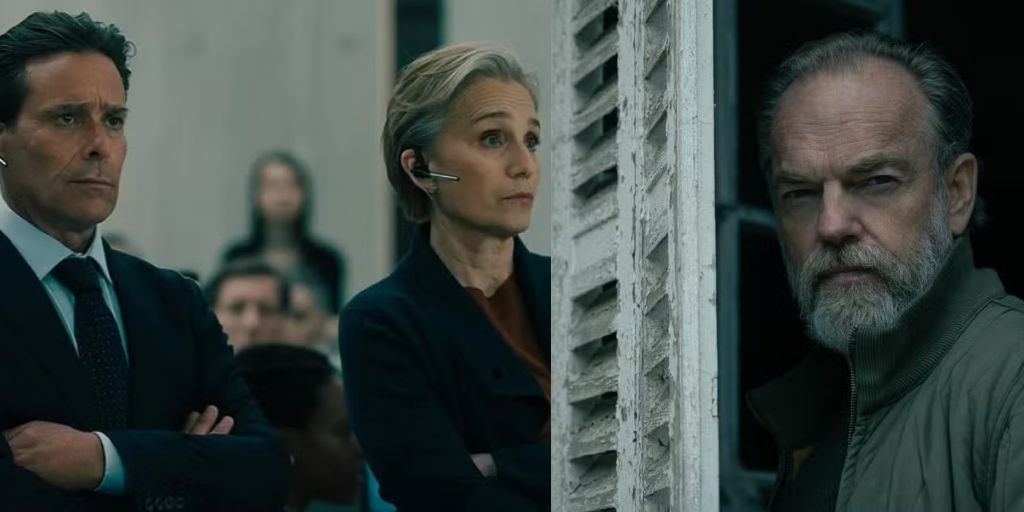
Still from Slow Horses (Credit: Apple TV)
This approach allows for rich character development without the need to go into the past, keeping the focus on the present and the challenges Lamb and his team face.
Conclusion
Slow Horses season 4 ended with a thrilling finale that attracted audiences and set the stage for future storylines. The series has thrived on its ability to combine suspense, humor, and complex character development. Gary Oldman’s portrayal of Jackson Lamb has become a cornerstone of the show, making any discussion of a prequel both fascinating and complex.
Will Smith’s insights on the potential of a prequel series reveal the importance of mystery in storytelling and highlight the challenges of casting a younger version of such an iconic character.
As the series continues to evolve, it remains focused on delivering engaging content while respecting the characters that fans have come to love. With all seasons available for streaming, viewers can continue to enjoy the thrilling world of Slow Horses and the enigmatic figure of Jackson Lamb.
As fans eagerly anticipate Season 5, the mystery surrounding Jackson Lamb will remain a vital part of what makes Slow Horses such a compelling series. The show’s ability to balance suspense with character-driven storytelling ensures that audiences will stay engaged and excited for what comes next.
