A legal battle is underway in the United States to determine whether ecchi anime series like High School DxD should be classified as pornographic material. The case has sparked intense debate among legal experts, free speech advocates, and anime enthusiasts, highlighting the complex intersection of art, law, and societal values.
The U.S. legal system has grappled with the status of fictional depictions of minors in sexual contexts. The PROTECT Act of 2003 criminalizes certain obscene visual representations of minors, including drawings and cartoons, if they are deemed obscene under the Miller test.
Legal Context and Precedents

High School DxD
This test evaluates whether the material appeals to prurient interests, depicts sexual conduct in a patently offensive way, and lacks serious literary, artistic, political, or scientific value. Notably, the Act distinguishes between actual child pornography and fictional depictions, with the latter requiring an obscenity determination.
In previous cases, individuals have faced convictions for possessing obscene anime and manga. For instance, in 2005, Dwight Whorley was convicted of receiving and distributing obscene Japanese anime cartoons depicting minors in sexual situations. Similarly, in 2008, Christopher Handley pleaded guilty to possessing obscene manga, resulting in a six-month prison sentence.
Implications for the Anime Community

High School DxD
The current case has significant implications for the anime community. Classifying ecchi anime as pornographic could lead to stricter regulations on the distribution and consumption of such content, affecting both creators and fans. Supporters of the classification argue that it is necessary to protect societal morals and prevent potential harm, while opponents contend that it infringes on artistic freedom and free speech.
Legal experts note that the outcome of this case could set a precedent for how fictional content is treated under U.S. law. The challenge lies in balancing the protection of minors and societal values with the rights to free expression and artistic creation.
As the legal proceedings continue, the anime community remains divided, with passionate arguments on both sides regarding the classification of ecchi anime and its place within the broader context of media and culture.
A coalition of religious advocacy groups has launched a campaign to remove Demon Slayer from U.S. streaming services and retail shelves. The groups argue that the series, which features demon-hunting and supernatural themes, promotes satanic content disguised as entertainment. Their claims quickly gained traction online, fueling a firestorm of commentary from critics and supporters alike.
The movement has drawn both applause and outrage, with parents praising the call for “cleaner media” while anime fans condemn it as a fear-fueled attack on fiction. The controversy echoes past clashes over anime content, but this time the focus is on one of the most globally popular series, pushing the conversation beyond niche fandoms into mainstream culture.
Controversy Over Demon Themes
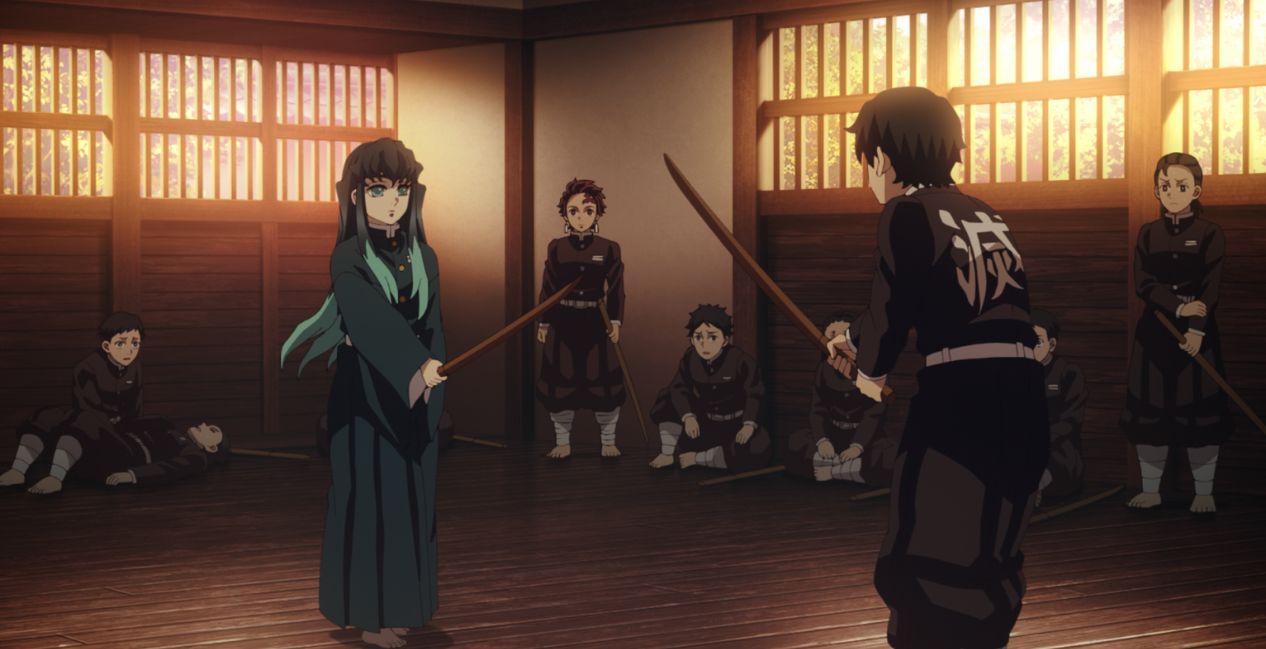
Demon Slayer
Faith-based organizations claim the show’s depiction of demons, blood rituals, and spirit realms creates a “gateway” that could mislead vulnerable teens. They argue that dressing occult ideas in stylized animation normalizes what they call spiritual corruption. Critics of the anime believe these visual elements trivialize evil and blur the moral lines between good and bad.
Online petitions and video essays have since circulated, accusing the creators of using beautiful visuals and emotional storytelling to “sugarcoat spiritual warfare.” These voices are urging parents to block access and lobby for regulatory action on anime platforms, comparing the show’s influence to “soft indoctrination” into mysticism.
Artistic Vision or Dangerous Media?
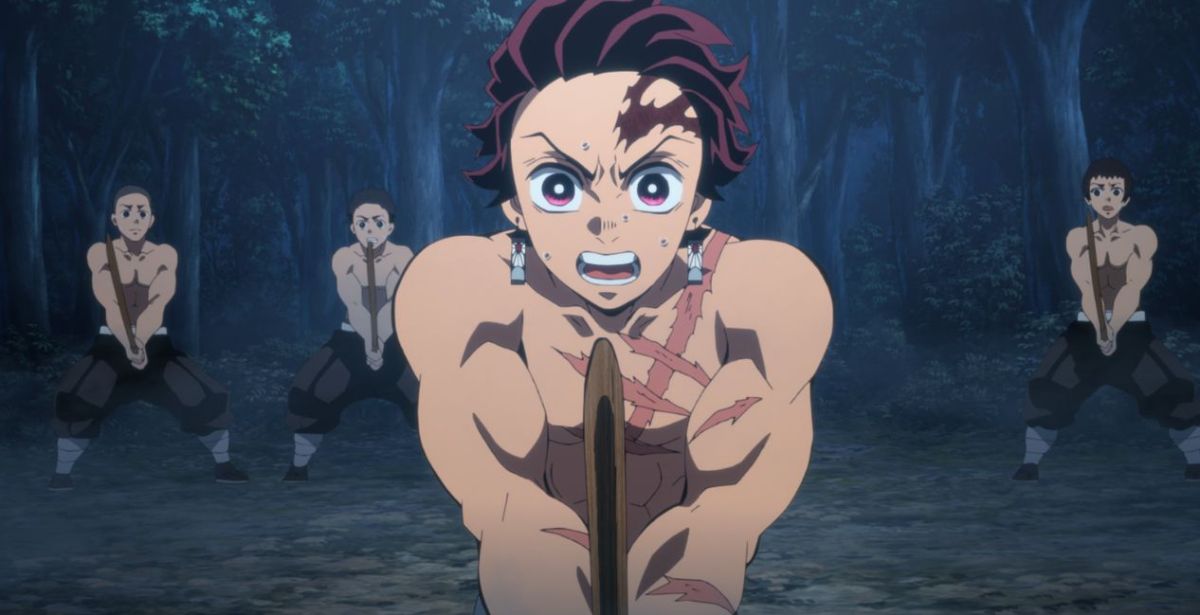
Demon Slayer
In response, fans and creators defend Demon Slayer as a fictional work that explores trauma, sacrifice, and hope. They note the show’s moral clarity—its heroes fight demons to protect others, not celebrate evil. Artists and anime critics argue that religious imagery is common in Japanese media, not intended to proselytize but to build mythic narratives.
Supporters also stress the cultural disconnect—what Western viewers might interpret as demonic often reflects Shinto or Buddhist folklore in Japan. Many fans argue that interpreting these fantasy elements as dangerous ignores the show’s core themes of love, duty, and grief, reducing rich storytelling to a fear-based reading.
Old Fears, New Battlegrounds
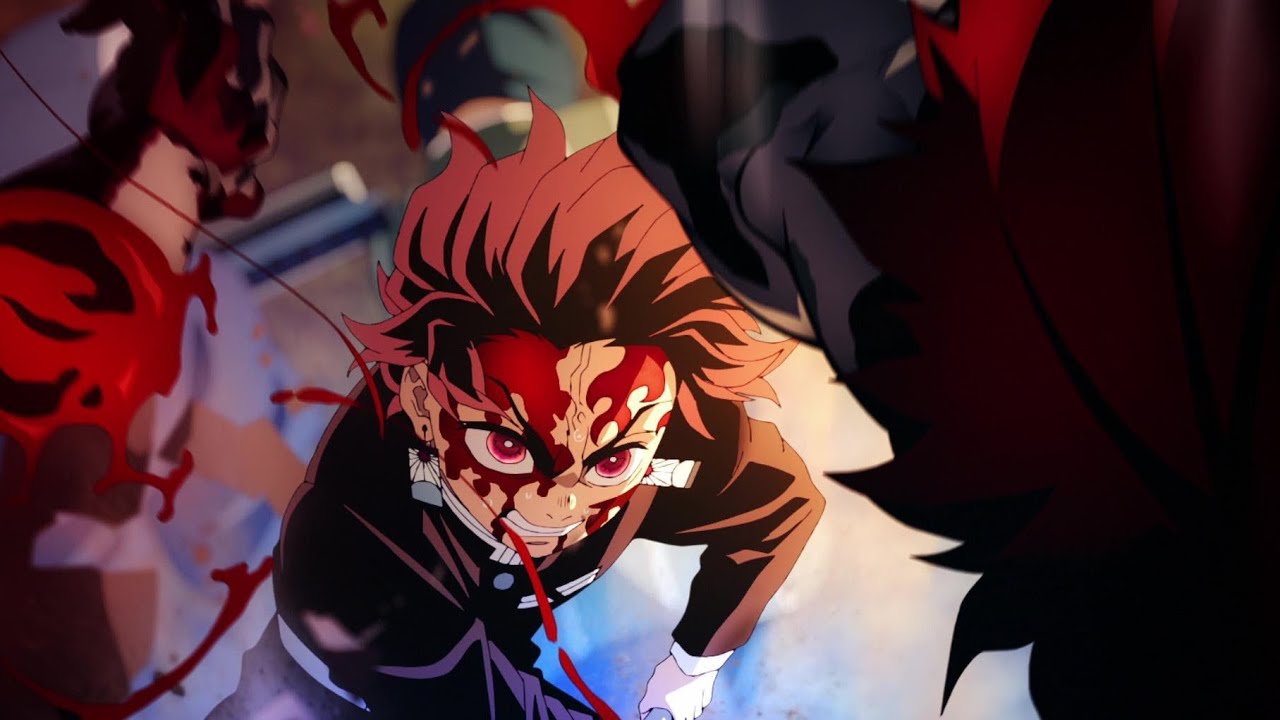
Tanjiro | Demon Slayer Season 4 (Credits: Ufotable)
This clash reflects a broader generational and cultural divide over media literacy. Some parents view fantasy stories as subversive or manipulative, while younger audiences see them as metaphorical tools to process real-life struggles. With Demon Slayer’s reach spanning millions of households, the friction between moral guardians and anime fans may only intensify.
As this debate unfolds, it raises questions about artistic boundaries, religious influence, and who gets to decide what content is appropriate for the public. Whether Demon Slayer ends up censored or defended, the controversy has reignited a longstanding battle over anime’s place in global culture.
