October 11, 2024, marks the 50th anniversary of Tobe Hooper’s groundbreaking horror film The Texas Chain Saw Massacre, a movie that forever changed the way audiences experience terror on the big screen.
Released in 1974, it offered a raw, disturbing vision of horror that didn’t rely on excessive gore but instead created an atmosphere of dread through its gritty cinematography, eerie sound design, and chilling performances.
The film introduced one of horror’s most iconic villains, Leatherface, played by Gunnar Hansen, and spawned a franchise that continues to this day. With nine entries in total, none have quite lived up to the groundbreaking original, but all of them owe their existence to the brutal genius of Hooper’s first installment.
Despite its low budget and minimal special effects, The Texas Chain Saw Massacre has become one of the most influential horror films in cinema history. The closing scene, with Leatherface frantically waving his chainsaw against the backdrop of a burnt-orange sunrise, is one of the most iconic moments in movie history.
Another unforgettable shot is Pam (played by Teri McMinn) walking toward the Sawyer house, completely unaware of the horror awaiting her inside. These images, along with the film’s masterful storytelling and eerie atmosphere, helped solidify The Texas Chain Saw Massacre as a horror masterpiece.
As the years have passed, the movie’s influence has only grown, inspiring generations of filmmakers and leaving a lasting mark on the horror genre. To show this influence, Swiss director Alexandre O.
Philippe has created Chain Reactions, a documentary that examines not the making of The Texas Chain Saw Massacre but the lasting legacy it has left on cinema as a whole. Through interviews with filmmakers, actors, and critics, Chain Reactions goes into how Hooper’s masterpiece shaped the horror view and why it continues to resonate with audiences 50 years later.
Patton Oswalt: A True Superfan of The Texas Chain Saw Massacre
One of the most engaging parts of Chain Reactions is its interview with comedian and actor Patton Oswalt. While Oswalt may not be a filmmaker or a film historian, his passion for The Texas Chain Saw Massacre shines through in every moment of his segment. Oswalt, who has long been a vocal fan of the movie, provides a unique perspective as a superfan who deeply understands the nuances of horror cinema.
The documentary begins with a clip from one of Oswalt’s ‘90s stand-up performances, in which he declares that The Texas Chain Saw Massacre has the best movie title of all time. He argues that the title alone creates an entire movie in the mind of the audience before they even see a single frame.
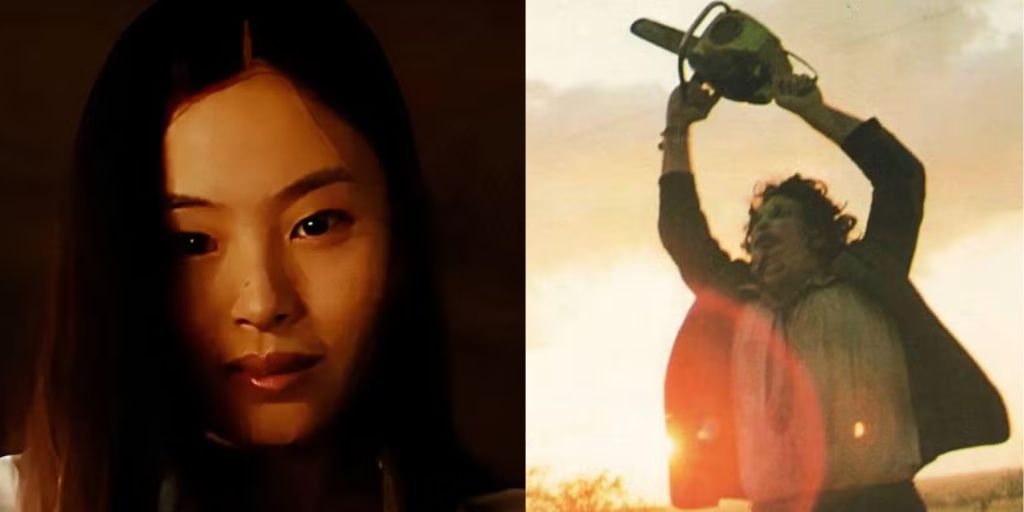
Still from Chain Reactions (Credit: Fox)
The sheer brutality of the words “chain saw massacre” leaves nothing to the imagination, setting the stage for the carnage to come. Oswalt’s excitement for the movie is palpable, and his interview serves as the perfect introduction to the documentary, establishing a tone of passionate reverence for Hooper’s work.
Oswalt recalls his first experience with horror films, describing how he watched Nosferatu at a young age and was terrified by its haunting imagery. That early experience left a lasting impression on him, igniting a lifelong love of the horror genre.
His admiration for The Texas Chain Saw Massacre runs deep, and he praises Hooper’s ability to create a film that is both terrifying and artistically profound.
Oswalt’s segment captures the pure joy of being a fan, and his enthusiasm is infectious. Even those who may not typically enjoy horror films will appreciate Oswalt’s sincere love for the genre and his admiration for the artistry behind it.
Oswalt’s excitement extends beyond just the surface-level thrills of the movie. He articulates the deeper meaning behind even the smallest details, like the unsettling sound of the generator in the background or the unnerving quiet that fills certain scenes.
His analysis of The Texas Chain Saw Massacre highlights the subtle techniques Hooper used to create an atmosphere of fear, proving that the film’s power lies not just in its brutality but also in its careful craftsmanship.
Takashi Miike: A Filmmaker Influenced by Leatherface
After Oswalt’s exuberant praise, the documentary shifts to Japanese filmmaker Takashi Miike, whose works are renowned for their extreme depictions of violence.
Miike recounts his first experience with The Texas Chain Saw Massacre, explaining how he went to see it by accident when the movie he intended to watch, Charlie Chaplin’s City Lights, was sold out. What started as a mistake became a pivotal moment in Miike’s career, shaping the way he approached violence and horror in his own films.
Miike’s body of work, which includes such films as Audition and Ichi the Killer, shares many thematic and stylistic similarities with The Texas Chain Saw Massacre. Both directors use violence not as a gratuitous spectacle but as a means of showing deeper psychological and societal fears.
Chain Reactions expertly intercuts scenes from Miike’s films with moments from The Texas Chain Saw Massacre, demonstrating how Hooper’s portrayal of bodily harm influenced Miike’s own approach to violence in cinema.
Miike also provides a valuable outsider’s perspective, comparing the cultural differences between American and Japanese horror.
While both countries have their own unique styles of horror, The Texas Chain Saw Massacre proved to be universally influential. Miike explains how Hooper’s film transcends cultural boundaries, showing that the fear of violence and the unknown is a universal human experience.
One particularly insightful observation Miike makes is the way Hooper portrays violence as something random and chaotic, rather than as something that can be easily explained or understood.
In many ways, this reflects the chaotic nature of Leatherface himself, who isn’t driven by a coherent motive but rather by a primal urge to kill. Miike’s analysis adds depth to the understanding of Hooper’s work, illustrating how The Texas Chain Saw Massacre tapped into something primal and terrifying in its portrayal of violence.
Alexandra Heller Nicholas: A Visual and Cultural Analysis
Australian film critic Alexandra Heller Nicholas offers a refreshing perspective on The Texas Chain Saw Massacre, focusing on the film’s visual language and its cultural impact.
As the first woman to be interviewed in the documentary, Nicholas brings a much-needed female perspective to the conversation, analyzing the way the film portrays gender and violence. Her insights go beyond the surface-level horror elements, going into the deeper themes that run through the film.
Nicholas examines the use of color in The Texas Chain Saw Massacre, specifically the dominant yellows and reds that appear throughout the film. These colors, she argues, are not just aesthetic choices but also serve to heighten the film’s sense of unease and impending doom.
Nicholas compares these visual elements to those found in Australian cinema of the 1970s, noting how both American and Australian filmmakers used color to convey psychological and emotional tension.
Nicholas also discusses how different formats of the film, such as VHS tapes or television broadcasts, can drastically alter the viewing experience. She explains that the grainy quality of VHS copies actually enhances the film’s gritty, documentary-like feel, making the violence and horror feel more immediate and real.
On the other hand, watching the film in high definition on a modern TV can sometimes distance the viewer from the raw intensity of the original experience. This analysis underscores how important the medium can be in shaping a film’s impact on its audience.

Still from Chain Reactions (Credit: Fox)
Nicholas’s segment is particularly valuable because it moves the conversation beyond just Leatherface and his iconic chainsaw.
While the film’s violence is certainly a key part of its legacy, Nicholas’s visual and cultural analysis shows that The Texas Chain Saw Massacre is also a deeply complex work of art that uses every element of filmmaking—from color to sound to editing—to create a visceral emotional response.
Stephen King: The Master of Horror Weighs In
When it comes to horror, few names are as iconic as Stephen King, and his inclusion in Chain Reactions adds an extra layer of credibility to the documentary.
However, while King’s insights are interesting, his interview lacks the focus and cohesion of the others. King’s conversation jumps between topics, moving from his thoughts on The Texas Chain Saw Massacre to his personal experiences with Tobe Hooper to tangents about The Evil Dead.
Despite this lack of structure, King’s segment is still valuable because it offers a view into the mind of one of horror’s greatest writers. His deep understanding of the genre allows him to articulate why The Texas Chain Saw Massacre is so effective at terrifying audiences.
He explains that the film’s power lies not just in its violence but in its ability to tap into deep, primal fears. King’s observations about how horror movies can terrify us by making the familiar seem strange and dangerous are particularly insightful, and they help to contextualize the lasting appeal of The Texas Chain Saw Massacre.
However, King’s segment would have benefitted from a tighter focus. While his thoughts on The Evil Dead and other horror films are interesting, they detract from the main subject of the documentary.
An interview with someone like Robert Englund (Freddy Krueger) or another horror icon might have been more relevant, providing a clearer connection to The Texas Chain Saw Massacre.
Karyn Kusama: Analyzing the American Roots of The Texas Chain Saw Massacre
The final interviewee in Chain Reactions is horror filmmaker Karyn Kusama, known for films like The Invitation and Jennifer’s Body. Kusama’s segment brings a modern perspective to the discussion, analyzing how The Texas Chain Saw Massacre reflects American fears and societal issues.
According to Kusama, Hooper’s portrayal of the Sawyer family serves as a microcosm of larger societal anxieties surrounding masculinity, violence, and the breakdown of the traditional American family.
Kusama argues that the film’s characters are not simply monstrous; they are a reflection of a deeper psychological and societal breakdown.
The Sawyers are a family in chaos, and their dysfunction echoes the anxieties of a nation grappling with the loss of traditional values. This theme is especially relevant today, as contemporary society continues to grapple with issues of violence, identity, and family dynamics.
Kusama’s analysis of The Texas Chain Saw Massacre serves as a bridge between the film’s impact in the 1970s and its relevance in today’s cultural view. She highlights how the fears presented in the film are not merely relics of the past but are still very much alive in modern society.
This connection makes the documentary feel timely and important, as it encourages viewers to reflect on how the themes of The Texas Chain Saw Massacre resonate with ongoing conversations about masculinity and violence in contemporary culture.
The Lasting Impact of Chain Reactions
Chain Reactions is more than just a documentary about The Texas Chain Saw Massacre; it is a tribute to the lasting impact of Hooper’s film on the horror genre and cinema as a whole.
By focusing on the ripple effects created by The Texas Chain Saw Massacre, the documentary highlights how the film has influenced a diverse range of filmmakers, actors, and critics.
Rather than relying on archival footage or behind-the-scenes interviews, Chain Reactions allows its participants to share their personal memories and insights, proving that anyone can have a meaningful opinion on a film, regardless of their background or profession.
The documentary emphasizes the cultural significance of The Texas Chain Saw Massacre and how it continues to shape the horror genre today. By showing the personal connections filmmakers have to the film, Chain Reactions successfully conveys the deep love and admiration many hold for Hooper’s work.
This is evident in Oswalt’s enthusiastic praise, Miike’s reflections on violence, Nicholas’s visual analysis, King’s insights into horror, and Kusama’s modern interpretation of the film’s themes. Each interview adds a unique layer to the documentary, creating a comprehensive scheme of the film’s legacy.
The Power of the Original Film
While Chain Reactions is an insightful look at the impact of The Texas Chain Saw Massacre, it does miss some key aspects of the film’s original success. The documentary doesn’t goes deeply into the challenging production process or the contributions of the cast and crew.
For instance, Gunnar Hansen’s portrayal of Leatherface could have been shown in greater detail, highlighting how his performance influenced future generations of horror actors.
Hansen’s role as Leatherface is important to understanding the film’s impact. His embodiment of the character added layers of complexity that have since shaped how audiences perceive horror villains.
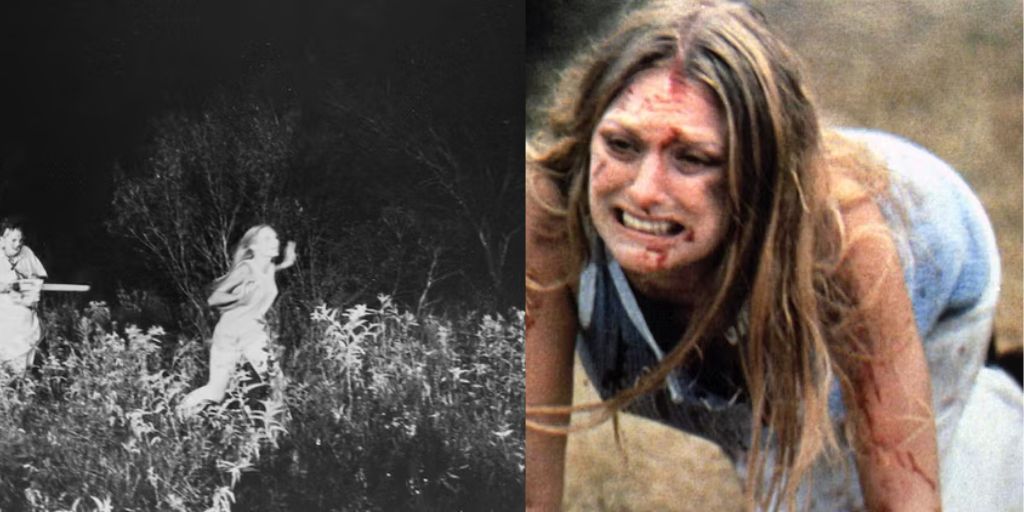
Still from Chain Reactions (Credit: Fox)
A deeper examination of Hansen’s approach to the character, as well as his working relationship with Hooper, could have enriched the documentary’s scheme of the film’s legacy.
Additionally, while Chain Reactions offers fascinating insights into how The Texas Chain Saw Massacre continues to inspire filmmakers, it could have benefited from a discussion of how the film’s themes resonate with contemporary issues, such as the portrayal of violence in media and societal anxieties surrounding masculinity and identity.
Conclusion: A Masterpiece That Redefined Horror
Despite these missed opportunities, Chain Reactions is a powerful reflection on the enduring legacy of The Texas Chain Saw Massacre. Tobe Hooper’s groundbreaking film, made on a shoestring budget, has become one of the most iconic horror movies in history. It has shaped the view of the genre, influencing countless filmmakers and audiences alike.
As we celebrate 50 years of The Texas Chainsaw Massacre, it’s clear that its impact is far-reaching and profound. From Oswalt’s exuberant love for the film to Kusama’s modern analysis of its themes, Chain Reactions captures the essence of what makes Hooper’s work so enduringly relevant.
The film remains a touchstone for horror lovers and filmmakers, a reminder of the power of storytelling and the ability of cinema to show the darkest corners of human existence.
In a place that continues to grapple with violence, fear, and identity, The Texas Chain Saw Massacre stands as a timeless classic—a film that not only defined a genre but also pushed the boundaries of what horror can achieve.
The documentary Chain Reactions serves as a fitting tribute to a film that will continue to haunt and inspire for generations to come.
The Season 2 finale of The Lord of the Rings: The Rings of Power delivered numerous surprises that left fans talking. The episode, titled “Shadow and Flame,” focuses on the character of Durin IV (played by Owain Arthur), who faces significant challenges as he ascends to the throne of Khazad-dûm.
This journey is not straightforward; it comes at the cost of losing his father to the fearsome Balrog of Morgoth. The implications of his rule unfold against a backdrop of political intrigue and familial rivalry, revealing a complex narrative rich with themes of power, loyalty, and the burdens of leadership.
The Rise of Durin IV Amidst Loss
In the aftermath of his father’s death, Durin IV’s ascension to the throne brings with it questions of legitimacy. His wife, Disa (played by Sophia Nomvete), and his steward, Narvi (Kevin Eldon), express concern about rumors circulating in Khazad-dûm.
According to these rumors, Durin IV was not the preferred heir of King Durin III (Peter Mullan). Instead, there are whispers that his brother, who has yet to be named, is gathering support from various Dwarf-lords to challenge Durin IV’s claim to the throne. This newfound threat raises questions about loyalty, family dynamics, and the broader implications for the Dwarven society.
The episode effectively sets up a tension-filled narrative that will likely play out in future seasons. The introduction of Durin IV’s brother, who poses a sudden and unexpected challenge, adds layers to the story. Viewers are left wondering who this brother is and why he has remained largely unmentioned until now.
This dramatic twist not only complicates Durin IV’s journey but also emphasizes the intricacies of Dwarven politics, which are deeply influenced by lineage, loyalty, and power.
Understanding the Dwarven Family Tree
To better comprehend the implications of Durin IV’s rise, it is essential to reference J.R.R. Tolkien’s original writings. The lore surrounding the Dwarves, particularly in the Second Age, is somewhat limited.
The Rings of Power takes creative liberties with Tolkien’s works, weaving a narrative that, while diverging from the original text, creates a compelling story in its own right. The series aims to build a coherent narrative that resonates with viewers, even if it occasionally strays from Tolkien’s established lore.
One of the challenges in this endeavor is the lack of detailed information about Durin III’s family tree. In the original texts, Tolkien did not show Dwarven history in depth during the Second Age. Most of what is known comes from the appendices of The Lord of the Rings and other brief writings.
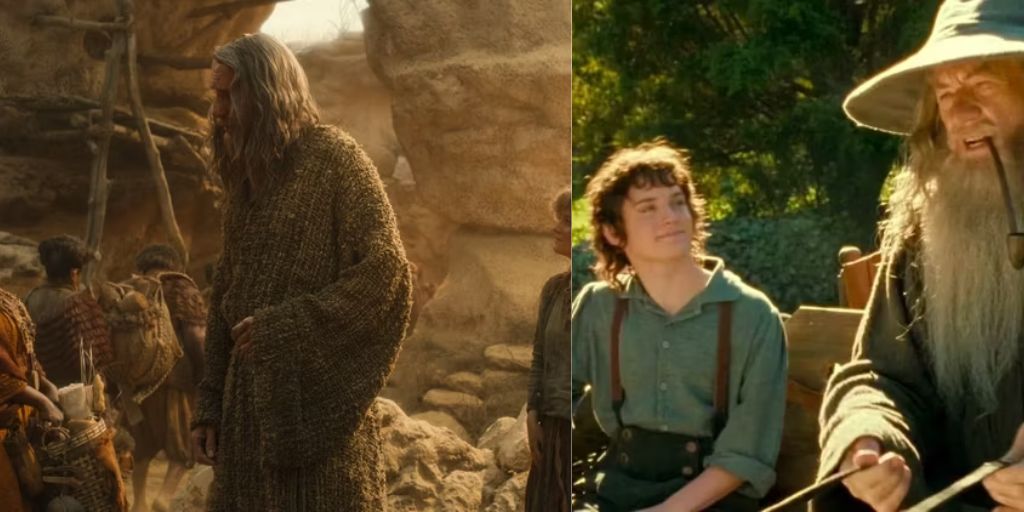
Still from The Rings of Power (Credit: Prime Video)
These texts mention Durin III as the king of Khazad-dûm during significant events, such as the forging of the Rings of Power by the Elven smith Celebrimbor and the dark influence of Sauron, who disguises himself as Annatar.
Interestingly, while Durin III is a prominent figure in the Second Age, Tolkien’s writings do not provide clear details about his heirs or the dynamics of his family. In the original lore, Durin III faces no Balrog, as the creature does not awaken until later.
The books do not clarify whether Durin IV is indeed the son of Durin III, leaving a significant gap in the lore that The Rings of Power aims to fill. By introducing Durin IV as the son of Durin III and crafting a storyline that involves a sibling rivalry, the series opens up new possibilities for character development and plot progression within the context of Middle-earth.
The Awakening of the Balrog: A New Timeline
Another key aspect of the Season 2 finale is the introduction of the Balrog in Khazad-dûm. In Tolkien’s writings, there is no mention of the Balrog awakening during the Second Age.
However, The Rings of Power chooses to show this concept, suggesting that the show is depicting the fall of Khazad-dûm much earlier than Tolkien originally wrote. This decision allows the series to goes into themes of darkness and corruption that seep through Middle-earth, setting a darker tone for the unfolding events.
By bringing the Balrog into the narrative, the series not only creates a significant threat for Durin IV and his people but also establishes a connection to the greater history of Middle-earth.
The concept of darkness spreading through the land resonates with the overarching themes present in Tolkien’s works, where the struggle between light and darkness is a central focus.
Although the series may not adhere strictly to Tolkien’s timeline, it successfully creates a narrative that makes sense within its own framework, establishing a foundation for future conflicts and character arcs.
Durin VI and the Legacy of Khazad-dûm
The Balrog’s presence also ties into the larger history of Khazad-dûm, particularly in relation to Durin VI, who emerges in the Third Age. In the original lore, Durin VI is the king of Khazad-dûm who unwittingly awakens the Balrog while searching for mithril.
This event leads to his demise and the subsequent rise of Náin, his son, who becomes the last king of Khazad-dûm before he too falls to the Balrog’s wrath. The tale of Durin VI serves as a cautionary reminder of the dangers of greed and the perils of going too deeply into the earth.
The introduction of the Balrog in The Rings of Power allows for the possibility of reimagining characters and events from the Third Age. As the series progresses, there is potential to weave the storylines of Durin VI and Náin into the fabric of Durin IV’s journey.
For instance, Náin could be introduced as Durin IV’s brother, thus creating a rich narrative view that connects various timelines and characters. This integration would not only deepen the character development but also provide fans with a more cohesive understanding of the Dwarven lineage and its struggles.
A Power Struggle Within Khazad-dûm
The tensions between Durin IV and his brother set the stage for an intense power struggle within Khazad-dûm. As the story unfolds, viewers will likely see how this familial conflict influences the political dynamics of the Dwarven kingdom.
Durin IV’s claim to the throne is precarious, especially considering the rumors and the public knowledge of his estranged relationship with his father, Durin the Elder. This estrangement creates an environment where his brother might find support among those who question Durin IV’s legitimacy.
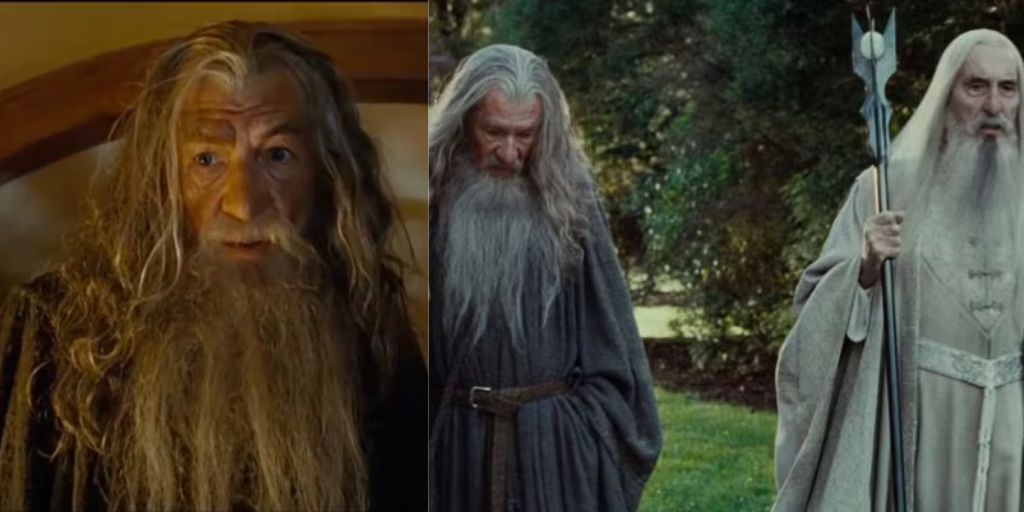
Still from The Rings of Power (Credit: Prime Video)
As Season 2 concludes, Durin the Elder acknowledges Durin IV as “King Durin.” However, this declaration lacks formal documentation, leaving room for doubt and dissent. The tension is palpable, and the stage is set for a clash of ideologies within Khazad-dûm.
Durin IV, who aims to stop the mithril mining and protect his people from the dangers lurking below, finds himself in direct opposition to his brother’s ambition. This conflict not only highlights the struggle for power but also the ethical dilemmas faced by leaders in times of crisis.
The Stakes Are Higher for Durin IV
As the narrative unfolds, Durin IV’s character is put to the test. He must follow the treacherous waters of political intrigue while grappling with the responsibilities of leadership.
The burden of kingship weighs heavily on his shoulders, especially as he strives to unite the Dwarves against external threats while also addressing internal conflicts. The introduction of a brother vying for the throne complicates matters further, making Durin IV’s journey one of self-discovery and resilience.
In the upcoming Season 3, viewers can expect to see how Durin IV confronts these challenges. The potential for conflict with his brother may lead to a deeper scheme of their relationship and the values they uphold.
Will Durin IV embrace the ideals of unity and protection, or will he succumb to the pressures of power and rivalry? The stakes are higher than ever, and the choices he makes will shape the future of Khazad-dûm.
The Importance of Family and Loyalty
The theme of family loyalty emerges as a crucial element in the unfolding narrative. Durin IV’s relationships with his father, his wife, and his brother play pivotal roles in shaping his character and decisions. The loyalty of Dwarven lords will also be tested as the power struggle intensifies.
Viewers will witness how personal bonds and allegiances are strained as characters grapple with the complexities of their identities and the expectations placed upon them.
Disa’s character, in particular, serves as a source of support for Durin IV. Her belief in his potential to lead Khazad-dûm is a guiding force as he faces the challenges ahead.
The dynamics between Durin IV, Disa, and their family further emphasize the significance of partnership and understanding in leadership. Disa’s role may become increasingly prominent as the narrative progresses, highlighting the importance of strong relationships in times of turmoil.
A Broader Perspective on Middle-earth
The events unfolding in Khazad-dûm resonate beyond the confines of the Dwarven kingdom. They reflect the broader struggles faced by various races in Middle-earth. As darkness spreads, the choices made by leaders in different realms will have far-reaching consequences.
The series hints at interconnected narratives, where the fate of one kingdom may impact others, showcasing the interconnectedness of Tolkien’s world.
In The Rings of Power, the struggle for power within Khazad-dûm serves as a microcosm of the larger battle against darkness that permeates Middle-earth.
The decisions made by Durin IV and his brother could set in motion a chain of events that influences the fate of other realms, echoing the themes of sacrifice, heroism, and the fight against evil that are central to Tolkien’s works.
Conclusion: Anticipation for Future Seasons
As the Season 2 finale of The Rings of Power concludes, audiences are left with many questions and a heightened sense of anticipation for what lies ahead.
The character of Durin IV is at the forefront of a narrative that intertwines themes of family, power, and the struggle against darkness. The introduction of his brother and the challenges he faces create a rich scheme of conflict that promises to unfold in future seasons.
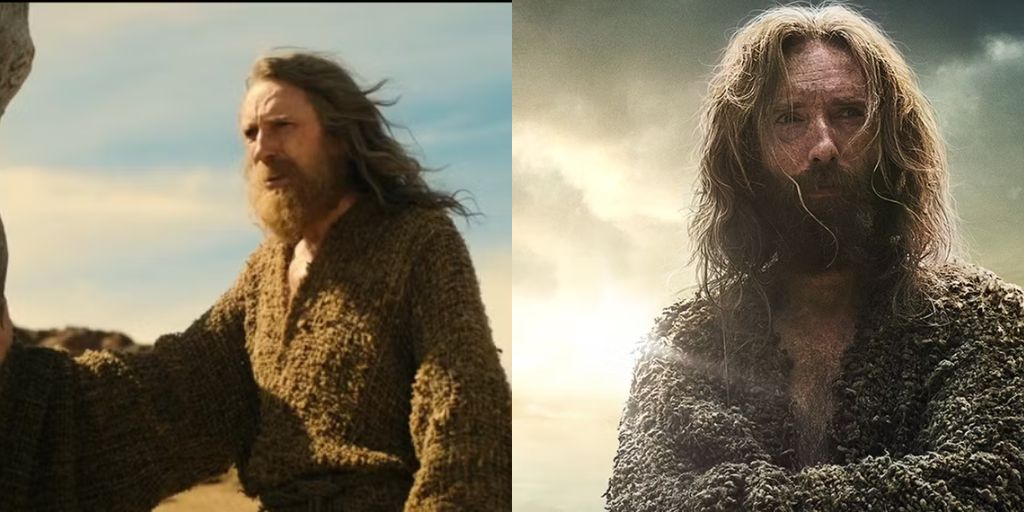
Still from The Rings of Power (Credit: Prime Video)
With the potential for political intrigue, character development, and moral dilemmas, The Rings of Power is setting the stage for a attractive scene of Dwarven lore and the complexities of leadership.
As viewers prepare for Season 3, they can expect a deeper move into the struggles of Durin IV and the fate of Khazad-dûm, ultimately shaping the course of events in Middle-earth.
In the meantime, fans can catch up on all the thrilling moments of Season 2, now available to stream on Prime Video in the U.S. The journey through the Second Age of Middle-earth is far from over, and the surprises that await promise to keep audiences engaged and eager for more.
