In 2022, Parker Finn’s Smile made a big impact when it was released in theaters. Originally, it was supposed to come out on Paramount+, but the decision to show it in theaters turned out to be wise. The film featured Sosie Bacon as Rose Cotter, a therapist who witnesses one of her patients die by suicide in a violent way.
This event starts a series of intense and frightening encounters for Rose. She sees people smiling in a scary way and finds herself in strange and dangerous situations. The film leads to a dramatic showdown with a creepy smiling creature that feeds on trauma and tries to spread it.
The creature is frightening to look at, and its effects are personal and evil. The movie includes some very scary scenes and introduces a new supernatural being that can keep viewers awake at night. However, the film is not without its flaws. While it is effective in delivering scares, it is also predictable. The creature is clever and creates solid frightening moments, but its connection between smiles and trauma feels underdeveloped.
Parker Finn is back in charge as the writer and director for Smile 2. This time, he has a bigger and bolder vision for the story. He keeps the main mysteries from the first movie but shows much more about what the smiling creature can do. The sequel is an excellent follow-up that improves on almost every part of the original movie. As a result, Smile 2 easily ranks as one of the best horror films of the year.
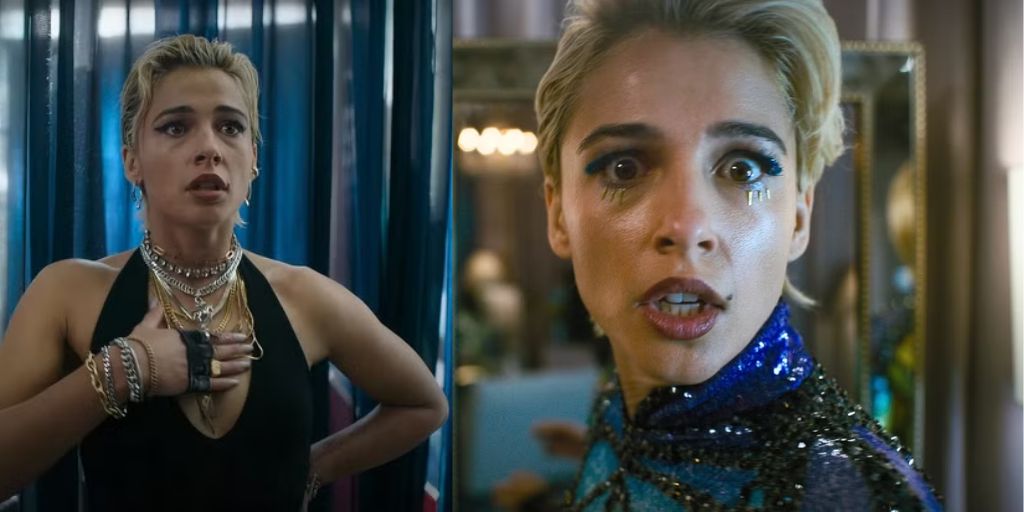
The film introduces Skye Riley, played by Naomi Scott, who is a famous pop singer. A year ago, Skye’s career was at its peak, but she faced substance abuse issues that led to a tragic event. Her boyfriend, who was also a celebrity, died in a car crash that left Skye traumatized. Now, one year later, Skye is trying to get her career back on track and prepare for a big concert tour. However, the pressure of the upcoming tour becomes overwhelming for her, both emotionally and physically.
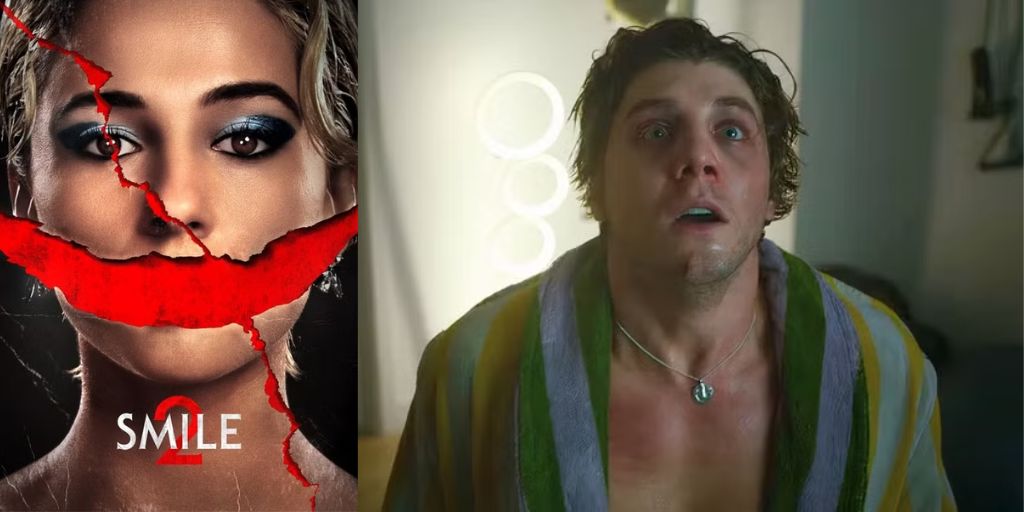
One night, Skye seeks out an old friend and drug dealer named Lewis, played by Lukas Gage, to buy painkillers. She still suffers from physical pain due to the crash. Lewis has plenty of drugs, but he surprises Skye by violently killing himself right in front of her, while he is smiling. This horrifying event haunts her, and soon she begins to see more people with eerie smiles. This heightens her paranoia and makes her mental state even worse.
Still from the movie (Paramount Pictures)
Now, Skye faces the challenge of stopping this strange phenomenon before it drives her to the brink of insanity or worse. On a technical level, Smile 2 is much better than the first film. The story has a much larger scope, allowing for bigger and more intense scenes. The cinematographer, Charlie Sarroff, uses creative camera angles that float over the action, turn upside down, and apply unique shots to create a sense of unease. The camera work is smartly composed and effectively sets the film’s tone.
The script for Smile 2 is not only frightening but also has funny moments that complement the tension without taking away from it. One moment that stands out is when Lewis, while being attacked by the entity’s smile, says, “I’m having the worst week,” while using more drugs. This line adds a humorous touch to a tense situation, showcasing great comedic timing.
Naomi Scott delivers an outstanding performance in Smile 2. Her character, Skye Riley, feels isolated, confused, and terrified throughout the film. Scott portrays a protagonist who is sympathetic yet flawed, strong-willed but scared to death for most of the runtime. In a standout scene featuring a group of dancers, Scott showcases her talent, creating one of the best horror sequences of the year.
Rosemarie DeWitt plays Skye’s protective mother, and Kyle Gallner makes a memorable return as Joel from the first film. Ray Nicholson brings a haunting quality to his character, mimicking his father’s famous “Kubrick Stare” as a “Kubrick Smile.” Despite the supporting cast’s talent, the film truly shines as a showcase for Naomi Scott, establishing her as a scream queen to watch in the future.
Smile 2 builds consistent tension as Skye Riley confronts the entity. However, there is a noticeable reliance on jump scares, which, while effective, lose their impact as the movie progresses. The ending introduces surprises that give the creature more intelligence and power than what was shown in the first film. Still, viewers learn very little more about the entity by the end of Smile 2. Certain twists in the final moments also make key parts of the film’s story seem puzzling, requiring viewers to think deeply about them.
The movie’s ending leaves many questions about the nature of the creature, which might disappoint some viewers. Even with this, Smile 2 is a thrilling and often funny horror film with an excellent central performance.
A lesson that people often hear, inspired by Steven Spielberg’s Jaws, is that viewers should not see the monster too often. While Jaws is a classic, its limited view of the creature was based on practical reasons rather than a rule. Unfortunately, many films misinterpret this lesson and fail to find their creatures fully, aiming for mystery but leaving viewers wanting more.
By the end of Smile 2, it feels like the nature of the entity is not thoroughly investigated. Nonetheless, Naomi Scott proves to be a scream queen to keep an eye on, while the film maintains a good mix of tension and humor. The final act may have too many twists, but it is still entertaining and leads to a conclusion that is enjoyable to watch, even if it is somewhat predictable. Smile 2 is an excellent horror film that improves on the original, hitting the mark where the first one only partially succeeded.
The movie captures Skye’s struggle as she deals with her haunting experiences. With its blend of humor and horror, Smile 2 successfully entertains and engages viewers, solidifying itself as a standout sequel in the genre.
As Smile 2 unfolds, viewers witness how Skye tries to reclaim her life and career. The narrative combines her past struggles with the pressures of fame, adding depth to her character. The film effectively portrays the fear and anxiety that come with dealing with trauma.
The balance between horror and humor keeps the audience on edge while allowing moments of relief. This balance is important for maintaining viewer interest and avoiding the feeling of relentless terror. The film skillfully uses moments of levity to enhance the experience.
As Skye encounters more instances of smiling individuals, her paranoia grows. This clever use of escalating tension keeps the audience engaged and invested in her journey. Skye’s descent into fear and uncertainty mirrors the struggles many face when dealing with their mental health.
Still from the movie (Paramount Pictures)
The supporting cast also adds richness to the story. Each character has a role in shaping Skye’s experience, from her mother’s protective instincts to her dealer’s ominous presence. These relationships enhance the narrative and provide additional layers to the protagonist’s journey.
Smile 2 does not shy away from addressing serious issues such as trauma, mental health, and the pressures of fame. By confronting these themes, the film resonates with viewers on a deeper level. The storytelling intertwines horror with real-life struggles, making it relatable and impactful.
As the film progresses, Skye’s determination to confront the smiling entity grows. This journey of self-discovery and resilience impresses audiences, as they root for her to overcome her challenges. Skye becomes a symbol of strength, demonstrating that it is possible to confront one’s fears.
The film’s climax showcases a thrilling confrontation with the creature. This moment is packed with tension, surprise, and excitement. The clever twists in the plot keep viewers guessing, making for a gripping conclusion that satisfies.
Despite its few flaws, Smile 2 stands out as a remarkable sequel in the horror genre. The combination of scares, humor, and strong performances contributes to its success. It builds on the foundation of the first film while taking the story to new heights.
In the end, Smile 2 leaves viewers eager for more. Its powerful messages, combined with thrilling entertainment, ensure that it will be remembered long after viewing. As fans of the genre look for quality horror films, Smile 2 sets a high standard for future releases.
With an engaging storyline and compelling characters, Smile 2 proves to be a must-see for horror enthusiasts. Its unique take on trauma and fear adds depth to the genre while providing exhilarating moments of suspense.
The success of Smile 2 lies in its ability to blend different elements. The film captures the essence of horror while also addressing relatable human experiences. This combination ensures that it resonates with a broad audience and creates a lasting impression.
Smile 2 represents a new chapter in horror films, showing that sequels can be just as effective as their predecessors. By continuing the story with passion and creativity, the film strengthens its place in the horror. Fans can look forward to what comes next in the series, as Smile 2 sets the bar high for future horror films
Prime Video’s The Lord of the Rings: The Rings of Power has returned for its second season, much to the excitement of its dedicated fan base. This season takes viewers deeper into the storylines of the iconic characters, from the creation of the titular rings by Sauron (played by Charlie Vickers) to the rising political tension in Númenor, and the ever-widening rift between Durin IV (Owain Arthur) and his father.
Season 2 ends with an epic battle in Eregion, showcasing just how much is at stake in Middle-earth. However, despite the grandeur of the plot, the second season falls short due to a familiar problem plaguing many modern fantasy TV series—a season that is simply too short to tell its story effectively.
This article will take a closer look at how the brevity of Season 2 affects The Rings of Power and how this problem reflects a broader trend in the fantasy TV genre. Though the season includes some incredible moments, its eight-hour-long episodes are not enough to cover all the narrative threads that fans of Middle-earth expect and deserve.
The Struggle of Telling a Grand Story in Too Little Time
The struggle of Season 2 lies in its ambitious storyline and limited time. Middle-earth, the world created by J.R.R. Tolkien, is rich and complex, full of different races, lands, and conflicts. To bring such a world to life on screen, the show needs time to develop its characters, settings, and storylines. With only eight episodes, however, The Rings of Power Season 2 doesn’t have the space it needs to do so adequately.
As a result, the show often rushes through important side stories, which prevents viewers from fully investing in them. This creates a sense of incompleteness that hurts the overall narrative. The Rings of Power isn’t the only fantasy show to experience this issue, either. Popular series like House of the Dragon and The Wheel of Time face similar challenges. These shows attempt to tell large, sprawling stories in a short time, which leads to rushed pacing and underdeveloped characters.
In the case of The Rings of Power, the effects of this issue are particularly noticeable because of the richness of Tolkien’s world. The show tries to cover too much ground in too little time, resulting in a lack of depth for many characters and plotlines.
Still from the show (Amazon Prime)
A Problem That Affects the Entire Genre
This problem is not unique to The Rings of Power. Many fantasy shows suffer from the same issue, especially in recent years. As streaming services and networks strive to produce high-quality, big-budget series, they often face financial constraints that lead to shorter seasons. These shorter seasons, in turn, make it difficult for shows to cover all the material they need.
For example, House of the Dragon and The Wheel of Time are two other popular fantasy shows that have been criticized for rushing through their storylines due to their limited episode counts. House of the Dragon faces the challenge of telling a massive, multi-generational story with significant time jumps, leaving viewers feeling like they’re constantly catching up. In The Wheel of Time, a show based on a 14-book series, the short seasons lead to some key characters being sidelined or given less development than they deserve.
All of these shows have one thing in common: they’re trying to tell large stories with a limited number of episodes, and it’s simply not enough. For The Rings of Power, this problem is even more pronounced because Middle-earth is such a detailed and beloved world. Fans expect depth and richness in the storytelling, and they don’t always get it with the rushed pacing of an eight-episode season.
The Rings of Power Season 2: Highlights and Missed Opportunities
In The Rings of Power Season 2, the shortened season creates several missed opportunities for character development and storytelling. For example, the plotline involving the hooded mystics introduced in Season 1 was left underdeveloped and ended with more questions than answers. These characters, who could have played a more significant role, never received the depth of explanation they deserved, leaving viewers unsatisfied.
The second season also introduced a new villain, the Dark Wizard, played by Ciarán Hinds. However, due to the lack of time, this character’s presence felt minimal, and his development fell short. Villains are often important to a fantasy story, and when they are not given enough screen time or depth, it diminishes the tension and stakes of the plot.
One of the most glaring examples of rushed storytelling in Season 2 is the Rhûn plotline, which follows Nori (Markella Kavenagh) and the Stranger (Daniel Weyman). Despite being major characters in Season 1, they were notably absent from several episodes in the second season. This lack of focus on key characters is a significant problem, as it weakens the audience’s emotional connection to the story.
Moreover, Valandil’s (Alex Tarrant) death could have been a much more impactful moment if the show had been able to spend more time developing his relationship with Isildur (Maxim Baldry). Instead, the show had to remind the audience that Valandil was Isildur’s friend, which diluted the emotional weight of the scene.
Similarly, Eärien (Ema Horvath) had a compelling storyline in Season 2, where she struggled between her political loyalties and her family, but this plot was only briefly touched upon and not dealt in depth.
Theo (Tyroe Muhafidin), who seemed set up for a major storyline involving his connection to Sauron, was pushed to the background in Season 2. His character’s grief over his mother’s death was not given the screen time it deserved, as the show instead focused on other characters like Isildur and Arondir (Ismael Cruz Córdova) in the Pelargir storyline. Important questions about Theo’s mysterious mark and what Eärien saw in the palantír were also left unanswered due to the lack of time.
Still from the episode (Amazon Prime Video)
The Widespread Nature of This Problem in Fantasy TV
The Rings of Power is far from the only fantasy show to suffer from these issues. Fantasy series across the board, particularly those on streaming platforms, have adopted a trend of short seasons, typically ranging from eight to ten episodes. While this format works for some genres, fantasy shows, which tend to feature expansive worlds and complex storylines, often struggle to fit everything in.
For instance, The Wheel of Time faced similar challenges in adapting its vast 14-book series into a limited number of episodes. The show had to make significant cuts, and even the storylines that were included sometimes felt incomplete.
Perrin (Marcus Rutherford), a key character in the books, was sidelined in Season 2, and his connection with the wolves—a major part of his character—was barely touched upon. Similarly, crucial elements like the dream, Tel’aran’rhiod, and the Whitecloaks were not given enough screen time to make a lasting impact.
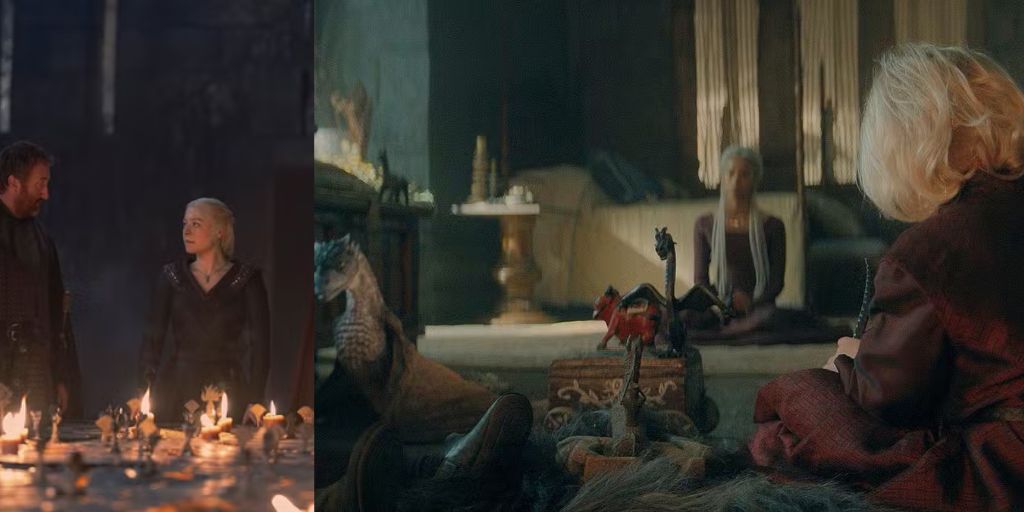
House of the Dragon also struggled with time constraints, particularly in its first season, where major time jumps left audiences feeling disoriented. Characters aged rapidly, relationships grew off-screen, and plotlines were resolved too quickly. Though the show gained momentum in its second season, it was still limited by an eight-episode order, down from the ten episodes in its first season.
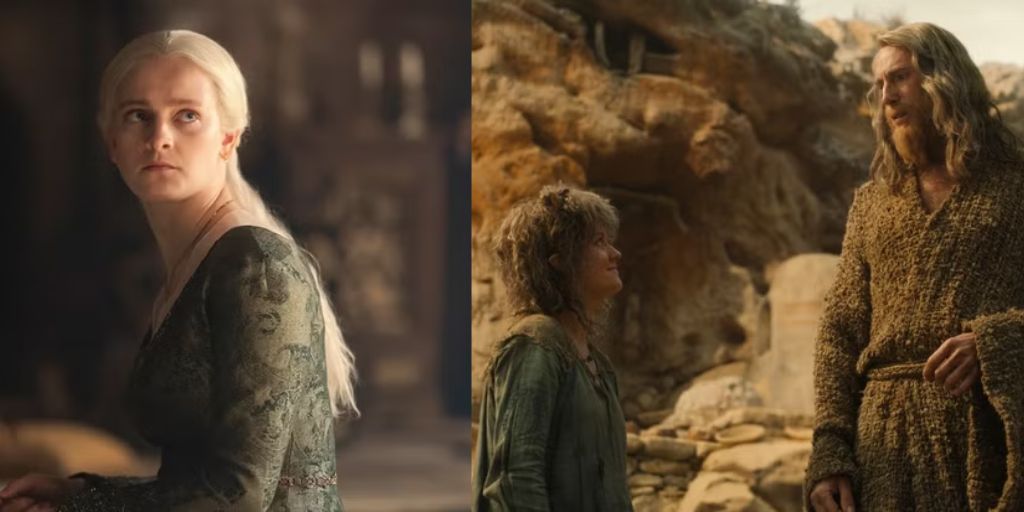
This resulted in some characters being underused, including important figures like Daeron, who hasn’t even been introduced yet, and Helaena Targaryen, whose visions of the future were downplayed until they became crucial in the finale.
The rushed pacing and lack of time to develop secondary characters or side plots detract from the overall viewing experience in these fantasy shows. While the main storylines often get the attention they need, the world-building and character development suffer, leaving viewers feeling like they’ve missed important pieces of the puzzle.
Why Do Fantasy Shows Have Short Seasons?
The trend of shorter seasons isn’t limited to fantasy shows, but it is more noticeable in this genre because of the vastness of the worlds being portrayed. Streaming platforms, in particular, have embraced shorter seasons, often ranging from eight to ten episodes. While this format can work well for some genres, fantasy shows often require more time to tell their stories effectively.
There are several reasons why these big-budget fantasy shows have adopted shorter seasons. First and foremost, there’s the issue of cost. Fantasy series like The Rings of Power are expensive to produce, with their elaborate sets, special effects, and large casts. By limiting the number of episodes, studios can keep production costs down. Fewer episodes mean less time spent filming, editing, and creating CGI, all of which are significant cost factors.
For a show like The Rings of Power, which is one of the most expensive series ever made, the decision to limit the season to eight episodes may have been a financial one. However, this cost-saving measure comes at a price—the story suffers, and the audience misses out on the depth and richness that a longer season could provide.
Another reason for shorter seasons is that they help prolong the lifespan of a series. By spreading out the story over several seasons with fewer episodes per season, studios can keep audiences coming back for more. However, this approach often means that each season ends with unresolved plotlines, leaving viewers feeling unsatisfied.
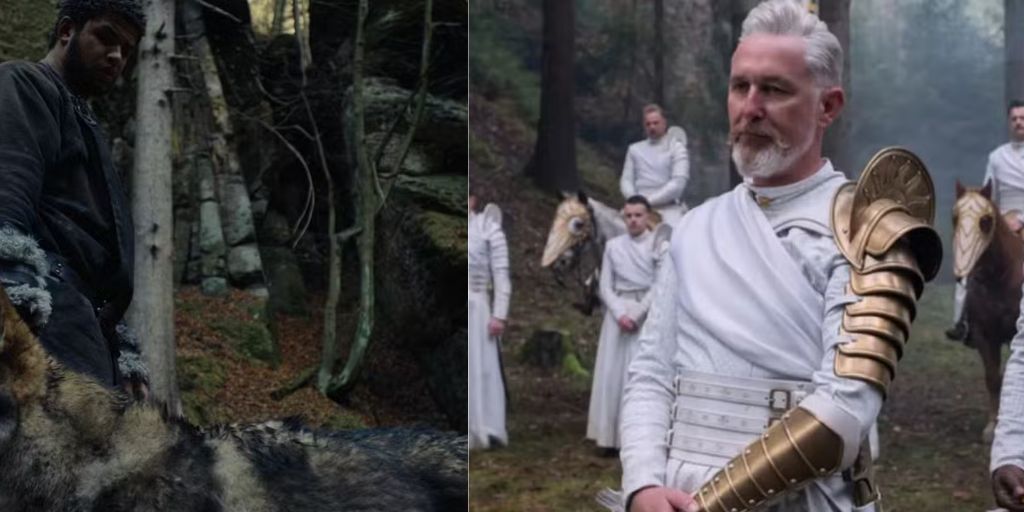
Still from the show (Amazon Prime Video)
How Could This Problem Be Solved?
The most obvious solution to the problem of rushed fantasy shows is to simply add more time. If series like The Rings of Power, House of the Dragon, and The Wheel of Time had longer seasons, they would have more space to develop their characters, find side stories, and flesh out the details of their worlds. However, this solution is not as simple as it seems, primarily due to the high cost of producing these shows.
A more practical solution might be to focus on fewer storylines within each season. Instead of trying to juggle five or six different plots, shows could concentrate on two or three and give them the attention they need. This would allow for more character development and deeper coverage of the world, without stretching the narrative too thin.
Newer series could learn from the challenges faced by The Rings of Power and other fantasy shows. By starting with a more contained story and gradually expanding it over time, they could avoid some of the pitfalls of trying to do too much too quickly. However, for existing shows, significant changes would be required to solve these problems, including wrapping up or combining storylines to streamline the narrative.
The Lord of the Rings: The Rings of Power has an enormous story to tell, and its second season delivers many exciting moments. However, the eight-episode format limits the show’s ability to fully develop its characters and storylines, leaving viewers wanting more.
This issue is not unique to The Rings of Power, but it’s a widespread problem in the fantasy genre. As big-budget series continue to grapple with the challenge of telling expansive stories in limited time, the question remains: will they find a way to overcome these hurdles and deliver the depth and richness that fantasy fans crave? Only time will tell.
The Lord of the Rings: The Rings of Power Season 2 offers an exciting look into Tolkien’s world, but its eight-episode format leaves much to be desired. With so many characters and storylines to cover, the show struggles to develop its narrative fully, resulting in rushed pacing and underdeveloped plots. This issue isn’t unique to The Rings of Power—fantasy series like House of the Dragon and The Wheel of Time face similar challenges as they attempt to tell vast stories in too little time.
The main problem lies in the high production costs of fantasy shows. Big budgets, complex CGI, and large casts often limit how many episodes a series can produce, resulting in shorter seasons. While this can help extend the longevity of a series, it comes at the expense of storytelling depth. The most practical solution might be for these shows to focus on fewer plotlines, giving each one the time it deserves.
Ultimately, for fantasy shows to truly thrive, they need to find a balance between epic storytelling and the constraints of production. Only by addressing these challenges can they deliver the immersive, character-driven narratives that fans expect and love.
