The Jeju Island Arc introduces a complex political backdrop, one that has been significantly altered in the anime’s Japanese broadcast. While adaptations often make changes, Solo Leveling’s heavy filtering has sparked criticism for potentially diluting the nationalist themes that are deeply embedded in the source material. With politics playing a crucial role in the upcoming arcs, many wonder how far these changes will go.
In the latest episodes, Korea and Japan have joined forces to launch a large-scale assault on Jeju Island. The island, overrun with powerful Ant monsters, had been abandoned for years due to previous failed attempts at extermination. Now, top hunters from both nations are leading a final push to eliminate the threat once and for all.
A Critical Arc Begins in Season 2
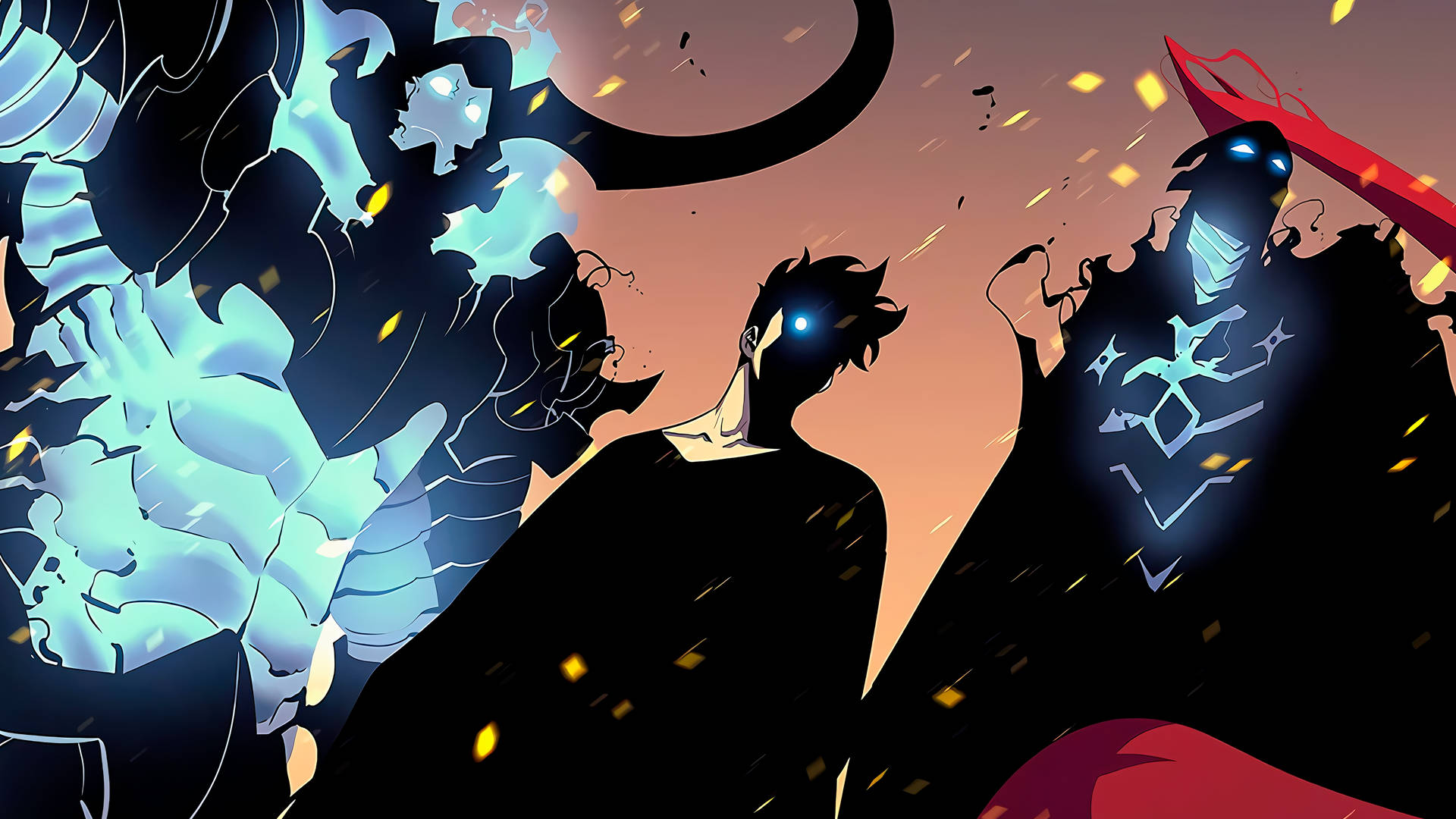
solo levelling
This arc is not just about battles—it establishes the power dynamics between Korea and Japan’s hunters. However, with the anime’s censorship choices, there are concerns that the story’s deeper political context may be lost. The shift in character origins and location names could soften the tension that was integral to the original narrative.
Unlike the manhwa, where Solo Leveling follows a Korean perspective, the Japanese version of the anime has made significant alterations. Sung Jinwoo is now Shun Mizushino, and Korea has been replaced by a fictional country, DFN. While these changes may cater to Japanese audiences, they risk disrupting the story’s political depth.
International audiences watching on Crunchyroll will see a version closer to the original, but the concern remains—will the adaptation shy away from the nationalist themes central to Solo Leveling’s world-building? As the anime continues, fans are bracing for how these modifications will impact upcoming arcs.
One of the defining aspects of Solo Leveling is its emphasis on national pride and the role of hunters in global power struggles. S-Rank hunters are not just individuals with immense strength—they are seen as a country’s greatest asset. This theme of nationalism adds a layer of realism, making the story more than just a power fantasy.
In the Jeju Island Arc, Japan’s hunters are introduced with self-serving motives, contrasting against Korea’s desperate struggle for survival. However, this portrayal has already sparked debate among Japanese audiences. The anime’s changes attempt to neutralize the political tone, but at what cost?
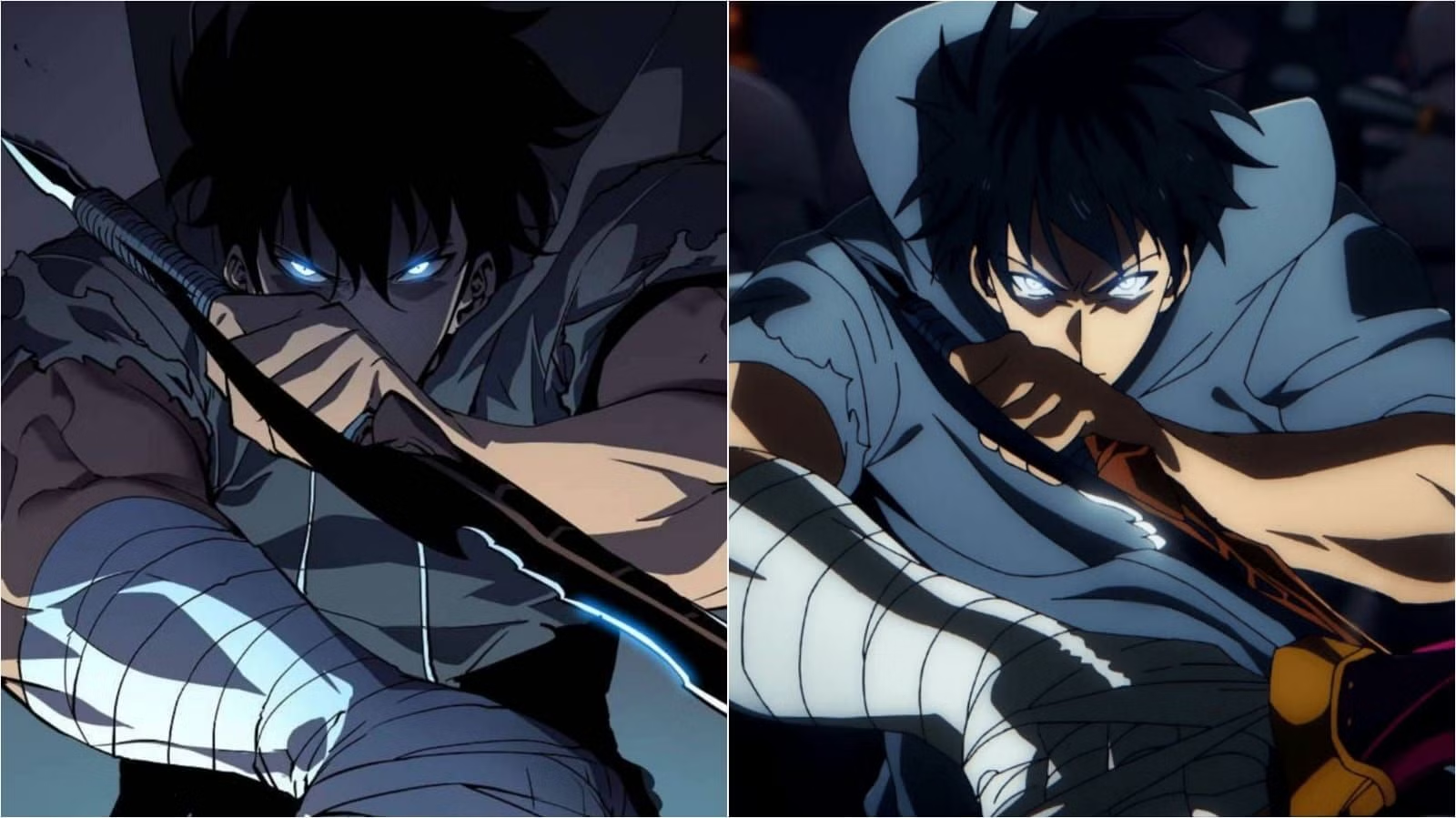
Sung Jinwoo in anime and webtoon
With censorship becoming more prevalent in anime, Solo Leveling may face an uphill battle in staying true to its source material. The Jeju Island Arc is just the beginning—future arcs involve even more political intrigue and international conflicts. If the anime continues filtering these elements, it could diminish the impact of the story’s best moments.
Ultimately, Solo Leveling isn’t just about an overpowered protagonist. It’s a story where politics, nationalism, and power dynamics shape the world. Fans will have to wait and see whether A-1 Pictures will remain faithful to these elements or continue modifying the story for broader appeal.

Studio MAPPA, widely recognized for producing hit anime such as Jujutsu Kaisen and Attack on Titan, has recently come under scrutiny due to allegations regarding poor working conditions for its animators. Reports highlighting excessive work hours and insufficient pay have sparked concern within the anime community, leading to heated discussions about the broader issues of labor practices in the industry.
These concerns have reignited debates about the treatment of animators, a long-standing issue within anime production. The intense schedules required to meet deadlines for high-profile projects have been criticized for causing significant stress and burnout. Given MAPPA’s prominence in the industry, these allegations have drawn widespread attention, prompting the studio to address the matter and pledge improvements publicly.
Reports of Harsh Work Schedules and Low Pay

Sukuna, Yuji, and Todo (Mappa)
Multiple sources have accused MAPPA of imposing grueling work schedules on its animators while failing to provide adequate compensation. Reports suggest that the relentless pace of production has led to considerable stress, affecting both physical and mental well-being. Many believe that the studio’s rapid output of top-tier anime comes at the expense of the artists behind the scenes, leading to industry-wide concerns.
The reports also claim that animators have struggled with long hours and intense workloads, leading to exhaustion. As the demand for MAPPA’s work grows, so does the pressure on its employees. These conditions have sparked debates about sustainability in anime production and the ethical implications of overworking creative professionals in pursuit of commercial success.
News of MAPPA’s alleged working conditions has fueled discussions about the treatment of animators across the anime industry. Fans and industry insiders have taken to social media to voice their concerns, with many calling for better labor protections. The controversy has shed light on a systemic issue that affects studios beyond MAPPA, raising broader questions about industry standards.
The anime community has expressed disappointment, particularly given MAPPA’s reputation for producing some of the most visually stunning and highly anticipated series. Many feel that the success of these anime should not come at the cost of animator well-being. As discussions intensify, pressure has mounted on studios to rethink how they treat their employees.
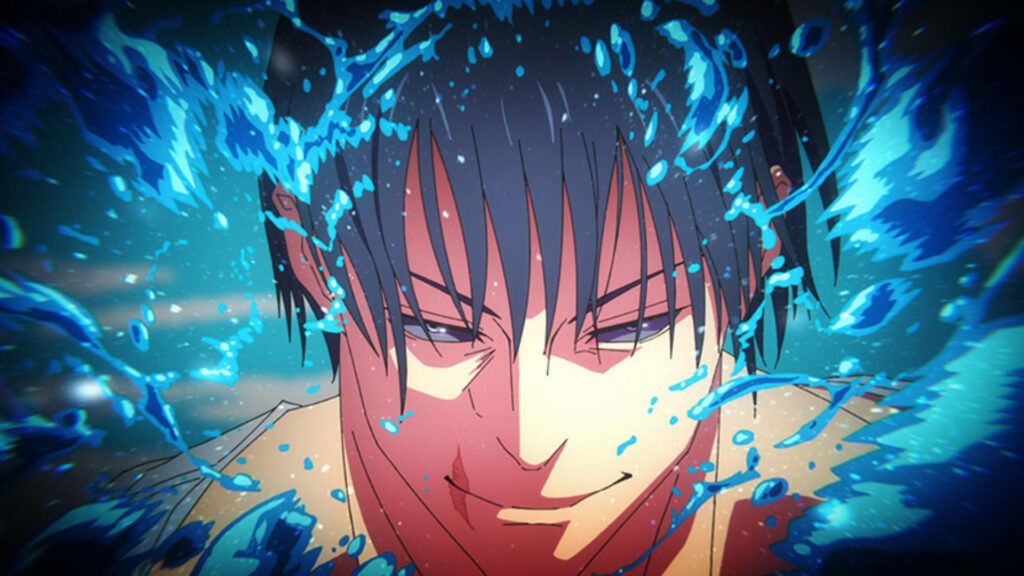
Toji Fushiguro (Mappa)
Amid growing criticism, MAPPA has publicly acknowledged the concerns and committed to improving its work culture. The studio has stated its intention to provide better working conditions for its staff, addressing the complaints that have surfaced. While no specific policies have been outlined yet, the response suggests a willingness to take corrective action.
Fans and industry professionals will be watching closely to see whether these promises translate into tangible improvements. Many hope that MAPPA’s acknowledgment of these issues will lead to meaningful change, not just within the studio but across the anime industry as a whole. The coming months will be critical in determining whether the studio follows through on its commitments.
