Spider-Man: No Way Home brought a whirlwind of excitement and emotion, wrapping up several threads from previous Spider-Man stories while introducing new twists.
The film’s ending leaves viewers both satisfied and curious about what comes next for Peter Parker. Here is a clear explanation of how the story wraps up and what it means for the future.

Alone and anonymous Peter embraces heroism beyond the spotlight (Photo: Spider Man: No Way Home/Columbia Pictures and Marvel Studios)
Peter’s Sacrifice and Its Consequences
At the heart of the movie’s finale lies Peter Parker’s decision to erase himself from everyone’s memory. After all the chaos caused by the multiverse breaking open, Peter understands that the only way to protect his loved ones is to make everyone forget who he is entirely. This includes his closest friends and family, even MJ and Ned.
The spell cast by Doctor Strange backfires badly, bringing villains and heroes from other universes into Peter’s world. To fix this, Peter chooses to take the painful step of sacrificing his connections for the greater good.
This act not only restores balance but also closes the door to the multiverse threats for now. Peter’s identity becomes a secret again, which is ironic since the movie began with his identity being exposed worldwide.
He must now rebuild his life from scratch without the support network he once had. The final scenes show a more humble Peter, living alone and helping people anonymously, embracing the true meaning of heroism beyond fame or recognition.
The Role of the Multiverse
The multiverse concept drives much of the movie’s tension and excitement. When Peter asks Doctor Strange to erase everyone’s memory of him, the spell goes wrong and tears open portals to alternate realities.
This leads to appearances by previous Spider-Men, villains, and characters from past Spider-Man films, creating a crossover event viewers had dreamed of for years. These interactions give the movie a nostalgic feel but also serve a bigger purpose: showing Peter how complex and dangerous these alternate dimensions can be.
By the end, the multiverse damage is repaired, but it comes at a cost. The merging of universes is undone, and those who crossed over must return to their timelines. This restores order but leaves Peter as the only Spider-Man left in his world, now fully responsible for protecting it alone.
Emotional Growth of Peter Parker
Peter’s journey throughout the movie highlights his maturity and willingness to put others before himself. Unlike earlier stories where Peter was more focused on personal relationships and his challenges, here he embraces a heavier burden. Choosing to be forgotten by those he loves shows how deeply he understands his role as a hero.
This emotional growth is emphasized by his interactions with the two other Spider-Men. Their guidance helps him realize that being Spider-Man means sacrifice and sometimes loneliness. The teamwork among the three versions of Peter Parker is not just action-packed but also meaningful, showing how they learn from one another and face their fears.
The Fate of Other Characters
Many of the other characters also experience closure or change by the end. Doctor Strange remains wary but supportive of Peter’s final choice. Aunt May’s death earlier in the movie profoundly impacts Peter’s decision-making and reinforces the stakes involved. MJ and Ned are left confused by the sudden loss of Peter’s memory but remain hopeful that someday, things might change.
The villains who appeared due to the multiverse disturbance are either cured or sent back, offering them a chance at a new path. This resolution gives a sense of justice beyond simple defeat, allowing some characters a form of redemption or new beginnings.
Setup for Future Stories
Though the movie closes many chapters, it also hints at what lies ahead. With Peter isolated and his identity erased, there is a clean slate for new adventures.
The final shot of Peter web-slinging alone in New York sets the tone for future challenges he will face without the usual support. This opens the door for fresh storytelling opportunities where Peter’s character can develop in unexpected ways.
The brief appearance of some characters and unresolved questions also suggest that Spider-Man’s story will continue to expand, possibly involving new threats or alliances. The film leaves audiences eager to see what direction the Spider-Man saga will take next.
Technical and Story Highlights of the Ending
The ending uses a clever mix of emotional drama and thrilling action to deliver a powerful conclusion. The spell sequence and multiverse closures are visually impressive while also being central to the plot’s resolution. The dialogues between the three Spider-Men are filled with humor and wisdom, balancing the tension with lighter moments.
Music and pacing in the final scenes enhance the mood, making Peter’s sacrifice feel both heartbreaking and heroic. The camera work focuses on close-ups during emotional moments, ensuring viewers connect with Peter’s internal struggles.
Why This Ending Resonates
Peter’s choice to lose his personal connections in order to save the wider world echoes the true spirit of a hero. The film avoids easy solutions or happy endings, instead portraying heroism as a complex and sometimes painful journey. This realistic approach makes the ending impactful and memorable.
Viewers appreciate the respectful treatment of past Spider-Man stories while pushing the character forward. The ending does not rely on gimmicks but rather on Peter’s growth and the consequences of his actions, giving the movie a meaningful finish.
Netflix’s Tudum event at the end of May 2025 finally gave fans a first glimpse of Tony Tony Chopper – the Straw Hats’ diminutive doctor – in the upcoming live-action One Piece Season 2. It was confirmed that Chopper will be rendered fully in CGI, with actress Mikaela Hoover providing his voice and facial motion-capture. In promotional materials, Netflix even calls him a “kawaii reindeer-boy hybrid,” underscoring the challenge: how do you bring a tiny, cartoonish reindeer to life in a realistic world?
The newly released image shows Chopper on set wearing his trademark pink-and-white spotted hat, with expressive blue eyes and fluffy fur. The CGI model displays clear attention to detail – from the texture on Chopper’s antlers to the soft shading of his oversized hat. The designers seem to have aimed for a middle ground: Chopper’s bright eyes, little nose, and signature headgear are faithful to the anime, while his body and fur are rendered with realistic texture.
In short, the CGI Chopper is meant to look cute – and some early press even called the design “beyond adorable” and true to the original. Yet many fans immediately questioned whether a realistic texture can truly capture the exaggerated charm of the original cartoon character.
Fan Reactions on Social Media
Some fans even made comparisons to other iconic characters, joking “Tony Tony Chopper > Baby Yoda” – signaling approval. Others noted the care evident in the CGI: “They really are putting so much care into this show,” one user wrote, calling it a “phenomenal Chopper” and praising that “they didn’t shy away from his mannerisms.”

Still, many voiced concerns – not necessarily about the execution, but the concept. Some worried that no amount of CGI could fully capture the cartoony charm of a reindeer-boy. One comment bluntly stated, “Full CGI is a nightmare,” reflecting fears that Chopper might fall into the uncanny valley.
Others acknowledged the inherent challenge: “He’s a tiny reindeer-human. He’s going to look weird no matter what.” That same user followed up with, “Chopper looks great, like what I would imagine,” summarizing the prevailing mood – some weirdness was expected, and maybe even acceptable.
In short, while dozens of fans praised how “adorable” and “true to anime” the model is, an equally large number expressed skepticism or nervous humor about CGI Chopper.
Comparison to Anime/Manga Expectations
Much of the reaction stems from the gap between anime aesthetics and live-action realism. In the manga and anime, Chopper is chibi-like – with oversized eyes, soft plush-like features, and an exaggeratedly tiny body. He’s designed to be a living plush toy.
By contrast, the live-action version has realistic antlers, fine fur, and more grounded proportions. His eyes are closer to realistic spheres than flat anime circles, and his face, when viewed head-on, leans more animalistic than cartoonish.
While some fans are nostalgic for the softer, cuter look of the anime, others acknowledged that live-action comes with trade-offs. The revealed CGI seems to aim for a compromise: keeping Chopper’s recognizable features while grounding him enough to exist convincingly in the same world as the human cast.
Lessons from Other CGI Adaptations
Fans were quick to draw parallels to other live-action CGI characters. The most notable example? Sonic the Hedgehog (2020). The original movie trailer featured a now-infamous design that fans called “nightmare fuel.” The backlash was so intense that the studio delayed the film and completely reworked Sonic’s appearance. It turned out to be the right decision.
This example now serves as a reference point. Many One Piece fans hope Netflix is equally open to feedback. Another comparison was drawn to Cowboy Bebop , where the CGI version of Ein the corgi drew criticism for appearing stiff and lifeless. These cases serve as reminders that “cute” characters are often the hardest to get right.
A Balanced View: Praise and Hope for the Final Cut
It’s important to note that this may not be the final, polished version of Chopper. The released image appears to come from early footage or promotional materials, and the production is still undergoing post-production refinement. The creative team has voiced confidence, stating that an elite team worked meticulously on Chopper’s form, fur, expressions, and even lighting physics.
There’s still time to adjust finer details – eyes, expressions, or movement – if needed. Historically, early backlash has often led to course correction in media adaptations, and Chopper could be no exception.
Ultimately, most fans want to fall in love with Chopper all over again. Even those who voiced disappointment acknowledged that the team’s intentions appear respectful of the source material. The reactions are mixed – with many praising the cuteness and authenticity of the CGI design, while others remain cautiously skeptical.
As one hopeful fan summarized: “Chopper looks great, like what I imagined.” Time will tell whether the final version lives up to that sentiment. For now, fans are watching closely – every pixel of antler and fur under scrutiny – hoping that Chopper’s live-action debut captures the heart that the character has always carried.
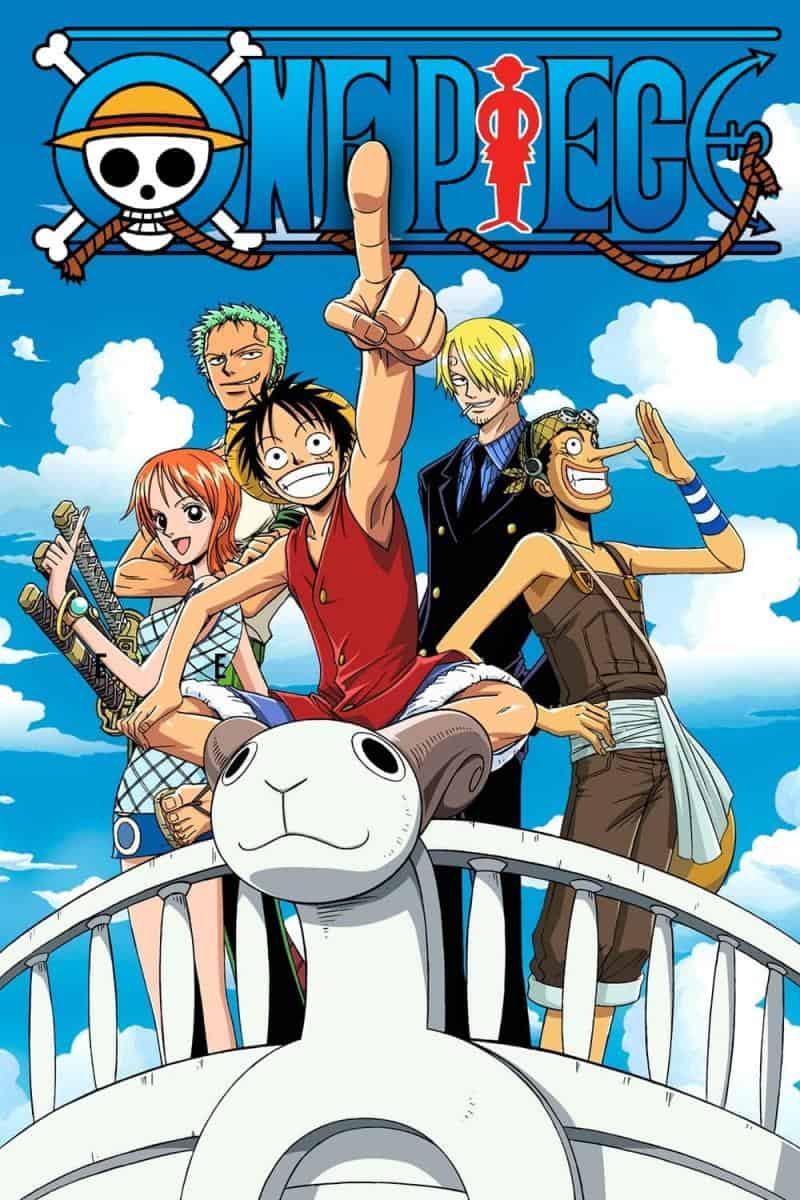
“One Piece” is a beloved Japanese manga and anime series that chronicles the adventures of Monkey D. Luffy and his pirate crew. Luffy, imbued with rubber powers from a mystical fruit Hito Hito no Mi, aspires to become the Pirate King. To achieve this, he seeks the ultimate treasure, the “One Piece,” hidden at the Grand Line’s end. Along the journey, Luffy gathers a diverse crew, confronts formidable foes, and uncovers world-altering secrets, all while promoting themes of friendship, freedom, and adventure.
