Since July 1, 2022, fans around the world have eagerly awaited Netflix’s most anticipated series return. Stranger Things is set to make a dramatic comeback for its fifth and final season, promising to captivate a global audience with its sci-fi elements and immersive drama.
Although the long wait has left some viewers disappointed, updates, previews, and promotional materials have been scarce. Recently, Gaten Matarazzo, who plays Dustin Henderson, shared a teaser about what fans can expect in Season 5 during an interview with The Radio Times.
What Is The New Update?
When asked about the scale and style of the upcoming season, Matarazzo said:
“So I think [Season] 5… it’s huge, of course, it’s one of the biggest seasons of television that I think we’ve seen very, very long time. And I think, a lot of people are saying it could be like a mix of [Season] 1 and [Season] 4 primarily. And I think that’d be a cool way of looking at it. But scale wise, it’s through the roof.”
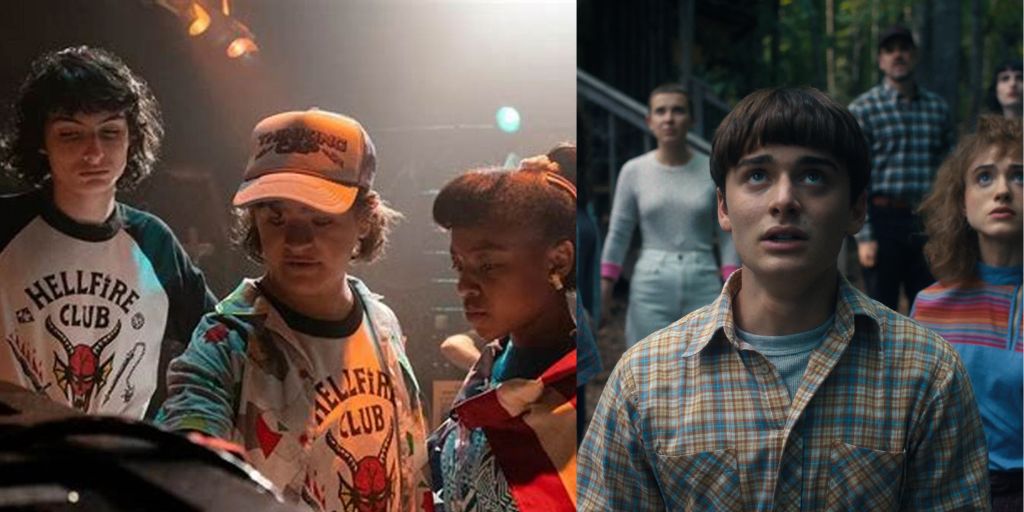
Stranger Things is known for its grand and bold design choices, so hearing that the final season will be even bigger and bolder might ease the pain of the long wait. Matarazzo also suggested that Season 5 could have a style reminiscent of both the first and fourth seasons.
Still from Stranger Things (Credit: Netflix)
He elaborated, “I remember they wanted to lean into a bit more of a Halloween horror vibe for [Season] 2, and then [Season] 3 they completely spin on its head, and they’re like, ‘Great, summer, neon, bold, shifting’.” He added, “And [Season] 4 kind of went back aesthetically to what we saw in [Season] 1, and I think [Season] 5 is just like a bolder continuation of that.”
In other news, Shawn Levy, known for his success with Deadpool & Wolverine, will direct at least one episode of Stranger Things Season 5. With the third Deadpool film earning nearly $1.3 billion globally, Levy’s experience and style have proven successful. While Levy won’t direct the series finale, fans are eager to see which episode or episodes he will helm.
All episodes from the first four seasons of Stranger Things are available for streaming on Netflix.
FX’s “The Old Man” is a show that deftly masquerades as a high-stakes political, military, and spy drama. Yet, at its core, it’s a soap opera with all the intrigue and melodrama that label entails. Season 1, with its labyrinthine plot and character revelations, set the stage for a tantalizing second season.
The finale of Season 1 left viewers on edge with Dan Chase (Jeff Bridges) revealing a bombshell: his daughter Emily (Alia Shawkat) is not biologically his, but the daughter of Afghan warlord Faraz Hamzad (Navid Negahban).
With Emily captured and brought to Hamzad’s village, the stage was set for a dramatic rescue mission. Let’s go into the rich view of Season 2’s premiere, showing its layers of drama, intrigue, and character dynamics.
Chase and Harper’s Mission: A Dangerous Rescue Operation
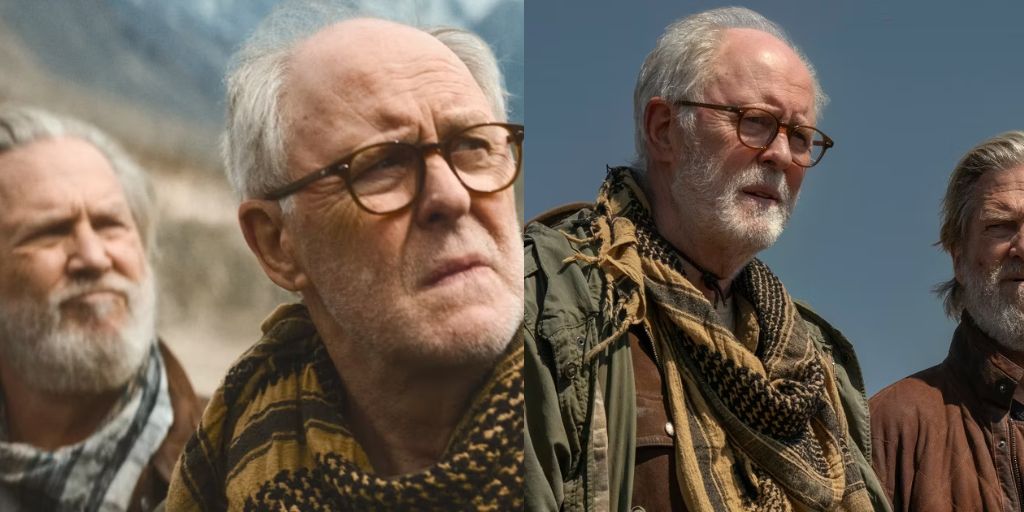
Season 2 kicks off almost immediately after the dramatic events of the first season. Dan Chase and Harold Harper (John Lithgow), having just learned that Emily is in Hamzad’s clutches, goes on a perilous mission to rescue her.
The premiere opens with a tense sequence where Chase and Harper are in the back of a truck, crossing the border into Afghanistan. The scene is a stark contrast to the high-octane action sequences one might expect, focusing instead on the physical discomfort and emotional strain of their covert operation.
Harper’s frustration is palpable as he grapples with Chase’s secrecy about Emily’s true parentage. Despite this, Harper remains committed to the mission, illustrating his deep-seated loyalty and affection for Emily. Their journey takes a dark turn when their truck is stopped by armed men, resulting in a deadly confrontation.

Still from The Old Man (Credit: FX)
Chase’s pragmatic approach and Harper’s traditional thinking clash as they face the grim realities of their mission. Chase’s insistence on avoiding rational planning in favor of a more instinctual approach reflects the chaotic nature of their situation. Yet, Harper’s need for structure and clear directives cannot be dismissed, highlighting the tension between their differing methodologies.
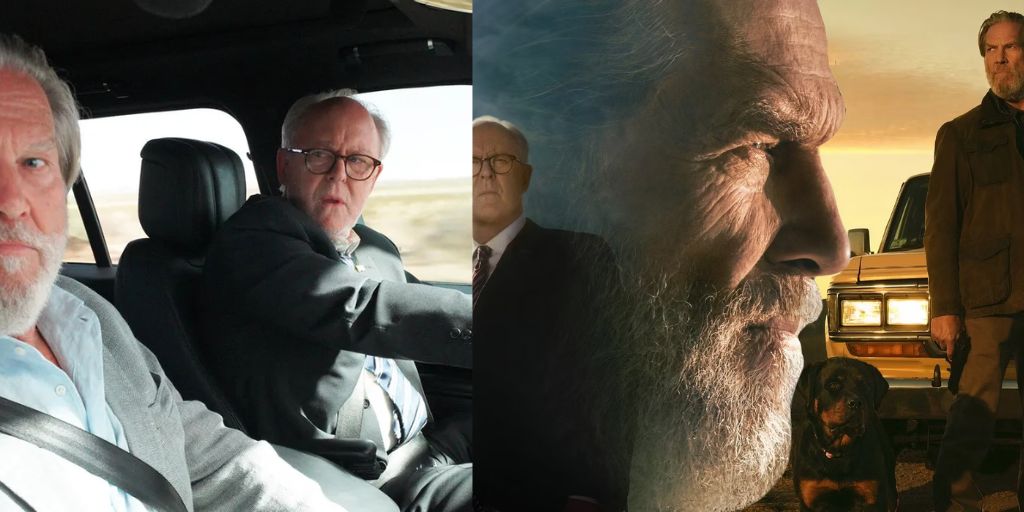
The dialogue between Chase and Harper injects a dose of humor into an otherwise grim situation. Their interplay, with Bridges portraying Chase as the gruff, world-weary operative and Lithgow as the anxious yet determined Harper, offers a moment of levity amidst the tension.
This dynamic adds depth to their characters and enriches the full narrative, ensuring that even in high-stakes scenarios, their personal quirks and relationships shine through.
Resistance Fighters and Double-Crosses: Unraveling the Complex Alliances
Upon reaching the resistance hideout, Chase and Harper face a tense standoff with the local fighters. The initial hostility they encounter underscores the precariousness of their situation and the suspicion with which they are regarded.
The resistance leader’s skepticism is not unwarranted; two strangers arriving unannounced in a conflict-ridden area is bound to raise alarms. The unexpected intervention by Omar (Artur Zai Barrera), who claims to be sent by Commander Abdul Nazary, changes the course of events.
Omar’s character adds layers of complexity to the narrative. His role as a mediator between Chase, Harper, and the resistance fighters introduces additional stakes and potential pitfalls. Chase’s revelation about Hamzad’s involvement in the situation proves pivotal in swaying Omar’s stance.
The discussion about Hamzad’s growing role from hero to villain, driven by the promise of lucrative business deals with the government, paints a multifaceted picture of the region’s shifting alliances.
The encounter with Omar also serves as a narrative device to provide context about the local dynamics and the resistance’s strained relationship with Hamzad. Omar’s insights into Hamzad’s current dealings with the Taliban and his status as a middleman in a lucrative business venture offer important background information.
This exposition helps viewers understand the broader geopolitical context and adds depth to Hamzad’s character, showcasing his transition from a celebrated fighter to a controversial figure.
Flashbacks and Emotional Revelations: Unpacking the Past
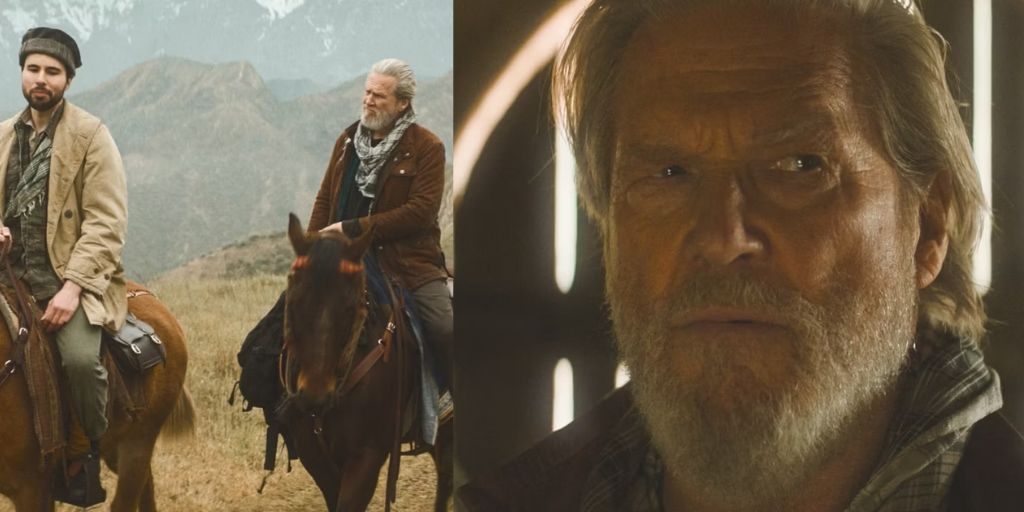
The episode employs flashbacks to enrich the backstory and provide emotional context. A poignant scene featuring a young Chase (Bill Heck) and Abbey (Leem Lubany) in a diner after fleeing Afghanistan offers a look into their past.
Abbey’s instructions to Chase regarding Emily’s identity and Hamzad’s potential threat reveal the layers of secrecy and sacrifice involved in protecting Emily. This scene not only deepens the emotional stakes but also sheds light on the lengths to which Chase and Abbey went to ensure Emily’s safety.
Still from The Old Man (Credit: FX)
The flashbacks are instrumental in understanding the characters’ motivations and the historical context of their current predicament.
Abbey’s insistence on keeping Emily’s origins a secret underscores the complex nature of their decisions and the ongoing impact of their past choices on the present narrative. The emotional weight of these revelations adds depth to Chase’s character, highlighting his internal struggles and the personal stakes driving his mission.
Omar’s Betrayal and Its Fallout: Showing Deception and Danger
As the plot unfolds, Omar’s true allegiance is revealed in a dramatic confrontation. His betrayal as a Taliban spy and the ensuing fight with Chase mark a pivotal moment in the episode.
This twist introduces an element of treachery that further complicates the already volatile situation. The confrontation between Chase and Omar not only escalates the tension but also underscores the dangers of showing alliances in a conflict zone.
Chase and Harper’s subsequent retreat to a hidden cave reflects their desperate situation and the need for regrouping. The cave, an old hideout of Abbey’s, serves as a temporary refuge and a symbol of past connections. Chase’s suggestion that Harper returns to the States underscores the personal stakes involved and highlights the sacrifices made in the pursuit of their mission.
Chase’s growing conviction that Emily may be dead introduces a somber tone to the narrative. His internal struggle and the weight of his past decisions come to the forefront, revealing the emotional toll of their mission.
Harper’s accusations of Chase’s fear of facing Emily and the reality of their situation add to the emotional complexity of the episode. The dialogue between Chase and Harper captures the essence of their relationship, blending tension with moments of genuine connection.
The second episode of the premiere shifts focus to Emily’s experience in Hamzad’s village. Her initial interactions with Khadija (Jacqueline Antarmian) and the revelation of her true identity set the stage for a dramatic view of her past.
The scene where Emily watches a home movie of Hamzad and his daughter is a powerful moment of emotional revelation. Alia Shawkat’s portrayal of Emily’s gradual realization of her repressed memories adds depth to the character and heightens the emotional impact of the scene.
Still from The Old Man (Credit: FX)
Emily’s subsequent meeting with Hamzad in the village graveyard provides a poignant view of family dynamics and unresolved conflicts.
Hamzad’s reluctance to fully confront Emily and his complex emotions regarding his lost daughter add layers of depth to his character. The encounter between Emily and Hamzad serves as a catalyst for showing themes of identity, family, and the consequences of past actions.
The Taliban’s Threat and the Village’s Fate: A Heightened Crisis
The episode concludes with a dramatic escalation of the conflict as the Taliban’s presence threatens the safety of the village. The tension between Hamzad and the Taliban, as well as the looming danger for Emily, creates a high-stakes scenario that drives the narrative forward.
Omar’s role in exposing Hamzad’s deceptions and the looming threat of Taliban retaliation add layers of complexity to the situation. Khadija’s realization of the Taliban’s control over Hamzad’s operations and her efforts to protect Emily highlight the intricate web of alliances and rivalries in the region.
The juxtaposition of personal conflicts with broader geopolitical issues adds depth to the narrative and underscores the high stakes involved in the characters’ struggles.
The Surreal Elements and Their Significance
The surreal elements in the episodes, such as the vision of young Hamzad and the haunting imagery of the cave, serve as a thematic device to show the psychological and emotional dimensions of the characters. These moments add a layer of artistic expression to the narrative, enhancing the full impact of the story.
The use of surreal visuals reflects the characters’ inner turmoil and the blurred lines between reality and perception. These elements contribute to the show’s distinctive style and offer a unique perspective on the unfolding drama.
Conclusion: A Compelling Blend of Drama and Intrigue
The premiere of Season 2 of “The Old Man” effectively blends melodrama with espionage, creating a rich and engaging narrative. The complex character dynamics, emotional revelations, and high-stakes conflicts drive the story forward, offering a compelling continuation of the series.
Still from The Old Man (Credit: FX)
As the season progresses, the interplay between personal and political conflicts, as well as the view of character motivations and alliances, promises to deliver an engaging and thought-provoking viewing experience.
The show’s ability to balance melodramatic elements with intricate plot developments ensures that it remains an attractive and multifaceted drama.
With new episodes airing weekly on FX and available for streaming on Hulu, “The Old Man” continues to attract audiences with its blend of suspense, emotion, and intrigue. As the story unfolds, viewers can anticipate further revelations, dramatic twists, and a deepening view of the characters’ journeys.
