A fierce debate has erupted over the rise of AI-generated Studio Ghibli-style images, which have become a viral sensation across social media. OpenAI’s updated image generation software, part of GPT-4o, allows users to create artwork inspired by the distinct Ghibli aesthetic. However, while the trend initially seemed harmless, it has since spiraled into controversy, prompting criticism from fans, artists, and public figures alike.
The controversy stems partly from Studio Ghibli co-founder Hayao Miyazaki’s long-standing opposition to AI-generated art. Miyazaki has previously voiced disdain for artificial creativity, making the widespread use of AI to replicate his studio’s signature style particularly contentious. Despite this, the trend has gained significant traction, with images inspired by Ghibli classics like Spirited Away and My Neighbor Totoro flooding social media.
OpenAI’s Response and Public Backlash
OpenAI CEO Sam Altman confirmed that the demand for Ghibli-style images has been so high that ChatGPT’s GPUs have struggled to handle the load. He announced that OpenAI has temporarily implemented daily usage caps for free users to manage the surge. Altman’s statement emphasized that, despite the backlash, the feature remains one of the platform’s most popular offerings.
The public response, however, has been mixed. While some users have praised the tool’s ability to recreate the delicate charm of Studio Ghibli’s art, others have condemned its use in politically charged content.
https://t.co/PVdINmsHXs pic.twitter.com/Bw5YUCI2xL — The White House (@WhiteHouse) March 27, 2025
A notable example includes a White House post featuring a Ghibli-style image of a fentanyl trafficker being arrested by ICE — a move critics labeled as “racist propaganda.” Additionally, a Bluesky post revealed an AI-generated Ghibli-style recreation of the Columbine High School massacre, intensifying public outrage.
it’s super fun seeing people love images in chatgpt. but our GPUs are melting. we are going to temporarily introduce some rate limits while we work on making it more efficient. hopefully won’t be long! chatgpt free tier will get 3 generations per day soon. — Sam Altman (@sama) March 27, 2025
Prominent figures have also weighed in on the debate. Evan Minto, co-founder of the manga publisher Azuki, criticized the trend for stripping Ghibli’s art of its emotional depth, reducing it to a mere aesthetic. Author Brian Merchant echoed this sentiment, highlighting Miyazaki’s disdain for AI art and arguing that the trend undermines the soul of Studio Ghibli’s creative legacy.
The Larger Implications for Art and AI
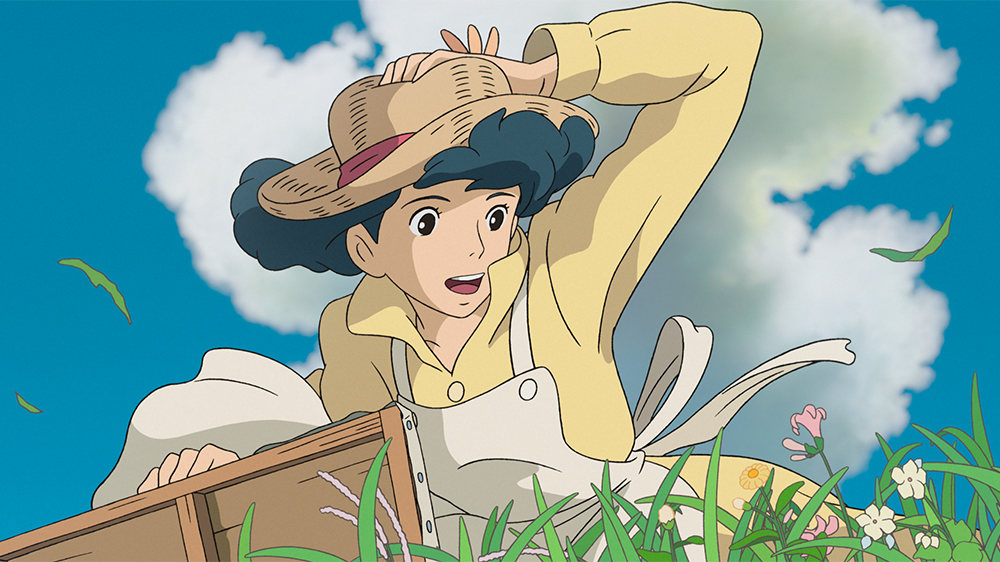
The Wind Rises (Credits: Studio Ghibli)
The controversy surrounding Ghibli-style AI images reflects broader tensions in the art world about the role of artificial intelligence in creative spaces. Many argue that AI-generated art lacks the emotional complexity and cultural context that define human-created works. Studio Ghibli’s films, known for their hand-drawn animation and profound themes, stand as a symbol of human artistry — something critics believe AI cannot authentically replicate.
Nonetheless, the continued popularity of the trend suggests that AI-generated art, even when divisive, holds a significant place in the evolving creative landscape. While OpenAI has not indicated any plans to discontinue the Ghibli-style generator, the public backlash raises important questions about artistic integrity, creative ownership, and the ethical use of AI-generated content.
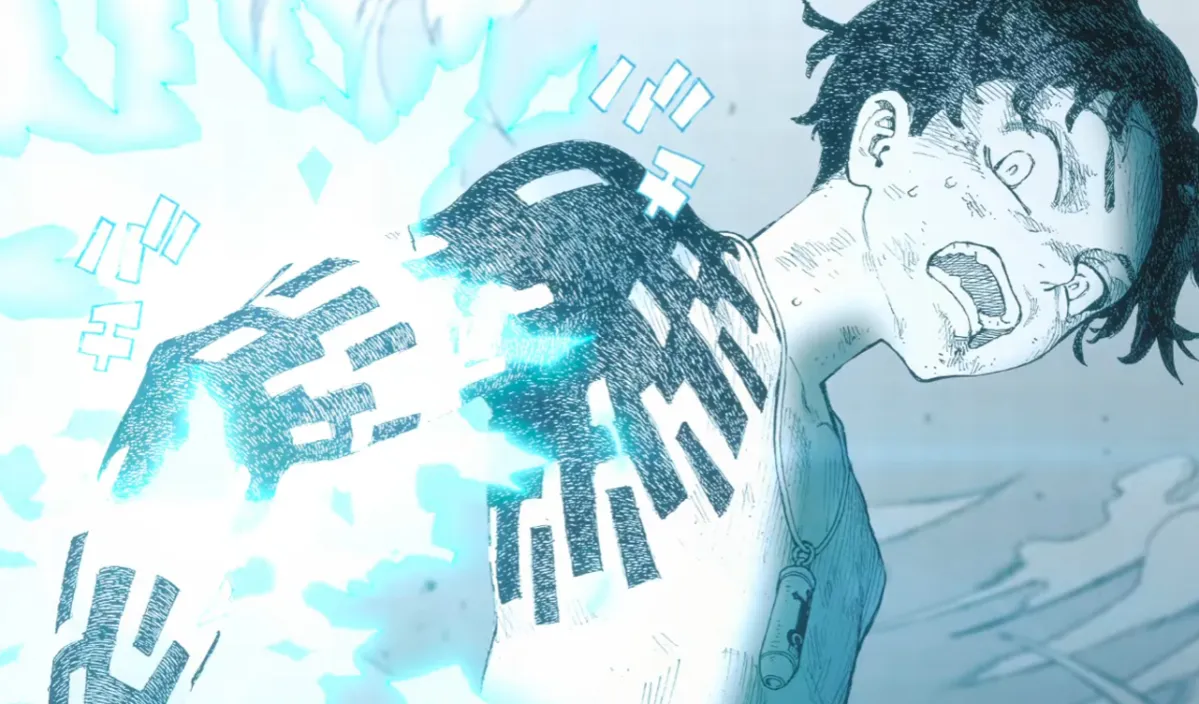
Astro Royale, one of Shonen Jump’s more promising recent series, appears to be nearing cancellation. While there has been no official statement yet, recent publishing details strongly suggest that the manga’s days are numbered. For fans, this comes as disappointing news, but the warning signs have been hard to ignore.
The biggest indication of trouble is the announcement that Astro Royale’s fifth volume will only contain 168 pages, well below the standard 192 pages. This suggests that Shonen Jump’s editorial team is adjusting the volume’s length to extend the series’ presence in the magazine before it ultimately concludes. If this pattern holds, Astro Royale is likely to wrap up around issue 20 or 21, though there’s a chance it could last until issue 24 if the final chapters are split strategically.
The Clues Point to an Early End
<img loading=“lazy” src=“https://otakukart.com/wp-content/uploads/2024/04/Astro-Royale.webp" onerror=“this.onerror=null;this.src=‘https://blogger.googleusercontent.com/img/a/AVvXsEhe7F7TRXHtjiKvHb5vS7DmnxvpHiDyoYyYvm1nHB3Qp2_w3BnM6A2eq4v7FYxCC9bfZt3a9vIMtAYEKUiaDQbHMg-ViyGmRIj39MLp0bGFfgfYw1Dc9q_H-T0wiTm3l0Uq42dETrN9eC8aGJ9_IORZsxST1AcLR7np1koOfcc7tnHa4S8Mwz_xD9d0=s16000';" alt=“Shonen Jump Launches New Manga “Astro Royale” by Ken Wakui - 2”>
Astro Royale (Credits: Ken Wakui)
Shonen Jump rarely alters the page count of ongoing series unless a cancellation is imminent. The decision to shorten Astro Royale’s fifth volume is a strong sign that the series is being quietly prepared for an exit. Adjusting the volume’s length allows the editors to prevent Volume 6 from being too thin, which is a common practice when a series is in its final stretch.
Astro Royale’s early end is likely due to underwhelming popularity or weak sales. Shonen Jump is notoriously ruthless when it comes to cutting series that fail to meet expectations, regardless of their creative potential. The magazine’s competitive nature means that new titles are constantly introduced, forcing struggling series to make way. Sadly, Astro Royale seems to be the latest victim of this system.
How Much Longer Will Astro Royale Last?
Shonen Jump
Initial speculation suggested that Astro Royale would end around issue 20 or 21, but some industry sources now believe it could extend to issue 24. If the editors decide to stretch out the remaining chapters, the series might last a bit longer before wrapping up. Shonen Jump has been known to allow some series extra time to conclude their stories more naturally, but that doesn’t change the fact that Astro Royale’s cancellation seems inevitable.
Even if Astro Royale does make it to issue 24, the underlying signs remain clear. With Shonen Jump’s one-shot project ending soon and the upcoming double issues on the horizon, it’s unlikely the series will survive beyond the current batch of ongoing titles. The best hope for fans is that the creator will be given enough time to craft a satisfying conclusion rather than being forced into an abrupt ending.
Astro Royale’s fate serves as yet another reminder of how competitive the Shonen Jump landscape can be. Even promising series can face early cancellation if they fail to capture a strong enough audience. While Astro Royale may not have secured a long-term spot, its creative run will still be remembered by those who followed its journey from the beginning.