Studio Ghibli has found itself at the center of a major controversy, but this time it’s not about one of its iconic films. Instead, the legendary studio has been dragged into the growing storm over AI-generated art. The situation took a sharp turn this week when rumors began circulating that Studio Ghibli had sent a cease and desist letter to Gib Studio, a platform that uses AI to create Ghibli-style artwork. However, the studio has now come forward to put those rumors to rest.
Following mounting speculation, Studio Ghibli issued a statement through NHK, a major Japanese news outlet, confirming that no legal threats have been made regarding the AI art situation. The statement was brief but direct, with Studio Ghibli making it clear that they have not sent any legal warnings to Gib Studio or any other AI-related platform. This revelation comes after a fake legal document made the rounds online, adding fuel to the already heated debate over AI and copyright in the art world.
Studio Ghibli Slams False Legal Threats Over AI Scandal
Just got this cease and desist from Studio Ghibli AI creators deserve protection, not punishment. Expression is sacred. Imagination is not illegal If I have to be a martyr to prove that, so be it. I’m assembling a legal team Firms who believe in this fight, reach out https://t.co/0leoJsCxBQ pic.twitter.com/3phuHZvIvM — teej (@tj_littlejohn) March 27, 2025
The rumors began when a post on X (formerly Twitter) from a member of the Gib Studio team shared what appeared to be a cease and desist letter from Studio Ghibli. The letter claimed that Ghibli was demanding Gib Studio stop using AI to create art that mimicked the studio’s distinctive animation style. The post quickly went viral, with many fans believing that Ghibli was finally taking a stand against AI-generated art.
However, it didn’t take long for the cracks to show. Netizens soon noticed several inconsistencies with the letter. The document was supposedly sent by Sakura-Hoshino LLP, a law firm that doesn’t exist in Japan or the United States.
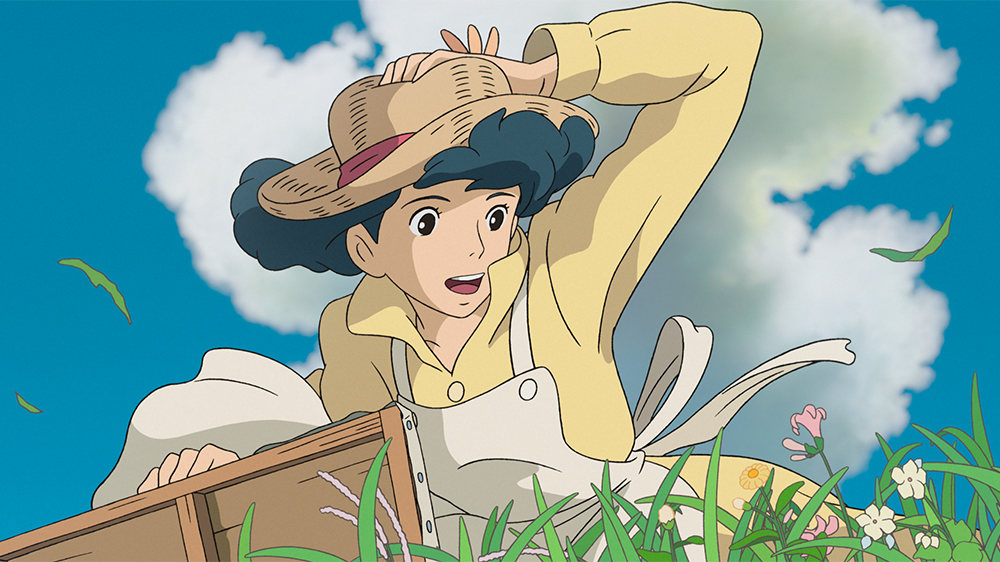
The Wind Rises (Credits: Studio Ghibli)
The listed email address was invalid, and the phone number contained the digits “555” — a common placeholder used in films and TV shows for fictional numbers. These red flags raised immediate suspicions about the document’s authenticity.
In response to growing confusion, Studio Ghibli made a rare public statement to NHK, saying, “There have in fact been no warnings issued.” This puts to rest the claims that Studio Ghibli has taken legal action against Gib Studio — at least for now. But the bigger issue of AI-generated art and copyright remains unresolved, leaving many wondering whether Ghibli will eventually step into the legal arena.
Could Studio Ghibli Take Legal Action Over AI-Generated Art?
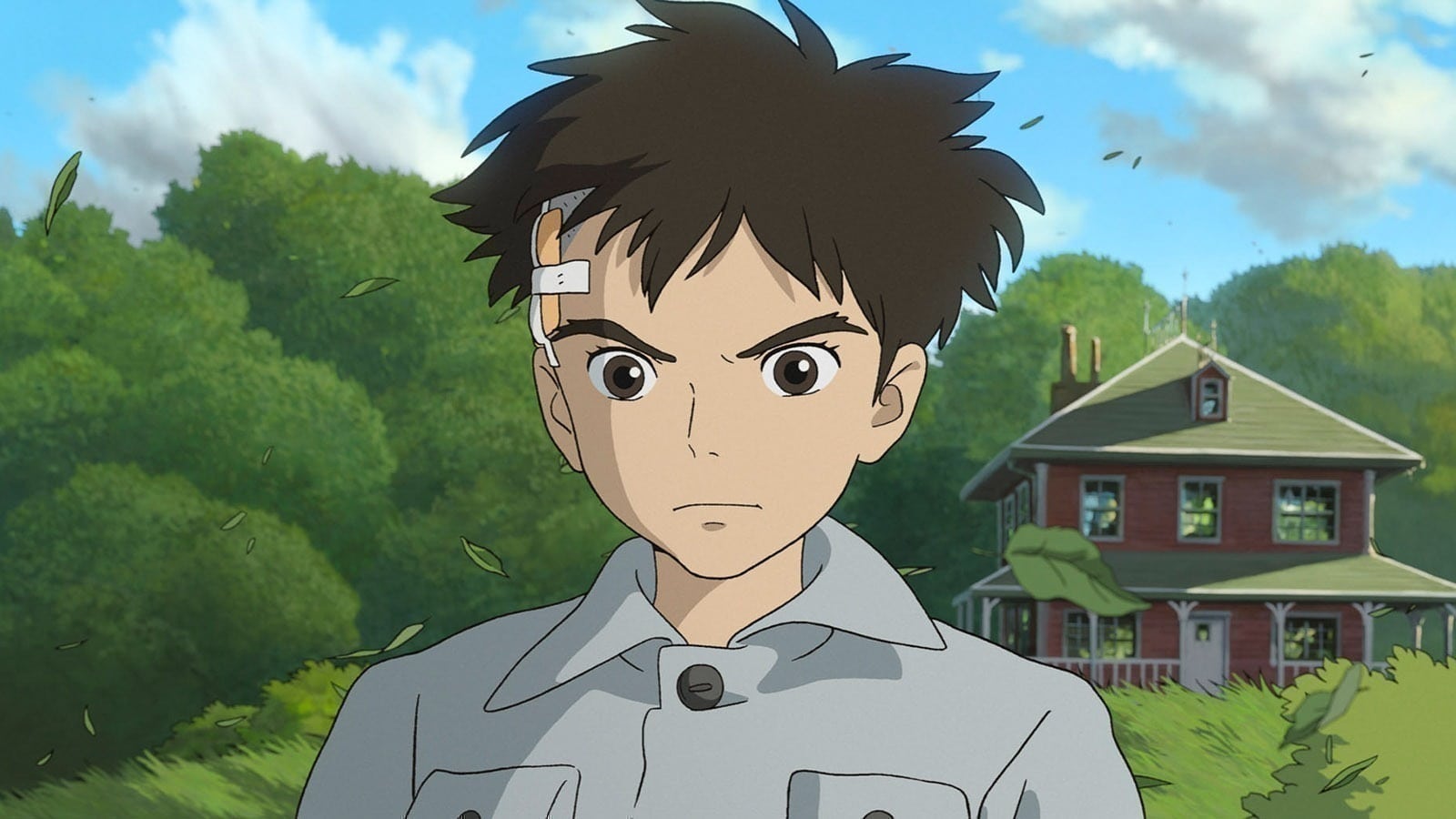
The Boy and the Heron (Credits: Studio Ghibli)
Studio Ghibli’s silence on AI art so far has been notable, especially given director Hayao Miyazaki’s well-known disdain for the technology. Miyazaki has previously called AI an “insult to life,” making it clear that he sees artificial intelligence as a threat to the integrity of art. With OpenAI’s image generation tools now capable of producing art that closely resembles Ghibli’s signature style, the pressure on the studio to take action is mounting.
If it’s confirmed that OpenAI or other AI platforms have been trained on Ghibli’s copyrighted works without permission, the studio could have a strong legal case for copyright infringement. The use of protected intellectual property to train AI models is a legal gray area, but recent lawsuits from artists and other creative industries suggest that courts are beginning to take the issue seriously.
Studio Ghibli’s hesitation to pursue legal action may stem from the complexity of AI-related copyright law. Proving that AI-generated art directly infringes on Ghibli’s intellectual property could be difficult, especially if the training data is not publicly disclosed. However, the potential damage to the studio’s brand and artistic legacy could be motivation enough for Ghibli to explore legal options.
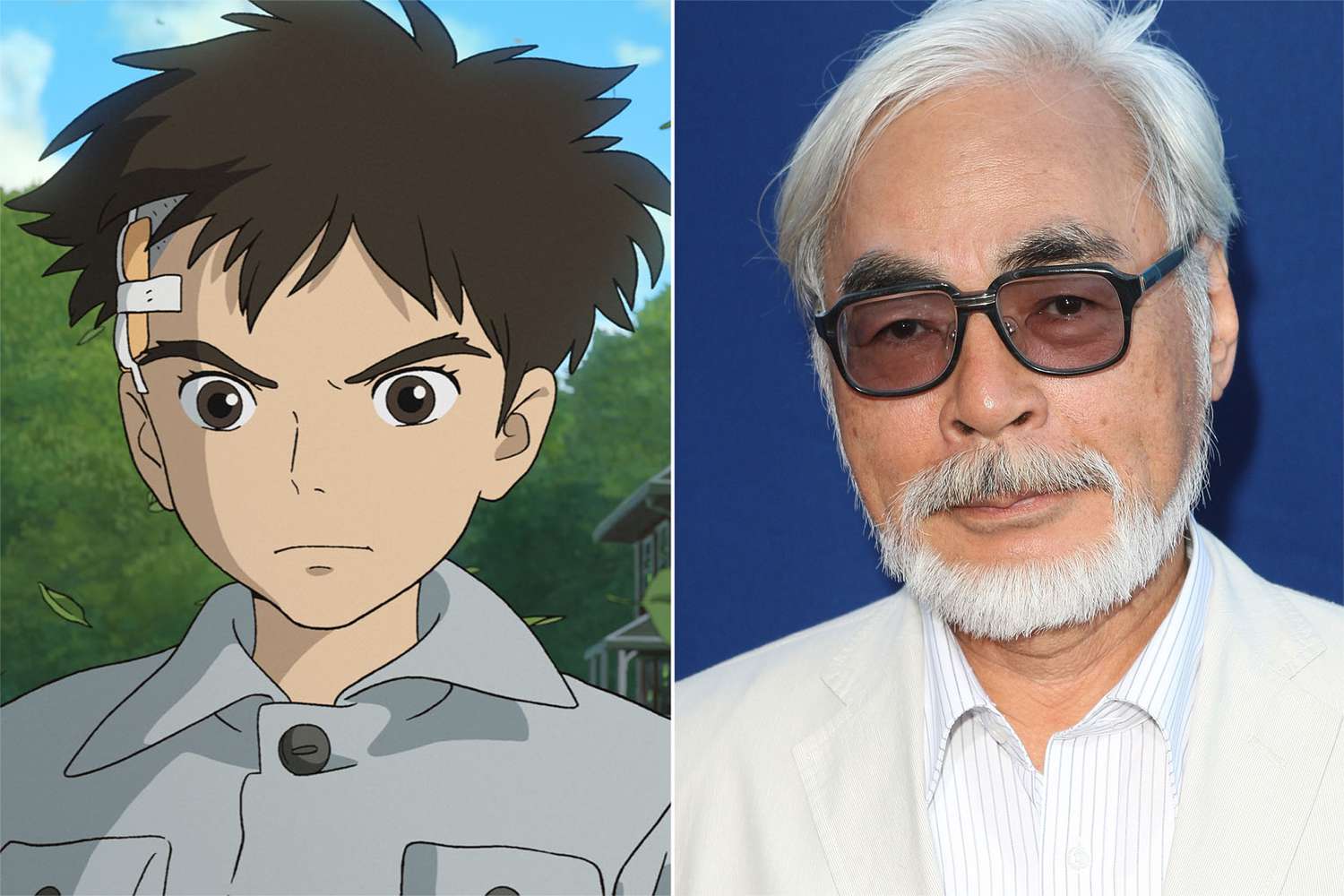
The Boy and the Heron (Credits: Studio Ghibli)
The stakes are high for Studio Ghibli. If AI-generated art continues to spread unchecked, it could diminish the value of the studio’s hand-drawn animation style — a hallmark of its identity. For now, Ghibli appears to be watching the situation closely, but fans and industry insiders alike are eager to see whether the studio will take a harder stance in the coming months.
With AI technology evolving rapidly and the legal around it still taking shape, Studio Ghibli finds itself at a crossroads. The studio’s legacy, built on decades of groundbreaking animation, now faces an existential threat from machine-generated art. Whether Ghibli chooses to fight back or remain on the sidelines, the outcome could set a precedent for how the anime and art industries handle AI’s growing influence.
The rise of AI in anime production is becoming more divisive than ever. Studio Ghibli’s recent entanglement with AI-generated art has sparked heated debate, and now Iizuki Naomichi, director of Twins Hinahima, has stepped into the conversation. As the creator of the first AI-assisted anime, Naomichi stands by the benefits of AI in streamlining production — but he’s drawing a clear line when it comes to creative control.
The debate gained momentum after OpenAI introduced an update that allowed users to generate Studio Ghibli-style art. The resulting flood of AI-generated content ignited concerns about copyright and creative ownership. Amid this backdrop, Naomichi addressed the role of AI at the 3rd Niigata Animation Festival on March 17th , where he defended AI’s ability to enhance, rather than replace, human creativity in anime production.
Naomichi Advocates AI for Efficiency, Not Creativity
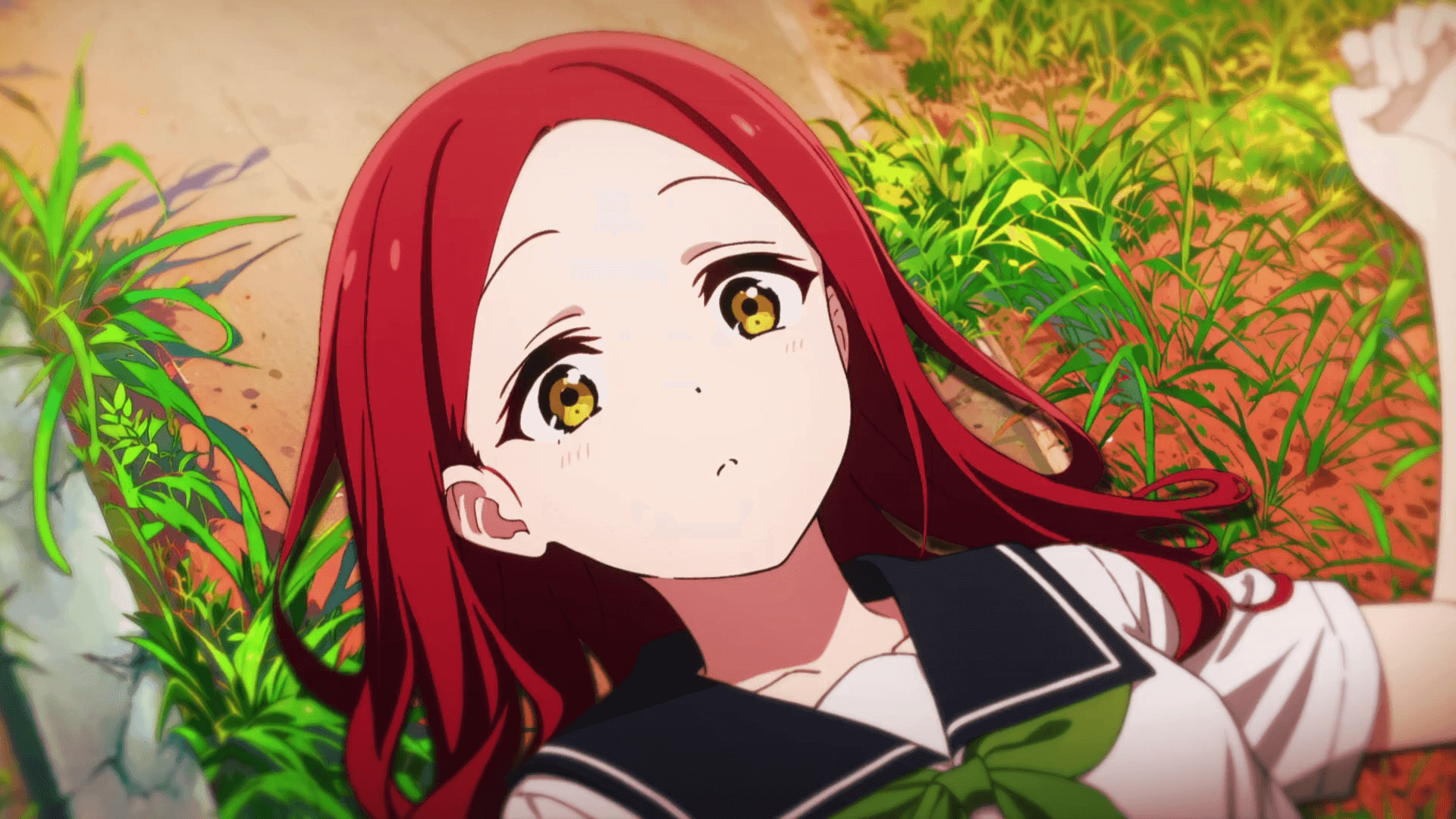
Twins Hinahima
Naomichi, who served as a line producer for Ghost in the Shell SAC_2045: The Last Human, explained that AI is a tool to support animators, not replace them.
Twins Hinahima, which is set to release on March 30th, utilized AI for approximately 95% of the production process — particularly for hair movement and in-between frames. This approach drastically reduced production costs and time, but Naomichi insists that AI’s role should remain in the technical realm, not the creative one.
“I never even thought of entrusting directing to AI. I thought it would be pointless to let AI do the interesting parts of video production,” Naomichi explained. “Anime production is made up of imitation. Animators have to imitate character designs, and in-betweeners have to imitate key drawings. That’s how anime is made. [Animators] have fewer and fewer opportunities to think about directing. I hope that by using AI to reduce production costs, animators will have more opportunities to direct.”
AI’s Role in Recreating Iconic Anime Styles Sparks Debate
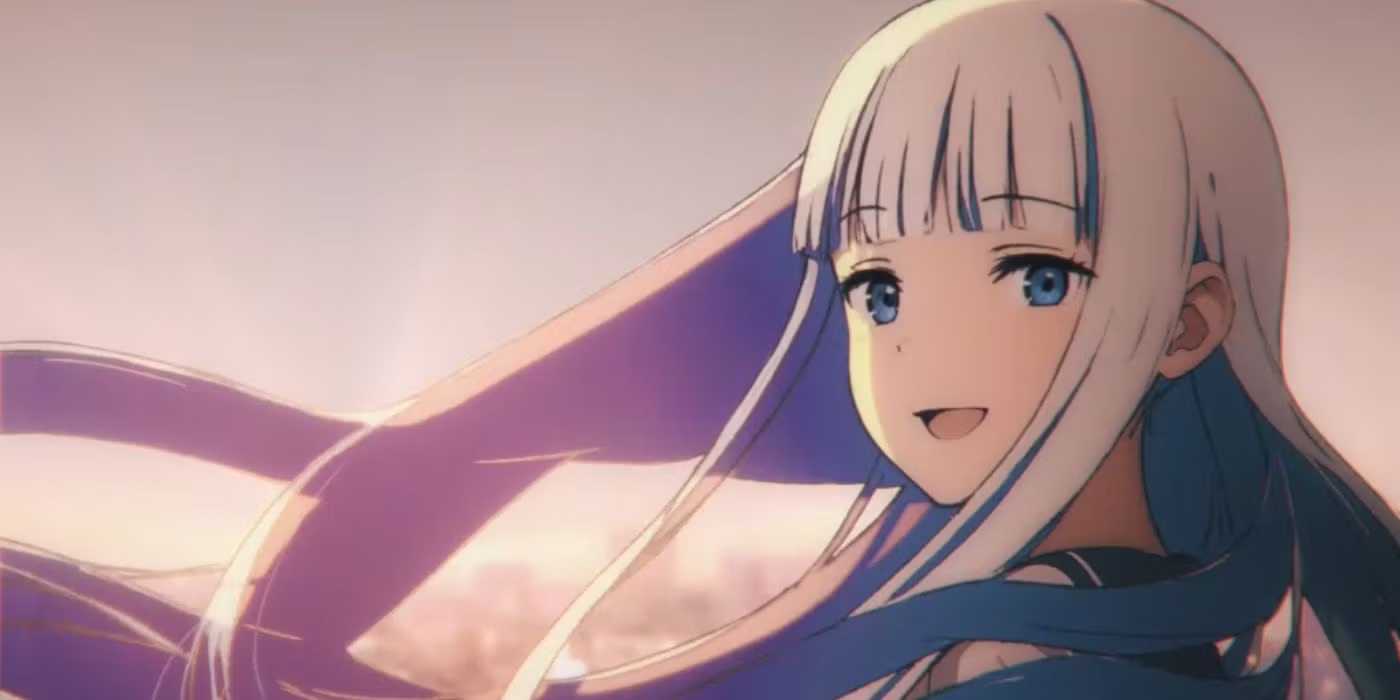
Twins Hinahima
One of the more controversial aspects of AI in anime is its potential to replicate specific artistic styles. Naomichi acknowledged this concern, noting that AI could eventually mimic the nuanced styles of legendary works like The First Slam Dunk (2022). However, he emphasized that AI should remain a supportive tool rather than a creative force.
This sentiment reflects the broader unease surrounding AI in creative industries. If AI can generate Ghibli-style art or replicate the look of classic anime, where does that leave the original artists? The legal and ethical implications of AI-generated art remain largely untested, but cases like Studio Ghibli’s recent controversy suggest that boundaries will need to be drawn soon.
Twins Hinahima Could Set the Tone for AI in Anime
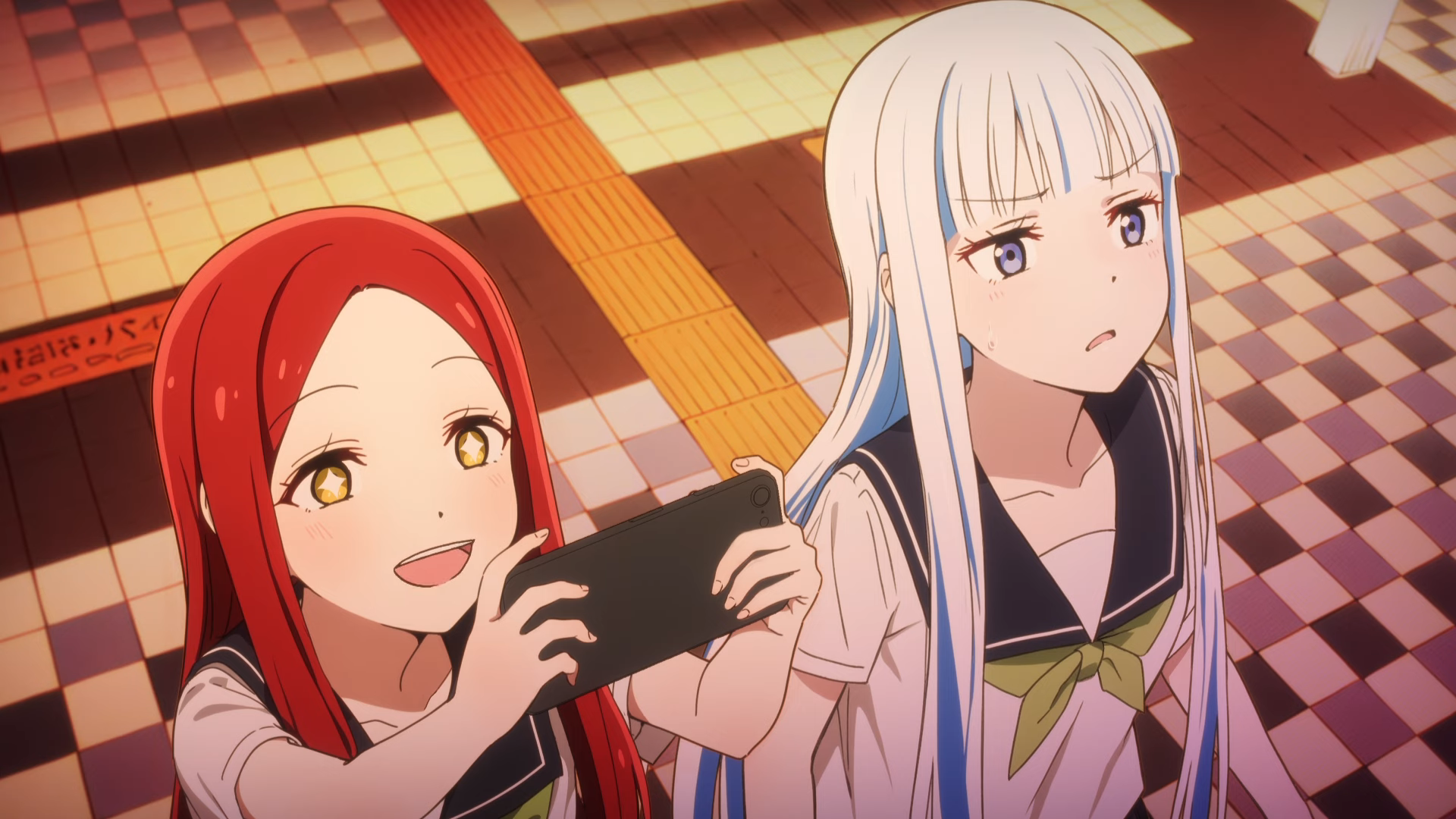
Twins Hinahima
Twins Hinahima will serve as a test case for AI-assisted anime production. The story follows two young girls striving to become famous internet celebrities, only to encounter a series of surreal and unsettling events during their streams. While AI handled much of the production work, the character designs were created by human artists — preserving a balance between human creativity and AI efficiency.
Fans and industry insiders will be watching closely when Twins Hinahima premieres. If the anime succeeds, it could signal a shift toward more AI-supported production in the anime industry. However, if it fails, it may reinforce the argument that AI cannot replicate the human touch that defines anime’s emotional and artistic core.
As the industry grapples with AI’s growing influence, the success or failure of Twins Hinahima could determine how far anime creators are willing to embrace AI in the years to come.
