As artificial intelligence becomes more prominent in the creative world, Studio Ghibli has made its stance clear: it champions the artistry of hand-drawn animation over AI-generated works. This declaration came from GKids, the North American distributor for Ghibli films, following the launch of a 4K restoration of Princess Mononoke. The restoration has already made waves, grossing $1.2 million in previews and reaffirming the enduring appeal of Ghibli’s traditional animation style.
Chance Huskey, VP of distribution for GKids, commented , “In a time when technology tries to replicate humanity, we are thrilled that audiences value a theatrical experience that respects and celebrates Hayao Miyazaki and Studio Ghibli’s masterpiece in all its cinematic hand-drawn glory.” The statement, while celebrating Princess Mononoke’s timeless artistry, subtly rebukes the growing trend of AI-generated art that attempts to replicate Ghibli’s signature visuals.
Ghibli’s Legacy: Defending Traditional Animation Against AI Threats
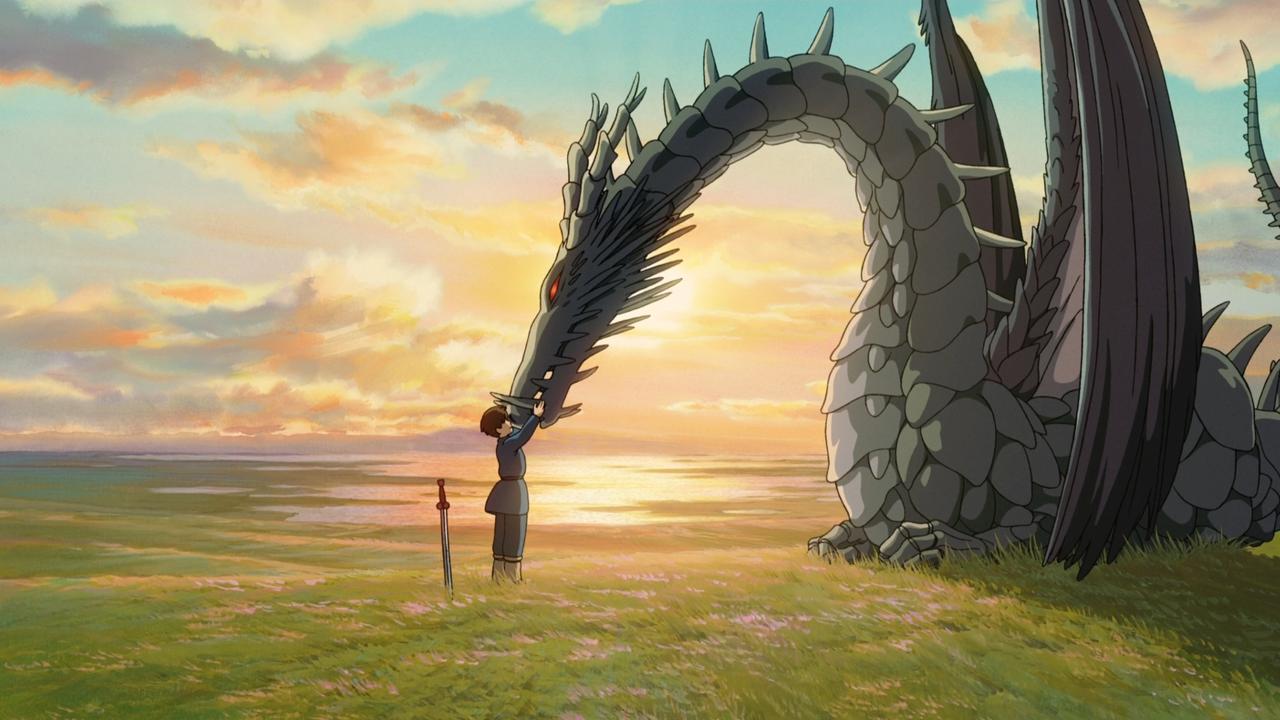
Tales From Earthsea (Credits: Studio Ghibli)
The rise of AI-generated art has sparked significant concerns within the creative community, especially after OpenAI launched a tool that mimics various art styles, including Ghibli’s. AI-generated content quickly flooded social media, with many creators feeling that it undermines the effort and skill behind traditional animation. Miyazaki himself has long been outspoken about his disdain for AI, calling it “an insult to life itself” in 2016, reinforcing his belief that animation should reflect human emotion and craftsmanship rather than automation.
Studio Ghibli’s films, particularly those directed by Miyazaki, are renowned for their meticulous, hand-drawn style, which has influenced generations of animators and artists. The studio’s dedication to preserving this form of artistry is reflected in the personal involvement of its creators. For instance, Akihiko Yamashita, supervising animator for Howl’s Moving Castle, stated that Miyazaki personally oversees every frame of production, often redrawing scenes until they meet his exacting standards.
The Growing Debate: AI in Art and the Fight for Authenticity
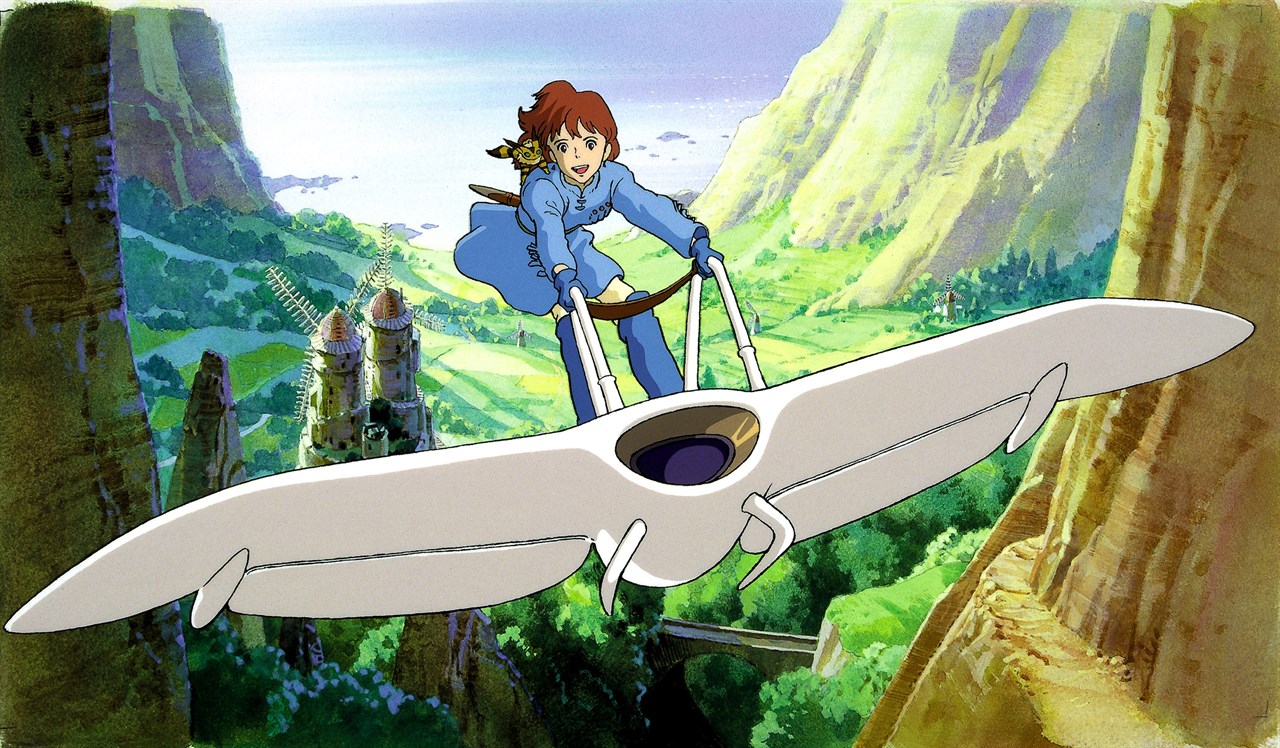
Nausicaä of the Valley of the Wind (Credits: Studio Ghibli)
While some view AI-generated art as a form of tribute or homage to the classic styles of revered artists like Miyazaki, others see it as a devaluation of the craft. Ghibli’s latest statement and its ongoing efforts to promote hand-drawn animation signal its commitment to preserving the legacy of traditional artistry. The increasing use of AI in art, especially in replicating established styles, raises critical questions about the authenticity of creative work and the role of technology in shaping the future of animation.
The conversation surrounding AI-generated art is not just about the technical capabilities of these tools but also about the potential erosion of the creative process. For studios like Ghibli, the emotional depth and human touch inherent in their work are what distinguish it from the growing trend of automated creativity. As AI tools become more sophisticated, the line between tribute and exploitation continues to blur, leaving the future of traditional animation uncertain.
The 100 Girlfriends Who Really, Really, Really, Really, Really Love You continues to be one of the most entertaining and over-the-top anime in recent memory, and season 2 has brought some of its most memorable moments to the screen. Episode 12, in particular, ended the season on a high note, adapting one of the most iconic scenes from the manga — Rentaro’s grand confession to all his girlfriends.
The episode adapted the famous scene from Chapter 37, where Rentaro stands on the roof of the school and delivers an absurdly long 2000+ word confession to all of his girlfriends. The scene became a viral sensation when the manga was first published, and fans were eager to see how the anime would handle such an outlandish moment. True to its hilarious and energetic nature, the anime pulled it off flawlessly, turning the scene into one of the season’s most talked-about moments.
The Confession Scene: Going Viral for All the Right Reasons
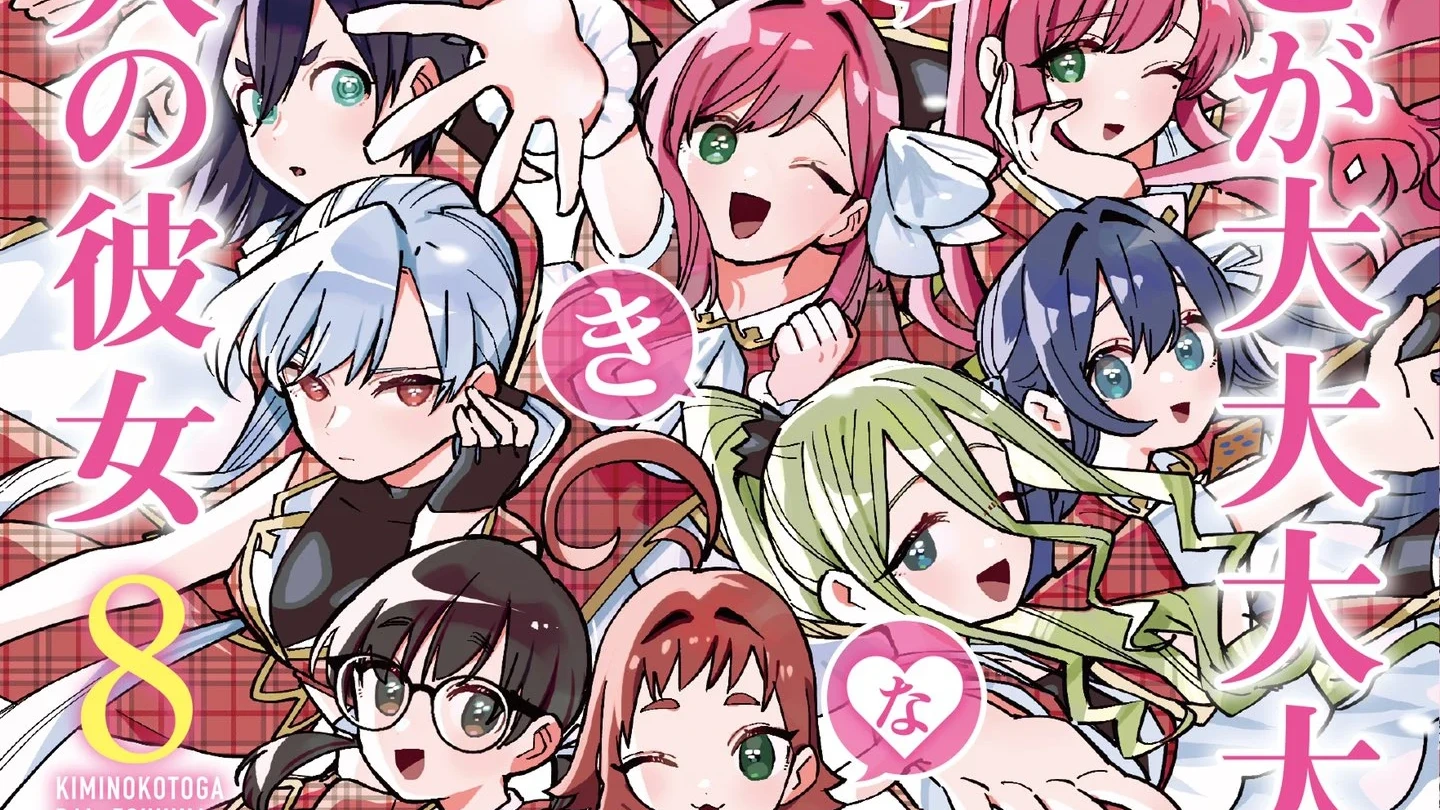
The 100 Girlfriends Who Really, Really, Really, Really, Really Love You (Credits: Shonen Jump Plus)
The original manga panel featured a double spread page filled with Rentaro’s lengthy and passionate declaration of love to each of his girlfriends, and the anime stayed true to that over-the-top energy. The confession scene was about 1 minute and 30 seconds long and saw Rentaro’s speech gradually speed up, which added a comedic twist to the already absurd scenario. Fans of the series couldn’t stop talking about how well the anime adapted this viral moment, capturing the over-the-top nature of the manga perfectly.
While the broadcast version fast-forwards Rentaro’s iconic scene in The 100 Girlfriends Who Really, Really, Really, Really, Really Love You Season 2 finale, Miyu Tomita (the voice of Karane) revealed that during dubbing, Wataru Kato actually delivered the entire speech at normal… https://t.co/ShIcZwoTFG pic.twitter.com/vWM1a5DKwJ — Seiyuu Corner (@seiyuucorner) March 31, 2025
Additionally, the episode included some anime-only content that added even more excitement to the mix. Two new characters, Mimimi and Meme, were introduced as Rentaro’s additional girlfriends, even though they hadn’t yet appeared in the manga. The anime did not shy away from poking fun at this, breaking the fourth wall and acknowledging that these characters hadn’t been introduced in the source material. To add to the fun, Mimimi and Meme performed a couple of karaoke songs, creating a memorable and extra comedic moment for viewers.
A Better Version Awaits: The Blu-ray Release
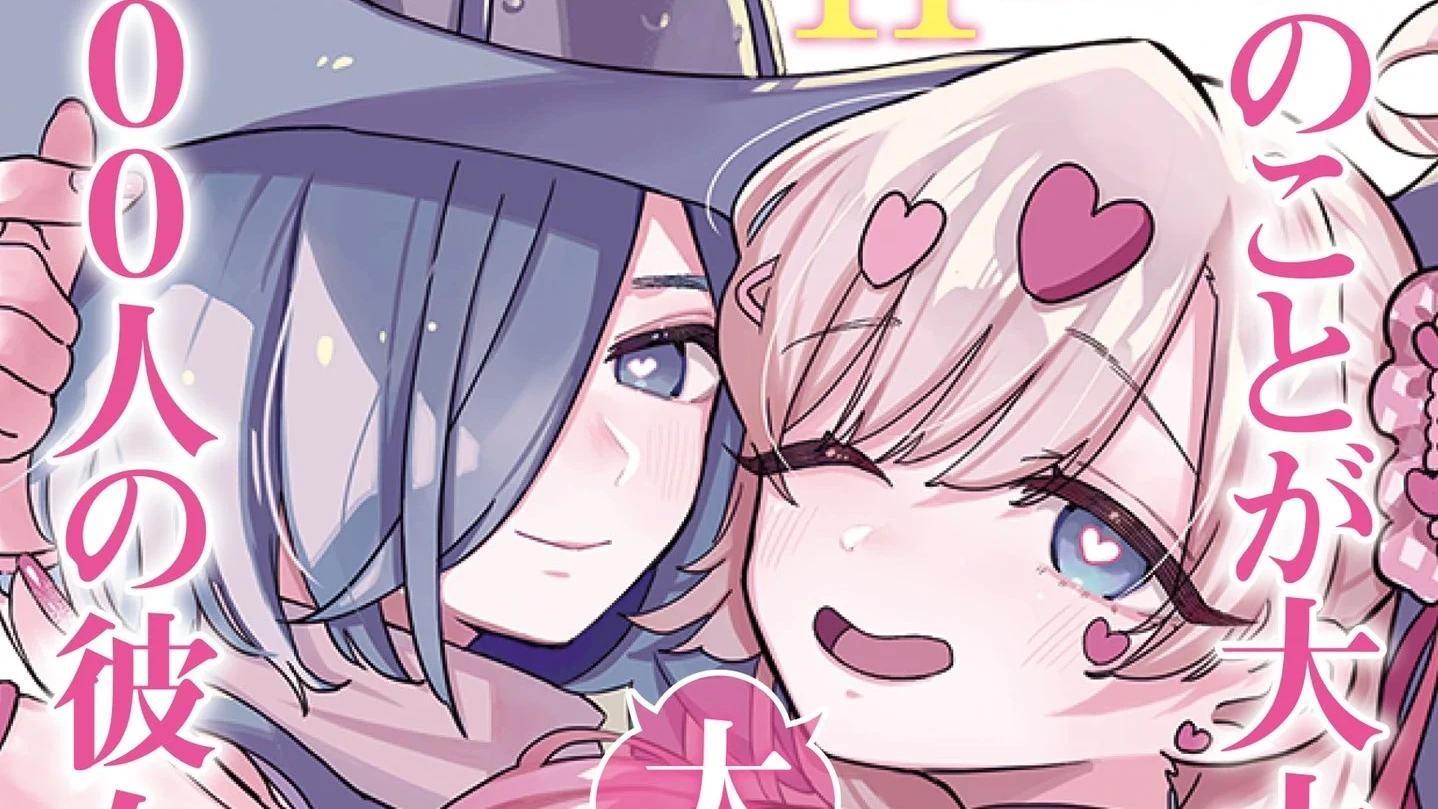
The 100 Girlfriends Who Really, Really, Really, Really, Really Love You | Manga Cover (Credits: Shonen Jump Plus)
Fans who enjoyed the speedy confession scene can look forward to an even better version on the Blu-ray release. Karane’s voice actor, Miyu Tomita, praised the effort of Wataru Kota, who recorded Rentaro’s confession at normal speed. The Blu-ray version will feature the scene in its original speed, removing the comedic speed-up and making the scene even funnier and more in line with the manga’s full comedic intent.
Season 2 of The 100 Girlfriends Who Really, Really, Really, Really, Really Love You has proven to be a delightful and highly entertaining adaptation, hitting all the right comedic beats and enhancing the original source material. The effort put into making the anime just as fun, if not more, than the manga is evident, and fans can look forward to even more laughs in future releases.
