Studio Ghibli has long been synonymous with meticulous hand-drawn animation, where every frame is crafted with precision. Reports suggest that the studio once spent an entire year refining a single frame to meet its artistic standards. This level of dedication showcases the painstaking efforts behind traditional animation, a stark contrast to today’s rapid advancements in AI-driven techniques.
With artificial intelligence now capable of generating high-quality visuals in seconds, the animation industry is facing a transformative shift. What once required years of artistic labor can now be accomplished almost instantly. While this technology offers speed and efficiency, it also raises questions about the value of human craftsmanship in storytelling, particularly in studios known for their deep artistic heritage.
The Evolution of Animation Techniques
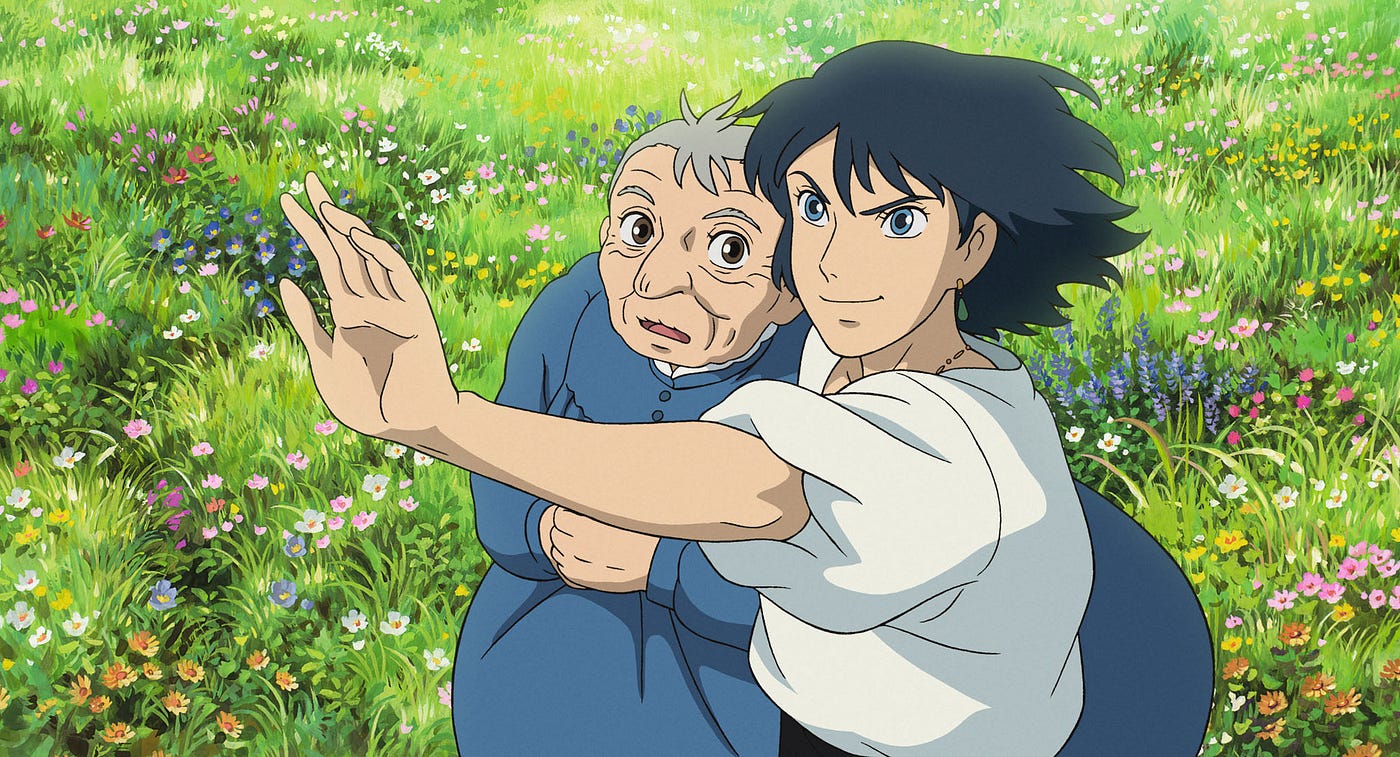
Howl’s Moving Castle (Credits: Studio Ghibli)
Studio Ghibli’s approach to animation prioritizes hand-drawn artistry, where each frame is carefully illustrated and painted to maintain a distinct visual charm. This meticulous process ensures that every movement, expression, and background detail contributes to the emotional depth of the story. Their commitment to this method is what makes classics like Spirited Away and My Neighbor Totoro visually timeless.
This 4 second crowd scene from Studio Ghibli’s took 1 year and 3 months to complete by u/ShaanJohari1 in nextfuckinglevel
AI-generated animation, on the other hand, relies on algorithms to instantly create or modify frames. While this process speeds up production, it lacks the personal touch that defines Ghibli’s work. Many animators worry that the rise of automation could lead to a loss of artistic individuality, replacing heartfelt craftsmanship with formulaic efficiency.
The Debate Over AI in Animation
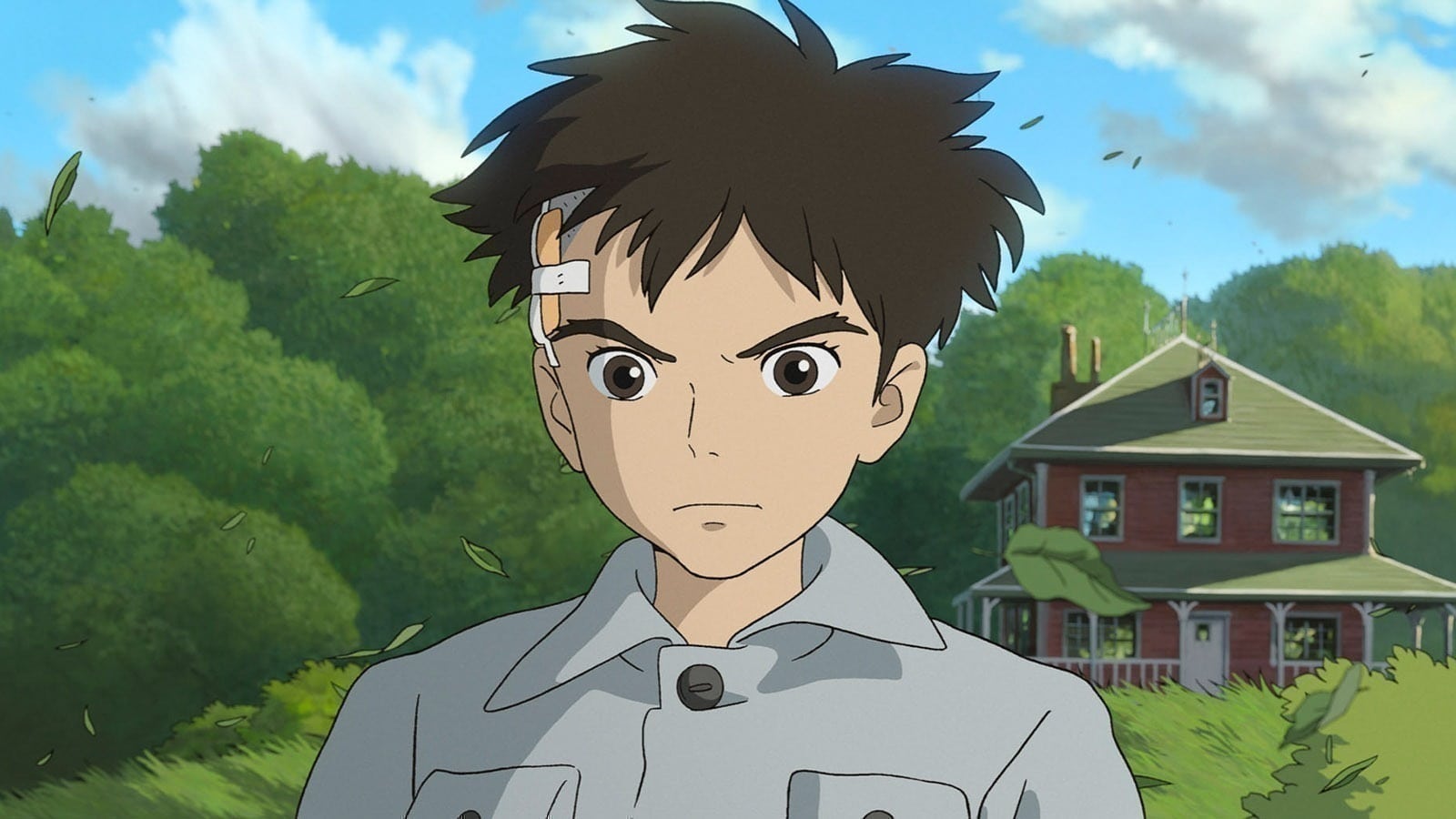
The Boy and the Heron (Credits: Studio Ghibli)
As technology continues to evolve, the animation industry faces a divide between tradition and innovation. AI-driven tools allow studios to produce content faster, reducing labor costs and streamlining workflows. However, purists argue that animation is more than just images—it is an emotional art form that requires human intuition, something artificial intelligence struggles to replicate.
Studio Ghibli’s year-long effort on a single frame symbolizes the dedication and patience that make traditional animation unique. While AI may offer new possibilities, the question remains: can it truly replace the human touch that gives animation its soul? The future of animation may lie in a balance between technological advancements and preserving artistic integrity.
Gege Akutami, the creator of Jujutsu Kaisen, has faced significant online harassment from fans dissatisfied with certain narrative choices, particularly the deaths of beloved characters. This backlash has included intense criticism and even death threats directed at Akutami.
In response to this hostility, Akutami has continued to craft a narrative that remains true to his artistic vision, incorporating unexpected plot developments and character demises. This approach underscores his commitment to storytelling authenticity, despite external pressures.
The Impact of Fan Reactions on Creative Decisions
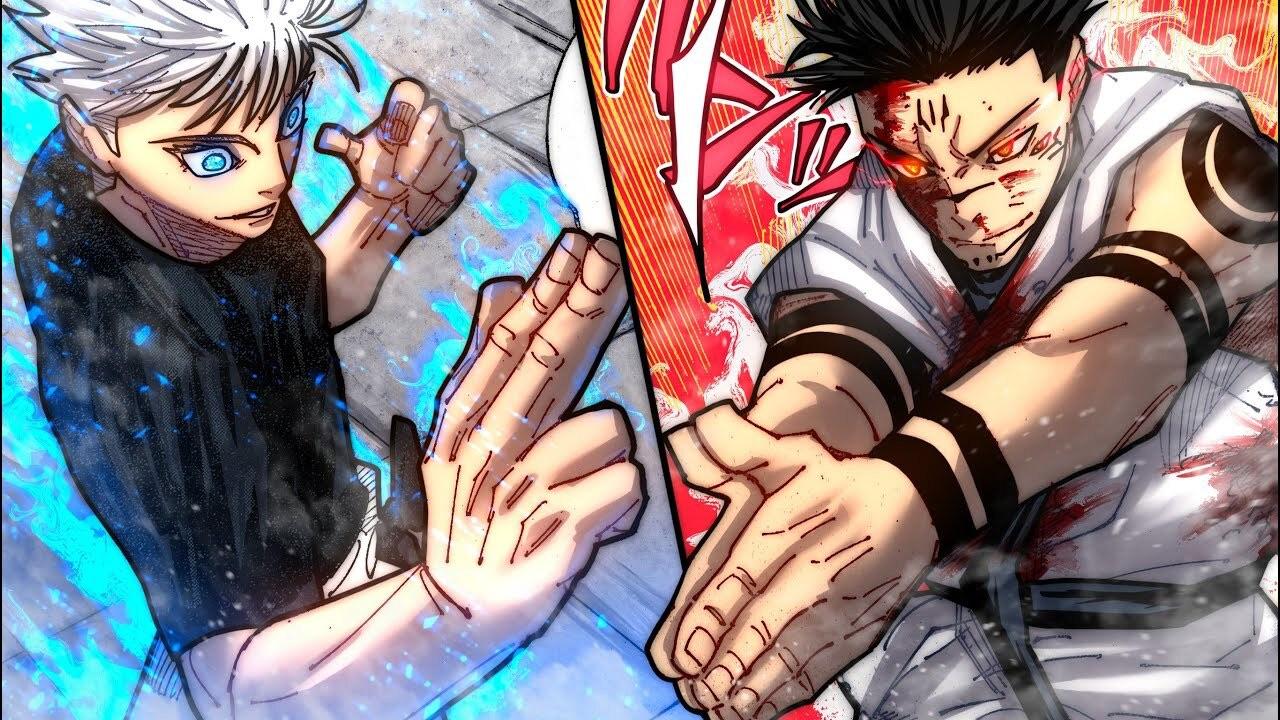
Gojo vs. Sukuna (Credits: Gege Akutami)
The relationship between creators and their audiences can be complex, especially when fan reactions turn negative. Akutami’s experience highlights the challenges artists face when their work elicits strong emotional responses. The intense scrutiny and criticism from some fans have not deterred him from pursuing the narrative path he envisions for Jujutsu Kaisen.
This situation raises important questions about the boundaries of creator autonomy and the influence of audience expectations. While fan engagement is vital to the success of a series, it becomes problematic when it crosses into harassment, potentially stifling creative freedom.
Balancing Artistic Integrity with Audience Engagement
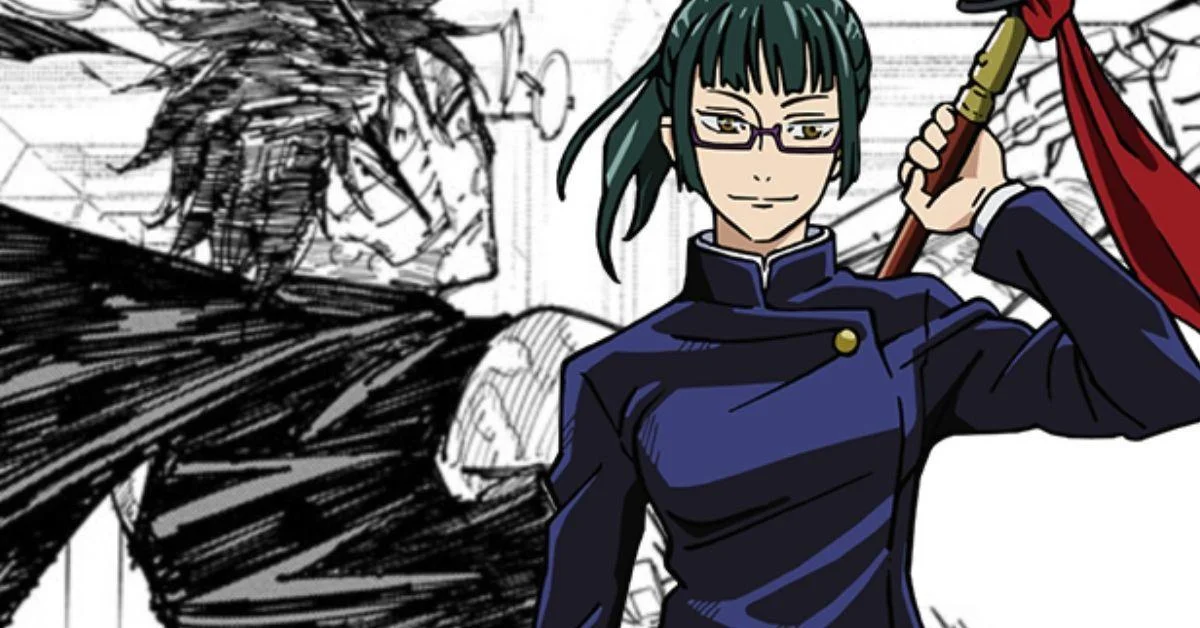
Maki Zenin in Jujutsu Kaisen (Credits: Gege Akutami)
Akutami’s steadfastness in the face of online harassment serves as a reminder of the importance of supporting creators’ artistic choices. The unpredictable and sometimes brutal developments in Jujutsu Kaisen contribute to its unique appeal, keeping readers engaged and invested in the story’s progression.
Fans’ passion for a series is natural, but it’s crucial to express opinions respectfully, recognizing the dedication and effort that creators invest in their work. Encouraging a culture of constructive feedback and appreciation can foster a healthier environment for both artists and audiences.
