Studio MAPPA, widely recognized for producing hit anime such as Jujutsu Kaisen and Attack on Titan, has recently come under scrutiny due to allegations regarding poor working conditions for its animators. Reports highlighting excessive work hours and insufficient pay have sparked concern within the anime community, leading to heated discussions about the broader issues of labor practices in the industry.
These concerns have reignited debates about the treatment of animators, a long-standing issue within anime production. The intense schedules required to meet deadlines for high-profile projects have been criticized for causing significant stress and burnout. Given MAPPA’s prominence in the industry, these allegations have drawn widespread attention, prompting the studio to address the matter and pledge improvements publicly.
Reports of Harsh Work Schedules and Low Pay

Sukuna, Yuji, and Todo (Mappa)
Multiple sources have accused MAPPA of imposing grueling work schedules on its animators while failing to provide adequate compensation. Reports suggest that the relentless pace of production has led to considerable stress, affecting both physical and mental well-being. Many believe that the studio’s rapid output of top-tier anime comes at the expense of the artists behind the scenes, leading to industry-wide concerns.
The reports also claim that animators have struggled with long hours and intense workloads, leading to exhaustion. As the demand for MAPPA’s work grows, so does the pressure on its employees. These conditions have sparked debates about sustainability in anime production and the ethical implications of overworking creative professionals in pursuit of commercial success.
News of MAPPA’s alleged working conditions has fueled discussions about the treatment of animators across the anime industry. Fans and industry insiders have taken to social media to voice their concerns, with many calling for better labor protections. The controversy has shed light on a systemic issue that affects studios beyond MAPPA, raising broader questions about industry standards.
The anime community has expressed disappointment, particularly given MAPPA’s reputation for producing some of the most visually stunning and highly anticipated series. Many feel that the success of these anime should not come at the cost of animator well-being. As discussions intensify, pressure has mounted on studios to rethink how they treat their employees.

Toji Fushiguro (Mappa)
Amid growing criticism, MAPPA has publicly acknowledged the concerns and committed to improving its work culture. The studio has stated its intention to provide better working conditions for its staff, addressing the complaints that have surfaced. While no specific policies have been outlined yet, the response suggests a willingness to take corrective action.
Fans and industry professionals will be watching closely to see whether these promises translate into tangible improvements. Many hope that MAPPA’s acknowledgment of these issues will lead to meaningful change, not just within the studio but across the anime industry as a whole. The coming months will be critical in determining whether the studio follows through on its commitments.
A recent United Nations report has issued a stark warning about the future of Japan’s anime industry, citing worker exploitation as a critical issue that could lead to its collapse. The report highlights serious concerns about the treatment of animators and other professionals, urging immediate changes to protect those who bring beloved anime to life.
Long working hours, low wages, and unfair subcontracting practices have put immense strain on workers, raising alarms about sustainability in the industry. The anime sector, despite its global success, has been built on a fragile labor system that could soon reach a breaking point. With the Japanese government stepping in, the response to these issues will be crucial in shaping the industry’s future.
Issues Plaguing the Anime Workforce
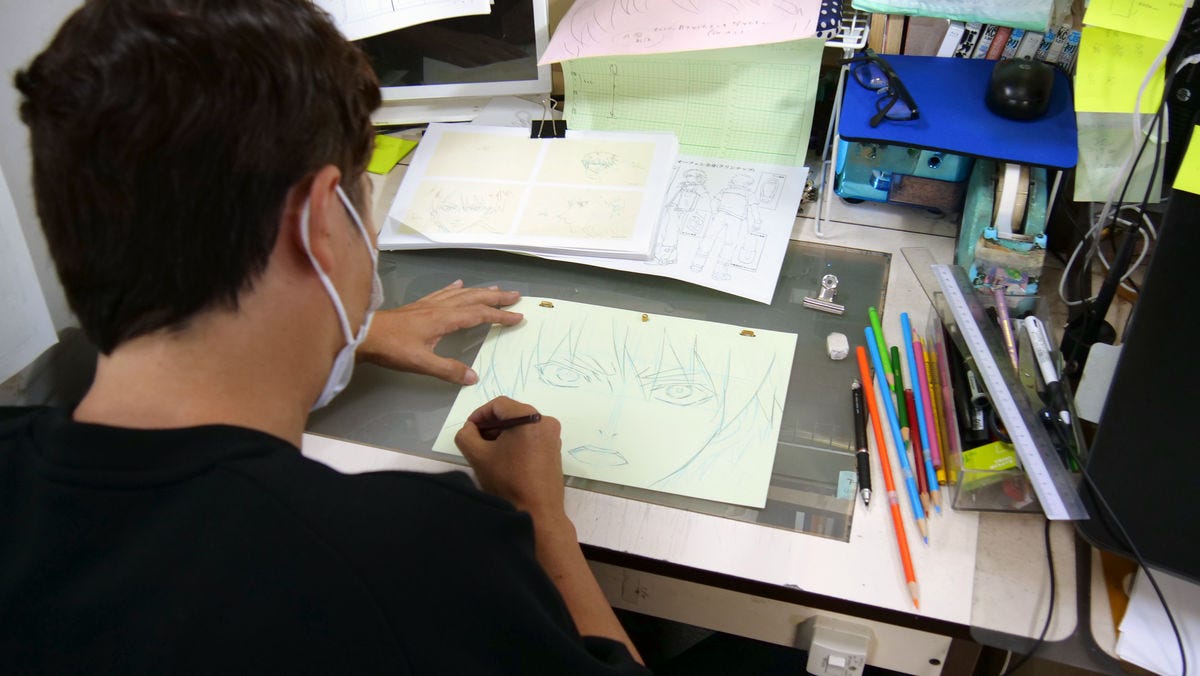
The UN report has shed light on troubling labor conditions that have long been a part of the anime industry. Animators and other workers often endure excessive working hours with little rest, leading to severe burnout. The demanding schedules leave little room for a healthy work-life balance, creating a toxic cycle of overwork.
Low pay is another major issue, with many animators earning wages that do not reflect the time and effort required for their craft. Unfair subcontracting relationships have also been flagged, as smaller studios and freelancers struggle with exploitative agreements. Weak whistleblower protection further discourages workers from speaking out, allowing these conditions to persist unchecked.
To prevent further deterioration, the UN report has outlined several key recommendations aimed at improving working conditions. One of the primary suggestions is increased training in businesses to raise awareness of workers’ rights. Educating industry leaders on ethical labor practices could help drive long-term change.
The report also calls for stronger mechanisms to allow workers to voice grievances without fear of retaliation. Enhancing diversity and inclusion is another crucial step, ensuring a more balanced and fair working environment. Additionally, the UN recommends stricter labor condition checks and penalties for human rights violations to hold companies accountable.
Recognizing the severity of these concerns, the Japanese government has started implementing measures to protect workers in the anime industry. Authorities have strengthened monitoring systems to track labor conditions more effectively. These efforts aim to prevent further exploitation while ensuring that animators and voice actors receive fair treatment.
While these changes signal progress, the road to meaningful reform remains long. With the anime industry continuing to expand, addressing these systemic labor issues is essential to prevent further damage. The effectiveness of Japan’s response will determine whether the industry can sustain its growth without sacrificing the well-being of its workforce.

The Angel Next Door Spoils Me Rotten
If these problems persist, Japan’s anime industry could face a severe labor crisis. The Japan Research Institute has warned that a worsening shortage of animators may pose long-term risks to production. Without urgent intervention, the industry could struggle to keep up with demand, potentially affecting the quality and frequency of new anime releases.
To secure the future of anime, Japan must prioritize improving working conditions before the situation spirals out of control. As global fans continue to support the medium, ensuring fair treatment for its creators will be vital in preserving the industry for generations to come.
