The ending of the Jujutsu Kaisen manga marks a thrilling milestone that has attracted the fans across the globe.
Among the many compelling moments that readers have eagerly awaited, Sukuna’s afterlife scene stands out as a pivotal point that resonates deeply with the audience.
Sukuna, the fearsome Cursed Spirit, has long been a figure of both dread and intrigue, and this scene serves as a profound resolution to his character arc.
Additionally, it acts as a poignant reminder of an earlier, equally significant moment featuring Jogo, a powerful Curse whose ambitions and tragic fate are integral to the story.
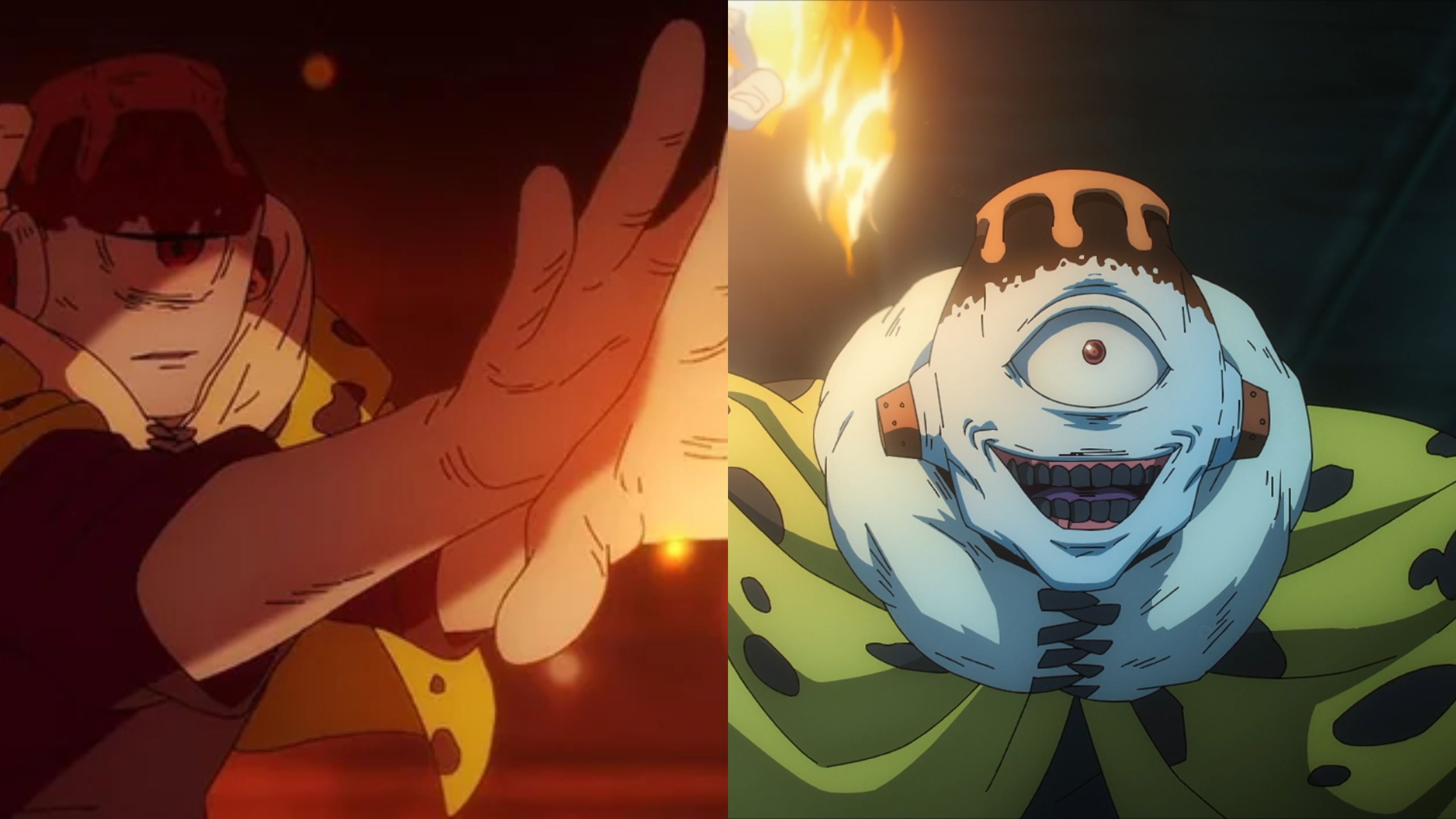
Jogo (Viz Media)
Through this intricate narrative choice, Gege Akutami, the creator of Jujutsu Kaisen, skillfully intertwines themes of loss, power, and emotional growth, leaving a lasting impact on readers.
The nuances of these character interactions invite us to reflect on the complexities of their emotions and the broader implications of their journeys.
Understanding the Depth of Sukuna’s Afterlife Scene
To fully grasp the significance of Sukuna’s afterlife scene, it is essential to revisit chapter 116, which is set during the climactic Shibuya Incident arc.
This chapter features one of the most intense battles in the series, pitting Sukuna against Jogo.
As the two powerful entities clash, Sukuna’s overwhelming flames serve as a testament to his might.
In a dramatic turn, Jogo is forced to confront the harsh reality of his impending death, a moment laden with emotional weight.
In this pivotal confrontation, Sukuna’s dialogue carries profound implications. He expresses a rare sentiment of gratitude and respect towards Jogo, urging him to “Stand proud” as he faces his fate.
This interaction is not merely a fight between two formidable forces; it reveals the complexity of Sukuna’s character, offering a glance into the duality of his nature.
Sukuna gave Jogo a Proud death unlike Hanami and Dagon 💀 #Sukuna #Jogo #Hanami #Dagon #JujutsuKaisen pic.twitter.com/3k2dJAoU4L — 👑Vegeta (@FushiguroxToji) November 9, 2023
Instead of embodying pure malevolence, Sukuna demonstrates that he possesses a sense of honor, respect, and even a recognition of shared struggles.
The Emotional Parallel: Jogo and Sukuna
Fast forward to chapter 271, where the narrative revisits the theme of afterlife but centers on Sukuna’s journey.
Accompanied by Uraume, his loyal servant, Sukuna finds himself in a contemplative state, grappling with the unfamiliar emotion of defeat.
This shift in perspective is crucial, as it marks a turning point in Sukuna’s character development.
The parallel between Jogo’s acceptance of his fate and Sukuna’s emerging emotions is not merely a narrative device; it serves as a deep exploration of character growth.
Sukuna’s acknowledgment of defeat signifies a significant evolution, suggesting that he is beginning to understand the vulnerability he once dismissed.
This transformation invites readers to reflect on the intricate dynamics of power, pride, and emotional resilience.
Sukuna’s Growth and Transformation
As Uraume becomes overwhelmed with emotion and begins to cry, Sukuna’s response is telling of his transformation.
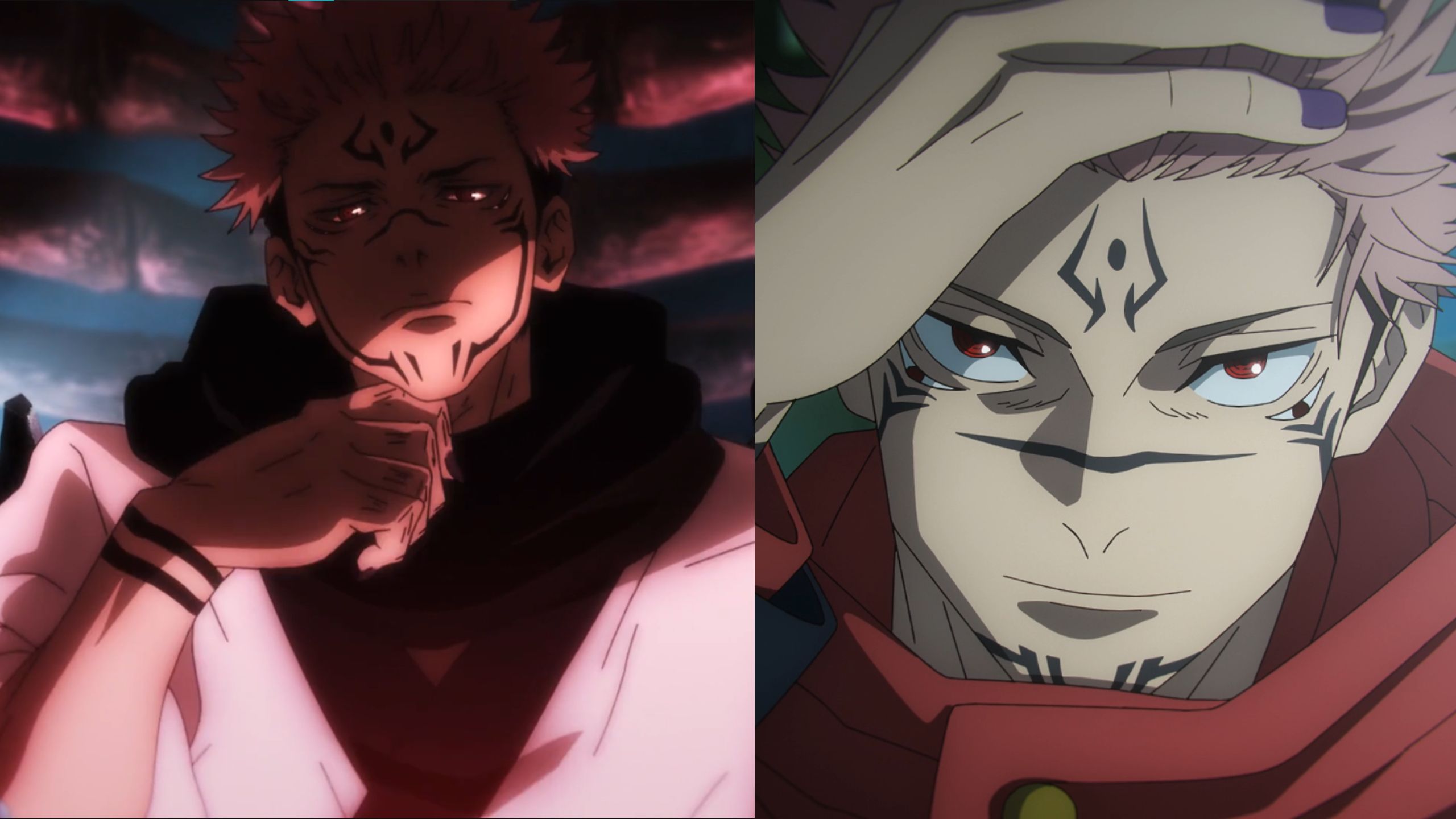
Yuji Itadori And Sukuna (Viz Media)
Rather than ridiculing or dismissing Uraume’s tears, he extends a comforting presence.
Placing his hand on Uraume’s shoulder and guiding them forward signifies a notable departure from Sukuna’s previously ruthless demeanor.
This tender gesture showcases an unexpected side of the Cursed Spirit, hinting at a quiet transformation within him.
In his earlier confrontation with Jogo, Sukuna was unable to grasp the emotion of defeat. He had never experienced it himself, which made it difficult for him to empathize with Jogo’s situation.
However, following his own defeat at the hands of Yuji Itadori, Sukuna has undergone a profound internal change.
For the first time, he confronts the reality of being bested, opening a new chapter in his understanding of emotions.
The tears of Uraume, representing vulnerability that Sukuna had previously neglected, now evoke compassion within him, illustrating a remarkable evolution in his character.
Gege Akutami’s Masterful Storytelling
The decision made by Gege Akutami to weave these parallel scenes together showcases his masterful storytelling abilities.
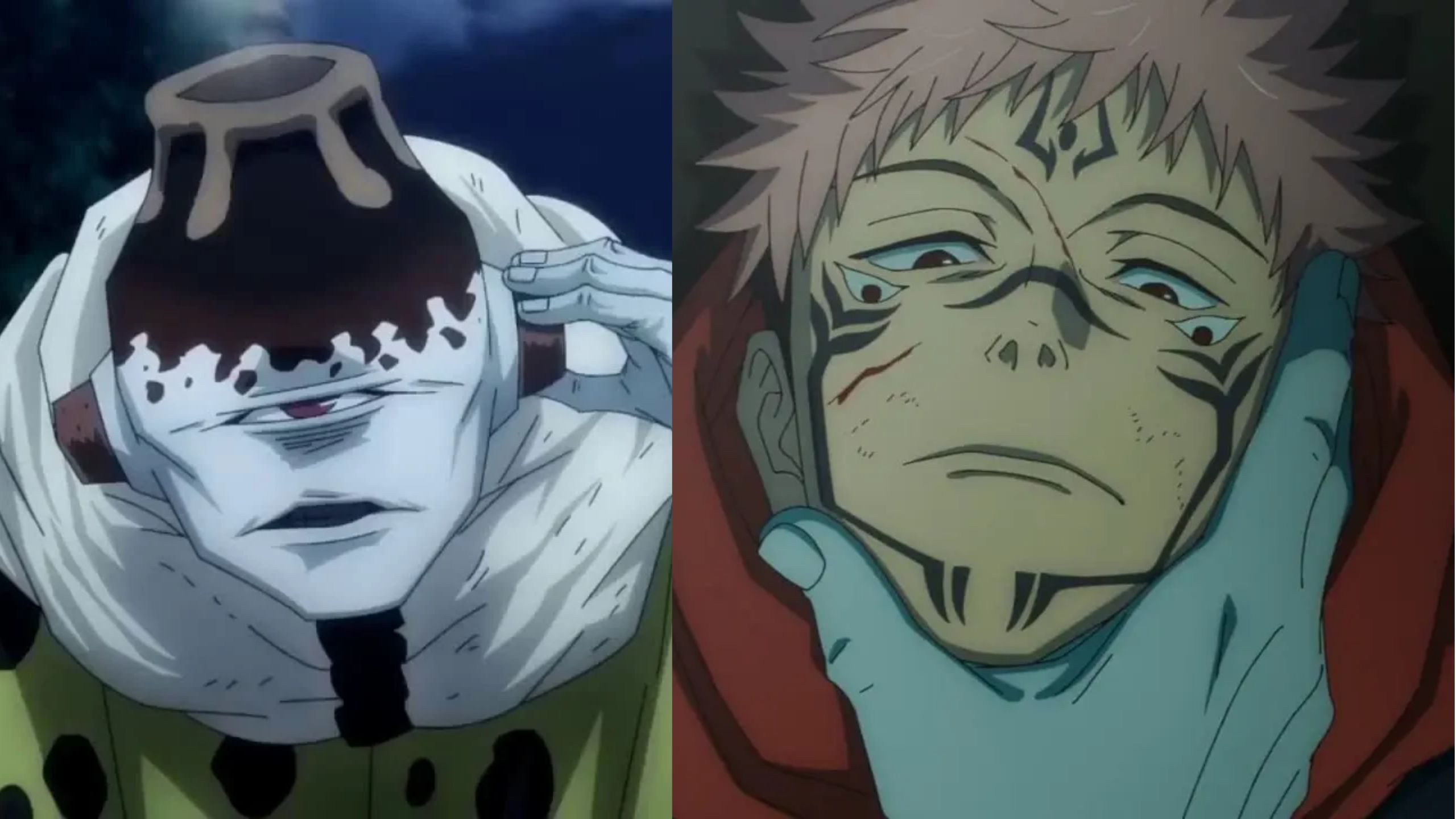
Jogo And Sukuna From Jujutsu Kiasen (MAPPA)
By connecting Jogo’s farewell to Sukuna’s afterlife experience, Akutami amplifies the emotional impact of both moments.
This narrative choice not only heightens the stakes of Sukuna’s journey but also highlights the complexity of his character development.
The subtle yet impactful shift in Sukuna’s perspective, moving from dismissive towards Jogo’s emotional state to being empathetic towards Uraume, emphasizes the intricacies of his psyche.
This evolution challenges readers’ preconceived notions of power and the emotional turmoil that can accompany it.
Akutami’s narrative choices invite readers to jump deeper into the characters’ motivations, creating a drapes that underscores the interconnectedness of their experiences.
The Nature of Power and Vulnerability
Through Sukuna’s journey, Akutami prompts readers to reflect on the nature of power and vulnerability.
The afterlife scene in the Jujutsu Kaisen finale serves as a stark reminder of the intricacies of these themes, emphasizing that power does not exist in a vacuum.
Sukuna’s experiences force us to confront the reality that even the most formidable beings can experience moments of weakness.
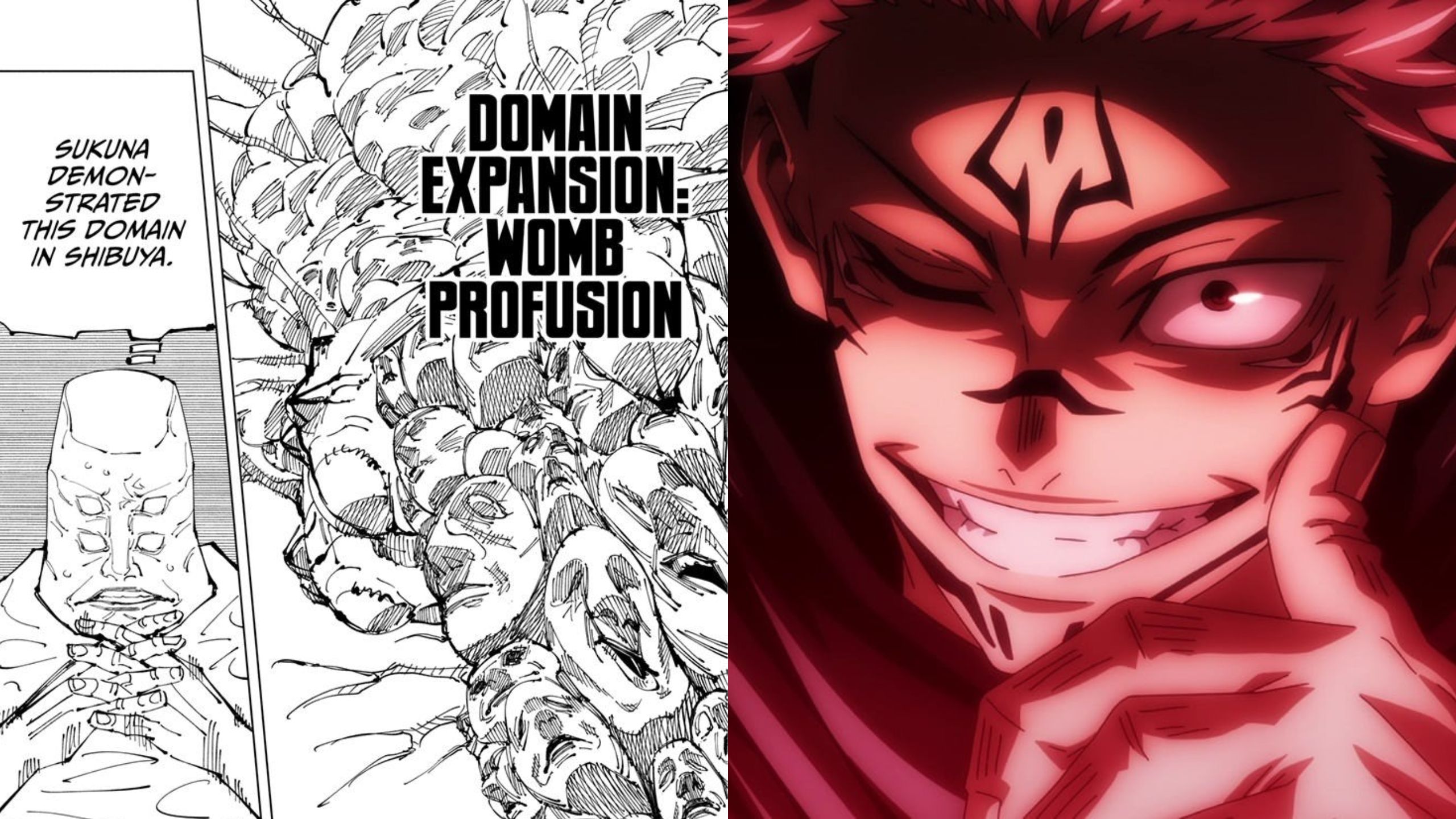
Domain Expansion Womb Profusion And Sukuna (image via Mappa)
Sukuna’s encounter with defeat leads him to grapple with the implications of power.
This internal conflict improves him beyond a mere antagonist; he becomes a character with whom readers can identify on a more profound level.
His struggle to reconcile his past actions with his newfound understanding of vulnerability resonates with the human experience, reminding us that everyone faces moments of doubt and introspection.
The Afterlife Scene as a Culmination of Character Arcs
The afterlife scene in Jujutsu Kaisen represents the culmination of Gege Akutami’s intricate storytelling.
By drawing on earlier moments, such as Jogo’s farewell, Akutami creates a cohesive narrative that speaks to broader themes within the series.
This narrative strategy not only enhances the emotional impact of the finale but also reinforces the importance of character development throughout the story.
The interconnectedness of these moments exemplifies Akutami’s ability to craft rich, compelling arcs that challenge readers to engage with the material on multiple levels.
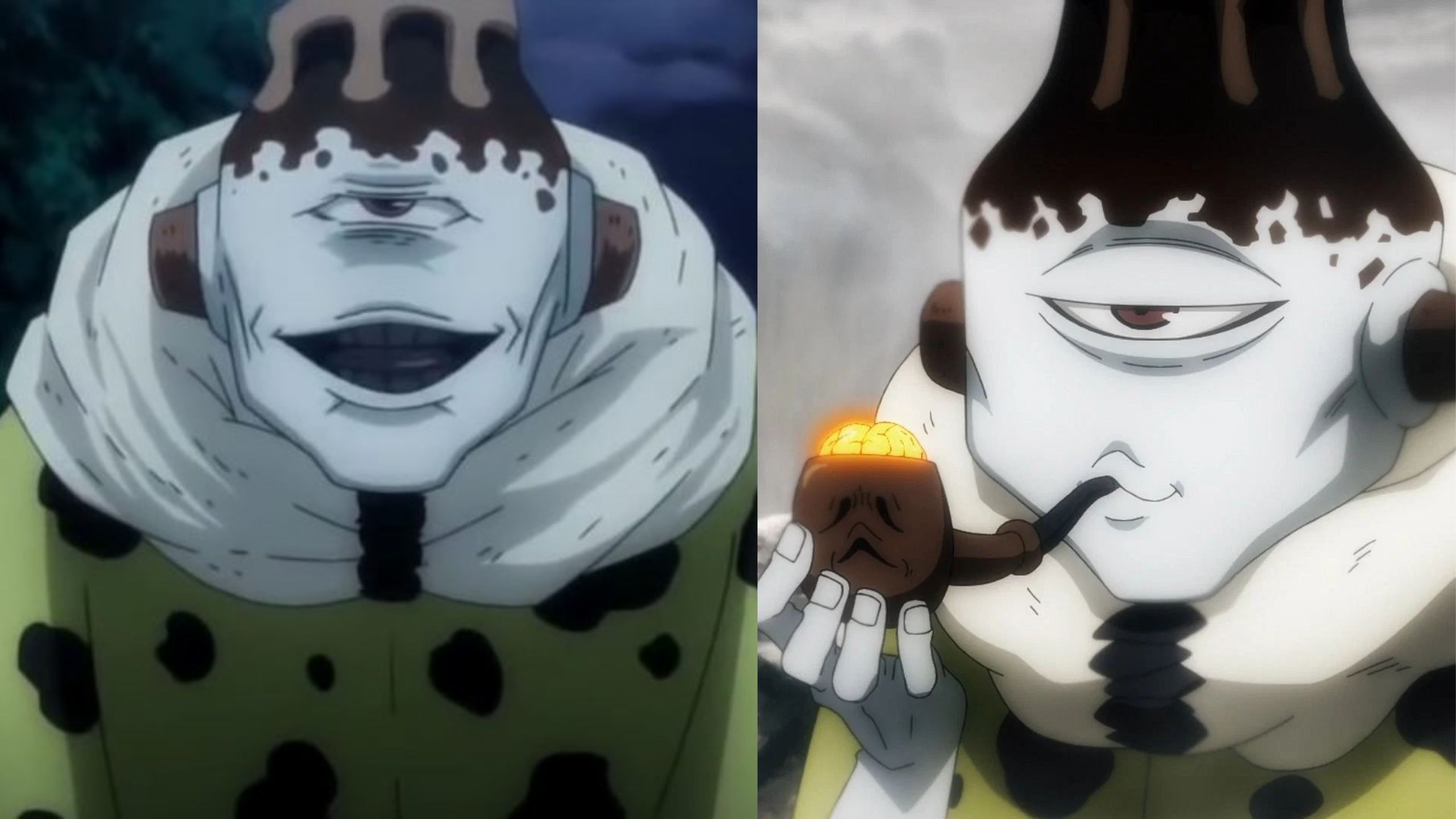
Jogo From Jujutsu Kiasen (MAPPA)
The emotional stakes are heightened as we witness Sukuna’s transformation, inviting readers to contemplate the implications of power, loss, and the human experience in a world filled with curses and sorcery.
Reflecting on Themes of Loss and Redemption
As Sukuna steer across his afterlife, he is confronted with the themes of loss and redemption. His relationship with Uraume serves as a conduit for exploring these ideas.
Uraume’s tears represent not only personal grief but also the shared sense of loss experienced by those who have witnessed the downfall of a once-powerful being.
Sukuna’s response to Uraume’s vulnerability becomes a pivotal moment in his journey toward redemption.
This exploration of loss transcends individual experiences, resonating with the audience on a universal level.
The shared grief and vulnerability depicted in these scenes emphasize the interconnectedness of human experiences, inviting readers to reflect on their own struggles and the importance of empathy in steer across difficult emotions.
The Role of Empathy in Character Development
One of the most compelling aspects of Sukuna’s afterlife scene is the role of empathy in character development.
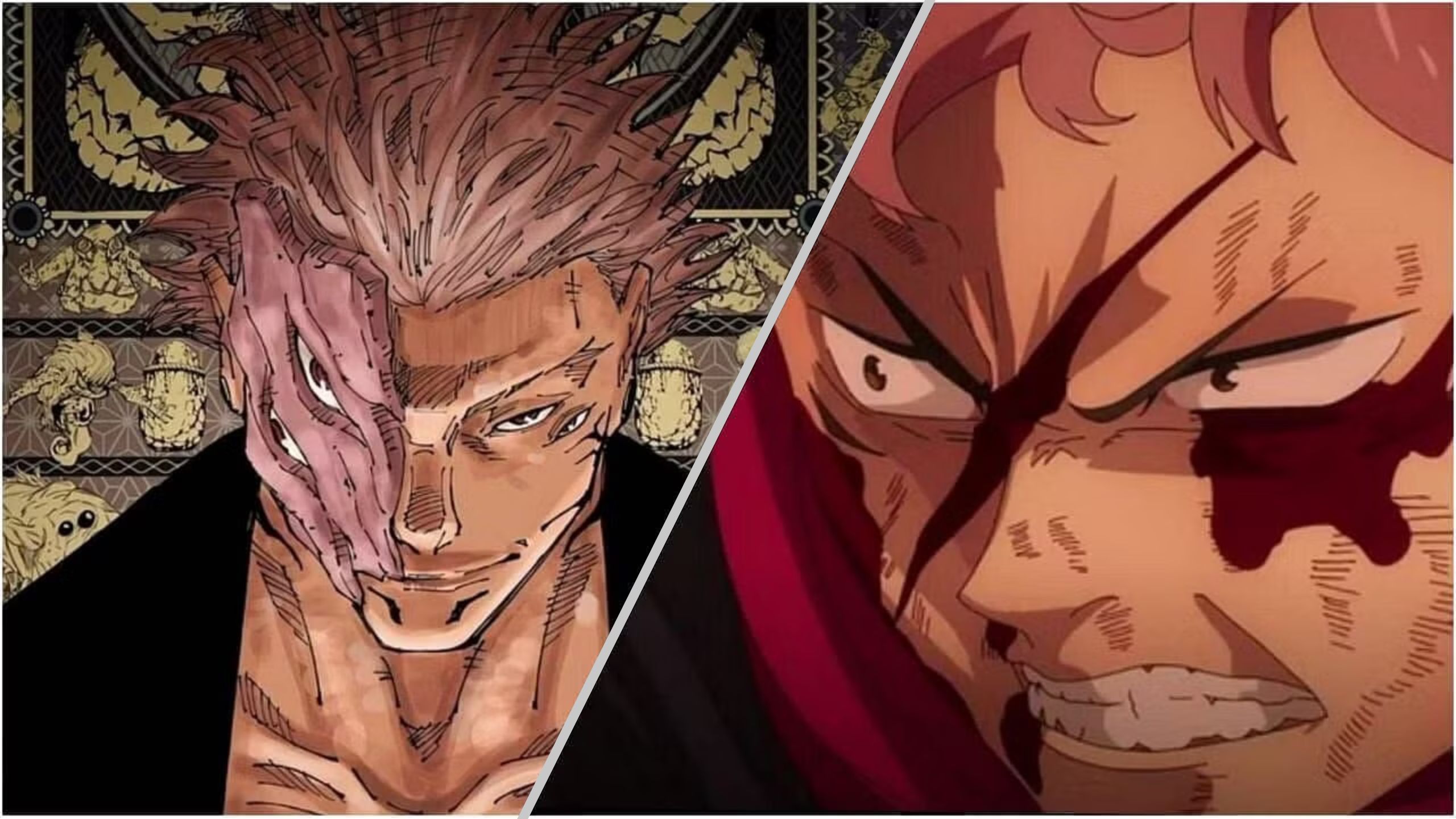
Sukuna and Yuji are going to have a final battle (Image via Shueisha and MAPPA)
As he begins to understand Uraume’s pain, Sukuna’s evolution takes on a more profound significance.
His ability to empathize with another being reflects a fundamental aspect of humanity, one that transcends the boundaries of good and evil.
Akutami’s exploration of empathy serves to highlight the complexities of Sukuna’s character.
By depicting his gradual shift from a ruthless Cursed Spirit to a figure capable of compassion, Akutami challenges traditional notions of heroism and villainy.
This nuanced portrayal invites readers to reconsider their own perspectives on morality and the choices individuals make in the face of adversity.
The Narrative Techniques Employed by Akutami
Gege Akutami employs various narrative techniques to enhance the emotional depth of Sukuna’s afterlife scene.
The use of parallelism between Sukuna and Jogo not only reinforces the thematic connections but also enriches the reader’s understanding of character development.
By presenting two characters at different points in their journeys, Akutami emphasizes the transformative power of experience.
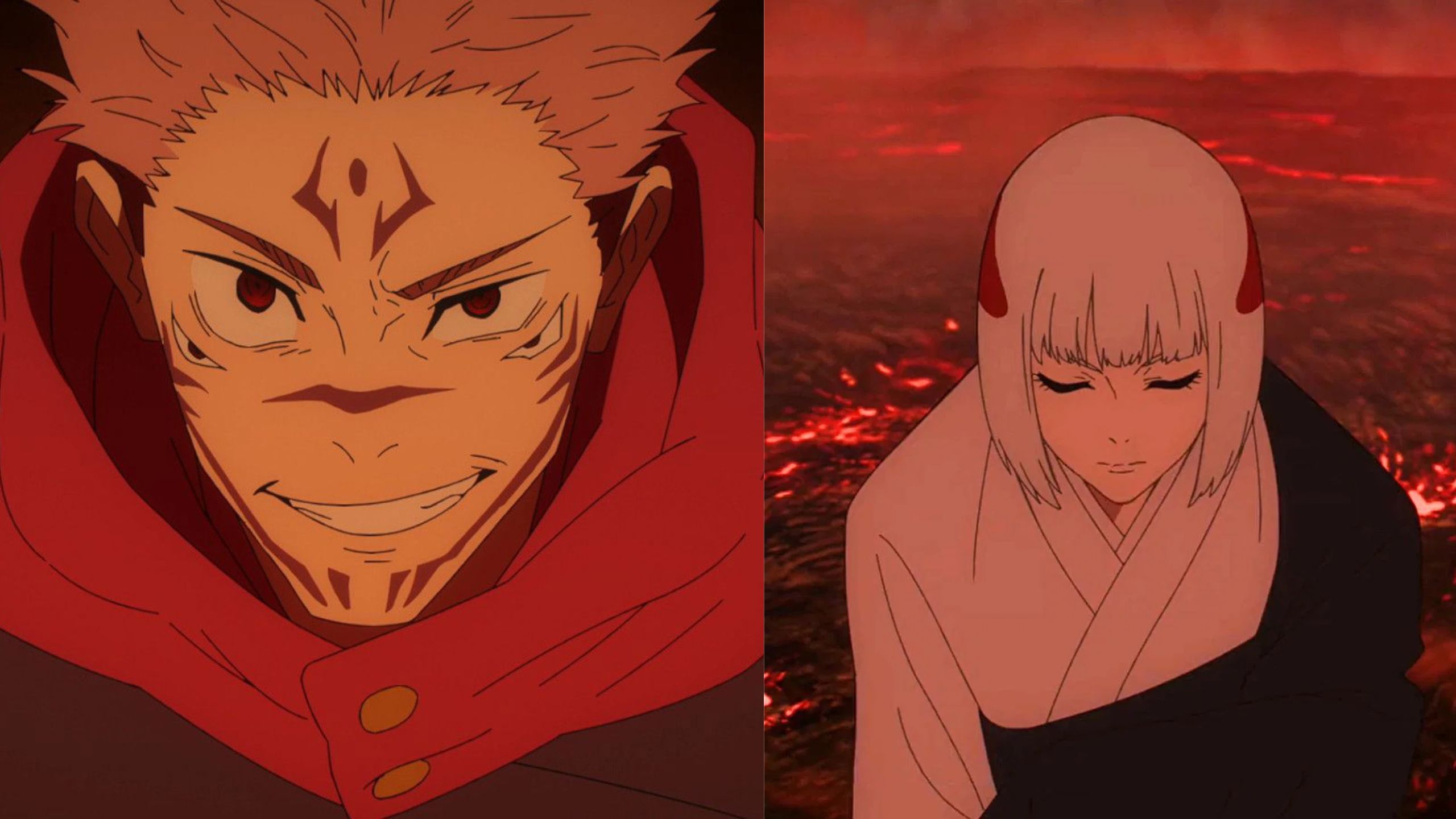
Ryomen Sukuna and Image via MAPPA)
Additionally, the poignant dialogue exchanged between Sukuna and Uraume serves as a catalyst for Sukuna’s growth.
The raw emotions expressed in these moments invite readers to engage with the characters on a personal level, allowing for a deeper connection to their struggles and triumphs.
The careful construction of these scenes reflects Akutami’s dedication to crafting a narrative that resonates with the audience, ensuring that the themes of power, vulnerability, and empathy remain at the forefront.
Impact of the Afterlife Scene on Readers
As readers witness Sukuna’s transformation in the afterlife scene, they are compelled to reflect on their own understanding of power and vulnerability.
This moment serves as a reminder that even the most powerful figures are not immune to defeat or emotional turmoil.
Sukuna’s journey, from a ruthless antagonist to a figure grappling with empathy and loss, invites readers to contemplate the complexities of the human experience.
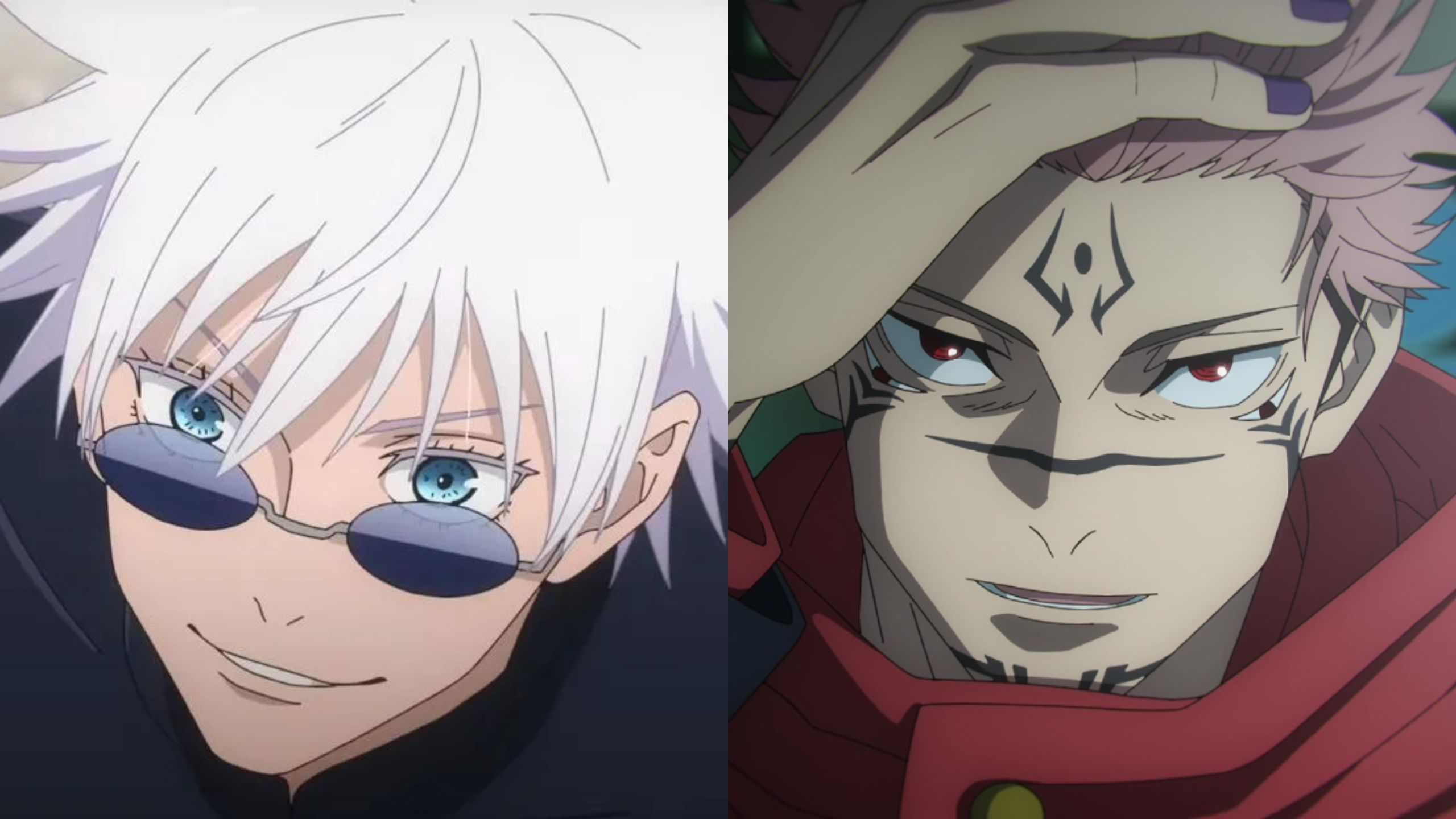
Gojo And Sukuna (Mappa)
The emotional resonance of the afterlife scene lies in its ability to bridge the gap between the fantastical elements of the story and the relatable struggles of its characters.
Readers find themselves invested in Sukuna’s growth, recognizing that his transformation mirrors their own journeys of self-discovery and introspection.
This connection enhances the final impact of the narrative, solidifying Jujutsu Kaisen as a series that goes beyond surface-level entertainment.
Richness of Akutami’s Storytelling
As Jujutsu Kaisen reaches its ending, the narrative choices made by Gege Akutami stand as a testament to the richness and profundity of his world-building.
The connection between Sukuna’s afterlife scene and Jogo’s farewell serves as a powerful reminder of the emotional depth present within the series.
By integrating these poignant moments, Akutami not only provides closure to Sukuna’s arc but also encourages readers to reflect on the deeper meanings behind power, loss, and the human condition.
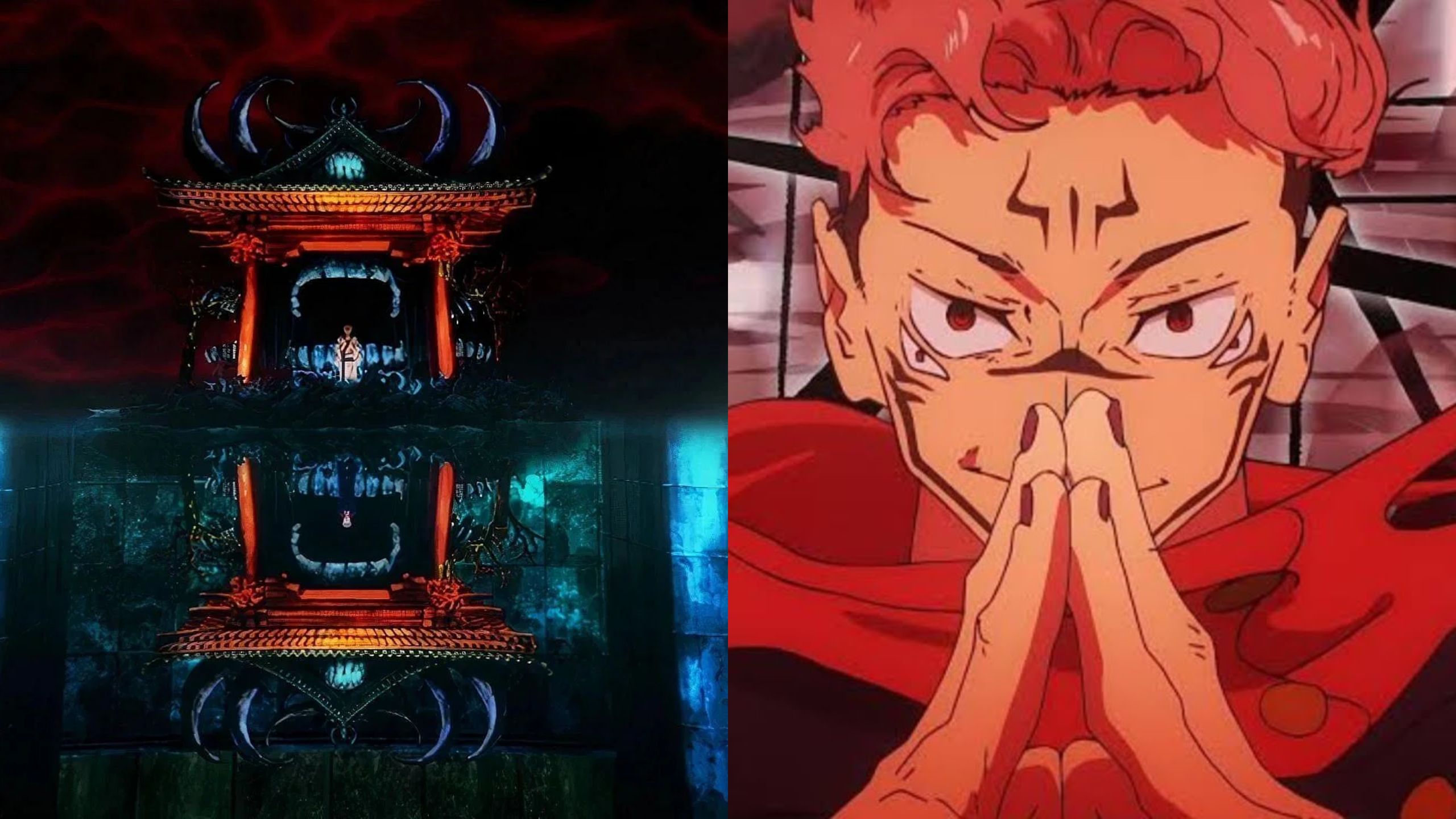
Sukuna’s Malevolent Shrine From Jujutsu Kaisen (image via MAPPA)
The intricacies of character development and the exploration of empathy challenge readers to reconsider their understanding of morality and the complexities of human relationships.
Ultimately, the afterlife scene summarizes the essence of Jujutsu Kaisen, inviting readers to engage with its themes on a profound level.
As we bid farewell to this extraordinary tale, the lessons learned from Sukuna and his journey will undoubtedly resonate, reminding us of the enduring power of empathy and the transformative nature of our experiences.
The game of Big Brother 26 began with Angela Murray winning the first Head of Household (HoH). It is rare for the oldest houseguests to win HoH, but Angela made her mark right away.
However, she caused tension with her fellow houseguests by accusing Matt Hardeman of threatening her game. She also expressed doubts about Quinn Martin and Joseph Rodriguez’s intentions to form an alliance with her.
The following weeks saw Angela crying, begging, and targeting other players. People debated whether the 55-year-old real estate agent could win or if she would be taken to the end because she seemed like an easy opponent. Despite all this, Angela revealed a plan that might have led her to victory.
In Episode 33, a double eviction took place. The episode started with Leah Peters being evicted after Makensey Manbeck backdoored her.
Houseguests then competed for HoH, with Chelsie Baham winning a close tiebreaker against Angela. Chelsie nominated Angela and Kimo Apaka, putting them on the block again.
Kimo managed to win the Power of Veto and saved himself. Rubina Bernabe was put up as a replacement nominee, and Angela was voted out.
While leaving the house, Angela exclaimed, “I guess this 50 fun-year-old woman, this freaking 50 freaking fun woman, is a threat to all of my favorite houseguests!”
Kimo kindly carried her suitcase, and Angela expressed her affection for him, saying, “Kimo, I love you, kid! And I would’ve taken his a– to the end. Just so you know.” Chelsie was shocked by Angela’s words, as she saw Angela as one of the strongest strategists in the game.
When Julie Chen Moonves asked Angela why she would have taken Kimo to the end, Angela replied, “Because he’s my body.”
While Angela is right in her loyalty to Kimo, the real reason is deeper. Kimo had been nominated six times, and Angela had been nominated seven times.
However, three houseguests used the Power of Veto to save Angela, which set a new record for Big Brother.
Angela skillfully the game, removing key threats, including Tucker des Lauriers, after infiltrating his alliance and then turning on him because of his showmance with Rubina.

Angela Murray’s Strong Gameplay Sets New Record But Leads To Her Eviction On Big Brother 26 (Paramount+)
Angela’s claim that she could have beaten everyone may not be entirely true. It would have been a tough battle if she had made it to the final two with Chelsie.
However, Angela’s strategic wins and influence over the jury gave her an edge over many players.
As the game heads into the final stages, the remaining houseguests are Kimo, Rubina, Chelsie, Makensey, and Cam Sullivan-Brown.
The jurors currently include Quinn, T’Kor, Leah, and Angela. The next episode will air on Sunday at 10:30 p.m. EST, revealing the next HoH winner. Big Brother is available to stream on Paramount+ in the U.S.
