MAPPA, the anime studio behind hit series like Jujutsu Kaisen and Attack on Titan , has confessed to “crunch” periods that have pushed its animators to their limits. A recent report by Gizmodo reveals that executives at MAPPA admitted to the heavy toll exacted on their staff during intense production schedules. According to the studio, animators have been working 12-16 hour shifts to meet deadlines for high-profile series.
The confession comes after growing online criticism from fans and former employees, who have decried the long hours and harsh working conditions that many animators endure at MAPPA. Sources within the company have alleged that burnout rates are high, and many workers are near their breaking points, with some even opting to leave the industry altogether.
Crunch Culture Exposed
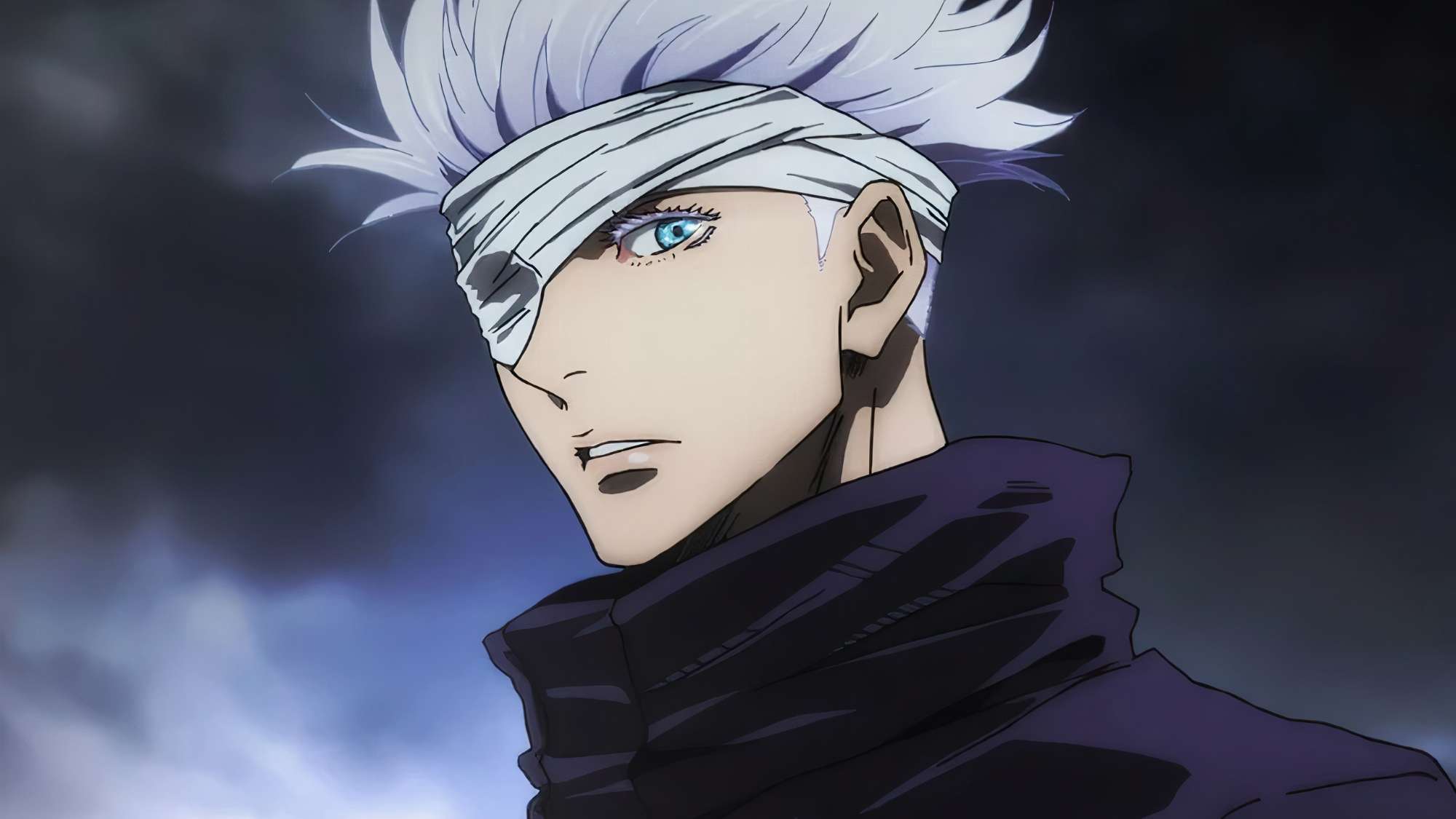
Gojo Satoru (Credits: Mappa)
Industry insiders argue that MAPPA is far from alone in relying on extreme crunch times, with studios across the anime world using similar practices to meet the demands of an ever-growing global fanbase. But this recent admission has sparked outrage within the anime community, as fans call for greater transparency and for studios to take responsibility for the welfare of their employees.
Social media has been flooded with statements from animators and fans, many calling for change and for better working conditions in the anime industry. The hashtag #PayAnimators has resurfaced, urging companies like MAPPA to invest in fair wages and better labor practices rather than relying on unpaid passion projects.
Industry Pushes Back on Crunch Culture
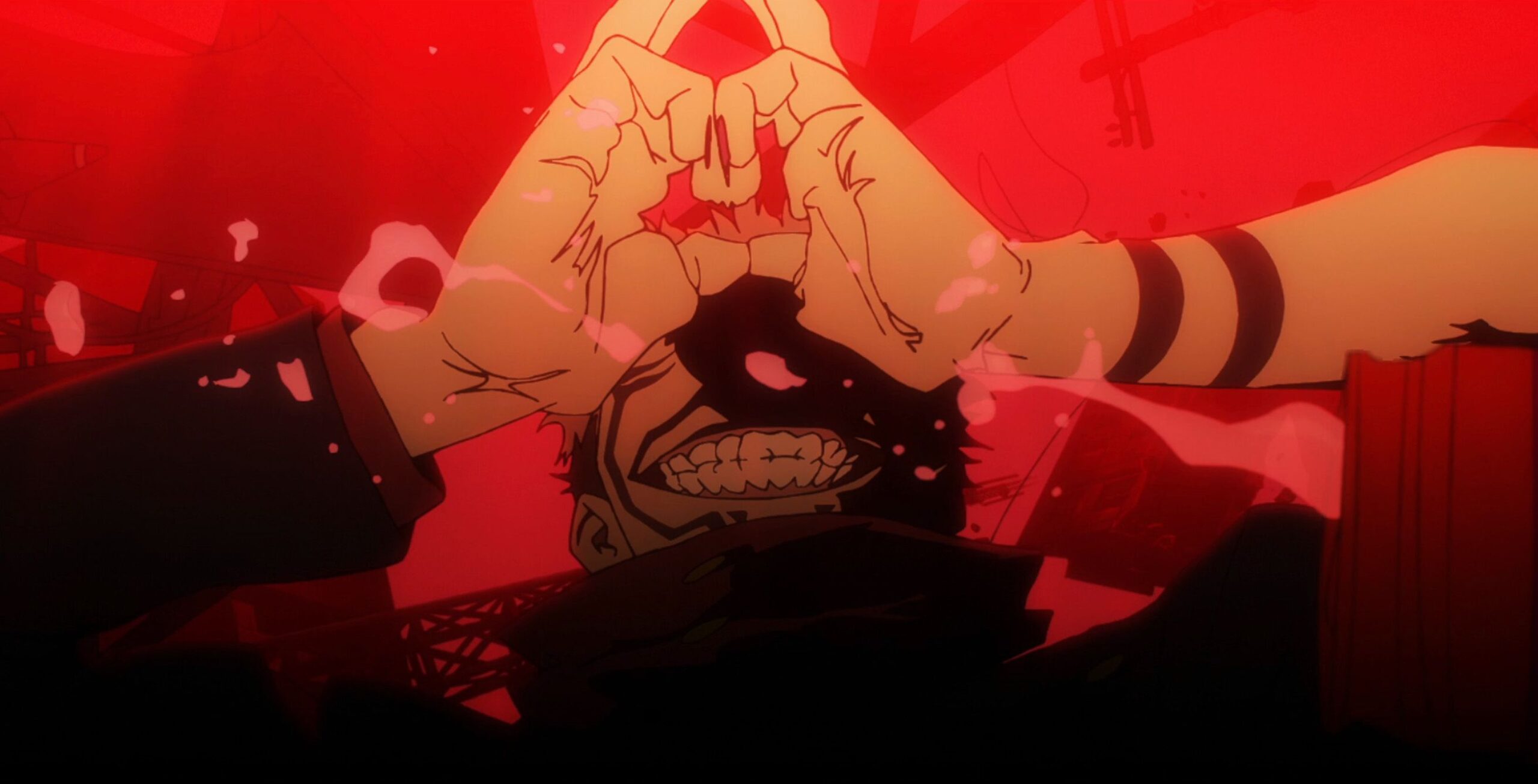
Mappa after underpaying their animators (Credits: Mappa)
While MAPPA has publicly admitted to the unsustainable nature of its work environment, the company defended its actions by emphasizing the need to deliver high-quality animation to meet the ever-increasing demands of fans. Some animators have expressed frustration, stating that the creative process suffers when workers are pushed beyond their limits, and the final product often reflects this.
Despite the intense criticism, MAPPA has yet to offer a clear plan for reform or address how it will balance the need for production with the well-being of its staff. As anime’s global popularity continues to rise, studios like MAPPA will face mounting pressure to adopt more sustainable practices if they are to retain talent and avoid the consequences of burnout.
Call for Change in the Anime Industry
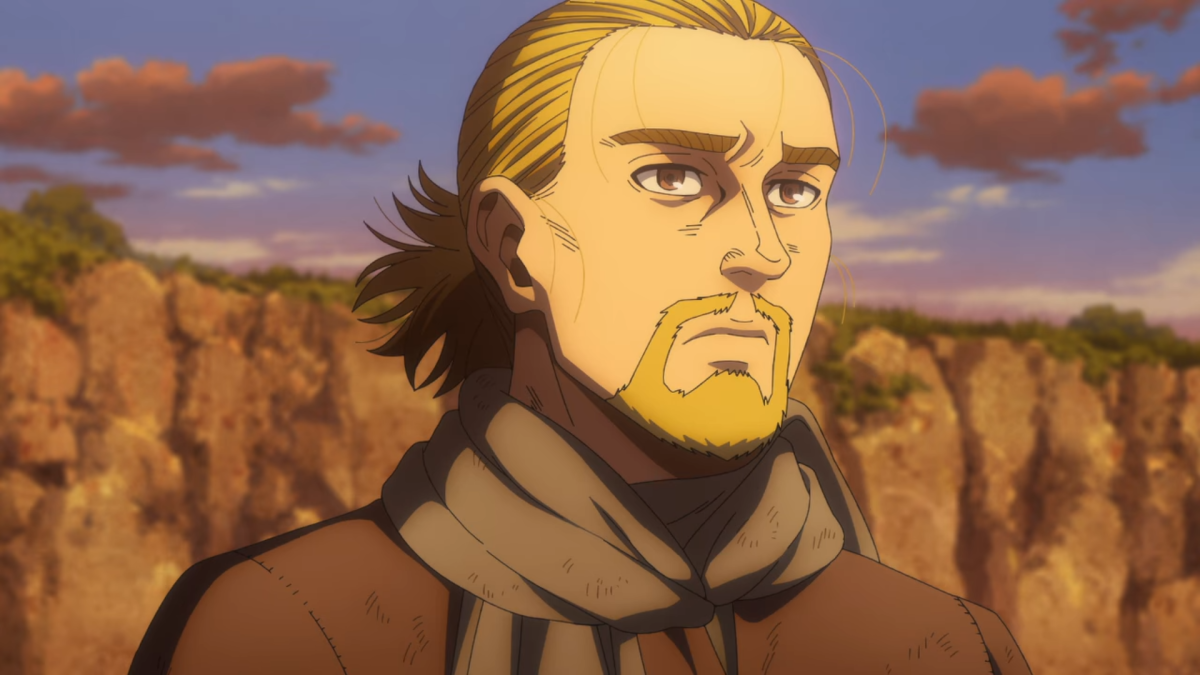
Thorfinn (Mappa)
This situation highlights a much broader issue within the anime industry, where many animators face systemic exploitation due to the industry’s “passion work” culture. Fans have rallied for fairer wages, healthier working conditions, and more respect for the creative professionals who bring anime to life.
As anime studios struggle to keep up with global demand while maintaining quality, the question remains whether the industry can reform itself before it loses the very talent that sustains it.
In 2024, several school districts in Tennessee and across the U.S. began removing well-known manga titles, including Attack on Titan and Jujutsu Kaisen , citing updated obscenity laws that target material deemed inappropriate for students. The move has caused an uproar among manga fans, educators, and free speech advocates, who argue that such bans stifle students’ access to diverse perspectives and limit their educational growth.
The bans stem from the Tennessee Age-Appropriate Materials Act , which restricts access to content considered sexually explicit, violent, or otherwise inappropriate for minors. However, many argue that the law has been disproportionately applied to popular manga, some of which contain complex narratives with dark themes that explore moral and ethical questions. Critics argue that the law is being used as a tool to push a conservative agenda in schools.
Growing Backlash from Fans and Educators
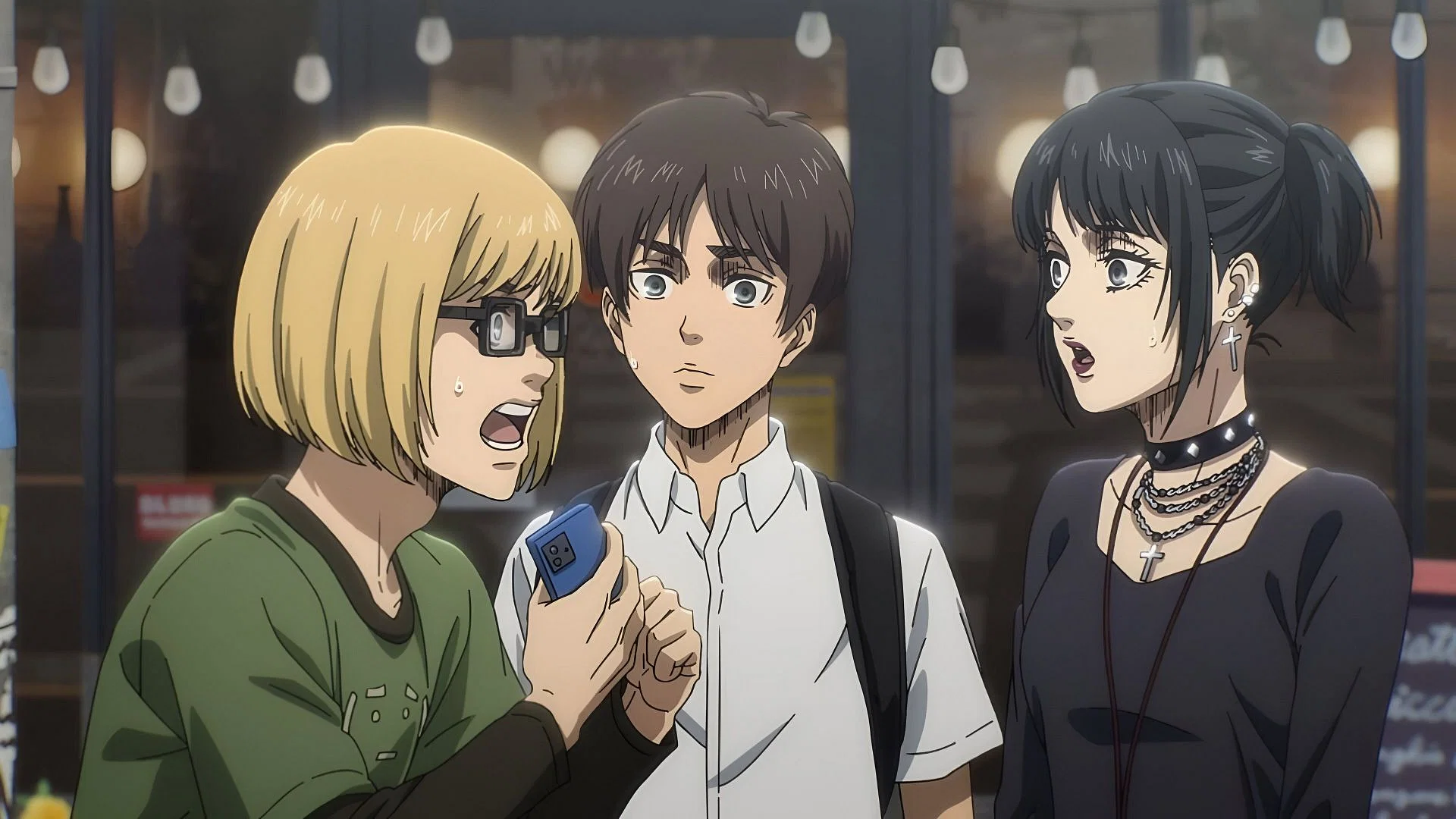
Attack On Titan post credit scene (Mappa)
Many students and educators have publicly expressed frustration with the decision, arguing that the bans limit access to stories that could help foster critical thinking and empathy. Some have pointed out that these manga titles also have significant cultural value, providing insight into Japanese storytelling and global fandoms.
On the other hand, parents who support the bans believe the content in these mangas is too mature for younger audiences. They argue that stories featuring violence, nudity, and LGBTQ themes are unsuitable for school libraries and may negatively influence children. This has led to a heated debate over the role of parents in deciding what content is appropriate for children.
The Broader Debate on Censorship
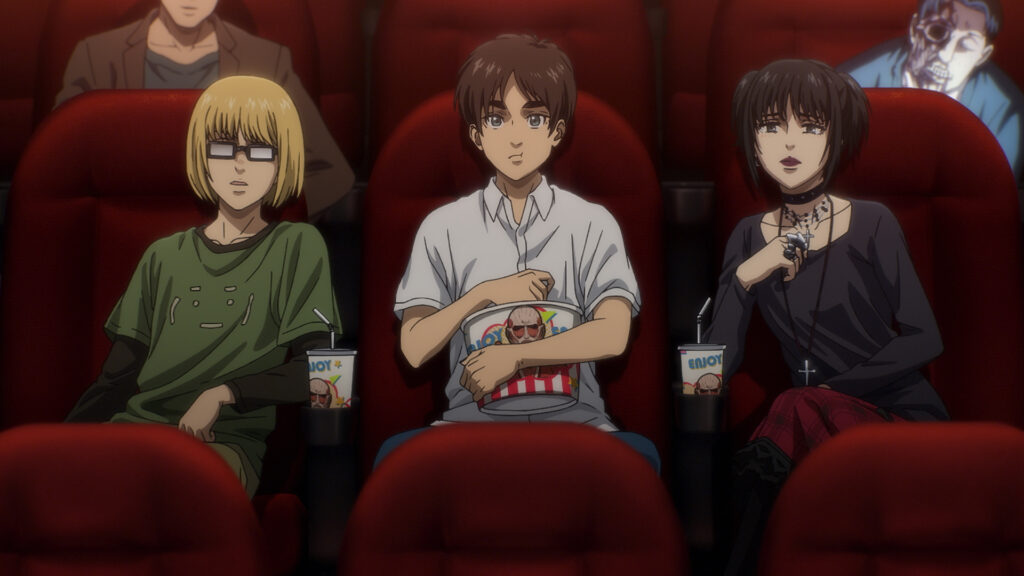
Attack On Titan post credit scene (Mappa)
The controversy over these bans has also sparked wider debates about the role of censorship in education. Some advocates for intellectual freedom view the bans as part of a growing trend of political censorship in schools, with critics arguing that banning these manga titles is a dangerous overreach that undermines students’ rights to access diverse and thought-provoking material.
Supporters of the bans maintain that they are necessary to protect children from harmful content, with many believing that certain themes and images in the manga titles are inappropriate for minors. The divide over what constitutes “appropriate” content continues to widen, raising questions about the fine line between censorship and protection in educational spaces.
Future of Manga in U.S. Schools
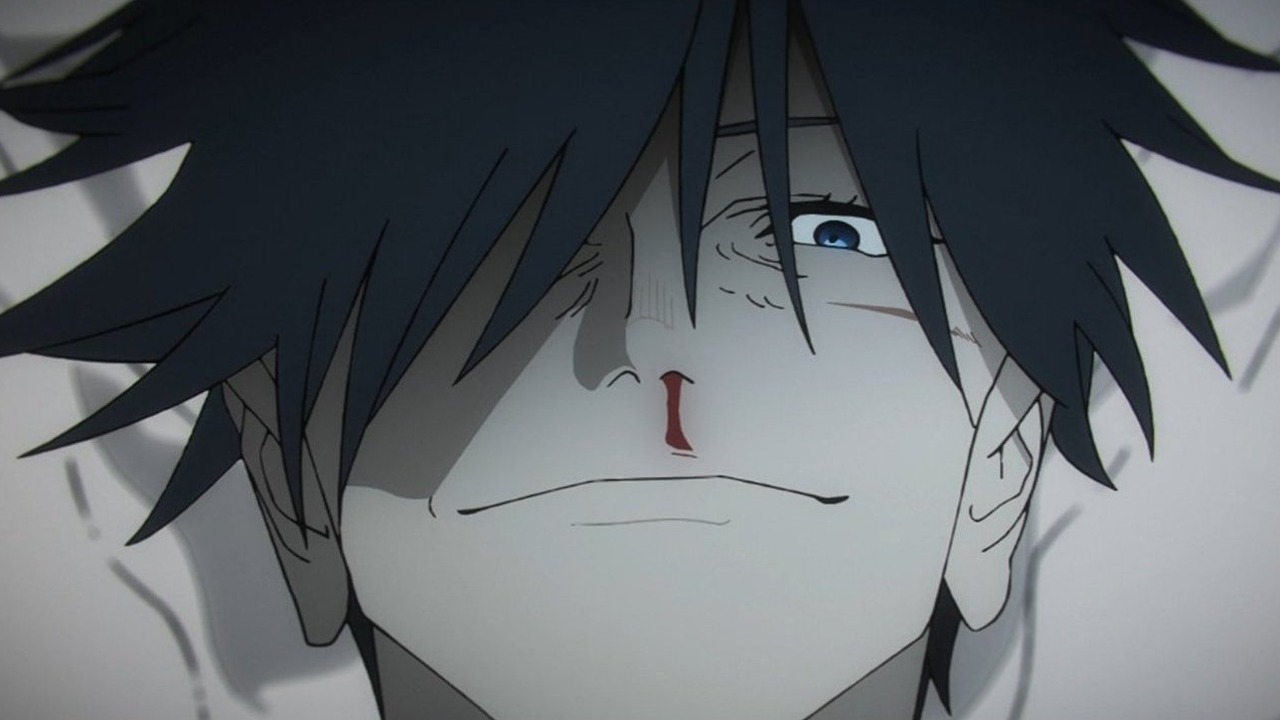
Megumi from Jujutsu Kaisen Season 2 Episode 17 (Credits: Mappa)
While the Tennessee bans have garnered the most attention, similar campaigns are spreading to other states, leading to fears that more titles could be removed from school libraries nationwide. Whether the bans will gain widespread traction or be overturned remains uncertain. However, the controversy has reignited a nationwide conversation about freedom of expression and the role of censorship in shaping young minds.
