The finale of Takopi’s Original Sin delivers an emotional gut punch wrapped in layers of humor and sorrow, making for a truly unforgettable conclusion. From the outset, the manga lures readers in with its seemingly lighthearted premise, only to unravel a deeply profound narrative about pain, empathy, and the unintended consequences of trying to fix what is broken. As Takopi’s journey reaches its climax, the story balances whimsical absurdity with heart-wrenching truths, creating a lasting impact.
At its core, Takopi’s Original Sin is a tale of innocence clashing with the harsh realities of human suffering. Takopi, an alien with an earnest desire to spread happiness, quickly learns that good intentions are not always enough. The manga masterfully navigates themes of emotional complexity, personal growth, and the unpredictable nature of human relationships. Each chapter peels back another layer of the story’s deeper meaning, making the ending feel both inevitable and devastating.
This article will explore the intricate emotions behind Takopi’s Original Sin ’s ending, shedding light on the characters’ journeys and how their experiences lead to an unforgettable resolution. Whether you’ve followed the story from the beginning or are discovering it now, we’ll break down the key takeaways that make the manga’s conclusion so powerful.
The Story’s Setup: Takopi and His Mission
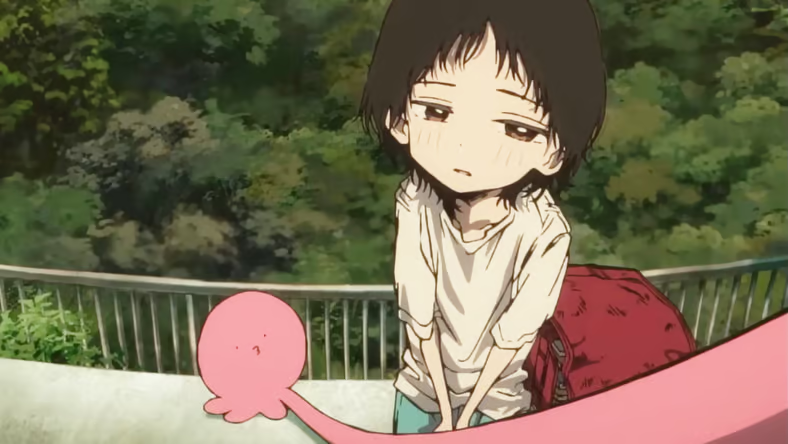
At the heart of Takopi’s Original Sin is Takopi, a seemingly cheerful and innocent character who comes from another world. His mission? To bring happiness to the children he encounters. However, Takopi’s approach is far from conventional. He tries to use his peculiar methods to turn the sadness of others into joy, but this leads to unpredictable and often tragic consequences. Takopi’s well-intentioned efforts make for both comedic moments and moments of deep sorrow. His optimism is both charming and deeply flawed, and as the story progresses, viewers are left questioning whether his methods truly help others.
While Takopi tries his best to fulfill his mission, he discovers that happiness cannot be forced. He learns that people’s pain and suffering cannot always be solved through simple fixes or superficial methods. The series gradually reveals the deep sadness that many of the children Takopi encounters experience. These emotional undercurrents set the stage for the dramatic and emotional conclusion.
The Climax: A Heartbreaking Twist
As the series progresses toward its climax, Takopi’s journey takes a darker turn. His naïve attempts to solve problems lead to unintended consequences. Takopi’s desire to fix things for the children he encounters causes him to overlook the complexities of their emotions and situations. This oversight leads to a heartbreaking realization that his approach to “helping” others might not be the right one.
The climax shows Takopi facing the harsh reality that his actions have caused more harm than good. This twist in the story highlights the limitations of his understanding and the consequences of trying to impose happiness on others. It forces Takopi to confront the flaws in his approach, and his character is left shattered by the realization that he cannot control the emotional well-being of others as he once thought.
This turning point is critical because it shifts the tone from the whimsical to the somber. As Takopi grapples with the unintended consequences of his actions, the readers are given a profound emotional experience. The buildup to this moment is slow, but once the twist is revealed, it impacts both Takopi and the audience deeply. The ending feels like a culmination of everything Takopi has learned — and still has yet to learn.
The Ending: A Bittersweet Resolution
The final moments of Takopi’s Original Sin are full of complexity. Takopi has grown throughout the story, but he still has a long way to go. In the end, his actions lead to a bittersweet resolution. The children he meets and attempts to help are left with mixed emotions — some have been deeply impacted by his kindness, while others are left feeling betrayed by his misguided attempts at intervention.
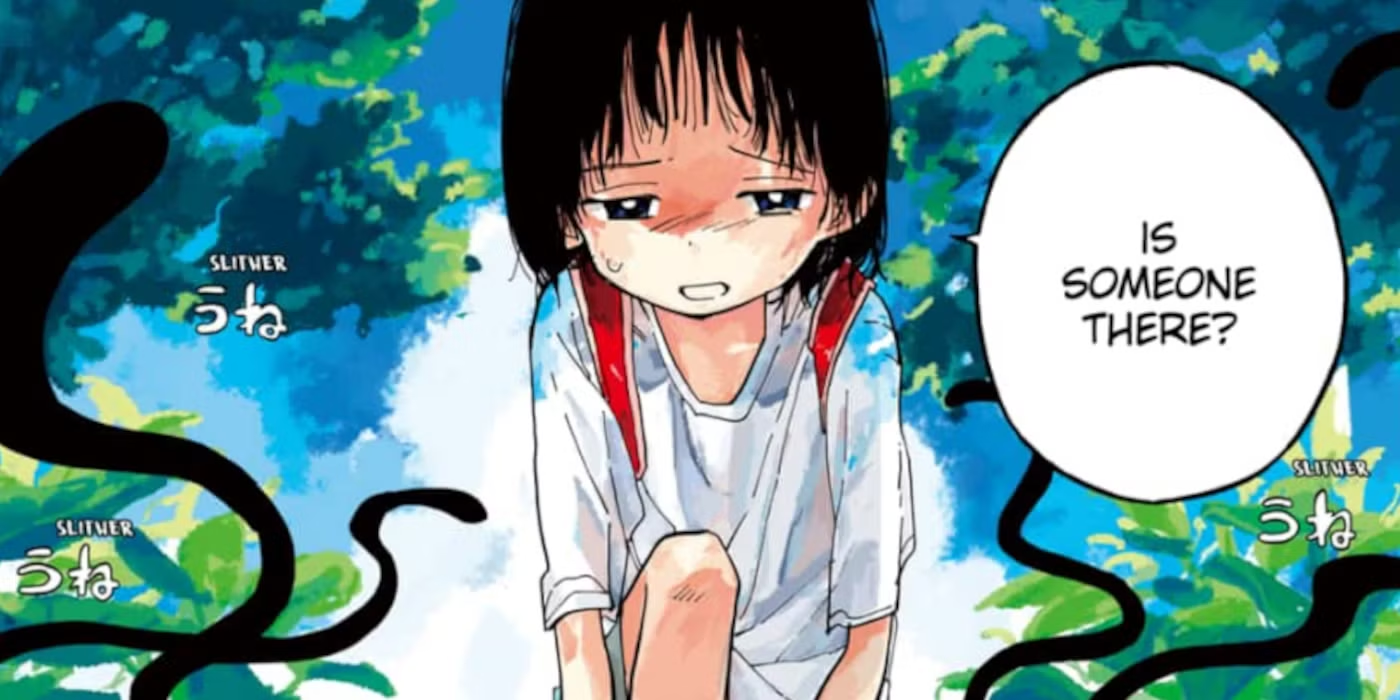
Takopi original sin (Image via Getty)
Takopi’s ultimate lesson is that sometimes, the best way to help others is not to impose your idea of happiness onto them, but to give them the space and support they need to find their own path. The ending is sad because it underscores how much Takopi still has to learn, but it also carries an underlying message of hope. Takopi’s journey is far from over, and though he may have failed in certain ways, his growth is evident. The conclusion offers a sense of closure while leaving room for the possibility of future self-discovery.
Key Themes Explored in the Ending
1.The Limits of Positivity
One of the most profound themes in Takopi’s Original Sin is the idea that positivity and joy cannot be forced. Takopi’s initial belief that he could make others happy by simply injecting optimism into their lives crumbles as he realizes that each person’s emotional state is complex. Happiness cannot be achieved through a one-size-fits-all solution, and this realization becomes a central part of the manga’s ending.
2.The Complexity of Emotions
The story emphasizes the complexity of human emotions, particularly the emotions of children. Takopi’s interactions show that while laughter may mask sadness, it does not eliminate it. The manga also illustrates that emotional growth often comes from experiencing pain and facing it head-on, rather than bypassing it with forced happiness.
3.Growth and Self-Reflection
Takopi’s arc is a story of personal growth. Throughout the series, he learns the importance of self-awareness and the need for empathy. In the end, Takopi must confront his flaws and take responsibility for his actions. This theme of personal growth and self-reflection ties the ending together, highlighting that true growth is a process that often involves failure and hardship.
A Reflection on the Manga’s Emotional Impact
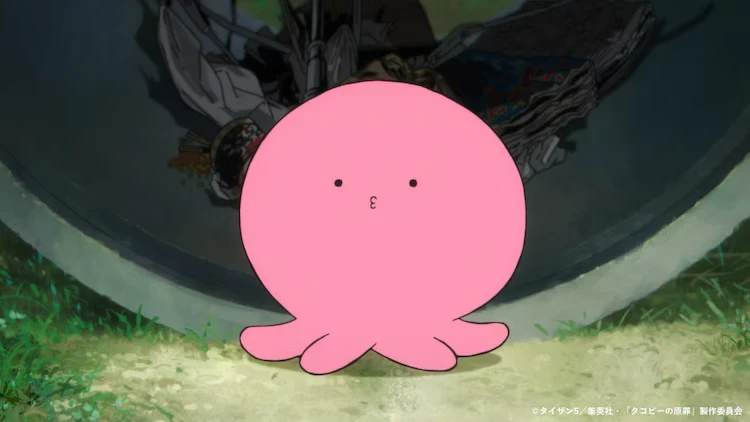
Takopi original sin (Image via Getty)
The conclusion of Takopi’s Original Sin is a testament to the power of storytelling that blends humor with deep emotional insights. The ending resonates because it mirrors real-life experiences, where growth often comes with hardship, and where attempts to “fix” others can sometimes lead to unintended consequences.
While the story may be filled with absurd moments, it remains grounded in the raw emotions that make us human. Takopi’s journey is ultimately one of self-discovery, and its ending offers viewers the chance to reflect on their own relationships with happiness, empathy, and emotional growth.
Though Takopi’s Original Sin leaves readers with a bittersweet resolution, its message lingers far beyond the final chapter. The series ultimately suggests that while happiness is an admirable goal, it cannot be forced upon others. Instead, true joy comes from understanding, patience, and the willingness to let people find their own paths. Interestingly, despite the manga’s often tragic tone, its author, Taizan5, initially gained recognition for drawing humorous four-panel comics—a surprising contrast that only adds to the richness of Takopi’s Original Sin ’s storytelling.
[Updated: 04/03/2025]
The hand signs in Naruto are more than just intricate finger movements; they are the very foundation of the series’ jutsu system. Each sign represents a deeper connection between the ninja and their chakra, dictating the nature and execution of powerful techniques. As battles unfold, these quick and precise gestures become a testament to a shinobi’s skill, with the most proficient warriors able to perform them in the blink of an eye. But beyond their functionality in combat, these hand signs carry a rich history rooted in Japanese tradition and mythology.
To fully appreciate the significance of these signs, it’s essential to understand their meaning and purpose. Each hand gesture aligns with a specific element—fire, water, wind, earth, or lightning—determining the type of jutsu a ninja can perform. From the iconic Tiger sign used in Fire Style techniques to the Snake sign frequently employed by Orochimaru, these symbols form the backbone of nearly every battle in the Naruto universe. Their execution is not just a physical act but a mental discipline, requiring focus and mastery of chakra control.
Whether you’re a longtime Naruto fan or someone just beginning to explore the shinobi world, understanding these hand signs will deepen your appreciation for the series. The sheer complexity and speed at which characters perform them add an extra layer of excitement to the fights, making every jutsu feel dynamic and engaging. More than just a visual spectacle, these signs embody the essence of the Naruto universe—melding tradition, strategy, and raw power into an unforgettable experience.
The Basics of Naruto’s Hand Signs
Before going into individual signs, it’s essential to grasp the basics. In Naruto , hand signs are essential for a ninja to manipulate chakra and perform jutsu. Chakra, the life force energy, is harnessed through these specific signs. Each gesture represents an element—earth, water, fire, wind, and lightning—each corresponding to a specific ability or jutsu.
While the hand signs seem complex, they follow a structured pattern. Most jutsu require a combination of different hand signs to be performed. For instance, performing a Fire Style jutsu requires both the “Tiger” and “Snake” signs to form the correct sequence. The quicker a ninja can perform the signs, the faster they can execute the jutsu, making speed and precision important in battle.
Detailed Breakdown of the Common Naruto Hand Signs
Let’s explore the most common hand signs used throughout the series and their meanings. Below are the signs that frequently appear in Naruto and what each one signifies.
1.Rat (Nezumi)
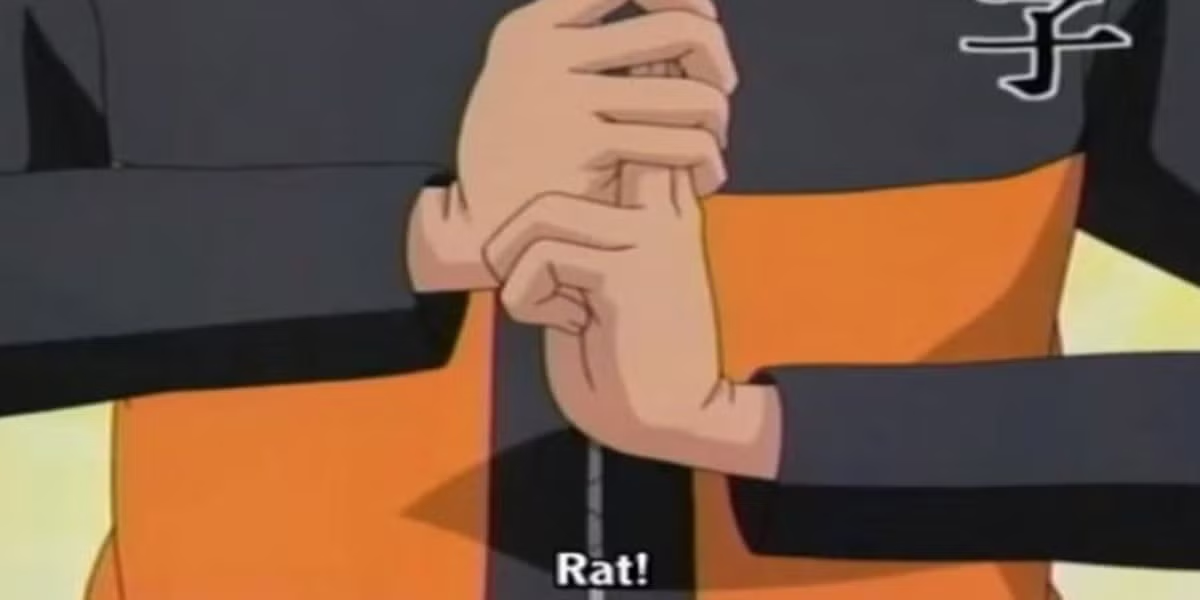
Rat (Nezumi) (Image via Getty)
The Rat sign is performed by placing your fingers in a specific way, mimicking the body shape of a rat. It is primarily used for water-based jutsu, such as Water Style techniques. This sign, like all others, serves as a catalyst for the chakra needed to manipulate the desired element.
2.Ox (Ushi)
The Ox sign is formed by joining the hands in a way that imitates the shape of an ox’s horns. It’s mostly used for earth-based jutsu, such as those that manipulate the terrain. In the series, characters like Rock Lee and Gaara use it when controlling earth-based elements or defense techniques.
3.Tiger (Tora)
This is one of the most common hand signs and can be seen frequently in Naruto . The Tiger gesture is essential for fire-based jutsu, such as Fire Style: Fireball Jutsu . The Tiger represents strength and power, which aligns with the intense nature of fire-based techniques.
4.Rabbit (Usagi)
The Rabbit sign is less commonly seen but still plays a role in certain jutsu. This sign symbolizes swiftness and agility, often seen in techniques that require high-speed actions. It’s also used in combination with other signs to speed up chakra release.
5.Dragon (Ryuu)
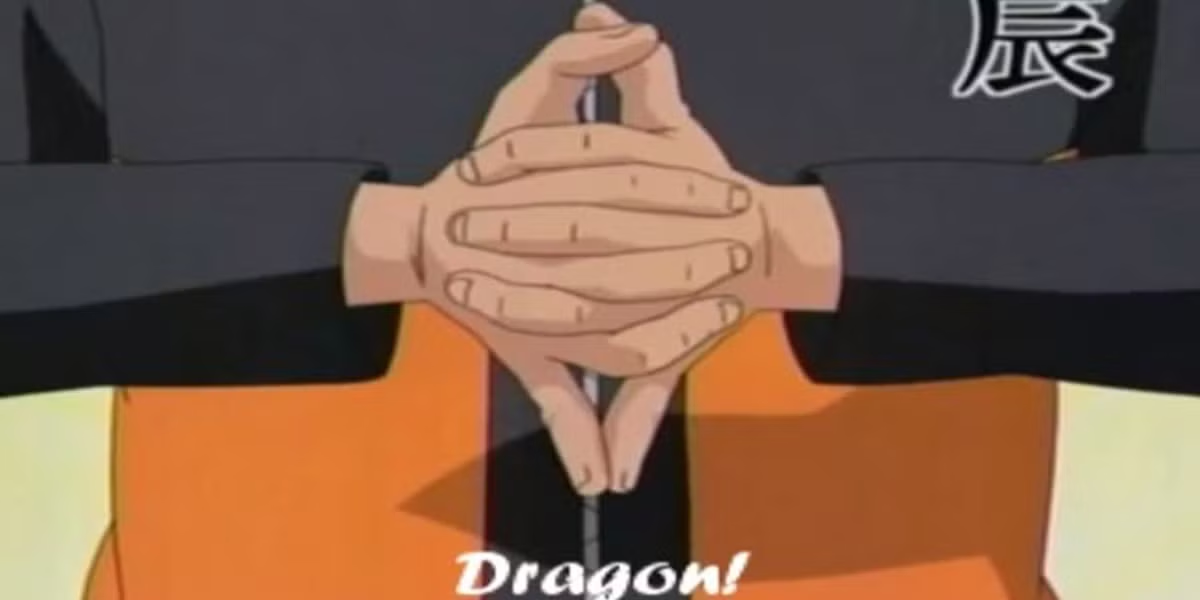
Dragon (Ryuu) (Image via Getty)
The Dragon hand sign is often used to activate high-level jutsu, particularly those tied to large-scale elemental manipulation. It represents a connection to the dragon’s mythical power, signifying strength and mastery in chakra control. The Dragon sign is often utilized in powerful summoning jutsu as well.
Lesser-Known Hand Signs and Their Applications
Some hand signs are not as frequently seen but are integral to certain unique techniques, often used by advanced or skilled ninjas.
6.Snake (Hebi)
This is another one of the essential hand signs and is most closely associated with ninjutsu involving snakes. Sasuke Uchiha frequently uses this sign due to his Snake Style techniques, including Chidori and Summoning Jutsu for snake-based creatures.
7.Horse (Uma)
Used in various techniques, the Horse sign is essential for manipulating wind-based jutsu, such as Wind Style: Gale Palm . The Horse symbolizes movement and speed, traits that align with wind manipulation.
8.Monkey (Saru)
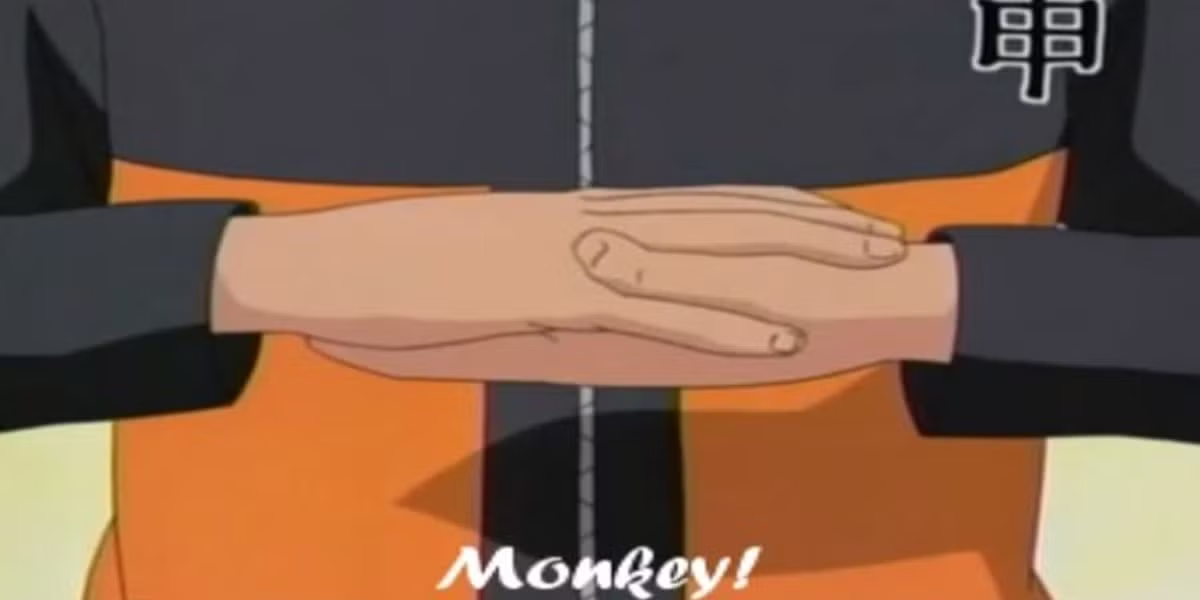
Monkey (Saru) (Image via Getty)
Monkey is used for complex jutsu that require high flexibility, including Summoning Jutsu and Transformation Jutsu . This sign is often seen in conjunction with other signs to enhance the user’s technique.
9.Bird (Tori)
The Bird hand sign is used for a variety of purposes, including wind manipulation and summoning techniques. It is often associated with agile, flying animals and symbolizes freedom and mobility in jutsu.
10.Boar (Inoshishi)
The Boar hand sign is most often seen in combination with other elemental techniques. It is closely tied to earth-based jutsu but can also be used to stabilize chakra flow for various types of manipulation.
Hand Sign Speed: A Key to Success
One of the most critical aspects of using hand signs in Naruto is speed. The faster a ninja can complete a series of hand signs, the quicker they can release their jutsu. This is especially true in combat situations where milliseconds can determine victory or defeat.
Ninjas like Minato Namikaze (the Fourth Hokage) are renowned for their exceptional speed, able to perform even complex jutsu in mere seconds. As a result, hand signs not only represent a ninja’s chakra control but also their physical dexterity.
Hand signs are a vital part of the Naruto series, functioning as a bridge between chakra manipulation and elemental control. The specific gestures and their speed often reflect the user’s level of skill and understanding of their chakra. For example, advanced jutsu, like Summoning Jutsu, require both mastery of hand signs and intense chakra control, while basic techniques might only need a few simple gestures.
Additionally, the hand signs are not only practical but symbolic. Many signs derive from Japanese folklore and mythology, adding depth and cultural richness to the Naruto universe. Some hand signs are directly linked to specific animal spirits or elemental forces that have deep ties to nature, reinforcing the connection between the ninja and their environment. Interestingly, the sequence of hand signs for the Fireball Jutsu—one of the most frequently used techniques in the series—is the same as an actual Kuji-in meditation sequence practiced by some martial artists in real life.
[Updated: 04/03/2025]

Naruto centers on Naruto Uzumaki, an orphaned boy shunned by his village because of the Nine-Tailed Fox sealed inside him. Unaware of why he’s rejected, he yearns for acceptance and sets his sights on becoming Hokage, the village’s strongest ninja, in hopes of earning recognition and respect.
