In a galaxy with thousands of planets, a good spaceship is necessary in Star Wars. Space travel happens every day in this universe, and ships work like cars do in real life. Ships travel between planets and solar systems.
Each ship has a unique purpose, whether for carrying cargo, engaging in dogfights, or flying fast. However, none is more iconic than the Millennium Falcon.
This legendary ship is most known as Han Solo’s ship from the original trilogy but has appeared in many other movies and shows. Even though the Millennium Falcon is the most recognizable ship in Star Wars, it has flaws. Many details about the ship do not make sense, whether due to inconsistent functions or flawed logic.
The ten entries below look at details and functions about the ship that do not quite add up. While these flaws do not take away from the series’ quality, they make fans raise their eyebrows in disbelief.
Why is the Millennium Falcon the Only Ship of Its Kind?: For a standard ship, it is strange that there aren’t any more.
Even though it is called a piece of junk, the Millennium Falcon is one of a kind. Star Wars has many iconic spaceships, but many are mass-produced, and fans see them in different places. Some ships also only have one appearance, so the Millennium Falcon is not the only unique ship in the galaxy.
Its unique design is a staple of Star Wars. It is likely the real reason why there are no more ships like it. George Lucas wanted this ship to be more recognizable and special. However, while this makes sense from an outside view, it does not make sense in the Star Wars universe.
The ship is supposed to be a common freight carrier, so there should be more of them. The many exploits of the Millennium Falcon should have shown the Rebellion, bounty hunters, and the Empire that this ship is impressive. It does not make sense why fans have not seen a second Millennium Falcon with its amazing feats and original purpose.
Blaster Cannon on the Underside: This helpful feature is one-and-done.
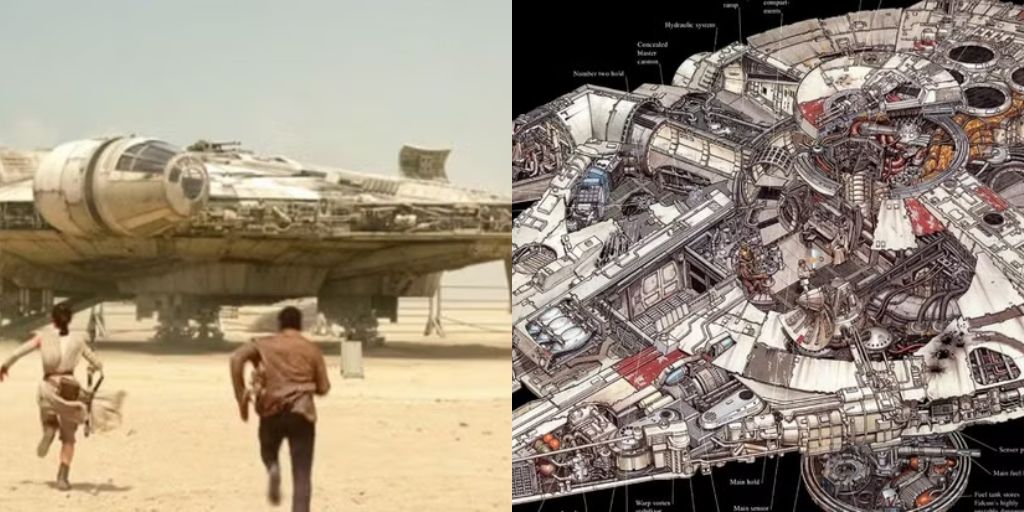
In Star Wars Episode V: The Empire Strikes Back, a blaster pops out from the bottom of the Millennium Falcon to take down a group of snowtroopers chasing them. This blaster is an Ax-108 “Ground Buzzer,” a powerful cannon in Star Wars that works with its own power source. The cannon has different modes, such as armor-piercing and stun, making it a valuable weapon.
After it takes down a group of snowtroopers, fans would think this blaster would be useful in other scenes. They would be wrong. The Ground Buzzer never appeared before The Empire Strikes Back and does not show up after.
Still from Star Wars (Credit: Disney+)
There are many more times when this blaster would have been handy, so fans wonder why it was not a more prominent weapon in the many battles the Falcon fought in afterward.
The Radar Dish: No other spaceships have one of these.
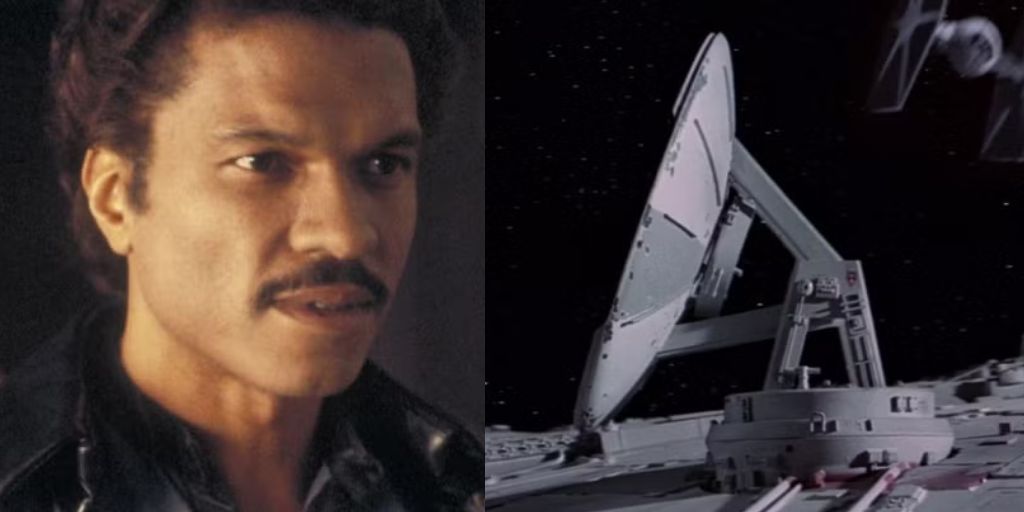
The Radar Dish, known as a Rectenna, looks like a cherry on top of an ice cream sundae and completes the Millennium Falcon’s design. Beyond its nice look, a Rectenna’s purpose is to detect and target hostile threats, helping in combat. In Star Wars Episode VI: Return of the Jedi, the Rectenna breaks off after Lando uses the ship in the Battle of Endor.
While Solo has replaced the Rectenna many times after Lando broke it, it has never proven useful. When it is torn off, Lando and Nien Nunb can easily maneuver the ship and target enemies.
This makes fans think the dish does not actually have any function. Additionally, few other spaceships have a Rectenna, making its presence confusing and ultimately nonsensical.
The Mandibles: A useful feature that isn’t used.
If one were to ask what the most iconic detail about the Millennium Falcon is, many would say either the cockpit or the front mandibles. The front mandibles stand out and make the ship’s design unique. They originally served an important purpose by holding the ship’s cargo. However, in the original trilogy, Lando carries an escape pod or mini ship there.
While the Millennium Falcon does not need to carry cargo, it is strange that Han never added a replacement escape pod or ship. A small ship could fit between the mandibles, providing a quick escape if the crew ever gets into trouble. With such a useful feature, it is odd that Han never used it. This is likely because it adds to the ship’s iconic design.
The Millennium Collective: Never explained properly.
The Millennium Collective first appears in The Empire Strikes Back and is shown in Solo: A Star Wars Story. It is the central computer of the Millennium Falcon and consists of three droid brains: L3-37, V5-T, and ED-4. These three droid brains act as one identity until L3-37 helps each droid gain its own individuality.
The Millennium Collective does not make sense because no one has fully explained what it is, what it does, or how it can exist.
Fans think the droid brains work as the ship’s central computer, which helps with navigation and tracking, since each one has a specific purpose. However, this is the only instance fans have heard of something like this, leaving them with more questions than answers.
Gun Turrets: An inconsistent plot hole.
The Millennium Falcon has been part of some of the greatest battles in Star Wars history, mainly because of the two AG-2G laser cannons on the top and bottom of the ship.
Watching Han and Luke use these giant objects to blast enemy TIE fighters is always exciting. However, when fans think about it, they notice some problems with the gun turrets.
The first odd thing about the turrets is that fans can see Han and Luke moving the gun with limited range. But when shown from outside, it has a full 360-degree range of motion. Another confusing detail is the gravity inside. The top and bottom turrets are mirrors of each other, meaning one person would be upside down.
Still from Star Wars (Credit: Disney+)
However, that is not the case, as Han and Luke sit upright. Internal gravity within the ship can explain this, but it only raises more questions. The truth is that the production design creates these inconsistencies, leaving no satisfactory explanation within the story.
The Cockpit is on the Side of the Ship: A major design oversight.
The two most iconic parts of the Millennium Falcon’s design are the mandibles and the cockpit. The cockpit is unique compared to other spaceships and helps the ship stand out, making the Falcon one of the best rebel ships in Star Wars.
Unlike many spaceships, where the cockpit is front and center, the Millennium Falcon has its cockpit on the top right, resembling a sidecar on a motorcycle.
Unlike other confusing parts of the Millennium Falcon, this design actually has an explanation. The ship’s original design carries the cargo in the front, so the outrigger cockpit helps the pilot see better. While this is an explanation, it raises more questions.
Why would a spaceship ever carry cargo in front instead of behind? This makes the ship less maneuverable and hinders the pilot’s sight.
Buttons: Not a very user-friendly design.
Star Wars has many great sounds, from seismic charges to the screeching of TIE fighters. However, buttons provide constant satisfaction whenever someone presses them in movies or real life. It shows how many buttons there are on a spaceship, especially the Millennium Falcon.
When looking at the legendary ship’s cockpit, fans can see many buttons on the dashboard and wall behind them. While fans are meant to suspend their disbelief in this sci-fi world, it is hard to believe that a spaceship needs that many buttons.
Not to mention, there are no labels on the buttons, so it is impossible for anyone to know what to press or what each one does. The buttons are placed randomly, making it seem like they are just there to make the ship look cooler in the sci-fi context; ironically, this has the opposite effect.
The Layout: A confusing and jumbled mess.
Star Wars has many unique and wonderful spaceship designs. However, fans rarely see what they look like inside and only get glimpses of different parts of the ship. While fans should not expect Star Wars to have expertly crafted designs and blueprints, they do expect a clear and logical layout. The Millennium Falcon does not meet these expectations.
The main confusion comes from how the Millennium Falcon looks outside compared to the inside. The ship feels larger on the inside, with areas not matching the layout.
Many areas seem to be in the wrong spot or are too large or small. The Millennium Falcon has an inconsistent layout that does not stay the same across movies, and its dimensions do not add up. With so many design changes, fans wonder if a different design would have made things better or worse.
The Millennium Falcon is Supposedly a Piece of Junk: This is one of the best ships in Star Wars
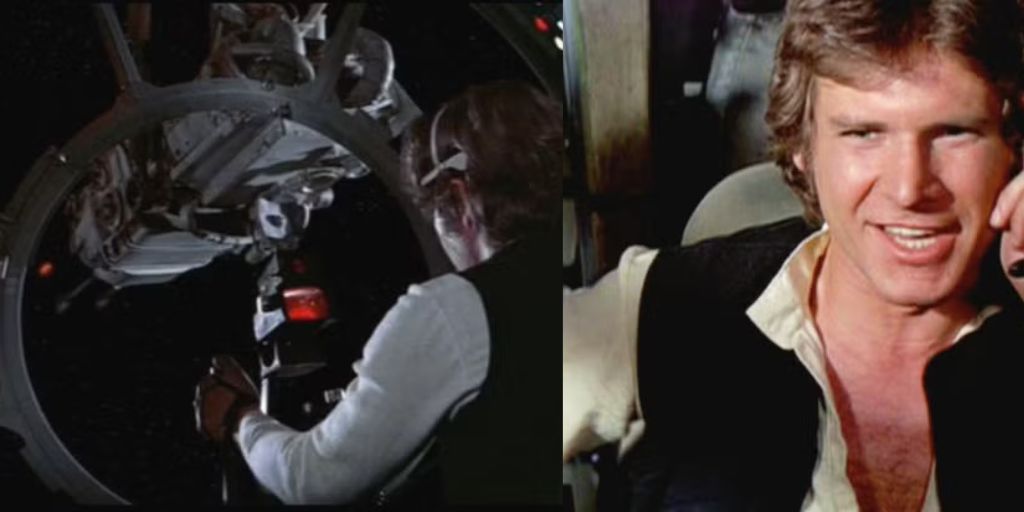
Star Wars Episode IV: A New Hope introduces the Millennium Falcon as a hunk of junk. Star Wars Episode VII: The Force Awakens reinforces this by referring to it as junk again.
Fans know that the iconic ship was made to be a freighter carrying cargo, which explains why characters call it junk. However, with one of the most amazing Star Wars characters piloting the spaceship, it proves to be anything but junk.
Still from Star Wars (Credit: Disney+)
While this is not exactly a detail, it relates to the aspects of the entire ship. It is one of the greatest mysteries of Star Wars why the Millennium Falcon is called a hunk of junk. Almost every character refers to the iconic ship as such, but fans see the heroic and unbelievable things it does time and time again.
From its powerful weapons and incredible maneuverability to its strong defense and unmatched speed, the Millennium Falcon is one of the best spaceships in Star Wars. It does not make sense why everyone keeps calling it junk; it feels like forced humility at best and cheap writing at worst.
All of Star Wars is available to watch on Disney+ in the U.S.
Fans of the One Piece anime were recently met with unfortunate news: the anime will be going on a six-month-long hiatus, scheduled to last until April 2025.
While some anticipated this announcement, it has left many feeling disheartened by the extended wait. The break, however, is seen as a necessary measure, giving the production team time to rest and allowing the manga to gain some distance from the anime’s current pacing.
One Piece has been running since its debut in 1999, adapting Eiichiro Oda’s legendary manga into an expansive and much-loved anime series.
Lucci vs Luffy (Credits: Toei Animation)
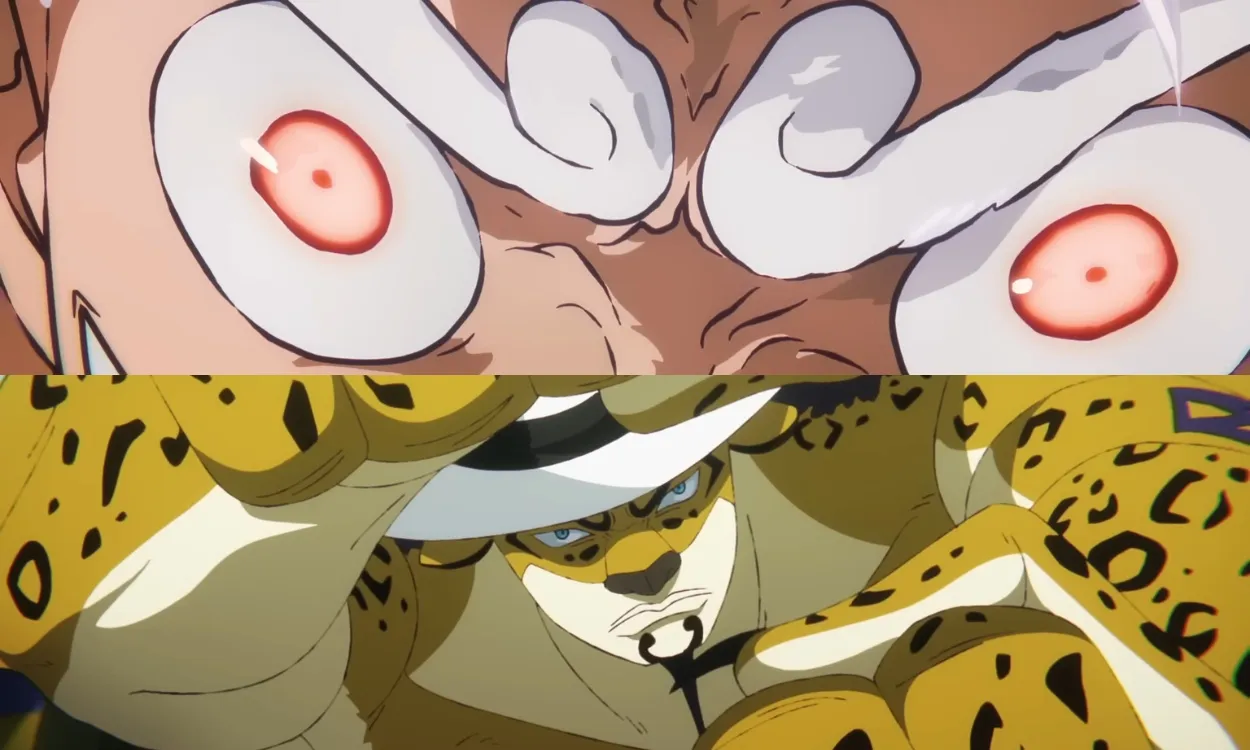
Recently, though, the anime has nearly caught up with the manga, causing pacing issues that have affected the experience for viewers. This hiatus is expected to help address such problems, giving the team ample time to improve the quality of the adaptation and plan upcoming episodes more thoughtfully.
This is not the first time the anime has taken a break to prevent it from overtaking the manga. Over the past few years, Oda has been releasing fewer chapters annually, with only about 30 chapters being released per year.
This has made it difficult for the weekly anime to avoid catching up. The hiatus is a strategic move that should allow for a smoother flow of both the anime and the manga in the long term.
What’s Next for the One Piece Anime?
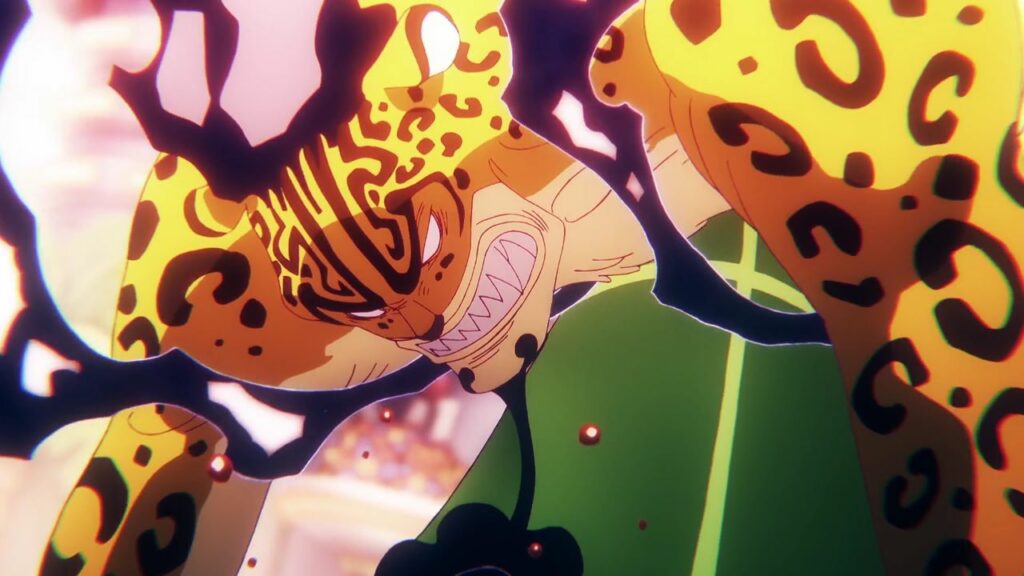
Lucci (Credits: Toei Animation)
Although the hiatus may be difficult for fans, there are exciting things to look forward to. When the anime returns in April 2025, it will be aired in a new time slot and come with a fresh original soundtrack and updated sound effects.
These upgrades are part of the studio’s effort to improve the overall viewing experience. Fans are also promised significantly improved animation quality, which should further enhance the epic moments in the upcoming episodes.
Additionally, Toei Animation has some treats lined up during the hiatus. They plan to release a remastered version of the Fish-Man Island Arc, featuring better animation and pacing to keep fans engaged while they wait for the return of the regular episodes.
Issues That Led to the Hiatus
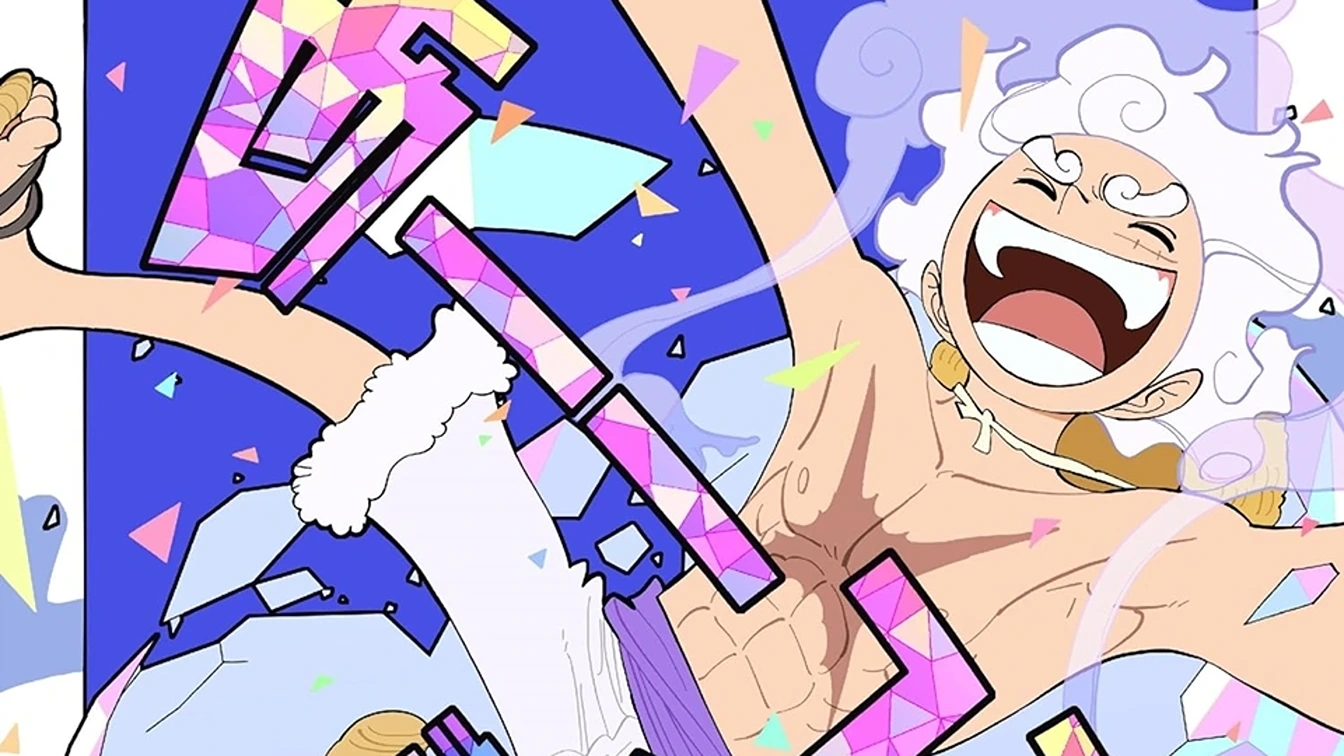
Luffy (Credits: Eiichiro Oda)
The One Piece anime has faced several challenges in recent years, including poor pacing, filler episodes, and frequent recaps. Much of this stems from the anime closing in on the manga’s storyline, leaving little room for the adaptation to breathe. While some fans hoped the break would come later—perhaps after the Egghead Arc—One Piece has already moved on to the Land of Gods Arc in the manga. As such, the timing of the break is somewhat unexpected, though understandable.
Toei Animation has not explicitly stated that the hiatus is meant to avoid filler episodes or stretched scenes. However, it has been acknowledged that the break will allow the animators time to rest and recharge, which will ultimately benefit the quality of the series moving forward.
The hiatus is likely to create more space between the anime and the manga, helping improve the pacing and preventing rushed episodes. Given the stellar quality of recent episodes, it’s clear that Toei Animation is committed to giving fans the best possible experience.
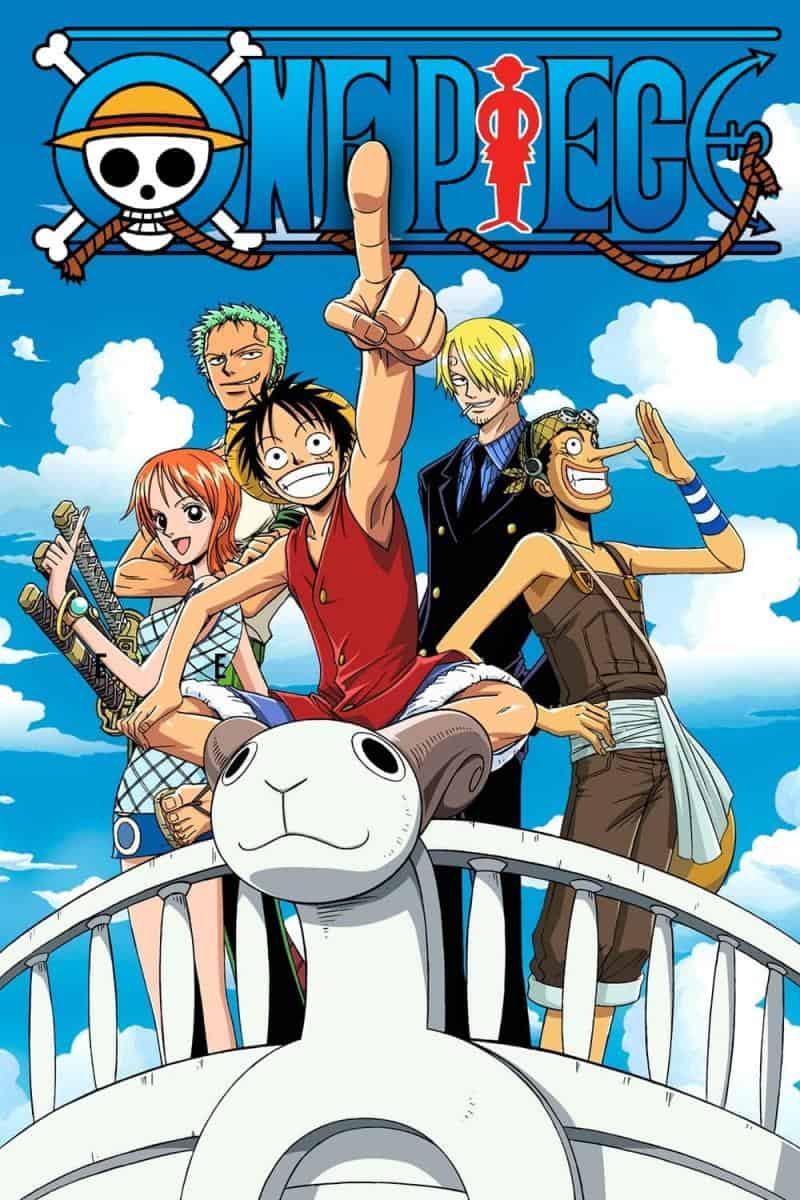
“One Piece” is a beloved Japanese manga and anime series that chronicles the adventures of Monkey D. Luffy and his pirate crew. Luffy, imbued with rubber powers from a mystical fruit Hito Hito no Mi, aspires to become the Pirate King. To achieve this, he seeks the ultimate treasure, the “One Piece,” hidden at the Grand Line’s end. Along the journey, Luffy gathers a diverse crew, confronts formidable foes, and uncovers world-altering secrets, all while promoting themes of friendship, freedom, and adventure.
