A newly enacted Texas law targeting explicit and suggestive anime has ignited a digital firestorm across social media. Supporters claim the legislation is necessary to protect children from harmful content, while critics say it veers into dangerous censorship. The most explosive fallout, however, is the rise of the #BanJapan hashtag—calling for a boycott of Japanese media altogether.
The law, signed earlier this week by Governor Greg Abbott, empowers the Texas Department of Information Resources to block access to sites that stream anime deemed “sexually exploitative or morally deviant.” The text of the bill, officially titled HB 3053, is available on the Texas Legislature’s site . It specifically cites concerns over “sexualized depictions of minors” in animated works.
Digital Boycotts and Nationalist Rhetoric
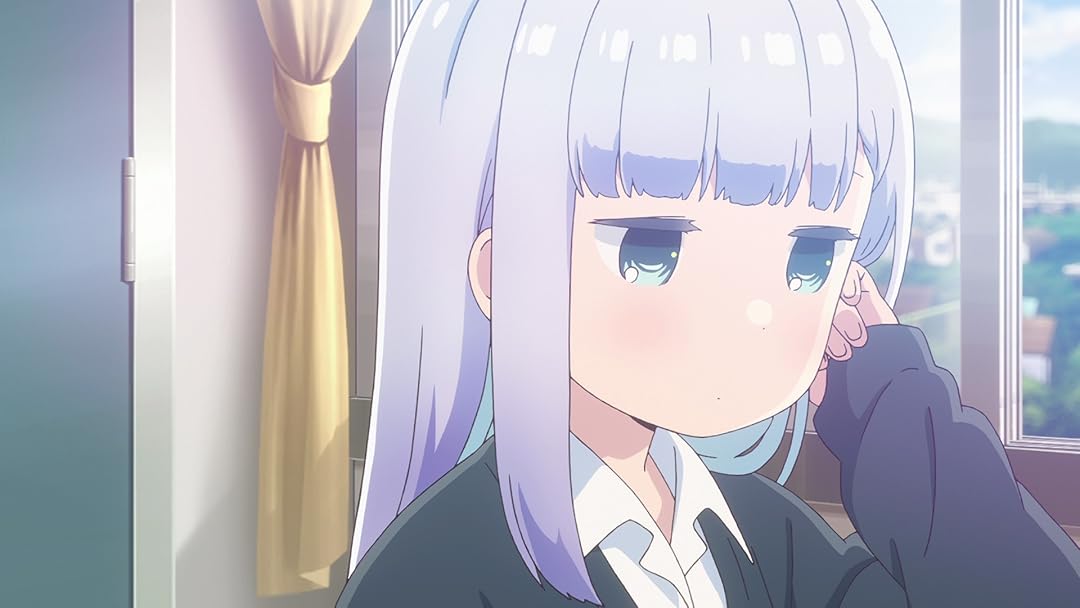
Aharen-san is Indecipherable (Credits: Crunchyroll)
Within hours of the law passing, anime discourse on X (formerly Twitter) descended into chaos. The #BanJapan trend emerged, with users accusing Japanese creators of “deliberately targeting Western youth” with immoral media. Viral posts urged platforms like Crunchyroll and Netflix to suspend all Japanese imports.
Prominent American conservatives praised the move, framing it as part of a broader cultural cleanup. One viral clip from Texas Representative Shelby Holloway claimed “anime has become a pipeline to degeneracy,” drawing sharp condemnation from both fans and creators.

Welcome to Japan, Ms. Elf! Anime (Crunchyroll)
The video was widely circulated and critiqued by outlets like NPR and The Guardian , who highlighted concerns over moral panic and xenophobia.
Japanese artists responded swiftly. Director Seiji Kishi, known for Angel Beats and Assassination Classroom , posted: “You can’t erase our stories because they make you uncomfortable.” His statement echoed across anime communities, many of which now see the Texas law as an attack on creative freedom, not just regulation.
Industry Fallout and Cultural Standoff
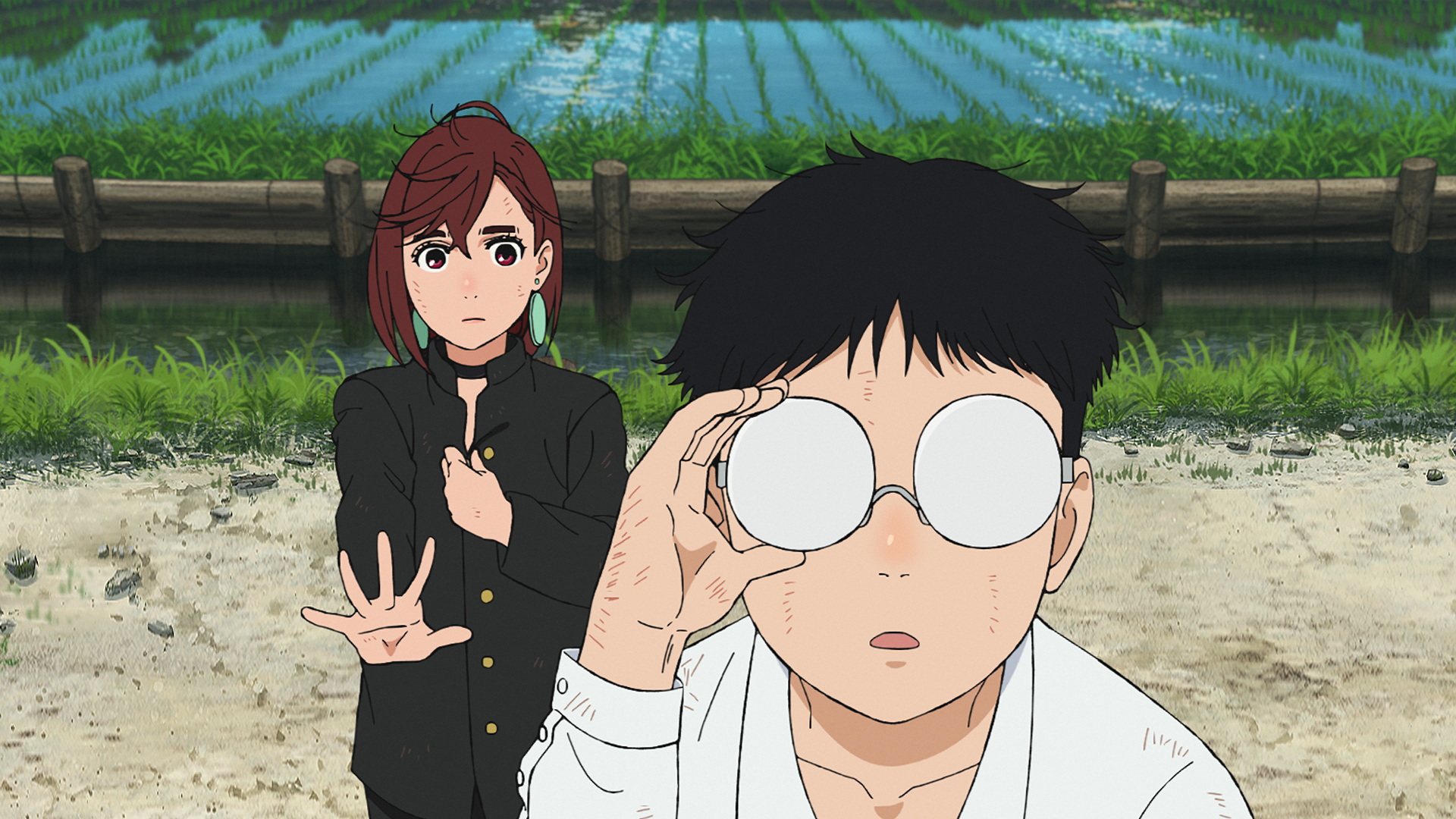
Dandadan Episode 2 Still (via Crunchyroll)
In Japan, government officials have yet to respond, but industry leaders fear growing scrutiny in overseas markets. An unnamed executive from Aniplex told Asahi Shimbun that the law “could pressure studios to self-censor to retain licensing rights.” Others worry it may discourage Japanese creators from exploring complex themes, particularly in psychological or coming-of-age stories.
Back in the U.S., anime conventions are feeling the ripple effects. Organizers of Anime Frontier in Fort Worth reported a surge in attendee cancellations and threats of protest. Meanwhile, local libraries and schools are quietly removing manga titles flagged under the new law’s guidelines.
For many in the anime community, the fight goes beyond a single bill. It’s become a battleground over whose values shape global media. As debates over “acceptable” content escalate, the chasm between Western legislative oversight and Japan’s artistic philosophy seems deeper than ever. Whether either side can find middle ground—or whether anime becomes another victim of culture war crossfire—remains uncertain.
A recent UN Human Rights Council report has sent shockwaves through the anime world by asserting that certain anime genres normalize sexual violence, especially against women and minors. The report, presented by special rapporteurs on child protection and digital safety, urges international action to regulate “graphic and exploitative content” that reaches global audiences unchecked.
Japanese creators and fans are pushing back hard, calling the UN’s stance a misunderstanding of anime’s artistic and cultural context. They argue that the report unfairly singles out Japanese animation without fully appreciating its themes or narrative nuance.
Japan Fires Back at Cultural Oversight
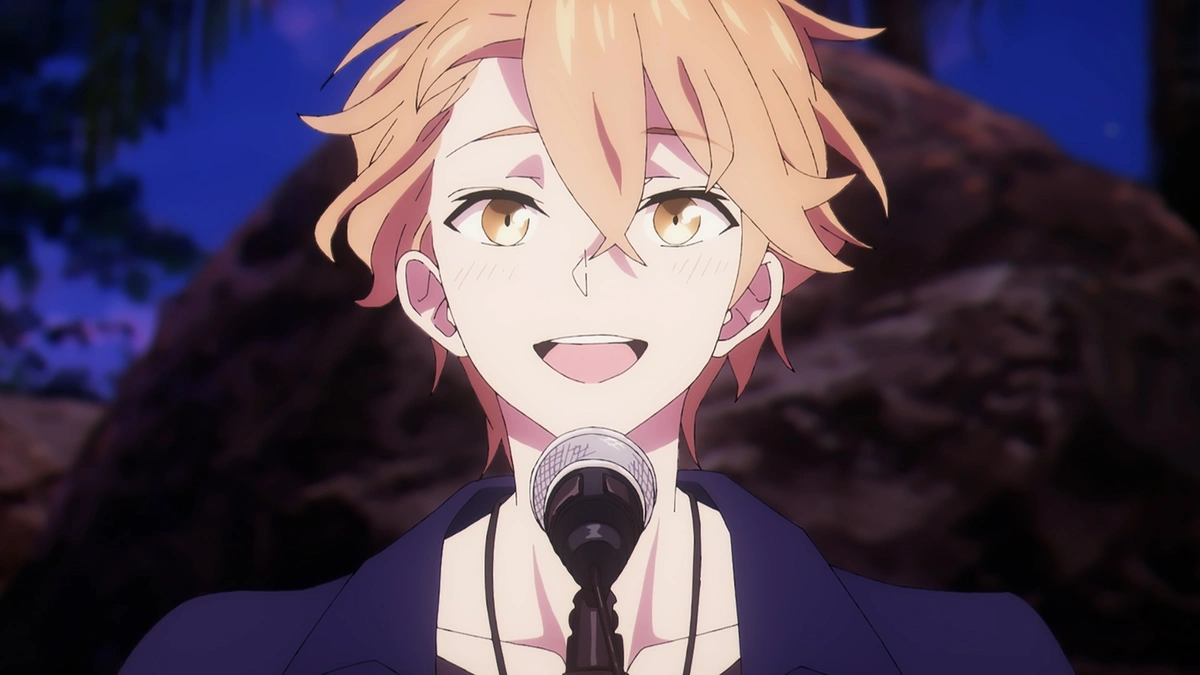
Boys Idol Anime UniteUp (credits: Crunchyroll)
The UN report names specific subgenres—such as ecchi , hentai , and loli —as contributing to a culture of normalized exploitation. It cites titles that depict coercion or sexual tension involving underage characters, asserting these narratives are being exported with minimal age restrictions.
Japanese officials responded diplomatically but firmly. A representative from the Agency for Cultural Affairs stated that anime is “a form of creative expression that explores a wide range of human experience,” and emphasized Japan’s existing laws on child protection and obscenity. Prominent directors and manga authors also joined the discourse, many warning against a blanket condemnation rooted in Western sensibilities.
Mamoru Oshii, creator of Ghost in the Shell , publicly dismissed the UN’s approach: “These people don’t watch anime—they judge it.” His remarks were echoed by veteran artist CLAMP, who criticized the report’s failure to distinguish between fantasy and advocacy.
Global Fans Caught in the Crossfire
Most Popular Anime
The controversy has exposed sharp divides within anime’s global fanbase. On platforms like Reddit and X, Western viewers expressed discomfort with certain tropes and supported the call for age gating. Meanwhile, Japanese and Southeast Asian fans argued that storytelling is culturally relative and that the UN’s recommendations threaten creative diversity.
Some scholars, such as Dr. Sharon Kinsella of Oxford, warn that labeling all mature anime as dangerous reflects a lack of media literacy. She noted in an interview with BBC News that anime often critiques power structures, including gender and societal roles, rather than promoting them.
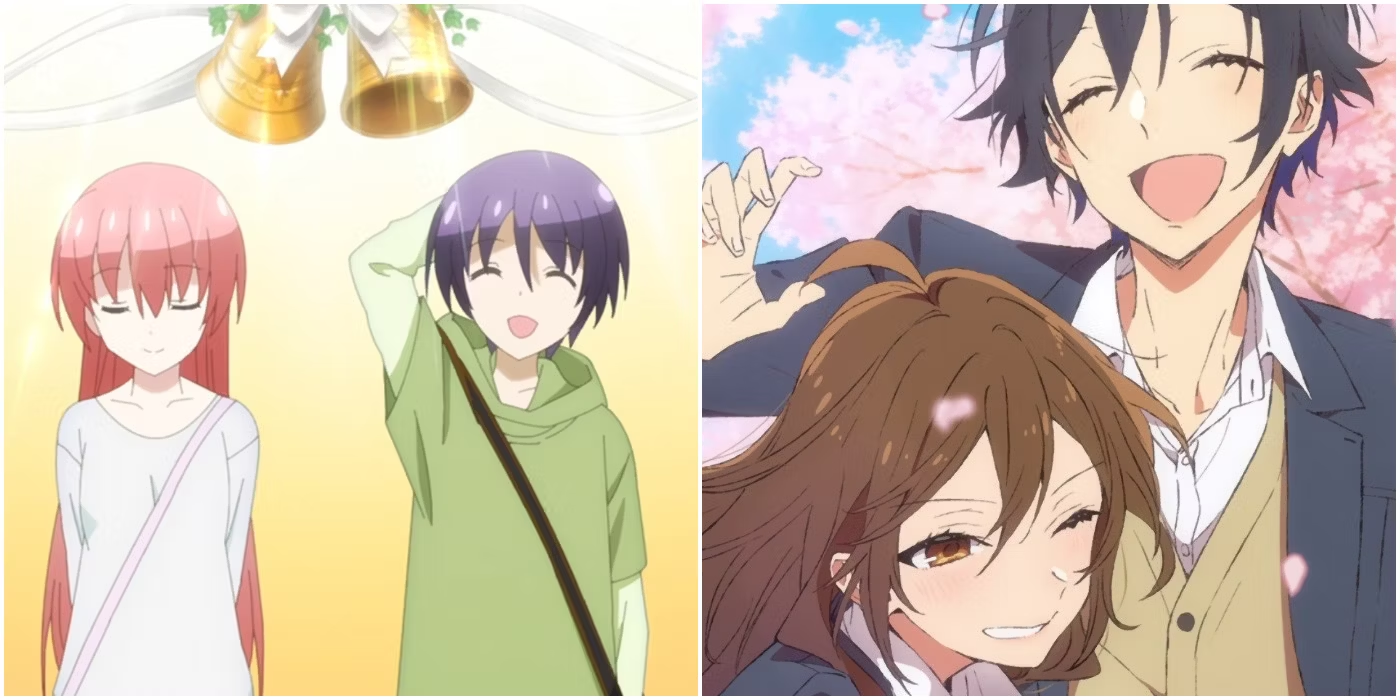
Heartwarming Anime That Bring Pure Joy
Streaming services like Netflix and Crunchyroll are now under pressure to clarify their content guidelines. While no takedowns have occurred yet, the threat of international oversight looms. In Japan, the anime industry remains defiant but alert. Studios worry that foreign markets may become increasingly hostile, especially if policy recommendations gain traction among regulatory bodies.
As this cultural standoff unfolds, one question hangs in the air: who decides what stories are safe to tell? For many in Japan, the UN’s criticism feels less like child protection and more like cultural overreach. For others, it’s a necessary push toward responsible storytelling in a connected world. Either way, the world of anime is now a frontline in a growing global ethics debate.
