Texas has passed a controversial bill that officially categorizes specific types of anime as “sexually perverse” content, igniting a heated clash between conservative Christian groups and the anime community. The bill, which restricts the sale and distribution of several anime series to minors, passed with strong support from religious lobbyists who argue the genre poses “moral and psychological dangers” to children.
Celebrated as a “triumph for family values” by evangelical groups across the state, the legislation has drawn swift condemnation from fans and civil liberties advocates. Many see it as a form of cultural censorship that unfairly targets Japanese animation based on biased interpretations and selective outrage. Anime fans, creators, and academics alike are raising alarms over what they call an authoritarian move dressed as child protection.
Religious Groups Applaud the Clampdown
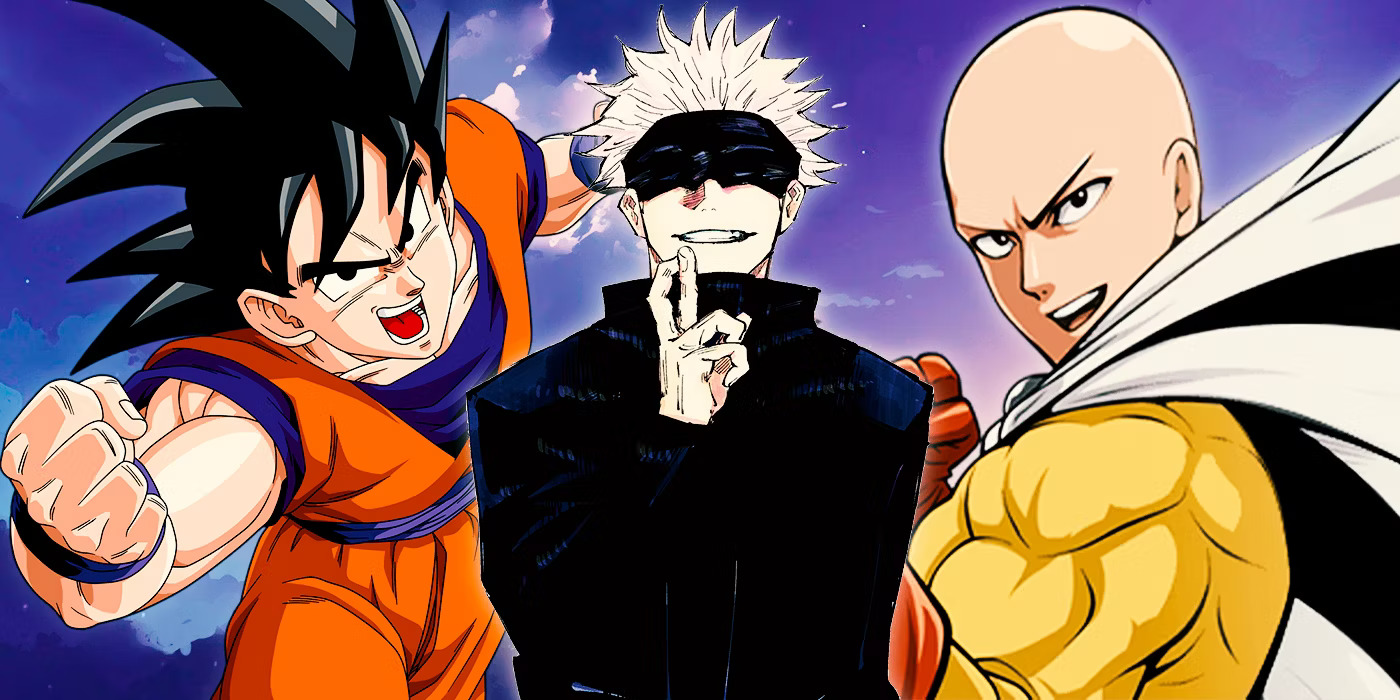
Goku, Gojo, and Saitama (Credits: Crunchyroll)
The bill singles out anime with what lawmakers term “excessive sexualization of minors” and “distorted gender representation,” drawing heavily from rhetoric pushed by evangelical advocacy networks. These groups argue that anime normalizes “perversion” and erodes American values, with some even likening it to “animated pornography.”
At a press conference in Austin, Christian leaders and lawmakers stood side by side, claiming victory in a “battle for the soul of America’s youth.” They cited anime titles like Prison School and Redo of Healer as examples of the genre’s so-called moral decay. Church groups across the state have already launched efforts to “purge” anime from school libraries and local comic shops.
Anime Fans Cry Foul Over Cultural Discrimination
Time Travel Anime
Otakus, artists, and anime retailers have blasted the bill as an ignorant overreach. Many argue that lawmakers have little to no understanding of anime’s breadth or cultural significance. “It’s a smear campaign,” says one Dallas-based manga store owner. “They lump every title into one category without nuance. It’s like banning all American movies because American Pie exists.”
Fans have taken to social media to denounce the bill, organizing petitions and planning protests. Cosplayers, convention organizers, and anime voice actors have spoken out as well, pointing out how the bill not only impacts commerce but also tramples on creative freedom. Critics also warn that the legislation sets a dangerous precedent for culturally targeted censorship.
Scholars and Free Speech Advocates Sound the Alarm

Amazing Short Anime
Cultural critics and legal scholars argue that the bill may violate First Amendment protections, especially since anime encompasses a wide spectrum of genres, styles, and age ratings. “This is a classic moral panic,” says a media studies professor at UT Austin. “Anime is being scapegoated due to ignorance, fear, and cultural prejudice.”
Organizations like the ACLU are reviewing legal options to challenge the law, calling it vague and overly broad. With the anime industry playing a major role in global entertainment and generating billions annually, many fear the law could also deter international publishers from doing business in Texas.
A Deepening Divide Between Generations and Cultures
While Christian activists see the bill as protecting youth from harmful influence, younger generations see it as proof that lawmakers are disconnected from global pop culture. The controversy highlights a growing rift: anime’s rise in mainstream American media clashes with traditionalist forces bent on restricting its influence.
As anime conventions prepare for summer, Texas’s decision looms over retailers and fans alike. Whether the law survives court challenges or inspires similar bills elsewhere remains to be seen—but one thing is clear: the battle over anime in America is no longer just about cartoons. It’s a flashpoint in the country’s ongoing culture war.
Japan is facing mounting pressure from international bodies after refusing to implement censorship laws targeting “loli” characters—anime portrayals of youthful or childlike female characters often shown in suggestive contexts. The UN’s Committee on the Rights of the Child issued a formal rebuke, claiming Japan’s inaction contributes to “the normalization of child harm through fictional media.”
The controversy centers around anime and manga that feature highly stylized depictions of underage-looking characters, a genre that has sparked outrage in the West for years. Though fictional, critics argue such content blurs the line between imagination and exploitation, potentially influencing dangerous real-world behavior.
UN Slams Japan Over Loli Culture
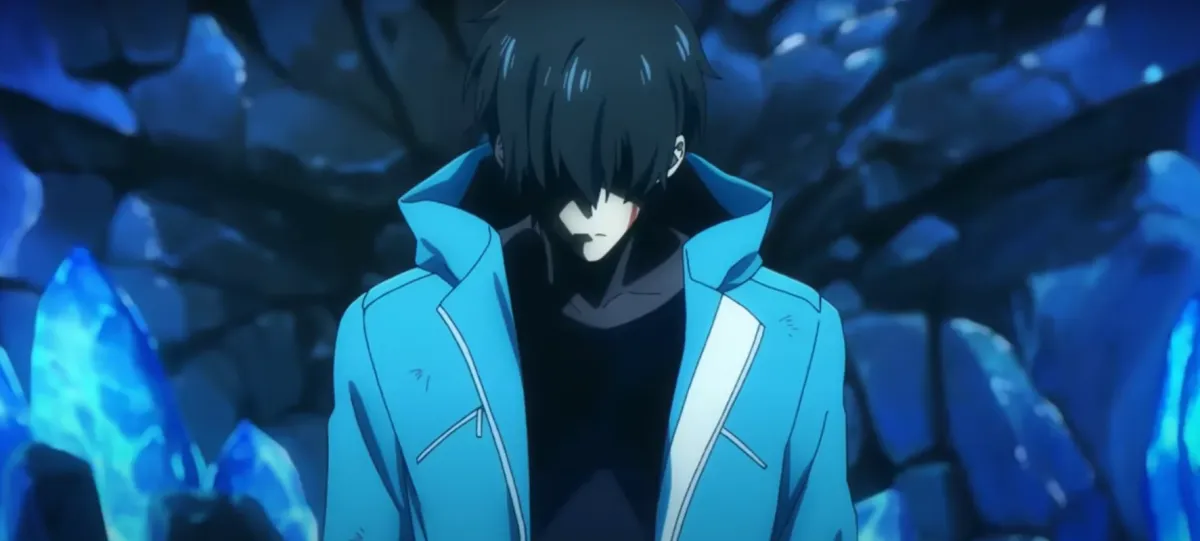
Sung Jinwoo from Solo Leveling (Credits: A-1 Pictures)
The United Nations has called on Tokyo to enact strict legislation banning the production and distribution of sexually suggestive content involving childlike characters. The UN’s latest report cites a “disturbing tolerance” for animated materials that would be illegal in many other nations.
Human rights groups and child protection organizations from Europe, North America, and Australia have joined in the criticism, arguing that Japan’s entertainment sector is “shielding disturbing fantasies under the guise of art.” According to these groups, Japan’s refusal to regulate this content places it at odds with global standards for child safety.
Japan Pushes Back: Culture vs. Criminality
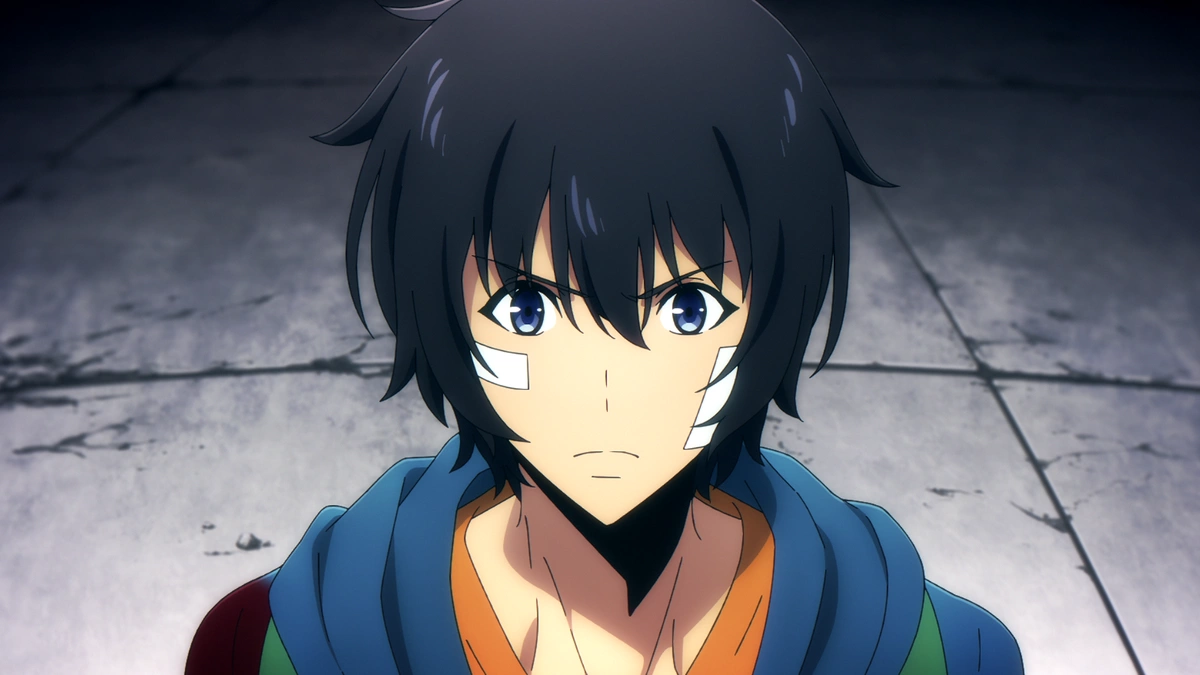
Sung Jinwoo (Credits: A-1 Pictures)
Japanese government officials, however, have pushed back, citing domestic legal standards that separate fictional content from criminal acts. Japan’s Ministry of Internal Affairs reaffirmed that the nation has no plans to criminalize artistic expression unless it involves real minors.
Creators and legal scholars in Japan argue that the global outrage stems from cultural misinterpretation. “These characters are fictional, not representations of real children,” says manga artist Yūki Aihara. “The West sees perversion; we see metaphor, stylization, and fantasy.” Many in the anime industry fear that foreign pressure could stifle artistic innovation and punish creators based on subjective interpretations.
Censorship or Sovereignty? The Legal and Cultural Divide

My Drees Up Darling
Japan’s reluctance to criminalize loli content stems partly from constitutional protections for free speech. Unlike in the U.S. or U.K., Japanese law distinguishes sharply between fictional and real imagery, with the former generally protected. Past attempts to legislate bans have sparked fierce backlash from artists, publishers, and civil liberties advocates.
Critics of international pressure warn that imposing Western values on Japanese media erodes cultural sovereignty. “It’s not about protecting children; it’s about exporting moral standards,” says a Tokyo-based legal analyst. “There’s a risk in equating cultural artifacts with criminal intent.”
A Growing Rift in Global Media Ethics
The standoff highlights a deepening rift between Japan and global watchdogs over media ethics. While many countries tighten laws around fictional depictions involving minors, Japan continues to prioritize artistic freedom over external condemnation. The disagreement underscores broader questions about where to draw the line between art and harm in a connected world.
As debates escalate online and diplomatic tensions rise, Japan’s stance remains firm. Whether the UN’s pressure leads to future policy shifts is unclear—but for now, the clash between global child protection norms and Japan’s media culture continues to intensify.
