Texas Senate Bill 20 (SB 20), introduced by Texas State Senator Pete Flores, has raised significant concern within the anime and manga communities. The bill aims to criminalize the possession, promotion, and viewing of any obscene visual material depicting minors, including animated content such as anime. If passed, the bill could lead to widespread censorship and even potential bans on several popular anime series.
The bill targets any material that depicts minors engaging in activities defined under Section 43.21(a)(1)(B) of the Texas Penal Code, which refers to sexual acts. What makes this proposal particularly concerning is that it explicitly includes “cartoons or animation” and imagery created using artificial intelligence or other software. This broad wording raises the possibility that even well-known and widely accepted anime could be subject to legal scrutiny.
The Risk to Popular Anime
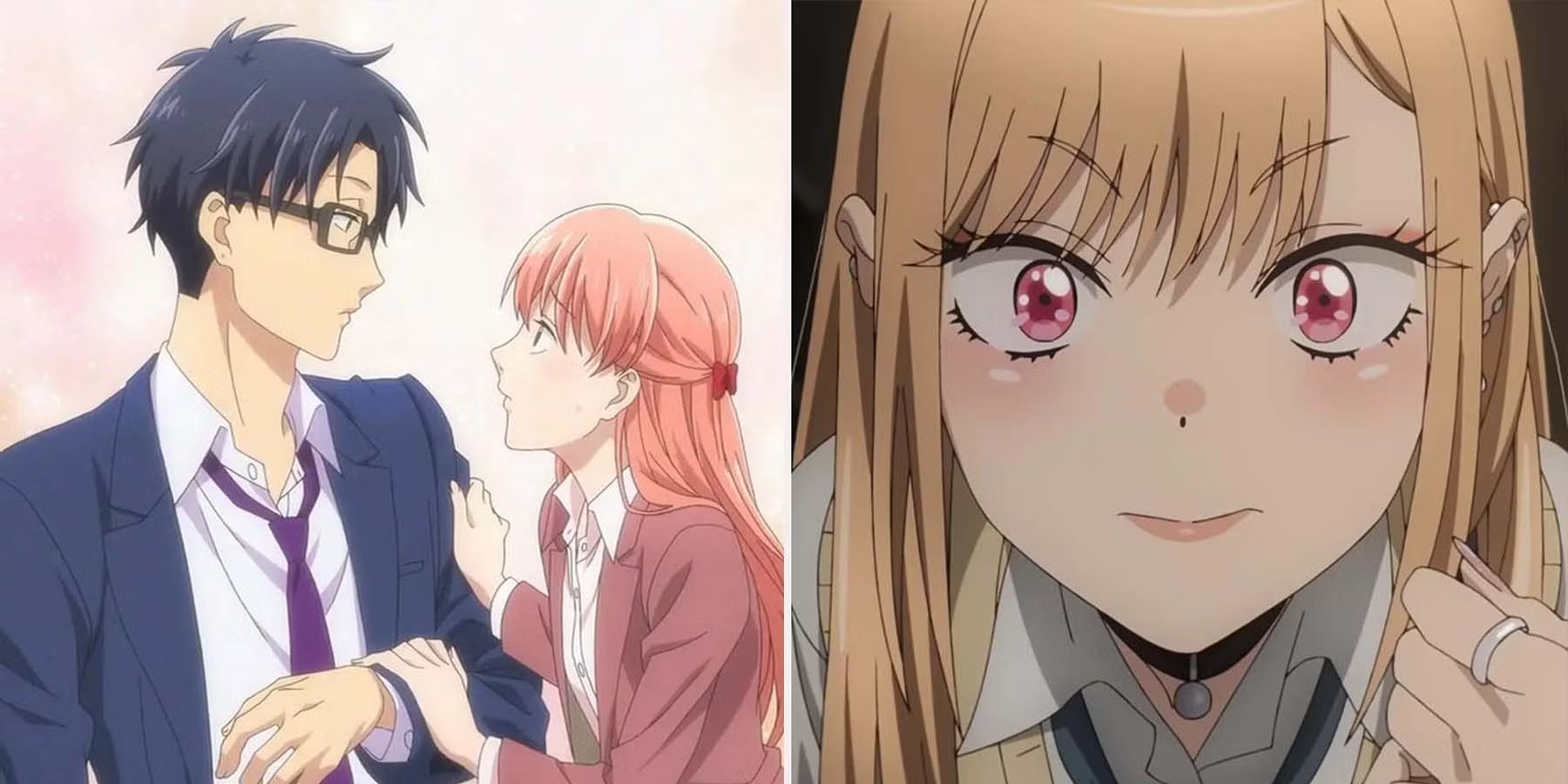
Shoujo Anime
While the bill appears to target explicit or pornographic content, its vague language creates uncertainty about how it might be enforced. Anime often features characters who are minors in suggestive or comedic situations that could be interpreted as obscene under the new law.
The law states that works with “literary or artistic value” would be exempt from prosecution, but this would ultimately be left to the discretion of individual judges. That creates a subjective standard where one judge may see a scene from Dragon Ball as harmless comedic material, while another may classify it as obscene and illegal.
Potential for Misuse and Broader Censorship
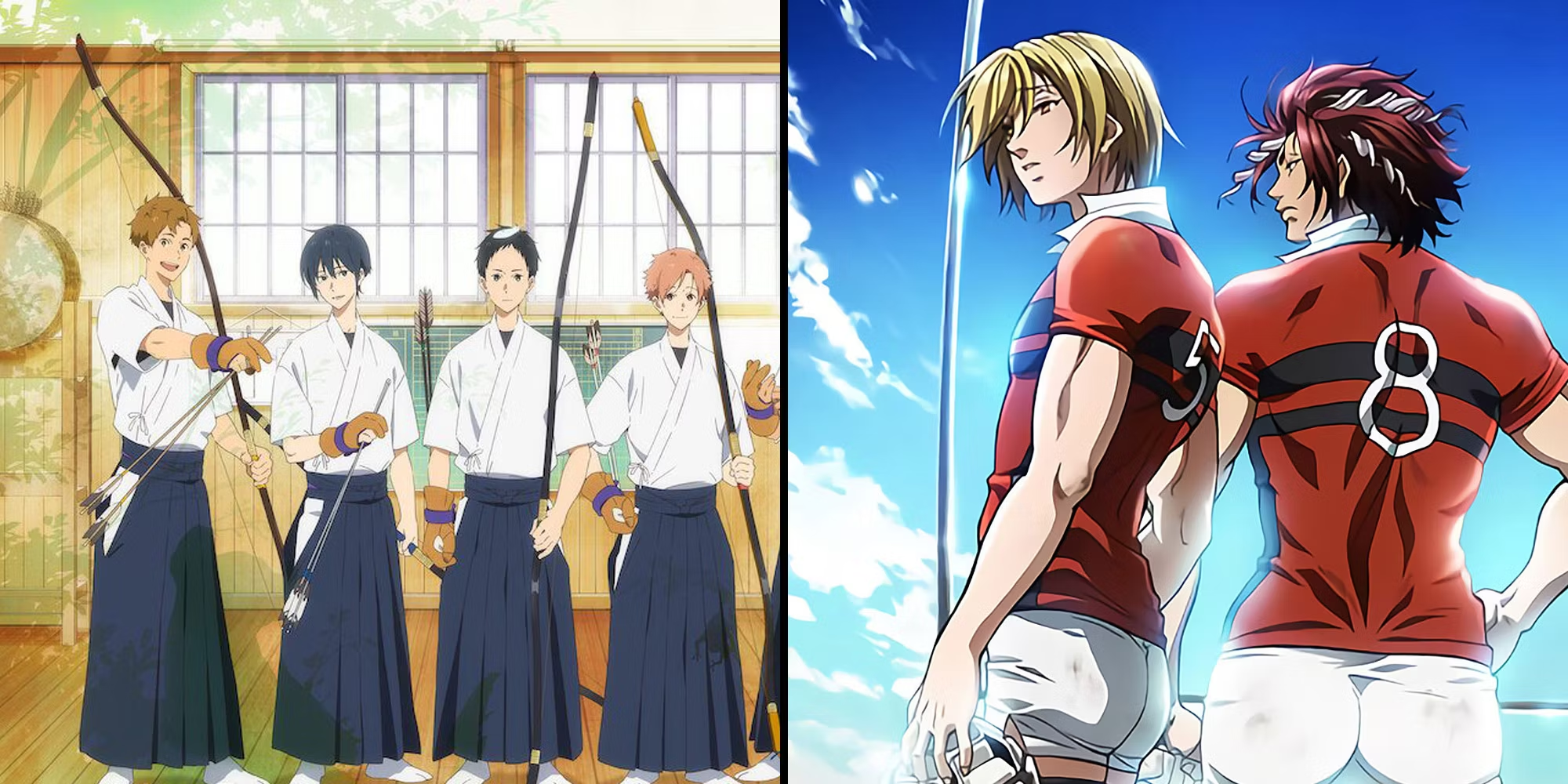
Sports Anime
The broad nature of SB 20 raises serious concerns about how it could be weaponized beyond its stated purpose. While the bill is ostensibly aimed at protecting minors and curbing AI-generated illicit content, it could also be used to target LGBTQ+ representation or stories involving sensitive themes.
Recent cases of manga and book bans across the U.S. have already shown how quickly works with minor controversial content can be censored. For instance, Unico: Awakening was targeted despite lacking explicit material, highlighting how easily content can be removed under pressure from conservative groups. SB 20’s vague language could provide legal grounds for similar action against anime and manga in Texas.
The bill also raises the possibility that streaming platforms and retailers could preemptively remove or restrict access to anime deemed risky under Texas law. This could lead to significant gaps in anime availability for Texas-based fans and businesses, impacting not only the audience but also the industry’s financial health.
What This Means for the Future of Anime in Texas
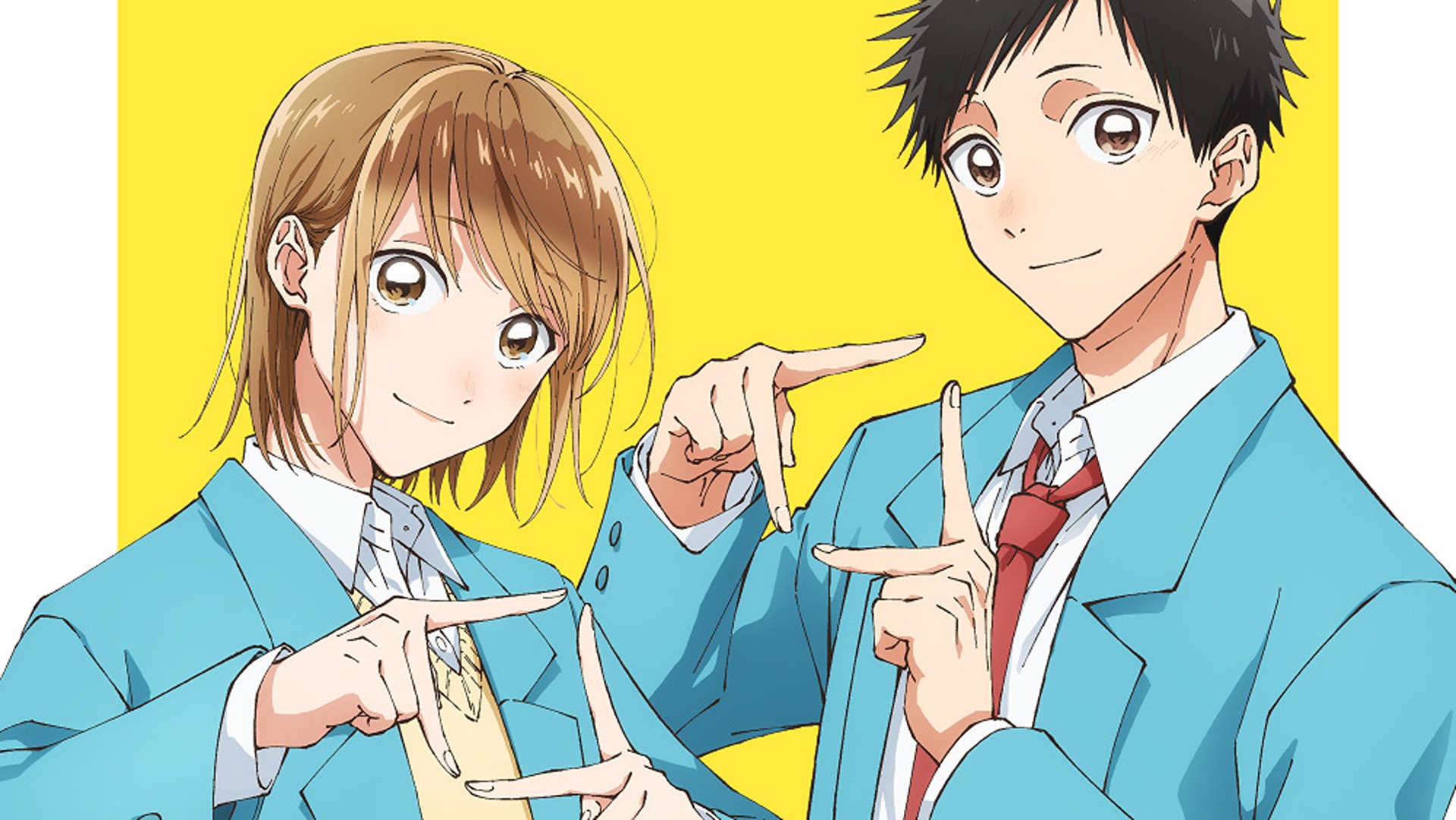
Blue Box anime New Poster (Credits: TMS Entertainment)
The passage of SB 20 would place Texas at the forefront of content regulation for anime and manga. While it’s unlikely that major franchises like Dragon Ball or Naruto would face outright bans, the potential for selective enforcement and subjective interpretation creates significant uncertainty.
Moreover, smaller or less commercially successful series could face greater risk of censorship or removal. Distributors and platforms may err on the side of caution, leading to reduced availability of anime and manga content in Texas.
The bill’s potential impact extends beyond anime to include comics, video games, and even fan art. Its vague definitions of obscenity and artistic value make it a potential tool for broad censorship, raising alarms within the creative community.
A recent interview with Makoto Tezuka, the son of the late Osamu Tezuka, has ignited controversy among anime and manga fans. During an event titled “The Future of AI-driven Animation Expression,” Makoto disclosed that he had spent the past five years attempting to create an anime in his father’s iconic style using artificial intelligence. The revelation has sparked heated backlash, with many accusing Makoto of disrespecting his father’s artistic legacy.
The backlash comes at a particularly sensitive time, as the anniversary of Osamu Tezuka’s death was only a few weeks ago. Tezuka, often regarded as the “Godfather of Manga” and “The Walt Disney of Japan,” left behind a monumental legacy through works such as Astro Boy, Black Jack, and Phoenix. His detailed and emotionally charged storytelling set the foundation for modern manga and anime. Many fans feel that attempting to replicate his distinctive style through AI technology undermines the depth and human touch that defined his work.
AI Fails to Capture Tezuka’s Artistic Vision
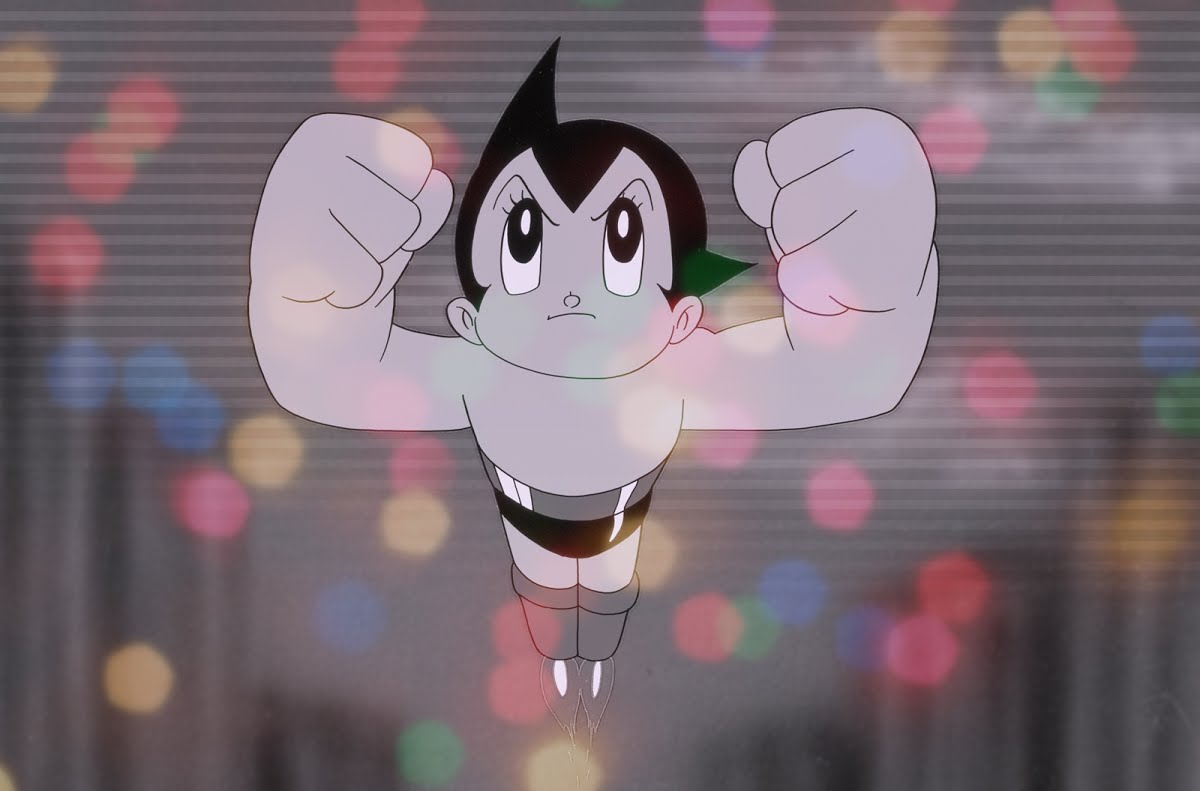
Astro Boy
Makoto Tezuka explained that despite years of effort, the AI failed to replicate his father’s artistic direction . While it could mimic the visual style of Tezuka’s work, it struggled to capture the creative intent and emotional nuance that defined the original art. This failure has provided some relief to fans who worried that AI-generated content could dilute Tezuka’s legacy.
However, the mere attempt to recreate Tezuka’s work using AI has left many supporters outraged. For many, Tezuka’s art was a deeply personal and human expression—an extension of his thoughts, emotions, and worldview. The notion that AI could replicate that artistic essence is seen as not only misguided but also disrespectful to the very philosophy that defined Tezuka’s career.
Fan Reaction and Industry Backlash
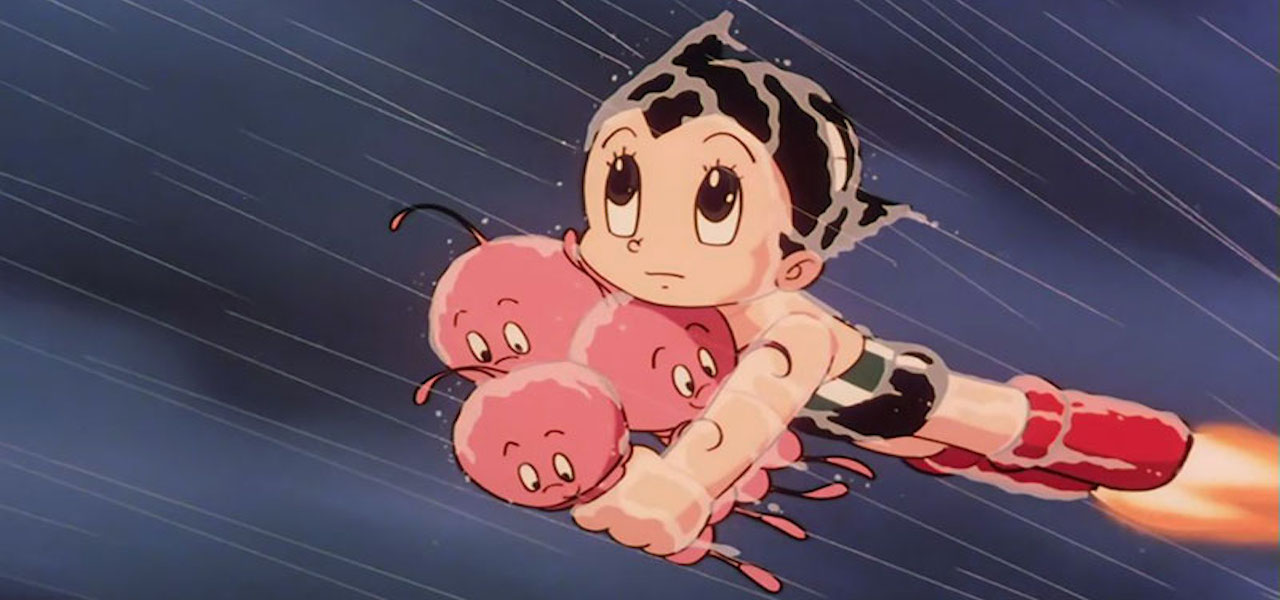
Astro Boy
Fan reaction to Makoto’s admission has been overwhelmingly negative. Social media platforms have been flooded with criticism, with many fans accusing Makoto of “trying to commercialize his father’s legacy” and “betraying Tezuka’s artistic integrity.” Some have gone so far as to suggest that Makoto’s experiment was motivated more by profit than by artistic tribute.
The controversy also reflects broader concerns within the anime and manga industries regarding AI-generated content. Many artists and industry professionals have voiced opposition to AI’s increasing role in creative fields, arguing that it undermines the human element of art. Makoto’s attempt to recreate his father’s work through AI has amplified these fears, reinforcing the belief that artistic expression cannot be reduced to algorithms and machine learning.
What This Means for Tezuka’s Legacy
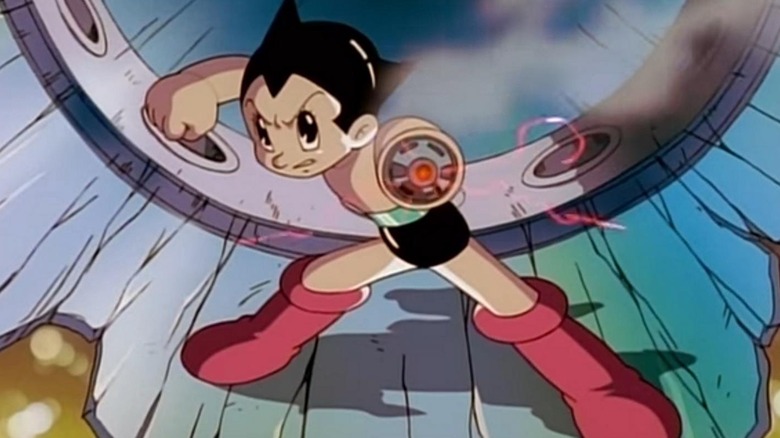
Astro Boy
Despite the failure of Makoto’s AI project, the backlash highlights the protective sentiment that fans feel toward Osamu Tezuka’s legacy. His works are not just pieces of art—they are cultural landmarks that shaped the evolution of manga and anime as a medium. The notion that AI could replicate or “continue” Tezuka’s work without human involvement strikes at the core of what makes his art meaningful.
Makoto Tezuka has not yet responded to the backlash or clarified whether he plans to continue pursuing AI-based projects. However, the intensity of the reaction suggests that any future attempt to use AI in Tezuka’s name would face significant resistance from both fans and the artistic community.
