The 100 Girlfriends Who Really, Really, Really, Really, Really Love You continues to be one of the most entertaining and over-the-top anime in recent memory, and season 2 has brought some of its most memorable moments to the screen. Episode 12, in particular, ended the season on a high note, adapting one of the most iconic scenes from the manga — Rentaro’s grand confession to all his girlfriends.
The episode adapted the famous scene from Chapter 37, where Rentaro stands on the roof of the school and delivers an absurdly long 2000+ word confession to all of his girlfriends. The scene became a viral sensation when the manga was first published, and fans were eager to see how the anime would handle such an outlandish moment. True to its hilarious and energetic nature, the anime pulled it off flawlessly, turning the scene into one of the season’s most talked-about moments.
The Confession Scene: Going Viral for All the Right Reasons
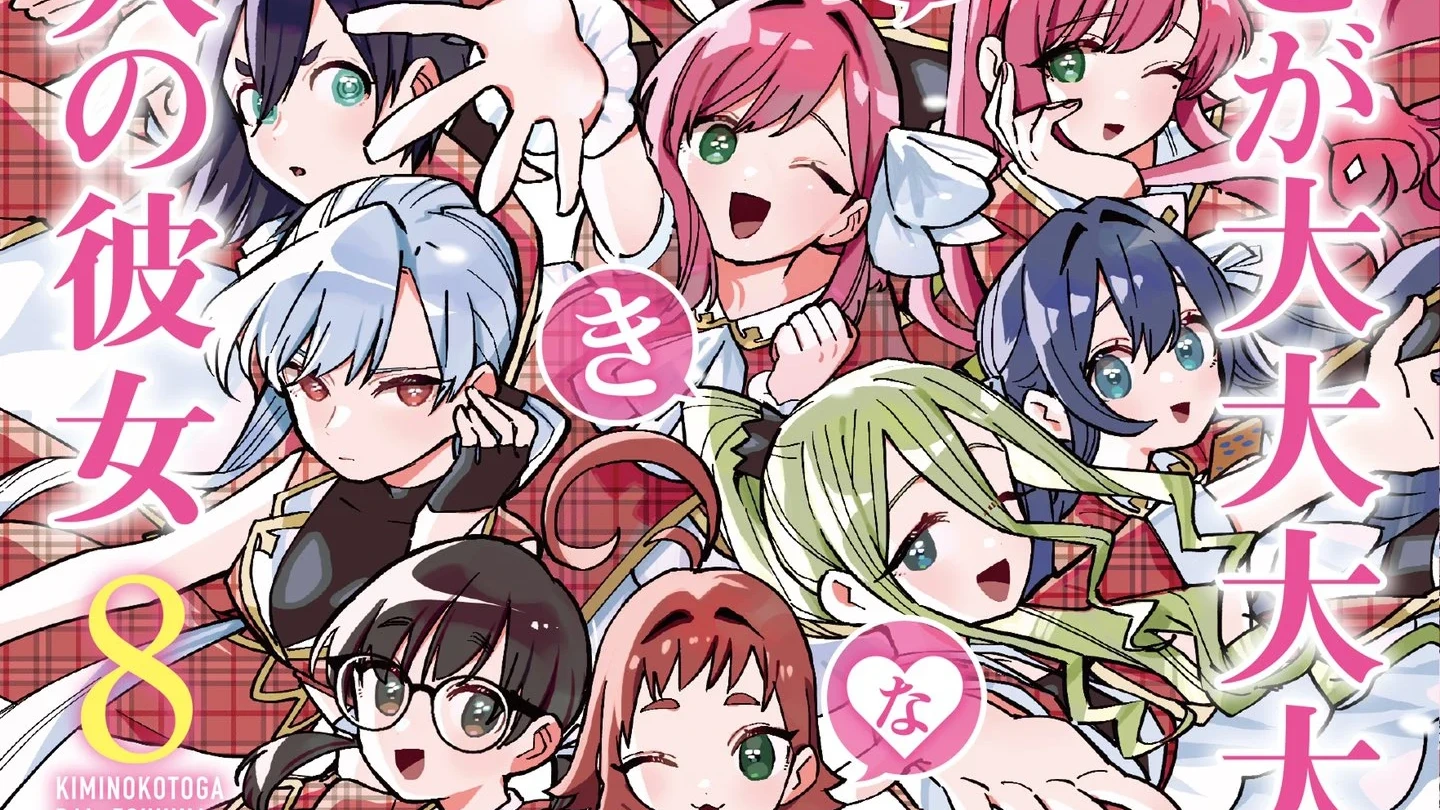
The 100 Girlfriends Who Really, Really, Really, Really, Really Love You (Credits: Shonen Jump Plus)
The original manga panel featured a double spread page filled with Rentaro’s lengthy and passionate declaration of love to each of his girlfriends, and the anime stayed true to that over-the-top energy. The confession scene was about 1 minute and 30 seconds long and saw Rentaro’s speech gradually speed up, which added a comedic twist to the already absurd scenario. Fans of the series couldn’t stop talking about how well the anime adapted this viral moment, capturing the over-the-top nature of the manga perfectly.
While the broadcast version fast-forwards Rentaro’s iconic scene in The 100 Girlfriends Who Really, Really, Really, Really, Really Love You Season 2 finale, Miyu Tomita (the voice of Karane) revealed that during dubbing, Wataru Kato actually delivered the entire speech at normal… https://t.co/ShIcZwoTFG pic.twitter.com/vWM1a5DKwJ — Seiyuu Corner (@seiyuucorner) March 31, 2025
Additionally, the episode included some anime-only content that added even more excitement to the mix. Two new characters, Mimimi and Meme, were introduced as Rentaro’s additional girlfriends, even though they hadn’t yet appeared in the manga. The anime did not shy away from poking fun at this, breaking the fourth wall and acknowledging that these characters hadn’t been introduced in the source material. To add to the fun, Mimimi and Meme performed a couple of karaoke songs, creating a memorable and extra comedic moment for viewers.
A Better Version Awaits: The Blu-ray Release
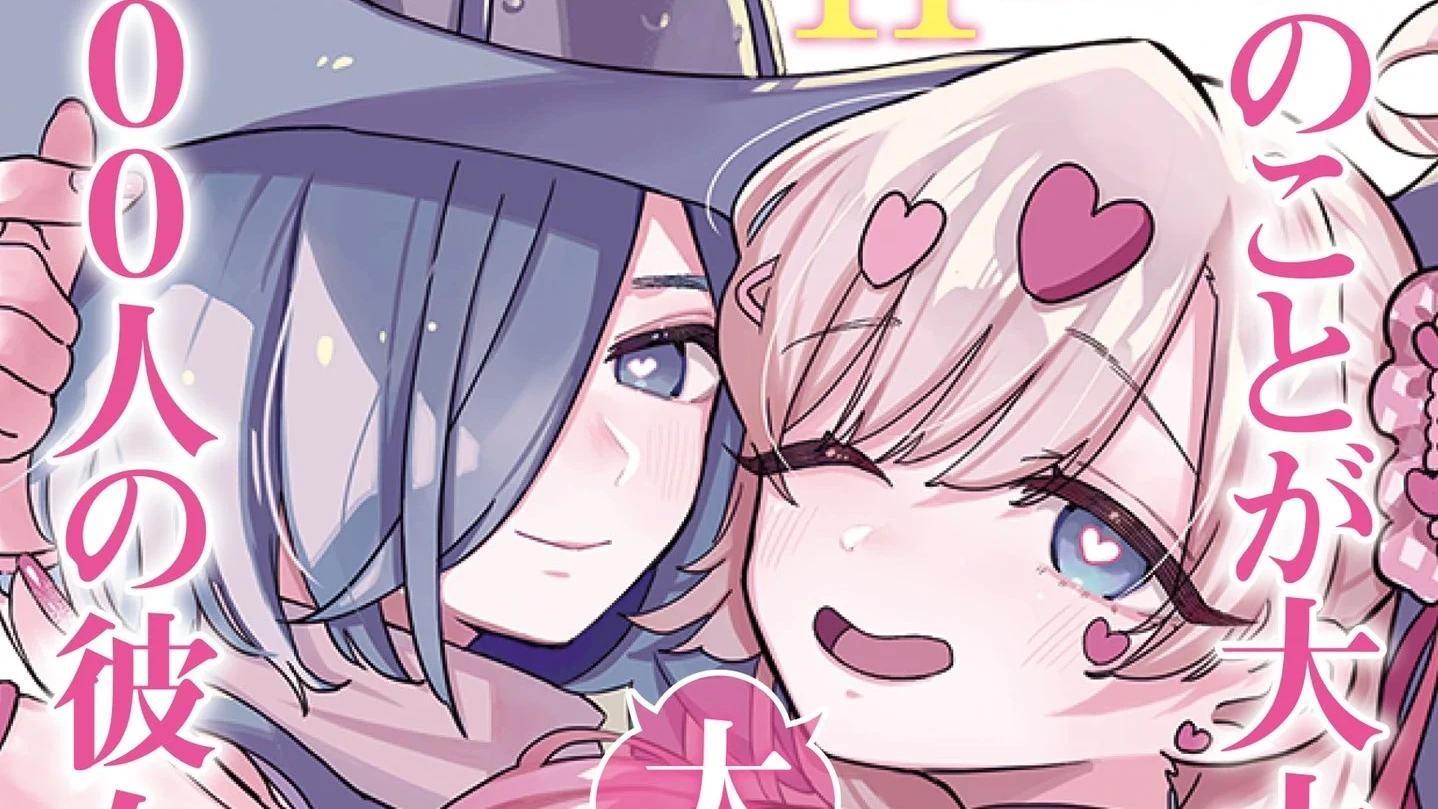
The 100 Girlfriends Who Really, Really, Really, Really, Really Love You | Manga Cover (Credits: Shonen Jump Plus)
Fans who enjoyed the speedy confession scene can look forward to an even better version on the Blu-ray release. Karane’s voice actor, Miyu Tomita, praised the effort of Wataru Kota, who recorded Rentaro’s confession at normal speed. The Blu-ray version will feature the scene in its original speed, removing the comedic speed-up and making the scene even funnier and more in line with the manga’s full comedic intent.
Season 2 of The 100 Girlfriends Who Really, Really, Really, Really, Really Love You has proven to be a delightful and highly entertaining adaptation, hitting all the right comedic beats and enhancing the original source material. The effort put into making the anime just as fun, if not more, than the manga is evident, and fans can look forward to even more laughs in future releases.
In an unexpected turn of events, Princess Mononoke’s recent IMAX re-release has managed to break its own domestic box office record, earning more than $4 million. This comes amid a growing controversy surrounding the rise of AI-generated images that mimic Studio Ghibli’s iconic style. As AI tools flood the internet with Ghibli-esque visuals, the debate over the morality and legality of AI art has intensified. Artists and fans of the studio have spoken out against AI’s potential to replicate artistic styles, arguing that it undermines the hard work and creativity of original creators.
The IMAX release of Princess Mononoke appears to have struck a powerful chord with audiences, reaffirming their love for authentic, hand-drawn animation. Despite the surge of AI-generated images, Princess Mononoke’s impressive box office performance suggests that the public still values the artistry behind traditional animation. This success is a testament to the enduring appeal of Hayao Miyazaki’s craftsmanship, even in the face of rapidly advancing technology.
The Growing AI Art Debate
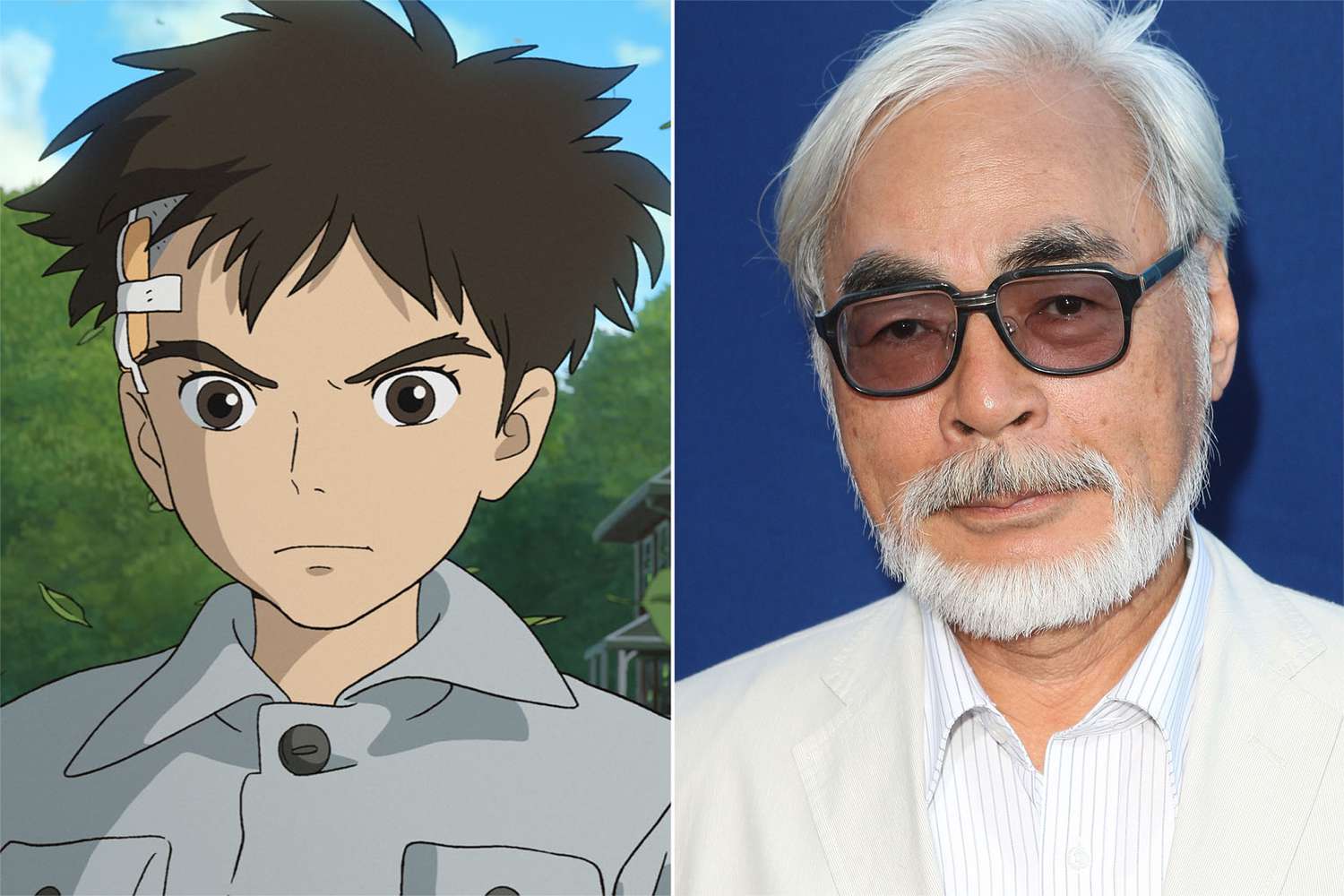
The Boy and the Heron (Credits: Studio Ghibli)
The introduction of OpenAI’s new image generation tool, which allows users to create images in the distinct style of Studio Ghibli, has sparked fierce debates on social media. Critics argue that AI-generated art, while accessible to more people, takes advantage of the creative legacies of artists like Miyazaki. The tool enables users to produce Ghibli-like images without the years of training required to master the style. As these AI-generated images proliferate, many are concerned about the loss of artistic integrity and intellectual property.
Gkids, the North American distributor for Studio Ghibli films, is using a statement about a “Princess Mononoke” re-release to perhaps make an oblique commentary on the recent release of an AI tool that replicates the style of the studio. In a statement, Chance Huskey, VP of… pic.twitter.com/SuCurtR6w0 — Variety (@Variety) March 28, 2025
Despite these concerns, AI defenders argue that the technology allows individuals who may not have the technical skill to create art on their own to express themselves. However, the surge in AI-created Ghibli-style images has many artists fearing the devaluation of their craft. With Princess Mononoke breaking records in theaters, the film’s success demonstrates that, even in the era of AI, audiences continue to appreciate the painstaking effort behind hand-drawn animation.
Miyazaki’s Views on AI
Studio Ghibli
Hayao Miyazaki has long been vocal about his opposition to AI in art. In 2016, during a demonstration of AI-assisted animation, he made it clear that he viewed such technology as an insult to human creativity. “I strongly feel this is an insult to life itself,” he said, echoing his concern that AI could erode the value of authentic, human-created works. This philosophy aligns with his dedication to preserving the artistry and integrity of animation, which is reflected in the ongoing appeal of his hand-drawn films.
As the AI debate rages on, it remains uncertain whether Miyazaki or Studio Ghibli will take legal action against OpenAI for its use of the Ghibli style. However, the success of Princess Mononoke’s IMAX re-release serves as a reminder that audiences continue to embrace and celebrate the original artistry, providing hope that traditional animation can coexist with AI technology without being overshadowed by it.
In a world where technology increasingly plays a central role in creativity, the triumph of Princess Mononoke’s re-release is a clear message: the public still values authenticity in art, and hand-drawn animation remains a cherished form of storytelling.
