It has been 10 years, and the Babadook is still with us – which is great news for those who love horror. Jennifer Kent’s The Babadook will be re-released by IFC Films on September 19 to celebrate its 10th anniversary.
The movie deals with tough topics like guilt, trauma, and depression, and Kent’s twist on a creepy bedtime story became a hit right away. It even created an unexpected LGBTQ+ symbol.
The Babadook was one of the first movies in the “elevated horror” trend and continues to stand out for its emotional look at a mother’s complicated feelings toward her son and her own hidden emotions.
Essie Davis plays Amelia, a single mother working hard to care for her troubled son, Sam (played by Noah Wiseman). Sam’s father, Oskar, died in a car crash while driving Amelia to the hospital for Sam’s birth. This event left Amelia with unresolved trauma that centers on her son.
After Sam finds a strange picture book called Mister Babadook, the creature in the book starts haunting both him and his mother. The situation eventually pushes Amelia to the edge of her sanity, putting both herself and Sam in danger.
Although the ending of The Babadook may seem simple on the surface, its deeper meaning is rich with ideas. This is why the film continues to make it to the top of horror movie lists. As the movie returns to theaters, it’s a good time to take another look at the ending and its powerful thoughts on motherhood, childhood, and dealing with grief.
How Does The Babadook End?
The ending of The Babadook is so strong because of the journey leading up to it. Amelia struggles with both her husband’s death and the challenges of raising Sam, who shows behavior and emotional issues.
Working at a retirement home while trying to take care of Sam, Amelia feels overwhelmed by the pressures placed on her as a single mother. She also struggles with the trauma of Oskar’s death.
Amelia refuses to talk about the accident and avoids celebrating Sam’s birthday on the actual day, as it reminds her of her husband’s death.
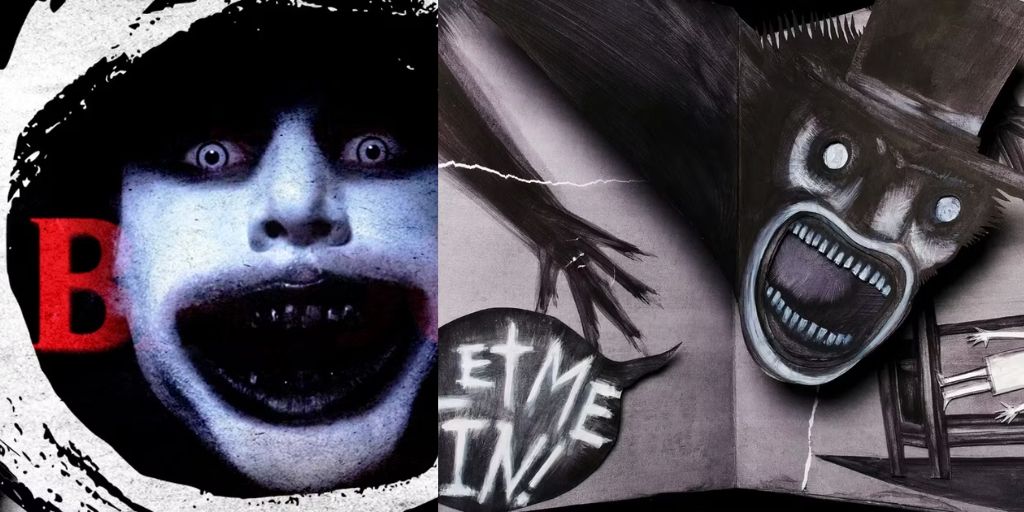
Things only get worse when Sam finds the creepy book Mister Babadook and asks Amelia to read it. The book frightens Sam, leading to sleepless nights for Amelia as she tries to calm him. She tries to get rid of the book, but it keeps coming back. The Babadook, a monster from the book, comes to life and haunts them both.
The book warns, “You can’t get rid of the Babadook.” The monster begins to appear in Sam’s visions and possesses Amelia.
Sam’s behavior gets worse because of his fear of the Babadook. He even pushes his cousin out of a treehouse in anger. Amelia’s condition also worsens. When the Babadook possesses her, she kills their dog, cuts the phone lines, puts broken glass in Sam’s soup, and even tries to kill Sam.
The book predicts she will kill Sam and then take her own life. Near the end of the movie, Sam has to tie his possessed mother to a chair in the basement to save both of their lives. They do not manage to kill the Babadook, as the book warned, “You can’t get rid of the Babadook.”
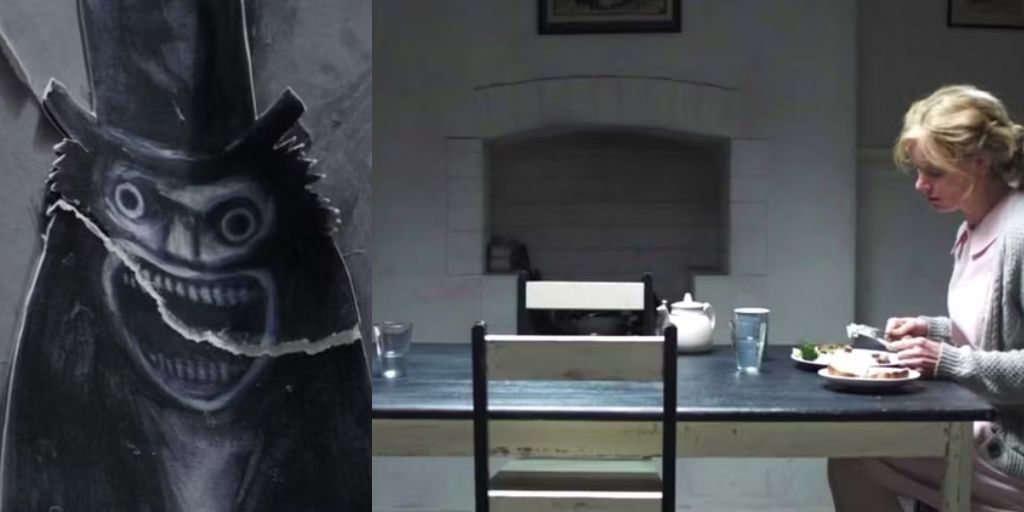
After driving the Babadook out of Amelia, she and Sam trap it in the basement and shut the door. The movie then jumps forward a few months to Sam’s birthday, which is finally celebrated on the actual day. Amelia now calmly goes to the basement to check on the Babadook and feed it.
Still from The Babadook (Credit: Screen Australia)
Although she fears it when it comes to eating, she manages her fear and stays in control. Later, her sister asks her how “it” is today. Amelia says it was quiet today, showing that some days the task of taking care of the Babadook is harder than others, but she now accepts that she must deal with her emotions instead of ignoring them.
Ignoring the Babadook Makes It Stronger
Monsters and ghosts often represent past traumas that the characters try to avoid. The Babadook represents the grief and trauma Amelia and Sam share after losing Oskar. The Babadook wears a suit like the one Oskar used to wear and even looks like him at the end of the movie when it tries to trick Amelia.
The Babadook is finally locked in the basement, the same place where Amelia keeps Oskar’s old clothes and belongings. Amelia does not like Sam playing in the basement because it reminds her of his father.
She wishes they could move on from their grief and pain. Every year, Amelia moves Sam’s birthday celebration to another day, showing she still cannot face the memory of her husband’s death.
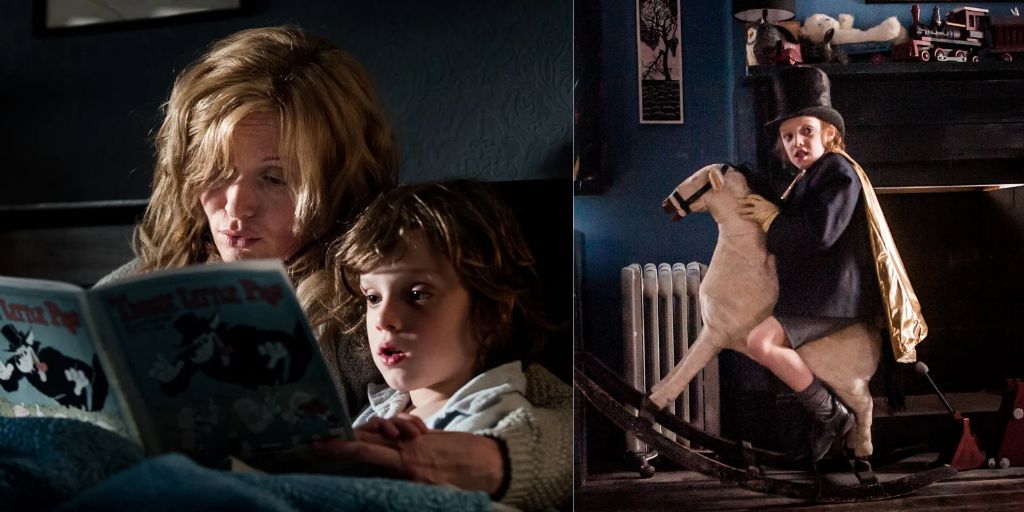
The more Amelia tries to ignore their trauma, the worse things get. Sam keeps telling her that the monster is real and tries to make weapons to protect them. Amelia ignores him or asks him to stop. She tries to throw away the book, but the monster steps out of the pages and into their lives.
When Sam is tormented by the monster, Amelia has the doctor prescribe sleeping pills for him, but this doesn’t solve the problem. The Babadook becomes stronger and more dangerous the longer Amelia denies its existence. The book warns them that if they don’t control the Babadook, they will both die, along with their dog.
The book doesn’t explain how they should deal with the monster; it only repeats that they can’t get rid of it. Amelia and Sam finally realize they cannot kill the monster.
Still from The Babadook (Credit: Screen Australia)
But they learn that when they face it directly, it becomes less dangerous. After Amelia expels it, they trap the Babadook in the basement, showing they have taken control of their trauma and their healing process.
The Ending of The Babadook Shows How to Deal With Emotional Pain
Amelia and Sam must work together to control the Babadook. Some might think it’s the mother’s job to give her child a safe and happy life, but Amelia can’t defeat the Babadook by herself. Sam is part of the family, and they both have to work together to find a healthy way to deal with their shared pain.
The key part of the ending is that the monster stays in the basement, and it must be cared for and fed regularly instead of being ignored. This isn’t a fun task, but it’s much less frightening than facing the Babadook when it had free rein in the house or when it was controlling Amelia or Sam.
Like in real life, they can’t ignore their trauma and hope it goes away. When they try to hide from their painful emotions, the emotions grow bigger, scarier, and harder to control.
Amelia and Sam can only heal by confronting their trauma, though the movie shows that it must happen slowly over time. Healing from deep pain doesn’t happen in one night; it takes a lot of time and emotional work.
The Babadook warns of the danger of pushing painful memories and feelings out of sight. This is where we lose control, and the trauma becomes more powerful.
Is The Babadook Real, or Is It Just in Amelia’s Mind?
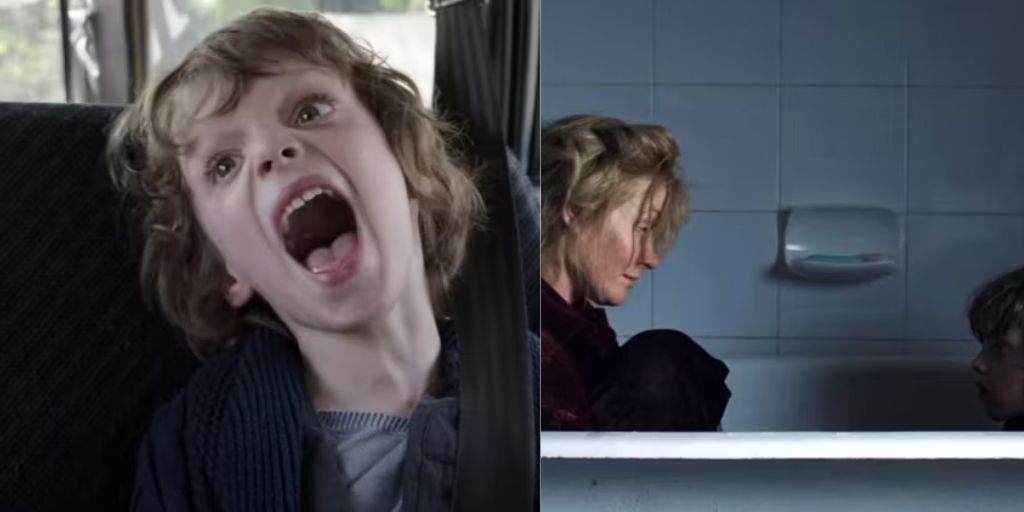
Some people believe the Babadook isn’t real at all. They think it’s a symbol of Amelia’s depression and trauma, and she is the source of the movie’s horrors. There’s some evidence for this idea: Amelia used to write children’s books, which is where the Babadook first appears.
Still from The Babadook (Credit: Screen Australia)
No one besides Amelia and Sam ever sees the Babadook. Some of the supernatural events, like the book returning to their doorstep, could be explained by hallucinations.
But there are problems with this theory. If the Babadook isn’t real, the movie implies Amelia has a mental health issue that she tries to treat on her own.
This could be dangerous in real life, even though the movie shows her defeating it. Also, the Babadook represents a trauma that could affect anyone, not just one person. If the Babadook only exists in Amelia’s mind, it weakens the movie’s message.
Jennifer Kent, the movie’s creator, explained that the movie is about Amelia facing her trauma. If the Babadook isn’t real, then Amelia isn’t truly facing her pain.
The theory that the Babadook is just a figment of Amelia’s imagination misses the point. The Babadook is a symbol of Amelia’s and Sam’s trauma, but it’s also a real force in the movie.
The Babadook Offers Hope for Healing
The ending of The Babadook gives a hopeful message for Sam and Amelia. Sam seems to be getting along better with other kids, and Amelia is reconnecting with her sister and might even have a new romance.
While they haven’t fully moved on from their trauma, since the Babadook is still in the basement, they’ve made a lot of progress. It’s uncertain if the Babadook will ever leave their basement or if they’ll always have to feed it. But it’s likely they’ll never completely get rid of it, as the book says, “You can’t get rid of the Babadook.”
Still from The Babadook (Credit: Screen Australia)
Some traumas never fully disappear. Amelia and Sam will always live with the fact that Oskar is gone. Even if Amelia marries again, it won’t erase what happened.
Over time, though, the Babadook may require less care, and Amelia and Sam might find managing it less frightening. Just like in real life, we may not be able to completely forget our past pain, but we can learn to control it so it doesn’t control us.
Rebel Ridge recently emerged as one of the most popular shows on Netflix, attractive audiences with its thrilling storyline and compelling performances. Directed by Jeremy Saulnier, who is well-known for his previous works like Blue Ruin and Green Room, Rebel Ridge delivers an intense experience.
The story centers on Aaron Pierre, who plays Terry Richmond, a Marine determined to rescue his cousin while exposing a corrupt police force led by Chief Sandy Burne, portrayed by the veteran actor Don Johnson.
This role has proven to be a significant milestone for Pierre, marking his ascent into stardom. However, the journey to this point was filled with unexpected twists that almost derailed the film altogether.
John Boyega’s Departure from the Project
Initially, John Boyega was cast as Terry Richmond, bringing with him considerable fame from his roles in films such as Attack the Block and Star Wars: The Force Awakens. Boyega had become a household name, and many were excited to see what magic could unfold from the collaboration between him and Saulnier.
Their partnership seemed like a match made in Hollywood heaven. However, during filming in June 2021, Boyega made the surprising decision to leave the project under mysterious circumstances. Reports surfaced stating that he disappeared from his hotel without notifying anyone, leaving the production team in a state of confusion.
A statement from Netflix indicated that Boyega departed for “family reasons,” which his agent, Femi Oguns, later confirmed. Nevertheless, sources within the industry suggested that Boyega had issues with various aspects of the production, including dissatisfaction with the script and concerns about his accommodations.
Saulnier’s Search for a New Lead
In the aftermath of Boyega’s departure, Netflix co-CEO Ted Sarandos and head of global films Scott Studer made attempts to persuade him to return to the project. Despite their efforts, Boyega remained resolute in his decision, leading to a temporary halt in production.
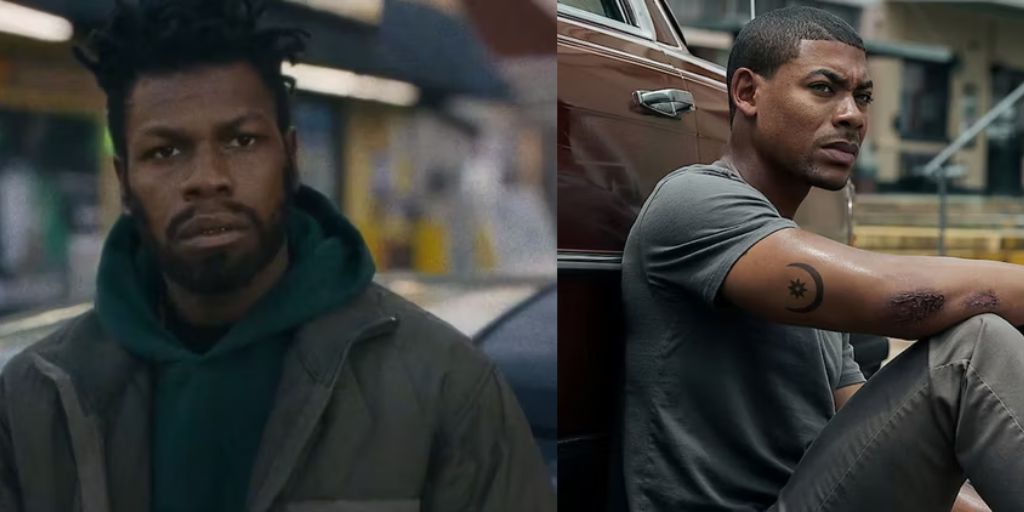
Still from Rebel Ridge (Credit: Netflix)
In an interview with Vulture, Saulnier was asked about Boyega’s exit from the film. Although he refrained from going into specific details, he expressed that the situation felt inevitable.
He stated, “When John left the film, it was inevitable and out of respect for all parties involved; I can’t get into the details of it. But every party would agree, it was the right situation. It had to be that way.”
Realizing he needed to find the right actor to fill the significant role of Terry Richmond, Saulnier dedicated himself to a search for a suitable replacement. After several weeks of showing options, he came across Aaron Pierre during a Zoom call. Saulnier was instantly impressed by Pierre’s audition.
He felt an undeniable connection and stated, “I knew in less than two minutes that this is the guy.” This moment marked the beginning of a fruitful collaboration that would reshape both their careers.
Aaron Pierre’s Breakthrough Role
For both Saulnier and Pierre, this project arrived at a critical point in their respective careers. Saulnier had enjoyed considerable success with his previous films, but his project Hold the Dark, which featured a stellar cast including Alexander Skarsgård and Jeffrey Wright, did not perform as well as he had hoped.
The film received mixed reviews and did not resonate with audiences in the same way that Blue Ruin and Green Room had. Since then, he had not directed a film, leaving him eager for a project that could restore his momentum in the industry.
On the other hand, Aaron Pierre, although he stood tall at 6’3″ and had the presence of a star, had not yet reached that level of fame. His work included several smaller roles, and while he was recognized for his supporting role in M. Night Shyamalan’s Old, he had not yet landed a breakout part that would move him in Hollywood. Rebel Ridge turned out to be just that for him.
The film became a turning point for both men. With its release, Rebel Ridge not only became Saulnier’s most popular work but also established Aaron Pierre as a formidable actor in the industry.
Saulnier praised Pierre’s dedication to his character, saying that the actor’s commitment and passion revitalized him during a time when he felt uncertain about the project’s future. “I believe the fates intervened and Aaron and I were meant to work together,” Saulnier remarked, highlighting the serendipity of their partnership.
John Boyega’s Continued Success
Despite the challenges he faced by leaving Rebel Ridge, John Boyega’s career continued to thrive. Following his exit from the film, he took on the lead role in The Woman King, a critically acclaimed historical drama that showcased his talent and depth as an actor.
This film, which shows themes of strength and resilience among women warriors, further solidified Boyega’s standing in the industry. After that, he starred in They Cloned Tyrone, a film distributed by Netflix that also received praise from critics.

Still from Rebel Ridge (Credit: Netflix)
Interestingly, the fact that Boyega and Netflix collaborated again after his departure from Rebel Ridge shows that their professional relationship has healed.
While it might be intriguing to think about how Boyega would have interpreted Terry Richmond, it is clear that Aaron Pierre was the right choice for the role. In the end, the unexpected turn of events ultimately led to success for all involved—Saulnier, Pierre, and even Boyega.
Cultural Impact and Legacy
Rebel Ridge has not only been a critical success but also a cultural phenomenon. It sparked conversations about the portrayal of law enforcement, family loyalty, and the personal battles that individuals face in trying to do the right thing.
The character of Terry Richmond resonates with many viewers, representing a struggle against systemic corruption and the fight for justice. This relevance to contemporary issues has contributed to the show’s popularity and helped it connect with a broad audience.
Where to Watch
For those interested in experiencing this thrilling narrative, Rebel Ridge is currently available to watch on Netflix in the U.S. Audiences can go into this gripping story that combines action, emotion, and a powerful performance by Aaron Pierre, all under the skilled direction of Jeremy Saulnier.
