While The Beginning After The End has faced vocal criticism in Western fan circles, the anime’s reception in Japan tells a different story. Originally adapted from the beloved manhwa by TurtleMe, TBATE follows King Grey as he reincarnates into a magical world, learning to harness mana and discover a new life centered on family, growth, and power.
Ever since its teaser dropped during IGN Fan Fest, the anime has walked a rocky path. Fans were quick to point out rough animation and sparse combat scenes in the preview clip, setting expectations low. However, the actual release has created a divide—some viewers continue to critique the visuals, while others are drawn in by the narrative’s emotional weight and world-building.
TBATE Climbs Streaming Charts in Japan
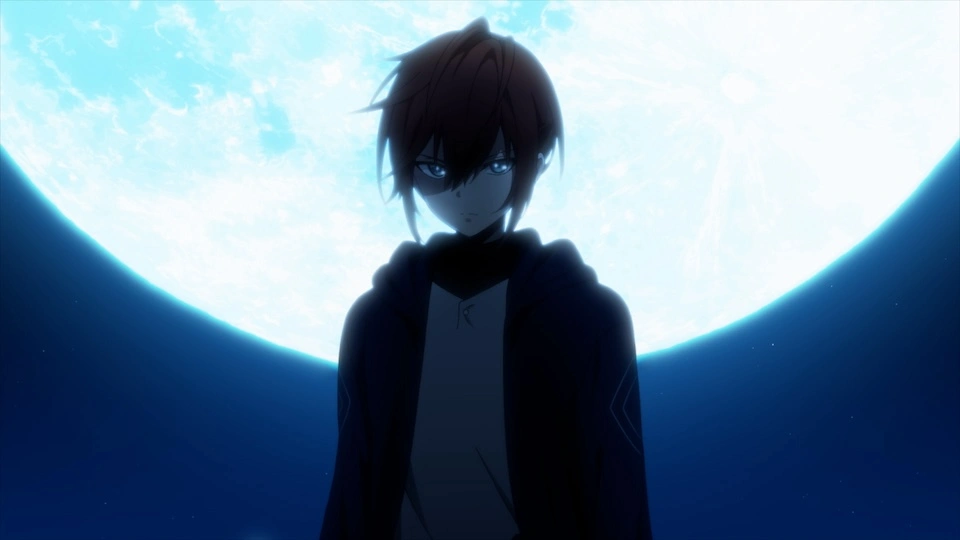
The Beginning After the End
Despite its 5.5/10 rating on IMDb, The Beginning After The End is performing impressively in Japan. According to Netflix Japan, it currently ranks 6th among all TV series and 3rd in anime , just behind One Piece and Fire Force . Over on D-Anime and U-Next Japan, it’s sitting in the #2 spot , narrowly edged out by The Apothecary Diaries . Even on Prime Video Japan, TBATE ranked 9th overall in the April 13–19 window.
This stark contrast in reception highlights Japan’s enduring love for isekai, where a well-paced story often carries more weight than pristine animation. Despite its flaws, TBATE’s characters, magic system, and thematic depth are clearly resonating with Japanese viewers, marking it as more than just a seasonal experiment.
Fan Criticism Remains, But Loyalty Endures
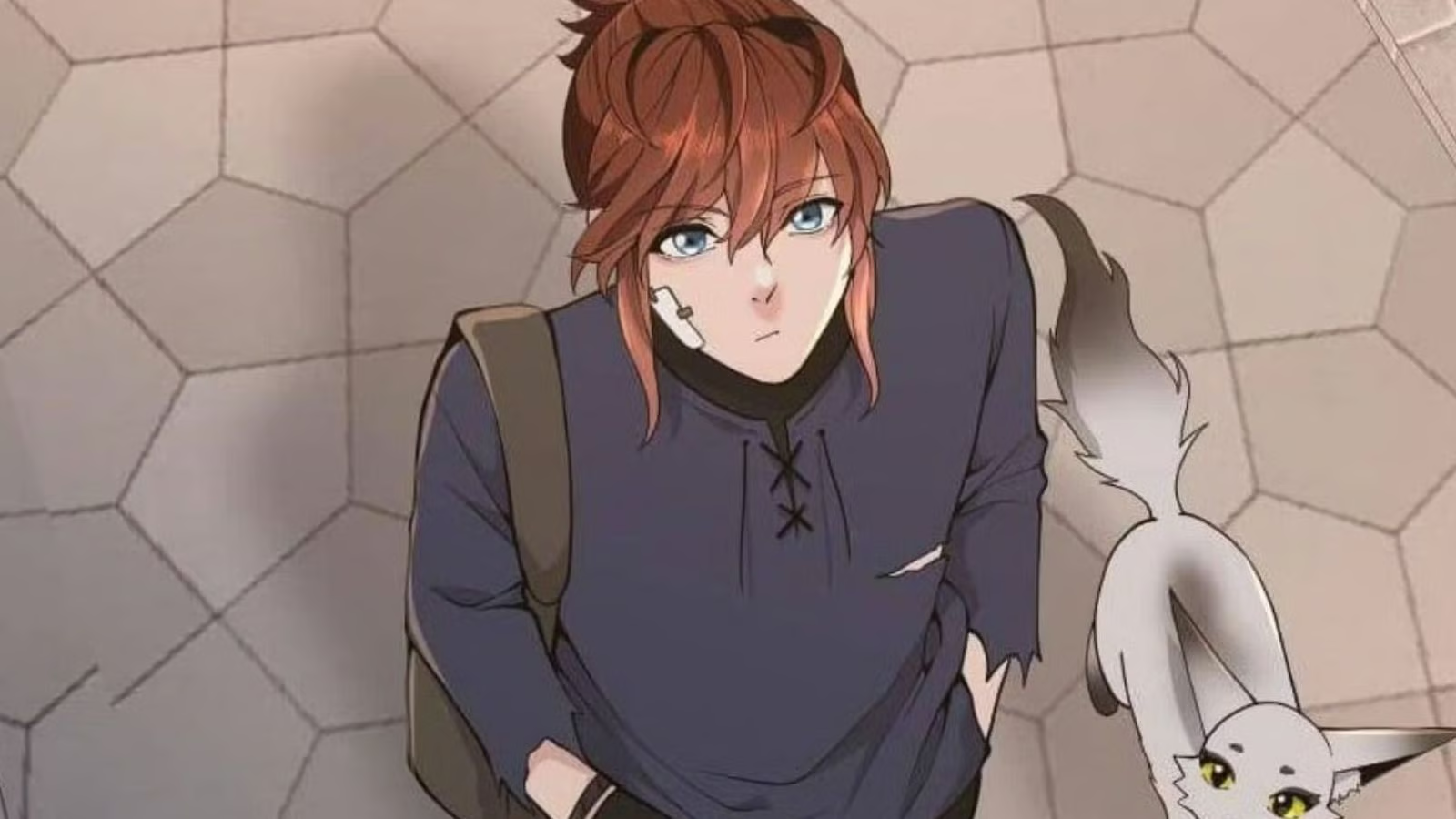
The Beginning After the End
Even with its top-tier rankings abroad, The Beginning After The End hasn’t completely avoided scrutiny. Western fans continue to voice frustration, with some even creating fan-made animations to reimagine key scenes. These efforts underscore both the disappointment in A-Cat Studio’s execution and the deep-rooted love for TurtleMe’s story.
That said, Crunchyroll still lists TBATE with a 4.1/5.0 rating , suggesting that even Western viewers are divided rather than unified in dislike. With shows like Solo Leveling setting a new animation bar this year, TBATE stands as a contrasting example—one where story and lore manage to sustain interest despite technical shortcomings.
As AI art tools continue to evolve, their ability to mimic beloved animation styles has sparked global debates—and Japan is no exception. Studio Ghibli, revered for its hand-crafted storytelling and distinct visuals, has unexpectedly become a focal point in a new legal and ethical debate about AI-generated artwork. In a cabinet session of Japan’s House of Representatives , Representative Masato Imai directly questioned if AI art emulating Ghibli’s style crosses the line into infringement.
During his exchange with Hirohiko Nakahara, Director for Education, Culture, Sports, Science, and Technology, the response was nuanced. While stylistic inspiration is not illegal, if AI-generated art is perceived as being an actual Ghibli product, it could be ruled a violation of copyright. This subtle distinction highlights the complex, case-by-case nature of digital copyright law, especially when it involves machine learning and intellectual property.
Government Interest Signals Growing Concern
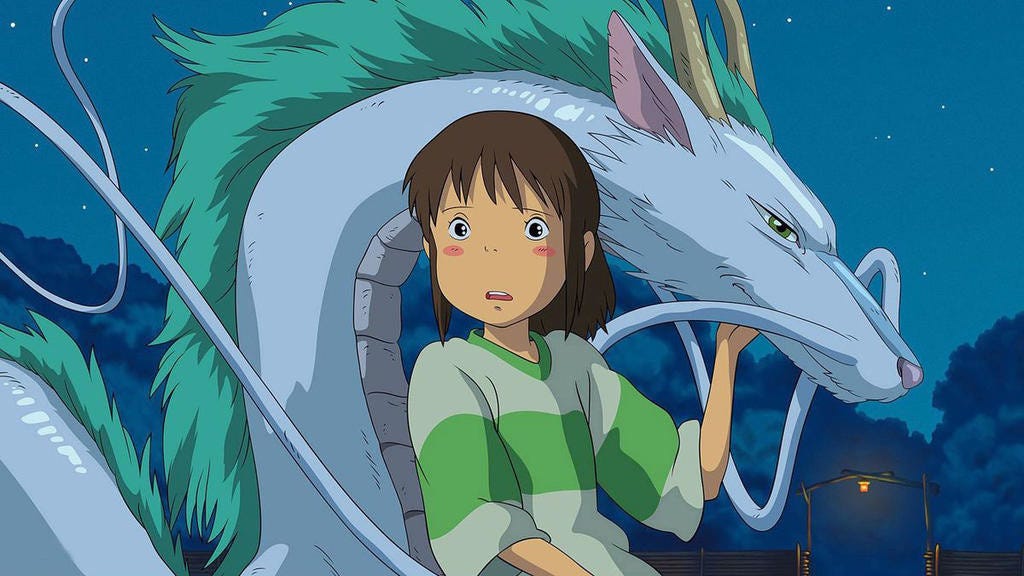
Spirited Away (Credits: Studio Ghibli)
The hearing itself doesn’t introduce legislation, but Imai’s inquiry reflects how seriously lawmakers are starting to take AI’s role in art production. Nakahara noted that it’s ultimately up to the courts to decide on legality, especially when works resemble or depend heavily on existing copyrighted content. His stance suggests that Japan’s current laws may struggle to adapt quickly to AI-generated media trends.
This cautious approach is not surprising. While Japan has been slow to regulate AI specifically, increasing global scrutiny—especially from creators and legal scholars—may push future reforms. For now, though, Nakahara implies that the best chance of legal recourse would come directly from affected studios like Ghibli, not broad national regulation.
Ghibli’s Role May Be Pivotal in Future Action
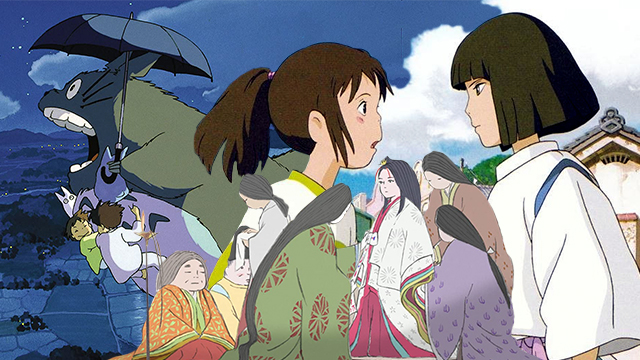
Anime Movies by Studio Ghibli
So far, Studio Ghibli has refrained from formally addressing the rising trend of AI-generated art in their style, aside from debunking a viral fake lawsuit warning. However, legendary director Hayao Miyazaki has long voiced disdain for artificial creativity. In one widely shared NHK documentary clip , Miyazaki even described AI-generated art as “an insult to life itself.”
If Nakahara is correct, the legal pressure may now shift to Studio Ghibli itself. Without a direct challenge or lawsuit from the studio, AI platforms are unlikely to pull back from offering Ghibli-style presets. And if Ghibli does move forward, it could set a precedent that impacts the wider anime and entertainment industries.
