K-pop survival shows have transformed the idol-making process, millions of fans worldwide. Produced by entertainment giants like Mnet, these competition programs pit trainees from various companies against each other, with viewers voting to decide the final debut lineup. While undeniably popular, survival shows face harsh criticism for their questionable practices and ethical concerns.
Survival shows like Mnet’s Produce 101 series have launched successful groups such as I.O.I, Wanna One, and IZ*ONE. Yet, they’ve also been marred by scandals, including the revelation of vote manipulation during multiple seasons. The controversy saw producers sentenced to prison, casting doubt on the integrity of these programs. Despite these setbacks, Mnet has continued producing shows, recently debuting groups like Kep1er and ZEROBASEONE while vowing to prevent future vote tampering.
A Double-Edged Sword for Trainees
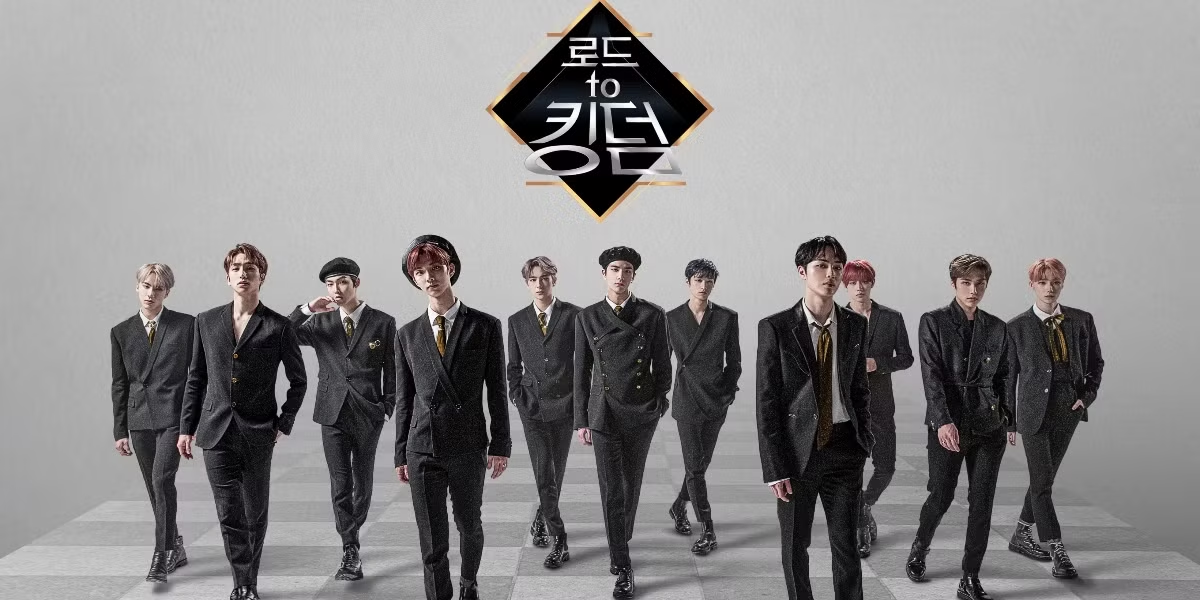
Road To Kingdom
One of the most notorious issues in survival shows is “evil editing.” Producers selectively cut and rearrange footage to create drama, often portraying contestants unfairly. For example, Girls Planet 999 trainee Fu Yaning was manipulated into dissing a fellow contestant, only to be villainized by fans. In addition, unequal screen time heavily skews viewer perception, with foreign trainees often receiving far less exposure than their Korean counterparts, diminishing their chances of debuting.
The disparity between Korean and non-Korean trainees is stark. In Boys Planet, 63.4% of those eliminated in the first round were non-Koreans, with only two making it to the debut lineup of ZEROBASEONE. Zhang Hao, the group’s center, became the first non-Korean winner of a survival show. Such statistics highlight the systemic bias against foreign trainees, limiting their opportunities despite their talents.
Survival shows demand grueling effort from trainees, often pushing them to their limits. Contestants have reported extreme working conditions, such as filming for 40 hours straight without rest. Many participants are minors, raising concerns about adherence to child labor laws. The emotionally taxing environment further exacerbates the challenges, with trainees vying for a slim chance at debuting.
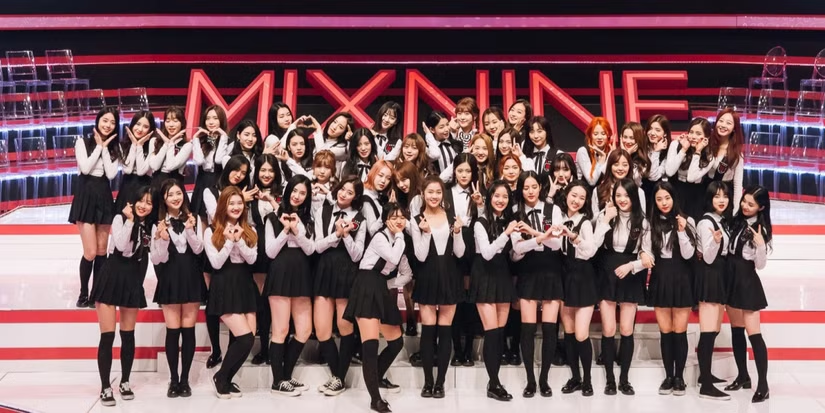
MixNine (2017 – 2018)
Despite their flaws, survival shows thrive because of fan devotion. Viewers are drawn to the trainees’ dreams and feel compelled to support them, even when aware of the exploitation behind the scenes. As long as fans continue to invest emotionally and financially, survival shows will remain a staple of the K-pop industry.
K-Pop idol dating scandals often reveal a glaring hypocrisy within the fandom. Fans idolize their stars as perfect, untouchable figures but harshly criticize them for pursuing personal relationships. This creates a contradictory expectation where idols are celebrated for their humanity yet denied the basic right to date.
Public Relationships: A Career Risk
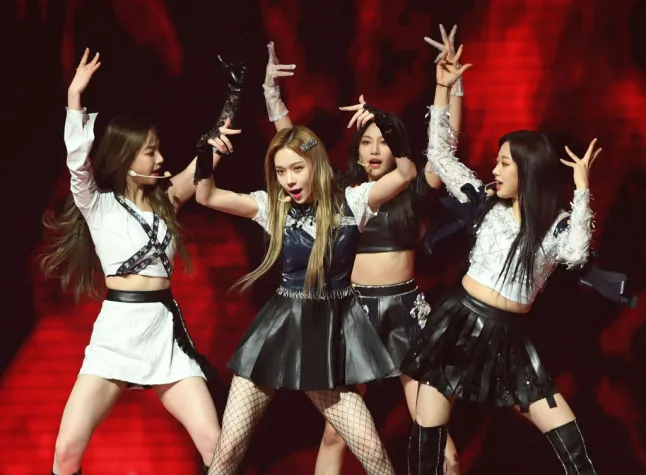
Karina is one of the most popular members of K-pop girl group
When idols like HyunA and Dawn made their relationship public, the backlash was severe. Fans and industry insiders reacted negatively, leading to their departure from their agency. Such incidents highlight the intense disapproval idols face for dating openly, exposing the unrealistic expectations placed on them.
Fans often project a romantic fantasy of being with their favorite idols. When these stars are revealed to be in real-life relationships, it shatters this illusion, sparking outrage and disappointment. This clash between the fantasy and the reality of idols’ lives fuels much of the backlash.
A noticeable double standard exists within the fandom. Female idols often face harsher criticism for dating compared to their male counterparts. This disparity showcases an ingrained gender bias, further complicating the dynamics between idols and their fans.
Dating scandals can significantly harm an idol’s career. From losing endorsement deals to tarnished public images, the repercussions are substantial. The industry’s emphasis on maintaining an unattainable image leaves idols vulnerable to such fallout.
Expecting idols to remain single for the sake of their persona sets an unreasonable and harmful standard. This demand conflicts with fans’ desire for authenticity, creating a paradox that idols must navigate while under constant scrutiny.
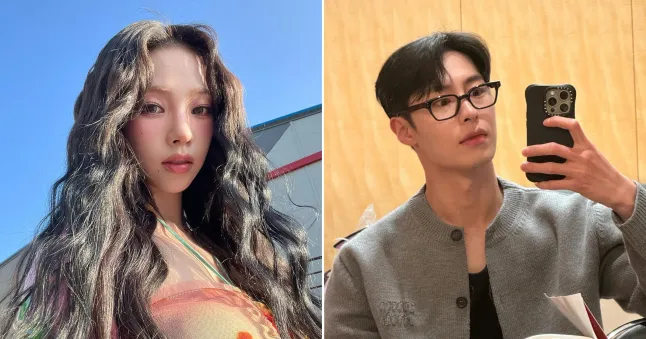
Karina and Lee Jae-wook have both amassed a loyal following
The invasion of idols’ privacy during dating scandals is deeply problematic. Fans’ obsession with their personal lives often crosses boundaries, ignoring idols’ right to live as normal individuals.
At their core, idols are human beings with the same desires and needs as anyone else. Denying them the right to pursue personal relationships dehumanizes them and reflects an unhealthy dynamic within the fandom.
