Romantic dramas used to be a staple in cinemas and video rental stores, especially at local Blockbuster locations. However, in recent years, they have become rare. The film industry prioritizes action-packed blockbusters and franchises based on well-known intellectual properties.
Because of this shift, thoughtful love stories that are filled with emotional depth have often been overlooked in the film domain. However, when romantic dramas are executed well, they can resonate deeply with audiences. These films provide a chance for viewers to reflect on love and vulnerability in their lives and the world around them.
One noteworthy film that fits this description is “Lonely Planet,” directed by Susannah Grant. The movie stars Laura Dern and Liam Hemsworth as two lonely individuals whose acquaintanceship grows into a life-altering love affair.
“Lonely Planet” stands out as a refreshing revival of the romantic drama genre, offering a sharp narrative that shows the complexities of relationships against the enchanting backdrop of Morocco. The film captures the essence of romance in a way that feels both timeless and relatable.
In a way that mirrors this year’s film “The Idea of You,” “Lonely Planet” challenges the typical “age-gap” trend prevalent in many romantic films. Rather than showcasing the usual dynamic of an older man and a younger woman, this film reverses that idea.
For those who might be curious about the age difference, there is a 33-year gap between the ages of Dern and Hemsworth, but this aspect is not the primary focus of the love story. The film neither dwells on moralism nor leans into hand-wringing about their age difference.
Instead, it goes into a more interesting narrative about identity and self-worth, as Dern and Hemsworth’s characters find solace in someone who truly sees and understands them.
The film beautifully combines the isolation of its setting with the grandeur of Morocco’s vibrant locations. “Lonely Planet” is a deeply human and engaging experience, providing a nice surprise from Netflix, especially considering that their previous offerings in this genre were often dull and filled with clichés.
This film shows the transformative power of travel and human connection. Throughout their interactions, Dern and Hemsworth’s characters unknowingly stand on the brink of personal change, entering a relationship that offers fresh perspectives on their own lives.
The story follows Katherine Loewe (Dern), a reclusive novelist who arrives at a prestigious writers’ retreat in Morocco. She hopes to find the quiet she needs to overcome her writer’s block. However, her arrival is marked by a series of unfortunate events, including lost luggage and a sense of disconnection from her surroundings.
As she struggles with these challenges, the stunning kasbah nestled in the mountains of northern Africa promises comfort, even as she meets a variety of other writers. Among them is Owen (Hemsworth), who is the boyfriend of a young author.
Initially, the movie feels like a slow burn, but it serves as a sharp character study. The narrative truly begins when Katherine’s journey toward self-discovery leads her to venture outside the resort with Owen, a thoughtful traveler interested in shopping and sightseeing.
What starts as a simple afternoon of finding soon turns into an intimate day spent together when their car breaks down. This moment feels reminiscent of the classic romantic film “Before Sunrise,” where chance encounters lead to deeper connections.

Still from the movie (Netflix)
As they see the village and meet locals, their time together transforms into a deeper bond. The subdued moments they share not only humble them but also reveal hidden truths about their identities. Their dynamic gradually unfolds as they deal with the unfamiliar terrain and their own emotions.
The breathtaking panoramas of Morocco serve as an active character in the story, contributing significantly to the pair’s relationship. The vibrant market scenes create a lively tableau for their growing connection. Both characters feel a deep loneliness despite the colorful world around them. However, it is in these unknown surroundings that they begin to see each other—and themselves—more clearly.
As in most compelling love stories, not everything is what it seems. The conflicts that arise between Katherine and Owen are addressed with a mature narrative. These conflicts are deeply rooted in the understanding that we must first see ourselves clearly before we can truly connect with others.
One of Grant’s greatest strengths in this film lies in the chemistry between Dern and Hemsworth. Their interesting chemistry enhances the story’s resonance, making their interactions feel authentic and engaging.
At first, it appears that their characters are quite different. However, as their world narrows, an electric spark transforms this quiet film into one filled with emotion. Dern’s portrayal of Katherine, a woman grappling with internal conflict, is masterful in its restraint and depth.
Her performance showcases her as one of our generation’s greatest talents, capable of conveying her character’s emotional arc with subtle gestures and expressions. Hemsworth starts as an outsider in his girlfriend’s literary circle, often feeling dismissed and unseen. Yet, as the story unfolds, we understand how Owen’s connection with Katherine becomes a pivotal turning point for both characters.
He is not merely a plot device; he has his own depth. While he is treated like “arm candy” by his partner and her new writer friends, his character displays an engrossing stoicism that adds weight to “Lonely Planet.” The chemistry he shares with Dern is not based solely on physical attraction; it is more about mutual recognition and understanding.
The natural and effortless nature of their interactions makes their on-screen dynamic irresistibly engaging. Whether they are having a conversation in the spectacular Moroccan market or spending time in a spirited, remote village after their car breaks down, the quiet, tender moments between them are filled with an unspoken understanding that ultimately pays off in the narrative.
The nuanced performances from Dern and Hemsworth truly highlight the unique circumstances in which their characters find themselves, making their relationship not just believable but also deeply affecting.
Owen’s quiet vulnerability and Katherine’s tough exterior soften in each other’s presence, creating a layered connection. Their bond is built on small yet significant moments, and it is through the actors’ spirited chemistry that the film finds its emotional core.
Much of “Lonely Planet” is grounded in the raw complexity of many real-life relationships. The film’s distinct voice ensures it stands out among streaming’s recent romance offerings. While it may not break new ground, it deserves admiration for its focus on subtleties and the depth of human connection rather than the typical grand gestures or dramatic twists often found in other films.
“Lonely Planet” thrives in its quiet moments where the characters’ internal journeys take center stage. Should there have been a stronger, more compelling buildup to their first kiss? Certainly, that could have enhanced the film’s emotional impact.
However, many romantic films build their narratives around heightened passion. This film takes a more muted approach, offering a mature love story that emerges from a profound, mutual understanding of each character’s struggles, insecurities, and desires.
This distinctive feature of the film, combined with its focus on personal growth through travel, allows it to transcend traditional romantic narratives. Katherine arrives in Morocco at a pivotal point in her life. While she has spent years crafting the narratives of others, she has been hiding from her own harsh realities and emotional truths.
By gaining a deeper sense of awareness and placing this complex character in a new world, Grant’s writing excels in balancing moments of profound introspection with external interactions that challenge Katherine and Owen.

Still from the movie (Netflix)
As the retreat unfolds for both characters, the isolating terrain of Morocco becomes a silent catalyst. It allows them to lose themselves in the environment while discovering a deeper understanding of who they are and what they truly desire.
Katherine and Owen’s journey of self-discovery makes “Lonely Planet” uniquely introspective and different from traditional romantic dramas. The film focuses more on finding oneself than on merely finding love. It serves as a thoughtful meditation on how identity and love are intertwined. The most unlikely connections with others can often reflect the best parts of ourselves that we have been avoiding.
“Lonely Planet” stands as a powerful reminder of the emotional potential of love stories. It showcases the importance of relationships, self-discovery, and the transformative nature of travel. The film invites audiences to reflect on their own lives while experiencing the beauty of human connection.
By concentrating on the internal journeys of its characters, “Lonely Planet” proves that love stories can still resonate in meaningful ways. The film reminds viewers that romance is not only defined by grand gestures but can also be found in the quiet, intimate moments shared between two people.
In a time when romantic dramas are becoming less common, “Lonely Planet” shines as a beacon of hope. It offers a heartfelt and relatable story that encourages audiences to reflect on their own experiences with love and identity.
Through its journey of the human experience, “Lonely Planet” invites viewers to remember that love is not just a destination but a journey filled with growth, understanding, and connection.
As the story unfolds, audiences are left with a sense of hope and inspiration, encouraging them to embrace their own journeys of self-finding and connection. “Lonely Planet” ultimately proves that love can be a transformative force that leads us to a deeper understanding of ourselves and the world around us.
In the increasingly crowded field of streaming content, “Lonely Planet” stands out as a refreshing take on romance. It not only captures the essence of love but also highlights the significance of self-discovery and human connection. The film serves as a cinematic experience that reminds us of the beauty of life and the transformative power of love.
With its rich storytelling, emotional depth, and stunning visuals, “Lonely Planet” invites viewers to reflect on their own experiences with love and connection. It is a film that encourages us to find our own identities while embracing the relationships that shape us.
As Katherine and Owen travel their journey together, they discover the beauty of vulnerability and the strength that comes from being seen and understood by another person. This poignant story of love and identity makes “Lonely Planet” a standout film in the romantic drama genre.
The story culminates in a profound realization for both characters. As Katherine confronts her insecurities and Owen reveals his vulnerabilities, they realize that true love often requires us to be brave enough to share our authentic selves. Their journey is not merely about romantic love; it is also about the power of self-acceptance.
In the end, “Lonely Planet” offers a nuanced portrayal of love that celebrates the complexities of human relationships. It highlights the importance of emotional honesty and connection. The film resonates with audiences because it reflects the struggles many people face in their own lives.
By weaving together themes of love, identity, and self-discovery, “Lonely Planet” presents a story that is not only enjoyable but also deeply meaningful. It is a reminder that our relationships with others often mirror our relationship with ourselves.

Still from the movie (Netflix)
In this way, “Lonely Planet” enhances the romantic drama genre, making it relevant for contemporary audiences. The film’s coverage of self-discovery and the transformative nature of love showcases the ability of cinema to capture the intricacies of the human experience.
With its stunning visuals, emotionally charged performances, and thoughtful writing, “Lonely Planet” resonates as a powerful testament to the enduring nature of love. It serves as a reminder that our most profound connections often arise in the most unexpected places.
Through its theme of vulnerability and acceptance, “Lonely Planet” invites audiences to reflect on their own experiences with love and identity. It encourages us to embrace our true selves and the transformative power of human connection.
As Katherine and Owen go on their journey together, they discover that love is not just a feeling but a journey of self-finding. “Lonely Planet” ultimately stands as a celebration of love in all its forms—a reminder that, regardless of our circumstances, we can always find beauty and connection in our lives.
By focusing on the internal struggles and triumphs of its characters, “Lonely Planet” delivers a heartfelt narrative that resonates with viewers. The film proves that, even in a world filled with distractions, the most meaningful connections can still be found through love, empathy, and understanding.
As audiences leave the theater, they are left with a sense of hope and inspiration, encouraged to seek their own paths of self-discovery and connection. “Lonely Planet” serves as a touching reminder that, ultimately, love is about embracing the journey, not just the destination.
Lonely Planet successfully revives the romantic drama genre by emphasizing emotional depth, authenticity, and the beauty of human connection. With its stunning cinematography, strong performances, and thoughtful writing, the film invites audiences to reflect on their own lives and the transformative power of love. It stands as a testament to the enduring nature of romance and the importance of self-discovery in our pursuit of meaningful relationships.
As Katherine and Owen’s journey unfolds, viewers are reminded that love can often lead us to unexpected places, ultimately shaping who we are and who we aspire to be. “Lonely Planet” is more than just a love story; it is a tale of the human experience, offering hope, insight, and inspiration for all who seek connection in a world that can often feel isolating.
Lonely Planet revitalizes the romantic drama genre by weaving a compelling narrative that show the intricate relationship between love and self-discovery. The film highlights the transformative power of human connection against the stunning backdrop of Morocco, allowing viewers to immerse themselves in the journey of Katherine and Owen.
Their relationship serves as a poignant reminder that love is often found in the most unexpected places and can lead to profound personal growth.
Laura Dern and Liam Hemsworth deliver interesting performances that bring emotional depth to their characters, making their struggles and triumphs resonate with audiences. The film expertly balances moments of introspection with external interactions, illustrating how relationships can serve as mirrors, reflecting our true selves.
This nuanced portrayal of romance emphasizes the importance of vulnerability and emotional honesty, reminding us that our connections with others can significantly shape our identities.
Lonely Planet stands out not only for its engaging storyline but also for its coverage of themes that are increasingly relevant in today’s society. As people deal with the complexities of modern relationships, the film encourages viewers to embrace their authentic selves and the transformative nature of love.
Through Katherine and Owen’s journey, the film illustrates that true connection arises from understanding and acceptance, urging audiences to reflect on their own experiences with love and identity. Lonely Planet is a heartfelt human experience, celebrating the beauty of vulnerability and the power of relationships.
It invites viewers to consider the profound impact of love on their lives and to appreciate the journey of self-discovery that accompanies it. This film serves as a reminder that even in the midst of isolation, meaningful connections can inspire growth and illuminate our paths.
The Chronicles of Narnia is a cherished fantasy adventure series that has captured the hearts of readers for generations. C.S. Lewis created a magical world filled with talking animals, mythical creatures, and epic battles between good and evil.
Because of its popularity, it was only a matter of time before Hollywood took notice and decided to adapt these beloved stories into films.
Given the success of other fantasy franchises, such as Harry Potter and The Lord of the Rings, it seemed natural to believe that The Chronicles of Narnia could also find great success on the big screen.
Many younger viewers could have had the chance to grow up alongside the characters, experiencing their journeys and adventures over time.
However, the film adaptations of The Chronicles of Narnia did not achieve the same level of mainstream popularity as their competitors. This lack of widespread appeal meant that the franchise ended prematurely without a proper end.
For fans of the books and the initial films, it can be difficult to look back and invest in these adaptations. They often feel disconnected from the rich narratives that Lewis originally crafted. Despite these challenges, each of the three main films holds endearing qualities that make them worthy of rewatching and appreciating.
The Pevensie Siblings: Heroes for a New Generation
The Chronicles of Narnia films succeed best when they focus on their young cast. The Pevensie siblings—Peter, Susan, Edmund, and Lucy—are relatable heroes who resonate with audiences, especially younger viewers. These characters face real challenges, such as fear, betrayal, and the struggle for courage.
Peter, the eldest, embodies leadership and bravery. He often takes charge in dangerous situations, trying to protect his siblings while showing the complexities of Narnia. Susan, the second sibling, represents wisdom and caution. She often tries to maintain order and keep her brothers and sister safe.
Edmund, who starts as a selfish character, undergoes significant growth throughout the series. His journey from betrayal to redemption is powerful and relatable.
Lucy, the youngest, is full of wonder and imagination, often serving as the heart of the group. Her belief in Narnia and its magic is infectious and encourages her siblings to embrace the adventure.
The films shows the bonds between these siblings, emphasizing the importance of family and friendship. Many audiences can relate to the dynamics present in the Pevensie family, making their experiences in Narnia feel genuine and impactful. This relatability is a crucial factor in the films’ ability to connect with viewers.
Visual Splendor and Action-Packed Adventures
The Chronicles of Narnia films are visually stunning, bringing the rich views and magical creatures of Lewis’s world to life. From the snowy forests of The Lion, the Witch and the Wardrobe to the lush, vibrant islands in The Voyage of the Dawn Treader, the cinematography captures the imagination and wonder of Narnia.
The special effects, particularly the creation of characters like Aslan, showcase the advancements in technology that allow for immersive storytelling.
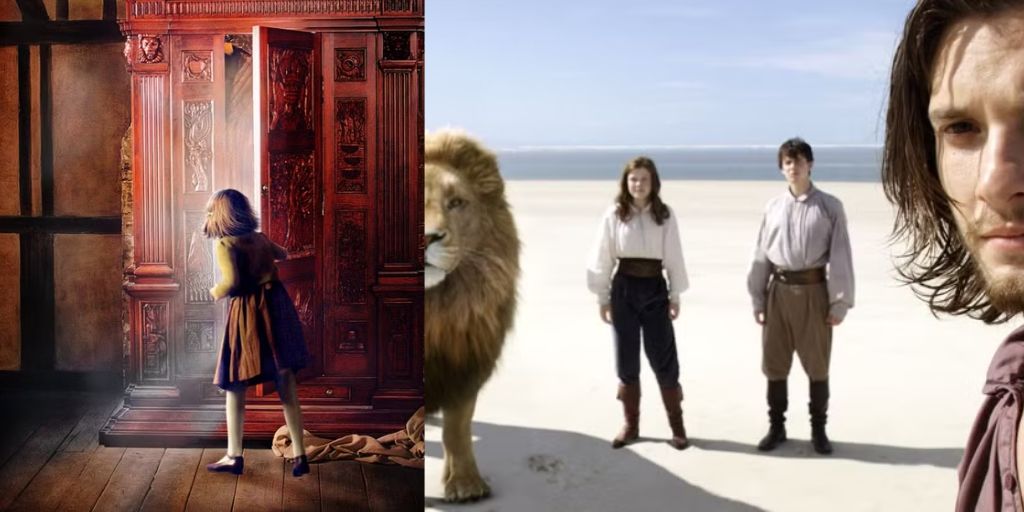
Still from The Chronicles of Narnia (Credit: Disney+)
In terms of action, each film presents exciting sequences that engage viewers. The battles, in particular, are thrilling, showcasing the conflict between good and evil. In Prince Caspian, for instance, the fight scenes are intense and dramatic, emphasizing the stakes involved in the characters’ struggle to reclaim Narnia from tyranny.
The Challenges of Adaptation
Despite their charm and appeal, the Narnia films faced significant challenges in their adaptations. One major issue was the varying tones and styles between the movies. Each film was directed by different filmmakers, resulting in inconsistent storytelling and visual styles.
For example, The Lion, the Witch and the Wardrobe, directed by Andrew Adamson, has a playful and adventurous tone. It successfully captures the innocence of the original story and introduces audiences to the wonders of Narnia. However, Prince Caspian, also directed by Adamson, takes a darker and more mature approach.
This shift in tone may confuse viewers, especially younger ones who were enchanted by the first film’s whimsy.
Another challenge was the films’ faithfulness to the source material. While adaptations often take creative liberties, the Narnia films occasionally stray too far from the heart of Lewis’s stories. This inconsistency can frustrate fans of the books who expect a more faithful portrayal of the characters and events.
3. ‘The Chronicles of Narnia: The Lion, the Witch and the Wardrobe’ (2005) The Beginning of a Magical Journey
The first film, The Chronicles of Narnia: The Lion, the Witch and the Wardrobe, was released in 2005 and is often regarded as the strongest of the trilogy. Directed by Andrew Adamson, it successfully introduces audiences to the enchanting world of Narnia while staying true to the essence of Lewis’s story.
The film opens with a backdrop of World War II, setting the stage for the Pevensie siblings’ journey to Narnia as they escape the dangers of the war.
Upon entering Narnia, the children encounter a wintery view ruled by the White Witch (Tilda Swinton), who has cast a spell to keep the land in eternal winter.
The introduction of key characters, such as Mr. Tumnus (James McAvoy) and Aslan (voiced by Liam Neeson), adds depth to the story. The chemistry between the child actors feels authentic, and their performances resonate with the audience.
Themes of Good vs. Evil
One of the film’s central themes is the struggle between good and evil, embodied by Aslan and the White Witch. Aslan represents hope, courage, and sacrifice, while the White Witch symbolizes tyranny and oppression. The film effectively portrays the importance of standing up against evil, a message that resonates with viewers of all ages.
The climax of the film, featuring the epic battle between Aslan’s forces and the White Witch’s army, is visually stunning and emotionally charged. It captures the essence of Lewis’s themes of bravery, redemption, and the power of love. This battle scene, along with the film’s beautiful visuals, won an Academy Award for Best Makeup, highlighting its artistic achievements.
Character Development and Morality
The Lion, the Witch and the Wardrobe is also notable for its character development. Each Pevensie sibling faces personal challenges and learns important lessons. Peter learns the weight of leadership, Susan discovers the strength of compassion, Edmund experiences the consequences of betrayal, and Lucy embodies unwavering faith.
The film subtly weaves moral lessons throughout the narrative without feeling preachy. While there are clear Christian allegories, the story remains accessible to viewers who may not be familiar with Lewis’s theological themes. This balance allows the film to appeal to a wide audience, making it a beloved classic in the fantasy genre.
2. ‘The Chronicles of Narnia: Prince Caspian’ (2008) The Second Chapter of Narnia
The second film, The Chronicles of Narnia: Prince Caspian, was released in 2008 and is darker and more ambitious than its predecessor. Directed by Andrew Adamson, the film shows themes of war, leadership, and the struggle to reclaim a lost kingdom.
Set a year after the events of The Lion, the Witch and the Wardrobe, the Pevensie siblings return to Narnia only to find it under the control of the oppressive Telmarines, led by King Miraz (Sergio Castellitto).
This film portrays Narnia as a land in turmoil, emphasizing the gravity of its situation. The tone shifts from the whimsical adventure of the first film to a more serious scheme of conflict and sacrifice. The introduction of new characters, such as Prince Caspian (Ben Barnes) and the loyal mice Reepicheep (voiced by Eddie Izzard), adds depth to the story.
The Role of War
The central focus of Prince Caspian is the theme of war. The film goes into the complexities of leadership, strategy, and the sacrifices made in the name of freedom. Edmund, Peter, and Caspian often find themselves in disagreement about how to approach the conflict.
This dynamic creates tension and allows for deeper character development as they show their differing views on leadership and responsibility.
While the film features numerous action sequences, some viewers may feel that the pacing is uneven. The political discussions and lengthy dialogue scenes can slow down the momentum, making it challenging to engage with the story fully. However, the climactic battle sequences are thrilling and well-executed, showcasing the stakes of the characters’ fight for Narnia.
Religious Symbolism and Themes
Like its predecessor, Prince Caspian incorporates religious symbolism, particularly in the portrayal of Aslan. His character serves as a Christ-like figure, representing hope and resurrection. However, some audiences may find the religious themes to be overt, which could detract from the full experience.
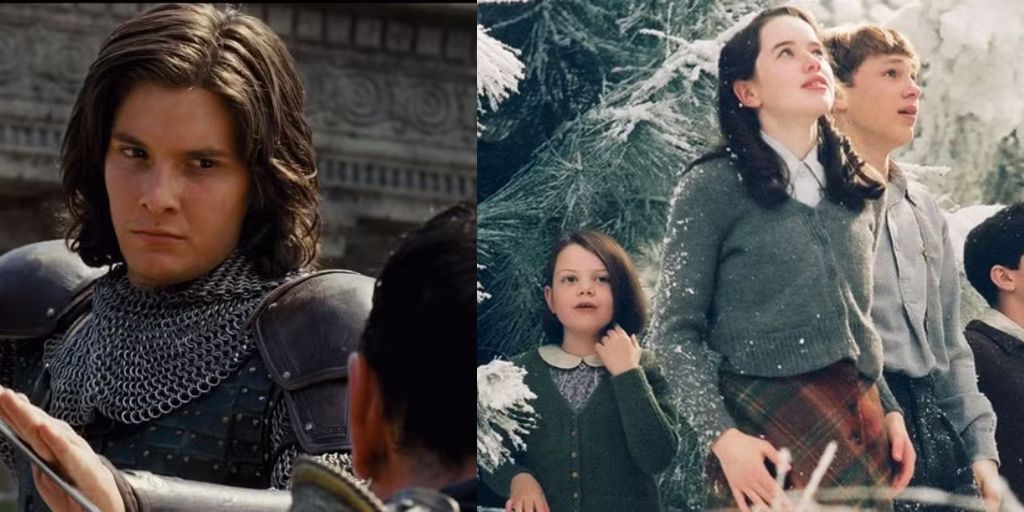
Still from The Chronicles of Narnia (Credit: Disney+)
Despite these challenges, Andrew Adamson’s passion for the material shines through in Prince Caspian. The film faced tough competition at the box office, struggling to stand out against popular films like Iron Man and The Dark Knight. While it may not have achieved the same level of success as the first film, Prince Caspian remains an important part of the Narnia saga.
1. ‘The Chronicles of Narnia: The Voyage of the Dawn Treader’ (2010) The Final Installment
The third film, The Chronicles of Narnia: The Voyage of the Dawn Treader, was released in 2010 and directed by Michael Apted. This film faced significant challenges, including a change in direction and a shift in tone.
As the final installment of the original trilogy, it aimed to capture the spirit of Lewis’s work while introducing new elements to the story.
In The Voyage of the Dawn Treader, the story follows Edmund and Lucy, along with their obnoxious cousin Eustace Scrubb (Will Poulter), as they journey aboard the Dawn Treader with Prince Caspian. Their mission is to find the seven lost lords of Narnia and restore peace to the kingdom.
The Challenges of Direction and Cast Changes
The change in directors impacted the film’s tone and execution. Michael Apted, known for his work in other successful films, stepped in after Andrew Adamson. However, Apted’s approach to the material did not capture the same playful spirit that characterized the earlier films.
The film’s pacing felt uneven, and the narrative struggled to maintain momentum as it tried to incorporate various storylines and themes.
Additionally, the cast changes affected the film’s dynamics. While Keynes and Henley reprised their roles, the absence of Peter and Susan diminished the sense of unity among the Pevensie siblings.
Eustace, while a compelling character in the books, comes off as irritating in the film, which detracts from the full experience. His personality clashes with the established dynamics of the Pevensie siblings, making it harder for audiences to connect with the group.
Themes of Courage and Redemption
Despite its flaws, The Voyage of the Dawn Treader shows themes of courage, redemption, and the importance of friendship. The film’s emphasis on personal growth resonates with audiences. Eustace’s journey from a self-centered boy to a brave companion serves as a reminder that anyone can change for the better.
The film also highlights the importance of faith and perseverance. The characters face numerous challenges, including confronting their fears and insecurities. These moments create opportunities for character development and deeper emotional connections with the audience.
While The Voyage of the Dawn Treader may not have reached the same heights as its predecessors, it still offers valuable lessons about courage, loyalty, and the power of friendship.
The Legacy of The Chronicles of Narnia Films
Although the Narnia films faced challenges in their adaptations, they have left a lasting impact on the fantasy genre. They introduced a new generation to C.S. Lewis’s timeless stories and opened the door for further adaptations in the future.
Fans of the books often hold high expectations for future adaptations, including potential reboots or new interpretations. Greta Gerwig, known for her acclaimed work in recent films, has been linked to a possible Narnia project. Many fans hope that her vision will be more faithful to the source material and capture the magic that Lewis intended.
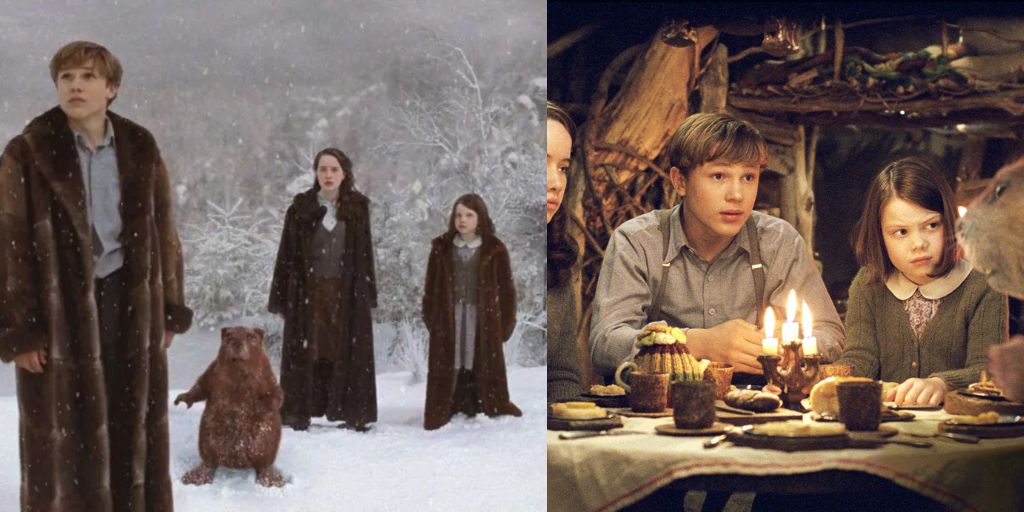
Still from The Chronicles of Narnia (Credit: Disney+)
The Narnia films continue to inspire discussions about storytelling, themes of good versus evil, and the importance of family. The legacy of these adaptations remains strong, reminding viewers of the enduring power of Lewis’s imagination.
The Chronicles of Narnia films have a special place in the hearts of many viewers. They offer a view into a magical world filled with adventure, moral lessons, and unforgettable characters. While the adaptations faced their share of challenges, they succeeded in bringing the essence of C.S. Lewis’s stories to life.
From the enchanting views to the memorable performances of the Pevensie siblings, these films invite audiences to go on their own journeys through Narnia. As fans look to the future, there is hope that new adaptations will continue to show the rich themes and narratives that make The Chronicles of Narnia a beloved classic.
Whether you are revisiting the films or discovering them for the first time, the world of Narnia awaits, filled with wonder, courage, and the promise of adventure.
