The Green Mile Ending Explained
The film’s tragic ending revolves around the fact that John Coffey, despite his supernatural abilities, is wrongfully executed for crimes he did not commit. Coffey’s character, who has a deep, childlike innocence, doesn’t resist the execution. This acceptance of his fate reveals much about the tragedy of his character. Even with his incredible powers and physical size, he does not attempt to escape. Coffey tells Paul that he has seen too much evil in the world and, in a sense, welcomes death as a release from that torment. His willingness to die, despite the injustice, only amplifies the sadness surrounding his fate.
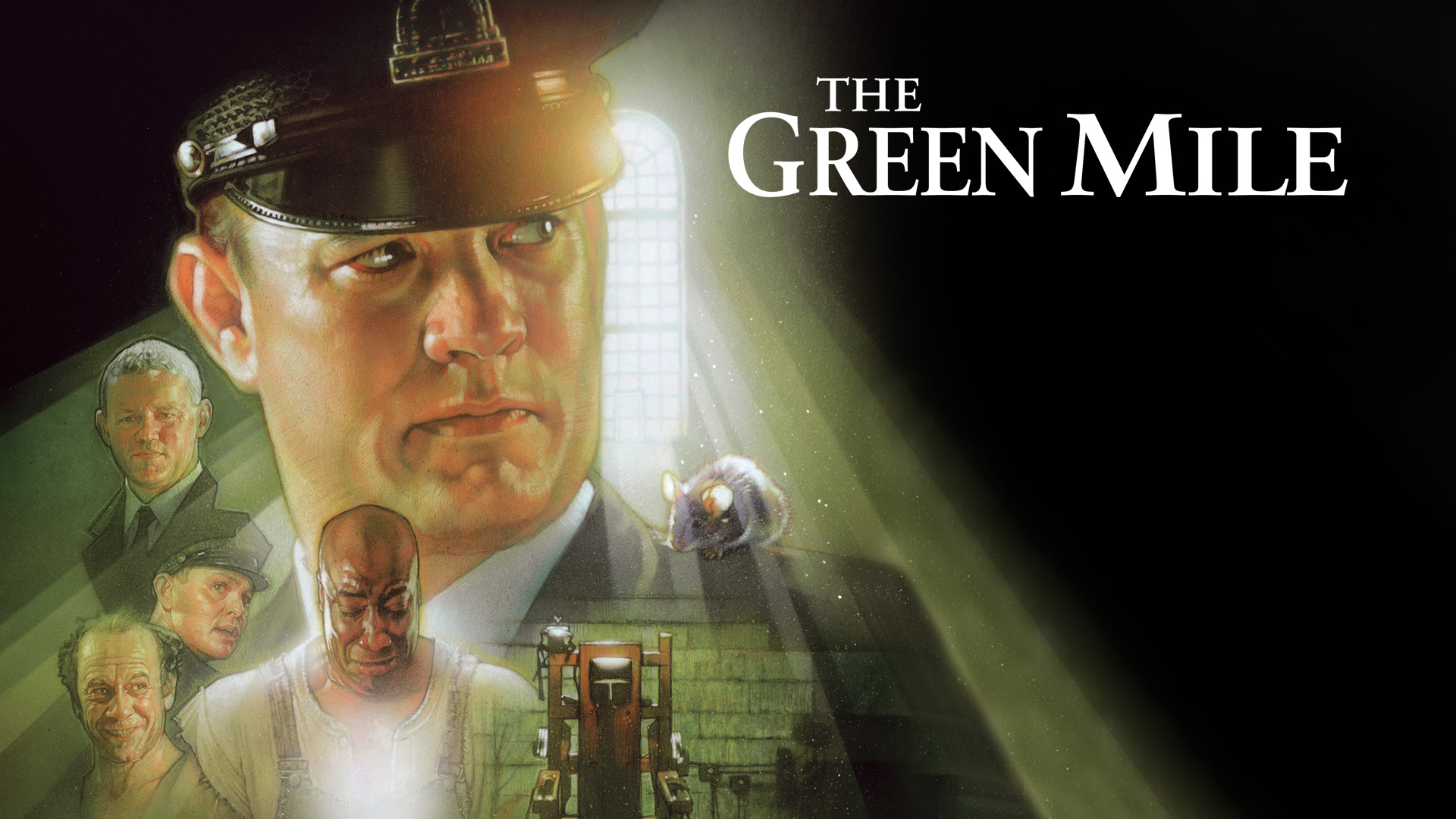
The Green Mile (Image via Getty)
Coffey’s Smile at His Execution In a heart-wrenching scene, Coffey smiles just before his execution. This smile adds a layer of complexity to his character. Although he has expressed his fear of dying, his smile likely serves as a reassurance to Paul, knowing that his gifts will live on through him. Coffey has always sensed that Paul is a kind and good man, and it’s implied that he knows his supernatural abilities, which include healing powers, have been transferred to Paul. The smile may symbolize Coffey’s comfort with the fact that Paul will use those gifts to help others.
In the film’s framing device, Paul Edgecomb is shown to be 108 years old, sparking questions about how he has lived for so long. The nature of Coffey’s healing powers and their impact on aging remains unclear, but based on how Mr. Jingles, the mouse, has aged much slower, it’s suggested that Paul’s life has been extended. It is speculated that Coffey’s powers might have granted him a form of immortality, but Paul views this long life as a form of punishment. The tragic nature of his longevity is highlighted by his outliving everyone he has loved, yet the mystery of how long he will live remains unresolved.
Comparison of the Book and the Movie’s Ending While the movie’s ending is emotional and tragic, Stephen King’s original novel is even darker. In the book, Mr. Jingles dies shortly before Elaine, offering a more direct indication of Paul’s eventual fate. Additionally, the film’s framing scenes, where Paul is not writing his memoirs but watching the movie Top Hat , differ from the book’s narrative style. These changes affect the interpretation of Paul’s fate, making the book’s ending even sadder and leaving a more definite understanding of his eventual demise.
Karma is an underlying theme throughout The Green Mile , with John Coffey serving as an example of the concept. Throughout the film, Coffey helps the good-hearted characters and ensures that those who have wronged others face their appropriate fate. However, Coffey’s fate stands in stark contrast to this karmic cycle. Despite his goodness and innocence, Coffey is punished for a crime he did not commit, which highlights the film’s exploration of the unfairness that sometimes prevails in life.
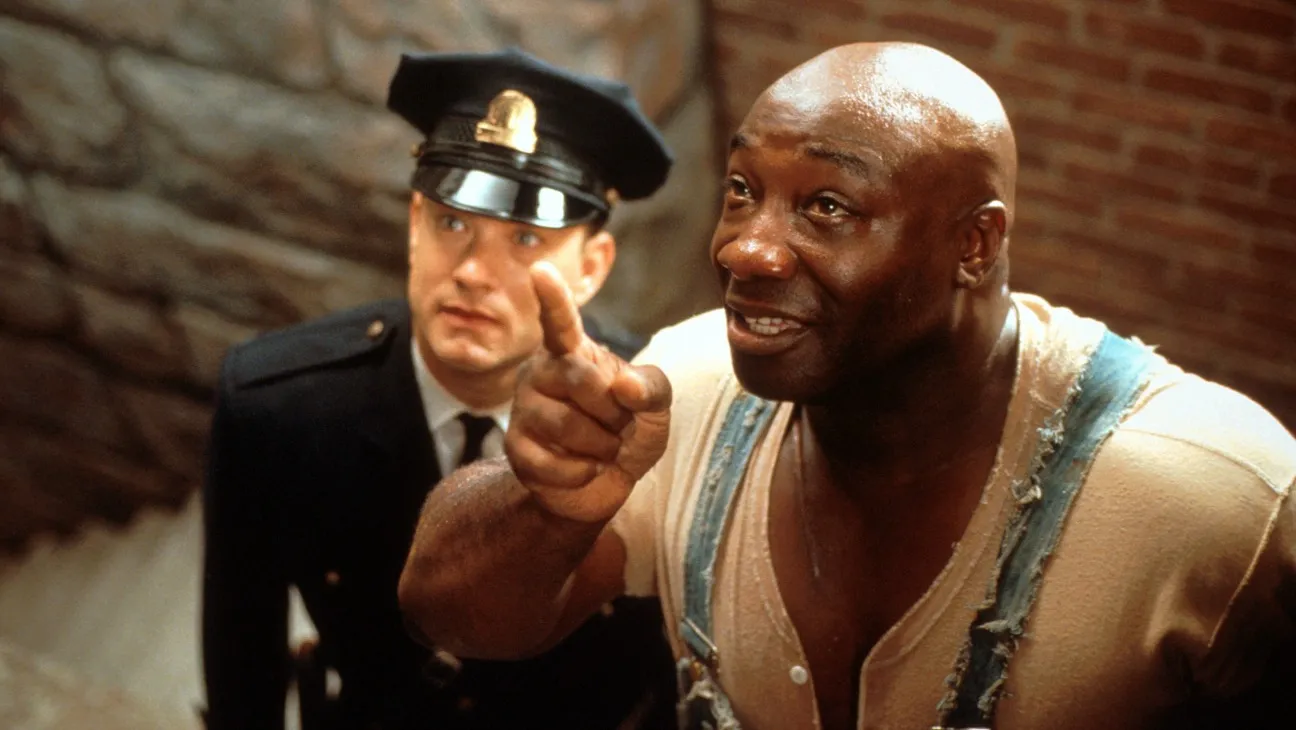
Paul Edgecomb and Coffey (Image via Getty)
The Messianic Themes of Coffey’s Character In many ways, John Coffey fits within the traditional narrative of a messiah figure. His supernatural powers, coupled with his innocence and eventual sacrifice, parallel many religious motifs. Coffey’s initials, J.C., further emphasize this messianic comparison. His acceptance of death, despite its unfairness, underscores his desire to escape a world filled with pain and evil. This biblical symbolism adds depth to the film, offering both a reflection on human kindness and the struggles against prejudice. The film’s fantastical elements, such as Coffey’s ability to heal and even resurrect, enhance the sense that Coffey is a larger-than-life figure.
The Director’s Insight into the Ending Frank Darabont, the director of The Green Mile , explains that the ending is intentionally bittersweet and not rooted in the traditional sense of hope. Darabont notes that Paul’s fate mirrors Coffey’s in some ways: both are good men who face unfair consequences. While Darabont admits he doesn’t fully understand the meaning behind Coffey’s ultimate fate, he acknowledges that the unresolved nature of the story contributes to its power. Darabont emphasizes that the mystery behind The Green Mile is part of what makes the story so compelling.
David Morse, who portrays the prison guard Brutus ‘Brutal’ Howell, reflects on the enduring relevance of The Green Mile , particularly about modern issues like racial injustice and the Black Lives Matter movement. The film’s central narrative — the story of an innocent Black man condemned to death for a crime he didn’t commit — resonates strongly with contemporary audiences. Morse acknowledges that while the exact meaning of the film may be difficult to pinpoint, its emotional heart and soul are what make it so impactful. The themes of kindness, suffering, and unfair fate continue to strike a deep chord with viewers.
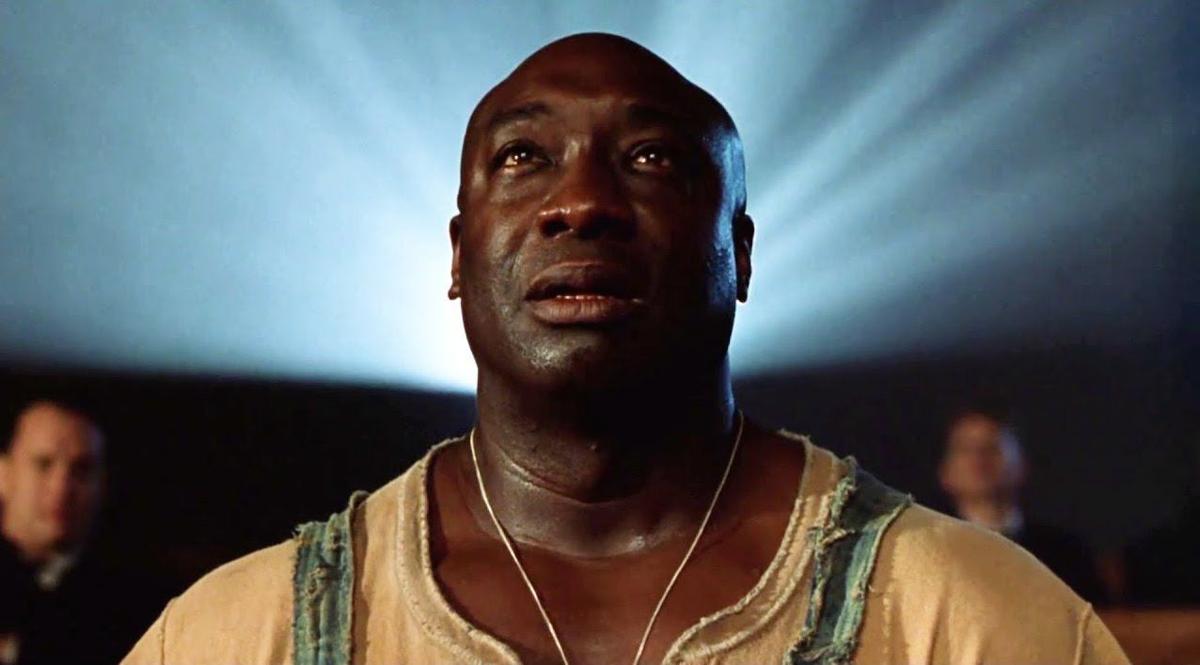
Coffey (Image via Getty)
Audience and Critical Reception The Green Mile received mixed reviews from critics but garnered a largely positive reception from audiences. While the film’s Rotten Tomatoes score is 79%, audience ratings place it much higher at 94%. Many viewers cite the film’s emotional depth and the way it challenges their understanding of justice and kindness. In his review, critic Roger Ebert praised the film’s ability to weave a detailed and compelling narrative. He admired how Darabont directed the story with care, allowing for emotional release while maintaining a solid structure. For many, the ending of The Green Mile is a powerful, unforgettable moment that continues to resonate long after the credits roll.
A Final Reflection on the Ending The emotional and complex ending of The Green Mile is what has allowed the film to remain impactful over the years. The movie balances heartbreak with moments of levity, showcasing disturbing evil and inspiring acts of kindness. While critics and viewers may interpret the meaning in various ways, the film’s emotional core—centered on the unfairness of fate and the suffering of good people—continues to engage audiences long after its release. The film is undeniably one that challenges, moves and leaves a lasting impact on anyone who experiences it.
The twist in The Sixth Sense reveals a groundbreaking truth that changes how we view the entire story. Dr. Malcolm Crowe (Bruce Willis), who has been working with young Cole (Haley Joel Osment) throughout the film, comes to the sensationalist realization that he has been a ghost all along. This revelation transforms their relationship and offers a deeper, more emotional understanding of their shared journey. By the end, both Malcolm and Cole have achieved peace, helping each other confront their struggles and find solace in their connection to the spirit world.
The Sixth Sense Ending Explained
At the start of The Sixth Sense , Malcolm is a psychologist helping Cole, a troubled young boy who claims to see dead people. At the same time, Malcolm is dealing with his own struggles—his guilt over the death of a former patient, Vincent Grey (Donnie Wahlberg), and the unraveling of his marriage to Anna (Olivia Williams). As Malcolm continues to guide Cole, he seeks to repair his personal life and understand the mysteries surrounding Cole’s visions. The two characters seem to be forming a bond, with Malcolm trying to help Cole live a more fulfilled life. However, the deeper twist isn’t revealed until later in the story.
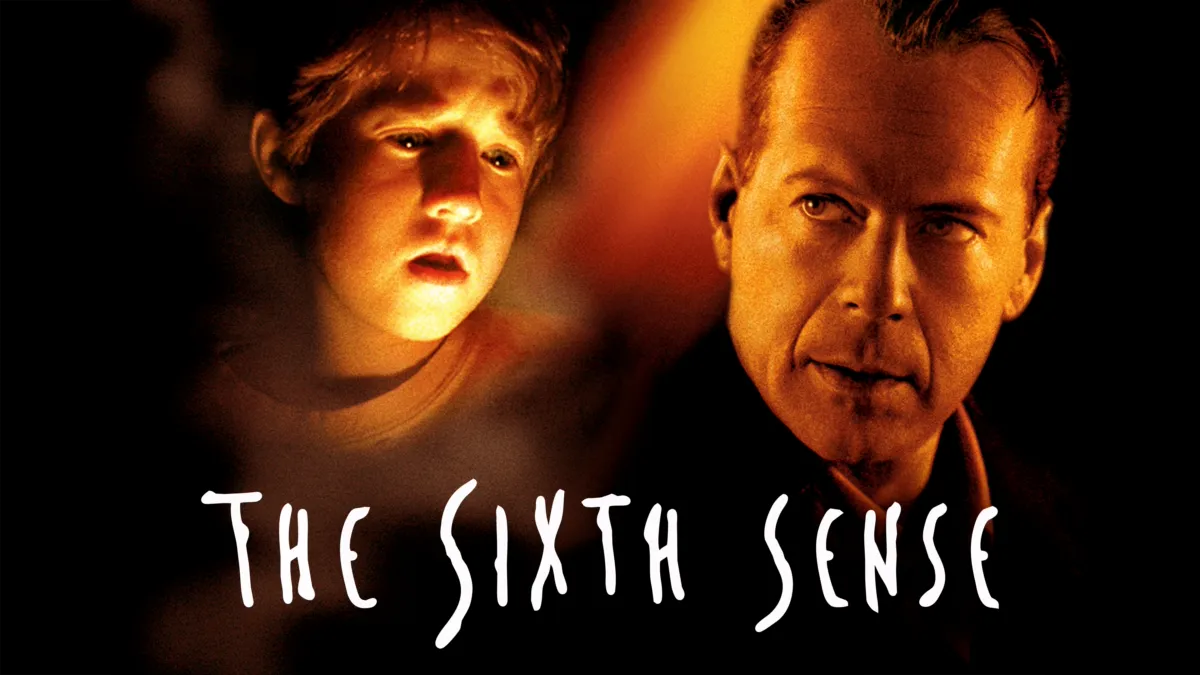
The Sixth Sense (Image via Getty)
The Heartbreaking Twist: Malcolm’s Death
The truth about Malcolm’s death unfolds in a series of powerful moments. In one scene, Malcolm is devastated to notice that his wedding ring has disappeared from his wife’s finger, which suggests the emotional distance between them. The key revelation comes when Malcolm realizes that he was fatally shot by Vincent in the opening scene, and as a result, he’s been dead throughout the entire movie. This realization is heartbreaking for Malcolm, who hasn’t accepted his death and is still trying to reconcile with his past and unfinished business. His journey is both emotional and spiritual as he discovers his true purpose—to help Cole.
The Healing Process for Malcolm and Cole
As the story progresses, Malcolm accepts his fate and moves toward closure. His role as a ghost was never just to watch over Cole, but to guide him through his struggles and help him confront the reality of the spirits he sees. For Cole, this revelation becomes empowering, as he learns to accept his unique ability. The most poignant moment in the film occurs when Cole opens up to his mother, Lynn (Toni Collette), about the ghosts he sees, particularly when he speaks of seeing her own mother. This breakthrough in communication highlights Cole’s growth and marks a significant shift in his emotional state.
The twist also reveals the deep connection between Malcolm and Cole, two lost souls who need each other. Malcolm’s role as a therapist changes once he understands that his patients can see him because they both share a connection to the spirit world. Cole, who initially felt isolated, finds comfort in the fact that someone else—Malcolm—believes him. It becomes clear that their interactions throughout the film have been facilitated by a spiritual bond, with Malcolm being the only person who truly understands Cole’s experiences. This unique relationship highlights the importance of understanding and empathy, making the twist both powerful and emotional.
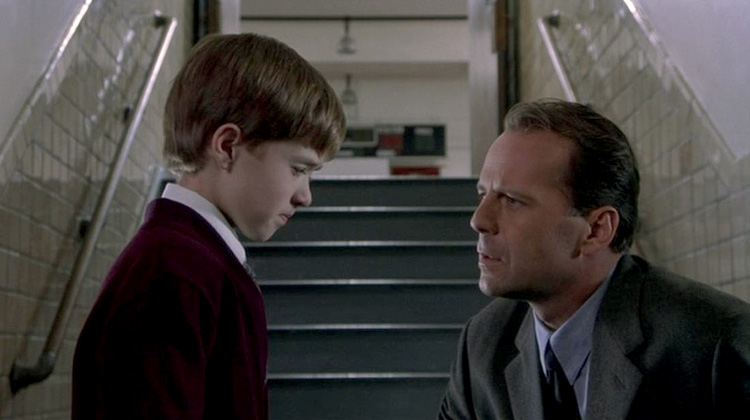
Cole and Malcolm
A New Understanding of Death
The ending of The Sixth Sense is not just about the twist but about the broader themes of death, closure, and the continuation of life beyond the physical realm. Both Malcolm and Cole find peace by the end of the film. Malcolm accepts that his purpose was fulfilled by helping Cole, and Cole is no longer afraid of his ability to see spirits. Instead, he finds comfort in knowing that the spirits, including his own mother’s, are still watching over him. The film invites audiences to reflect on the idea that death is not the end, but a transition that can bring peace and understanding if one is open to it.
The Final Moments and Their Emotional Impact
In his final moments, Malcolm gives Anna the closure she needs, telling her that she was never second to him and that he will always love her. This emotional farewell allows Malcolm to move on to whatever lies beyond, content with the fact that he has helped someone, made a difference, and found closure. For Cole, the closure comes when he confesses to his mother and begins to embrace his ability to see spirits, no longer burdened by fear. These final moments of connection between the characters bring the movie full circle, offering a message of acceptance and peace.
The Ending’s Impact on the Story
The ending of The Sixth Sense is not just a plot twist; it redefines everything that has happened up until that point. As audiences watch the story unfold in retrospect, they begin to notice the subtle clues that Shyamalan has placed throughout the film, indicating Malcolm’s death. In many ways, the twist is more about the character’s emotional growth than about the audience. The twist encourages viewers to revisit the film and appreciate the depth of character development and storytelling. As the story reaches its conclusion, the audience is left with a sense of catharsis, having witnessed the emotional arcs of both Malcolm and Cole.
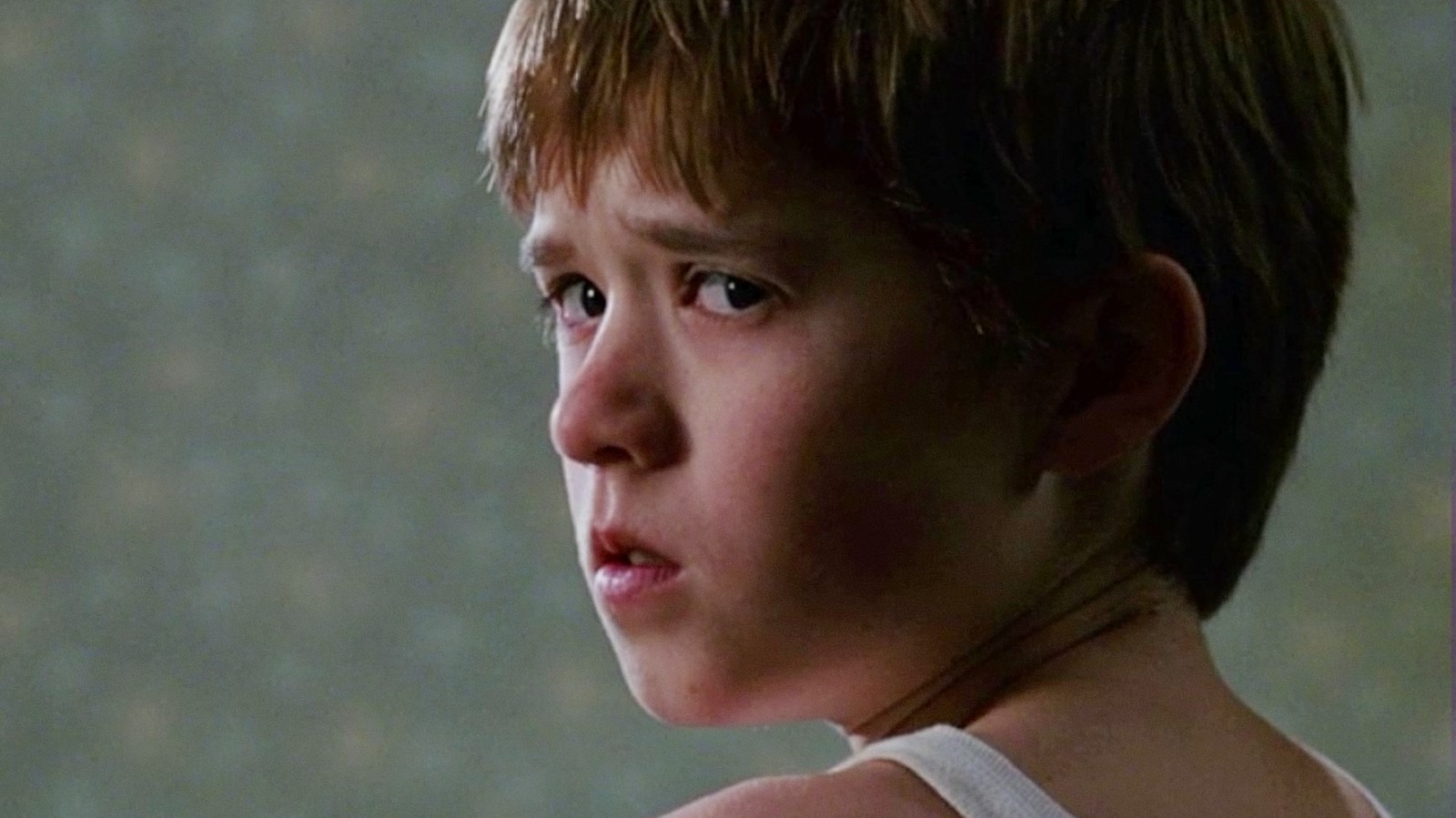
Cole (Image via Getty)
M. Night Shyamalan’s The Sixth Sense became a landmark film in terms of storytelling and cinematic twists. The film’s success helped establish Shyamalan’s career and set the tone for his future works. Known for his trademark twists, Shyamalan’s films often lead the audience through a series of misdirections, only to surprise them with an unexpected revelation. The Sixth Sense remains one of his most celebrated works, and the twist ending is considered one of the most iconic in film history. It’s a testament to Shyamalan’s ability to craft a narrative that not only shocks but also resonates on a deeper emotional level.
A Perfect Example of a Twist Ending
The twist ending of The Sixth Sense is often cited as one of the greatest in movie history. Unlike other films where the twist feels forced or artificial, Shyamalan’s film builds naturally toward its conclusion. The clues are all there, hidden in plain sight, but they don’t become clear until the final moments. This subtlety is part of what makes the twist so effective. By the time the twist is revealed, the audience is already emotionally invested in the characters and their journeys, making the revelation all the more impactful.
