The anime industry, celebrated for its vibrant storytelling, faces serious allegations of harassment. Animators and voice actors have reported various forms of mistreatment, suggesting a troubling undercurrent beneath the art. These claims have prompted discussions about the industry’s work culture and the need for reform.
In a recent survey, nearly two-thirds of animation professionals reported experiencing harassment at work. Alarmingly, over 85% had witnessed colleagues being harassed. These figures surpass national averages, indicating a significant issue within the anime sector. The reluctance to report such incidents, often due to fear of retaliation or uncertainty about reporting channels, exacerbates the problem. CARTOONBREW.COM
High-Profile Cases and Industry Response
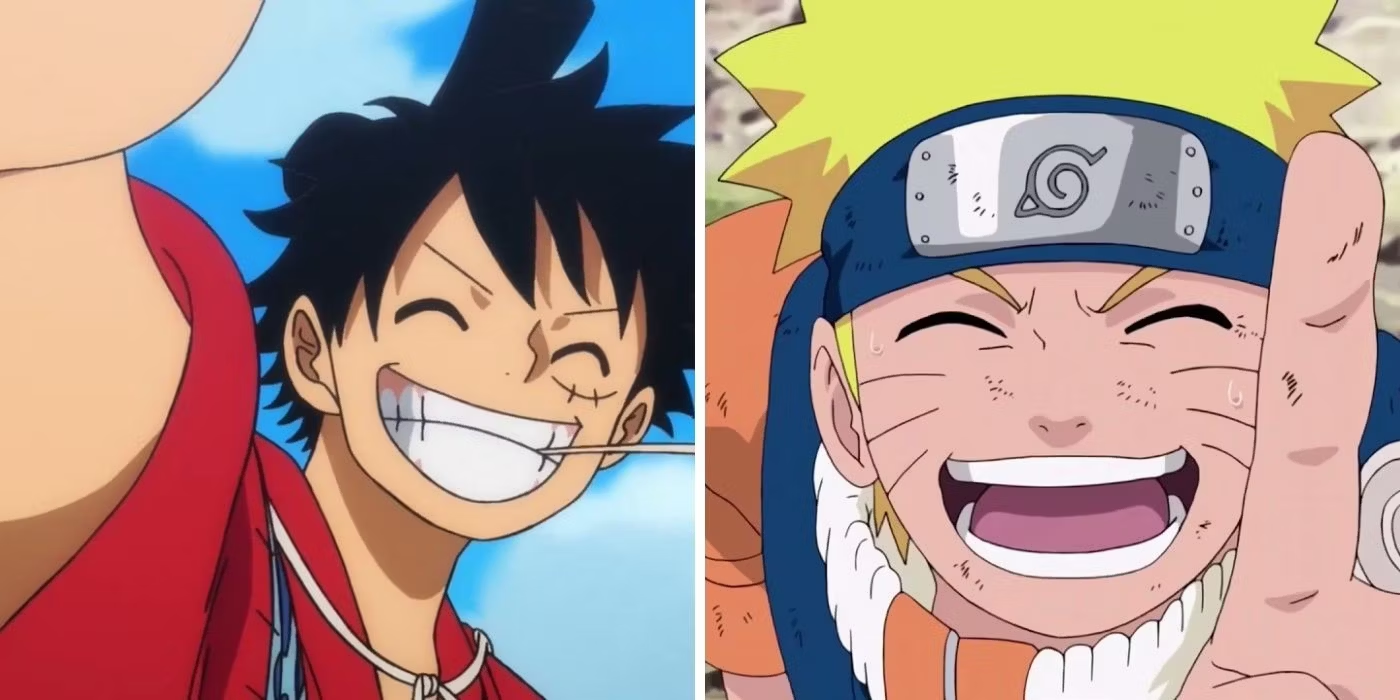
Luffy and Naruto
Prominent figures have been implicated in harassment scandals. Voice actor Vic Mignogna faced multiple accusations of inappropriate behavior, leading to his dismissal from several projects. He denied the allegations but subsequently filed and lost a defamation lawsuit, bringing further attention to misconduct in the industry.
In another instance, director Akitaro Daichi was accused by voice actress Hiroko Konishi of inappropriate propositions. She claimed that refusing these advances led to her being blacklisted in the industry. Such cases underscore the power dynamics that can silence victims and perpetuate abuse.
Institutional Efforts and the Path Forward

Luffy and Naruto
Recognizing the severity of these issues, Japan’s Fair Trade Commission has initiated an investigation into abusive practices within the anime industry. They encourage workers to report financial and rights abuses, aiming to foster a safer and more equitable work environment. This move signifies a critical step toward addressing long-standing problems.
While these efforts are promising, meaningful change requires a collective commitment from all industry stakeholders. Establishing clear reporting mechanisms, enforcing anti-harassment policies, and promoting a culture of respect are essential steps. Only through such comprehensive measures can the anime industry hope to shed its shadows and ensure the well-being of its creators.
In the vibrant world of anime, a shadow looms over the creators. Reports suggest that some studios enforce stringent confidentiality agreements on their staff. These contracts often include severe non-disclosure clauses, preventing employees from discussing internal operations. While intended to protect intellectual property, such measures can suppress legitimate grievances.
A notable instance involves MAPPA, a prominent animation studio. Reports indicate that animators were asked to sign non-disclosure agreements to prevent them from revealing issues related to the production of “Jujutsu Kaisen” Season 2. In response, several animators spoke out about tight schedules, low pay, and a challenging work environment. This situation highlights the tension between maintaining confidentiality and addressing workplace concerns.
The Human Cost of Secrecy

Isekai Anime
The enforcement of these agreements can lead to significant personal and professional consequences for animators. Fear of breaching confidentiality clauses may deter individuals from voicing concerns about unfair treatment or excessive workloads. This culture of silence can perpetuate unfavorable conditions within the industry.
Moreover, the threat of blacklisting looms over those who consider speaking out. The potential for career-long repercussions discourages transparency and hinders efforts to improve the working environment. As a result, animators may find themselves trapped in a cycle of overwork and undercompensation, with little recourse for change.
Balancing Protection and Fairness

Goku, Gojo, and Saitama (Credits: Crunchyroll)
While the protection of proprietary information is crucial in the competitive field of animation, it is equally important to ensure that such measures do not infringe upon workers’ rights. Striking a balance between safeguarding creative assets and fostering an open, fair workplace is essential for the industry’s sustainability.
Addressing these challenges requires a collective effort from studios, industry bodies, and workers. Implementing clear guidelines that protect both the interests of the studios and the well-being of the animators can lead to a more transparent and equitable industry. Encouraging open dialogue about working conditions, without fear of retaliation, is a critical step toward meaningful reform.
While confidentiality agreements serve a purpose in protecting the creative processes of anime studios, it is imperative to ensure they do not become tools of oppression. Fostering an environment where animators can express concerns without fear is essential for the health and growth of the industry.
