The ending of Death Note remains one of the most debated and thought-provoking conclusions in anime history. This psychological thriller follows the story of Light Yagami, a high school genius who stumbles upon the Death Note, a supernatural notebook that allows him to kill anyone by writing their name in it. While Light’s ambition to create a utopia free of crime drives the plot, the series’ conclusion carries a deeper meaning that challenges his ideals and leaves a lasting impression on viewers.
At its core, the ending of Death Note reveals the consequences of unchecked power and hubris. Light starts the story with noble intentions, wanting to rid the world of evil. However, as he continues to use the Death Note, his sense of justice becomes warped. He begins to see himself as a god, justifying his actions as necessary for his vision of a perfect world.
In the final moments, Light’s arrogance is his undoing. His overconfidence blinds him to Near’s meticulous strategy, leading to his ultimate defeat. The scene where Light frantically denies his guilt and tries to escape highlights his transformation from a composed genius into a desperate and vulnerable individual. This moment serves as a reminder that even the most brilliant minds can falter when consumed by power and pride.
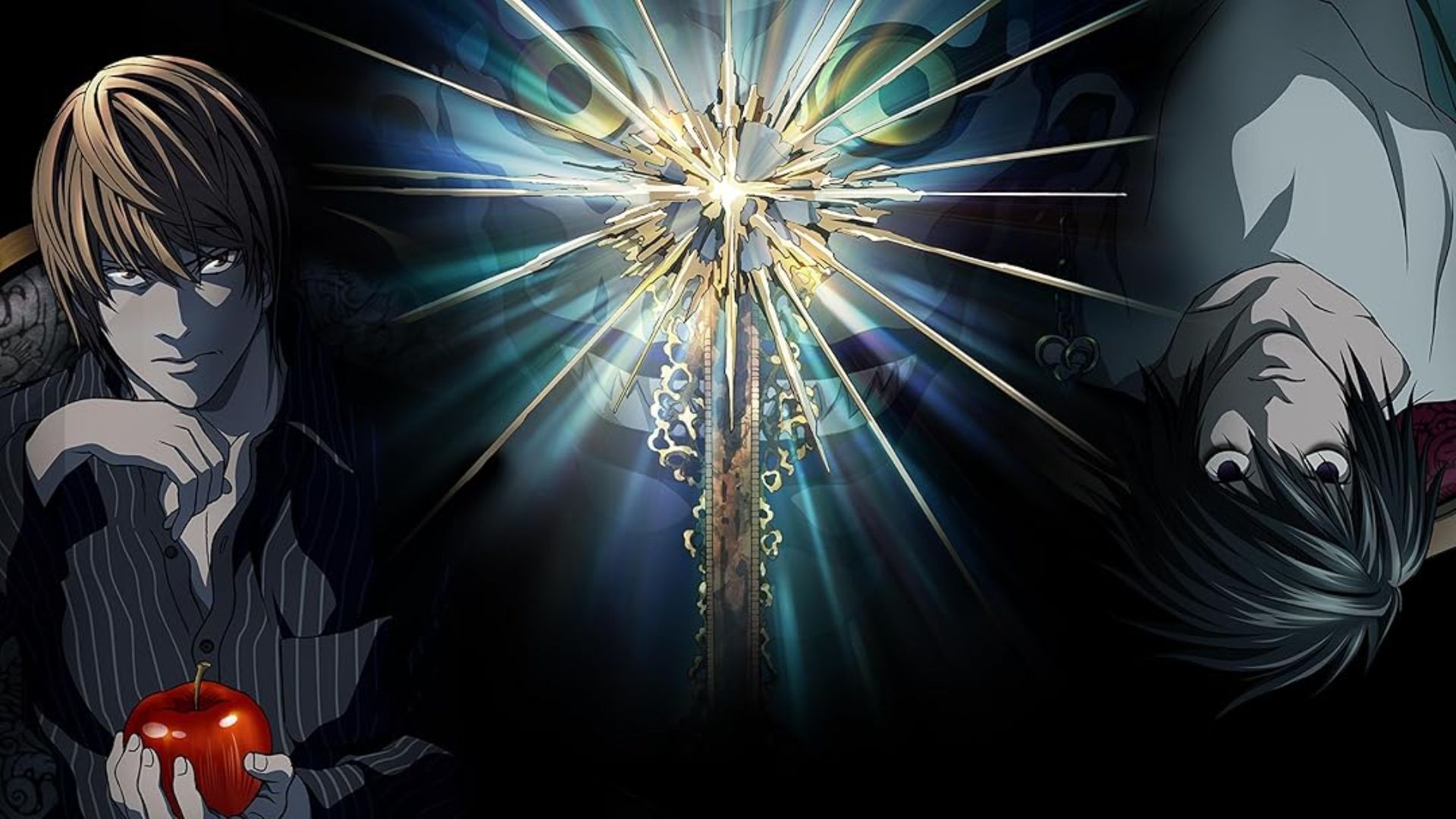
(Credits: Death Note Franchise)
Ryuk, the Shinigami who gives Light the Death Note, plays a key role in the ending. From the very beginning, Ryuk makes it clear that he is only an observer, uninterested in Light’s goals or morality. When Light loses, Ryuk writes his name in the Death Note, fulfilling his earlier promise that he would be the one to end Light’s life.
Ryuk’s actions emphasize the fleeting nature of power and the inevitability of death. Light, who once believed he could control life and death, is ultimately at the mercy of forces beyond his control. This adds a layer of irony to the ending and reinforces the series’ theme that no one, not even someone as powerful as Light, can escape the natural order.
The ending also challenges the viewer’s perspective on justice. Throughout the series, Death Note blurs the line between good and evil. While Light believes he is delivering justice, his actions become increasingly tyrannical and self-serving. On the other hand, characters like L and Near pursue justice through legal and moral means, even if it means risking their own lives.

(Credits: Death Note Franchise)
In the end, Light’s defeat symbolizes the triumph of accountability and morality over personal ambition. It serves as a cautionary tale about the dangers of trying to impose one’s version of justice on the world.
The ending of Death Note carries a hidden meaning that goes beyond Light’s downfall. It explores themes of power, morality, and the consequences of one’s choices. Light’s tragic end reminds viewers that no one is above the law, and the pursuit of justice must be tempered with humility and accountability. This thought-provoking conclusion cements Death Note as a masterpiece that continues to spark discussions among fans to this day.

A gifted student, Light Yagami, discovers the Death Note, a supernatural notebook dropped by the Shinigami Ryuk. Whoever’s name is written in it dies. Light seeks to purge the world of criminals and become a godlike figure, but his plans are challenged by the brilliant detective L, sparking an intense battle of wits, morality, and justice.
Eren Yeager’s transformation from the determined hero fighting for freedom to the complex villain in Attack on Titan shocked fans worldwide. Once seen as humanity’s last hope, Eren’s actions in the later parts of the series painted him as a ruthless enemy who caused massive destruction. But what led him down this dark path? Here’s an exploration of the real reasons behind Eren’s shift from hero to villain.
From the beginning, Eren was driven by a strong desire for freedom. Growing up in the walled city, he hated feeling trapped and dreamed of discovering the wonders of the world outside. This desire was further fueled when Titans attacked his hometown, killing his mother. Eren vowed to destroy all Titans and reclaim humanity’s freedom.
However, as the story progressed, Eren learned that the real enemy wasn’t just the Titans. The truth about the world beyond the walls—the constant war and hatred between nations—shattered his understanding of freedom. He realized that true freedom couldn’t exist in a world filled with such conflict.
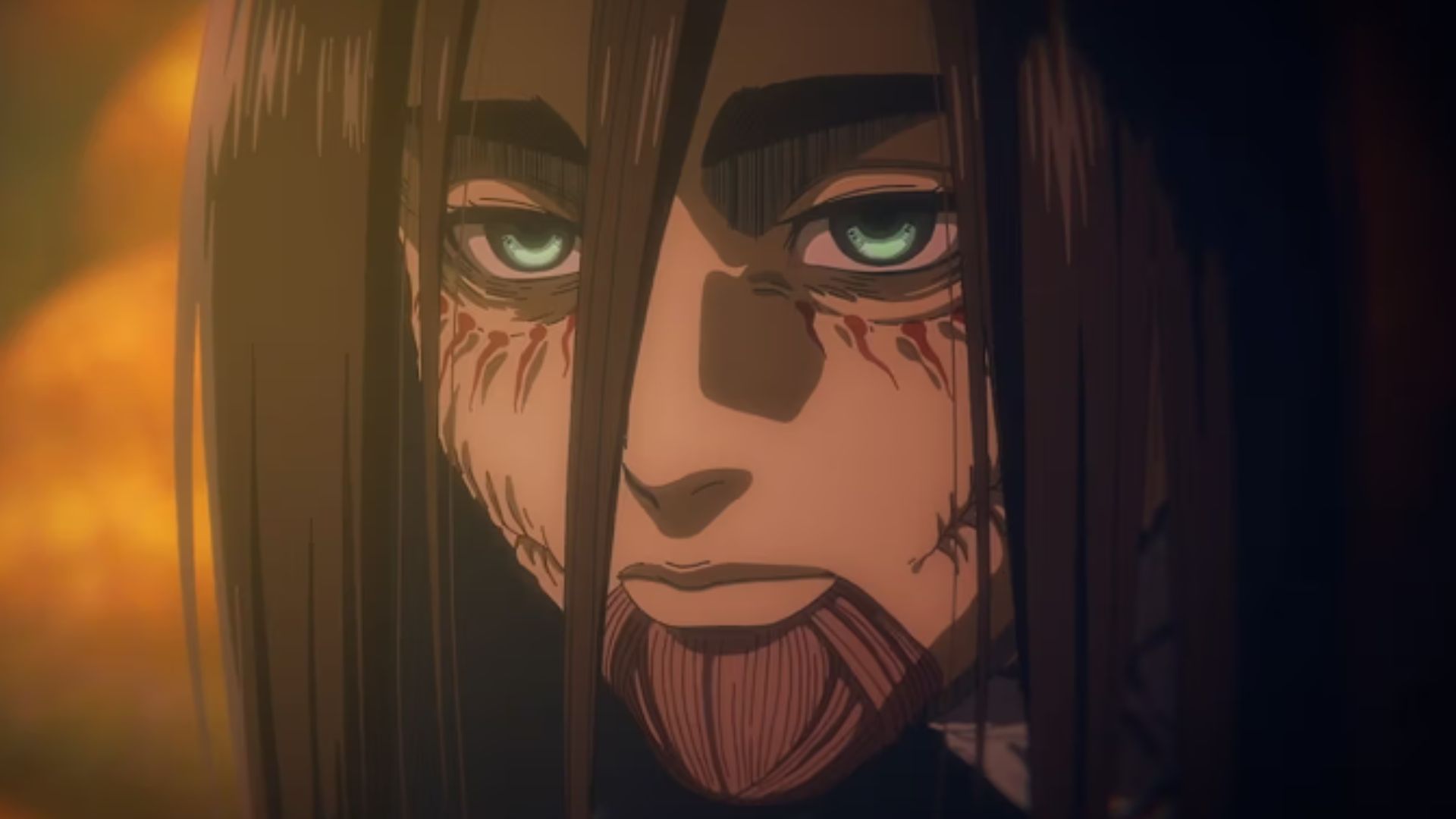
(Credits: Attack on Titan)
A major turning point for Eren came when he discovered the truth about the Titans and the history of his people, the Eldians. He learned that Eldians were hated and feared by the rest of the world for their ability to transform into Titans. This prejudice created a cycle of violence, with nations outside the walls determined to destroy the Eldians.
Eren’s ability to see the future through the Attack Titan’s powers made things even worse. He saw a vision of the future where Eldians would face extinction if he didn’t take drastic measures. This knowledge pushed Eren to take extreme actions, believing it was the only way to protect his people.
Eren’s decision to activate the Rumbling—unleashing the Titans in the walls to destroy most of humanity—was his most controversial move. He believed that by wiping out the nations threatening Eldia, he could secure a future for his friends and people. However, this plan came at a terrible cost, resulting in countless innocent lives being lost.
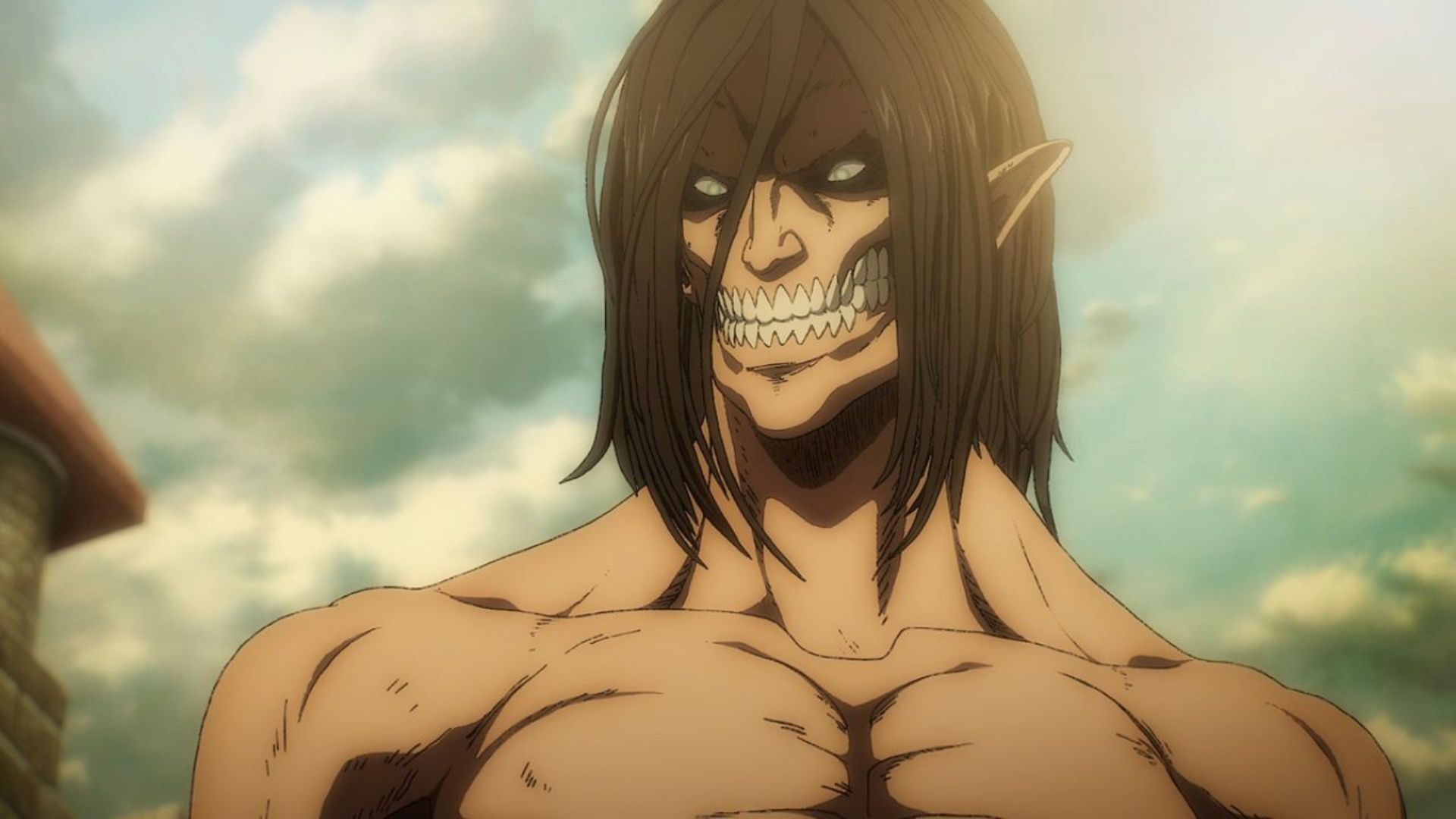
(Credits: Attack on Titan)
What makes Eren’s actions so complex is that he didn’t enjoy causing pain or destruction. Instead, he saw himself as a necessary evil, sacrificing his morality and life for the sake of his friends’ future. He believed that the only way to end the cycle of hatred was to become the villain everyone could unite against.
In the end, Eren’s transformation into a villain wasn’t because he was evil, but because he was desperate. He carried the weight of the world’s hatred and made choices that no one else could. While his actions were horrifying, they stemmed from his love for his friends and his unshakable desire for freedom.
Eren Yeager’s story in Attack on Titan is a tragic tale of how far someone will go to achieve their vision of peace. His journey reminds us that even heroes can fall when faced with impossible choices, and his actions will be debated by fans for years to come.

Attack on Titan is set in a dystopian world where humanity lives behind massive walls to protect itself from giant humanoid creatures known as Titans, who devour humans seemingly without reason. The story begins when a colossal Titan breaches one of the walls, destroying protagonist Eren Yeager’s home and triggering a violent chain of events.
