Solo Leveling began as a South Korean web novel by Chugong, serialized on KakaoPage in 2016. Its compelling narrative and dynamic characters quickly garnered attention, leading to a webtoon adaptation in 2018, illustrated by Jang Sung-rak. The webtoon amplified its popularity, attracting a global readership.
The series follows Sung Jin-woo, an E-rank hunter deemed the weakest, who gains the unique ability to level up without limits after a near-fatal encounter in a dungeon. This transformation from underdog to powerhouse resonated with readers, contributing to its widespread acclaim.
Transition to Anime and Industry Impact
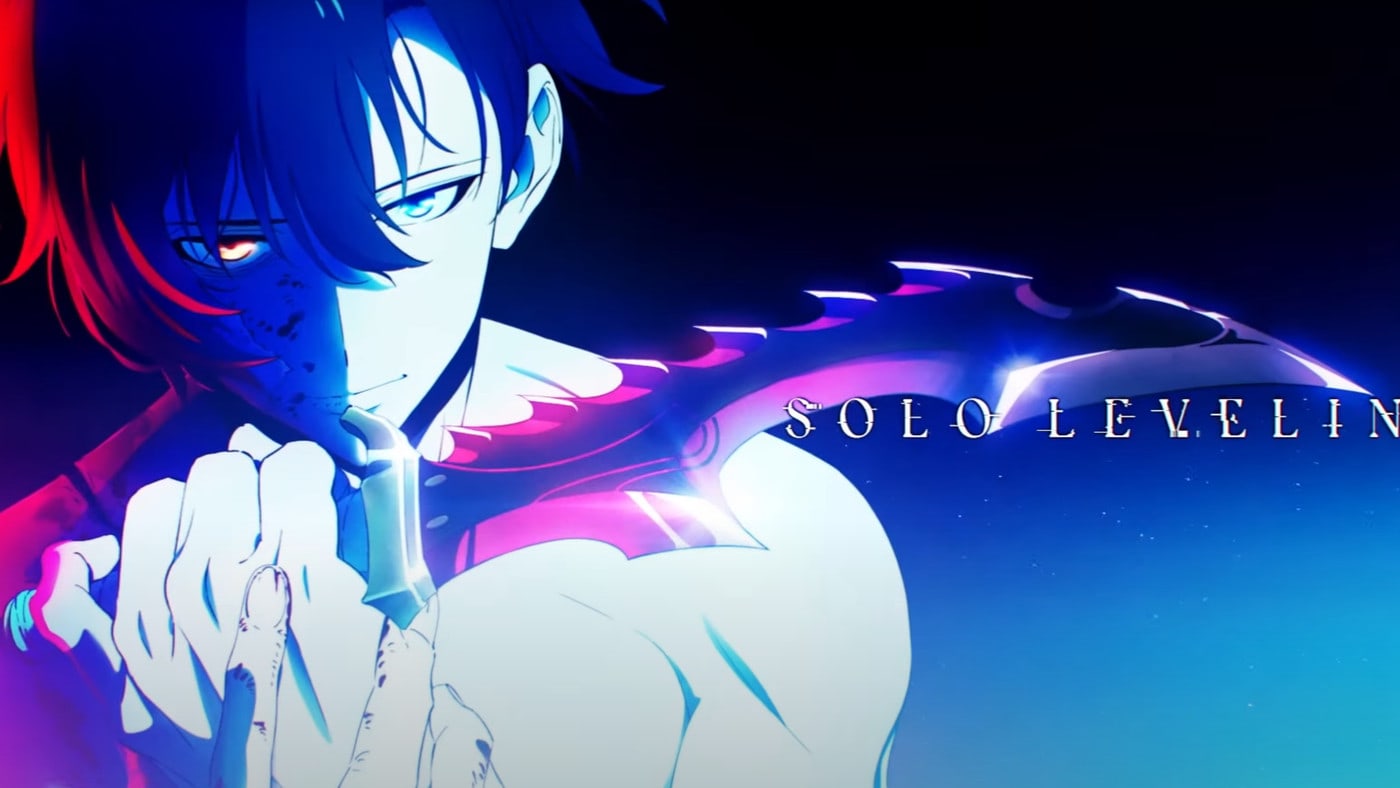
Solo Leveling (Credits: A-1 Pictures)
In 2022, an anime adaptation by A-1 Pictures was announced, generating significant anticipation. The adaptation premiered in January 2024, introducing the story to a broader audience. The anime’s success highlighted the potential of manhwa adaptations, encouraging the industry to explore more Korean webtoons for animation.
Solo Leveling’s rise from web novel to anime exemplifies the increasing global influence of Korean content. Its success has opened doors for other manhwa to receive adaptations, signaling a shift in the anime industry’s approach to source material.
Challenges and Considerations
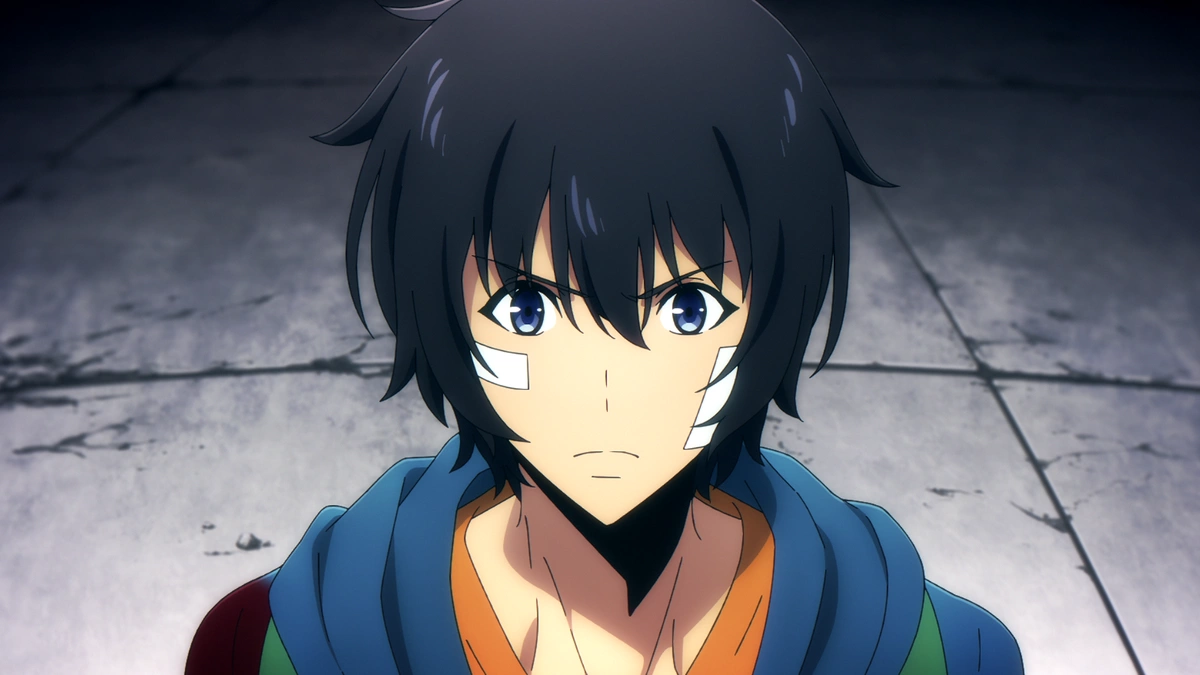
Sung Jinwoo (Credits: A-1 Pictures)
Adapting a beloved webtoon into anime presents challenges, including meeting fan expectations and maintaining the essence of the original work. Solo Leveling’s adaptation faced scrutiny over character portrayals and pacing. However, it also received praise for its animation quality and expanded character development.
The series’ success underscores the importance of thoughtful adaptation processes. Balancing fidelity to the source material with creative enhancements can lead to successful transitions from webtoon to anime, benefiting both creators and audiences.
Solo Leveling’s journey from web novel to anime has significantly impacted the anime industry. It has demonstrated the viability of manhwa adaptations and expanded the scope of content considered for animation. As the industry continues to evolve, Solo Leveling stands as a testament to the potential of cross-cultural storytelling.

Over recent decades, Japanese anime has significantly shaped Western entertainment. Its unique storytelling and visual aesthetics have left a lasting mark on Hollywood films and Western animated series. This cultural exchange has enriched narratives and broadened artistic horizons in the West.
The fusion of anime elements into Western media has led to innovative storytelling and diverse character portrayals. This blend has grabbed audiences globally, showcasing the universal appeal of anime’s themes and styles.
Influence on Hollywood Films
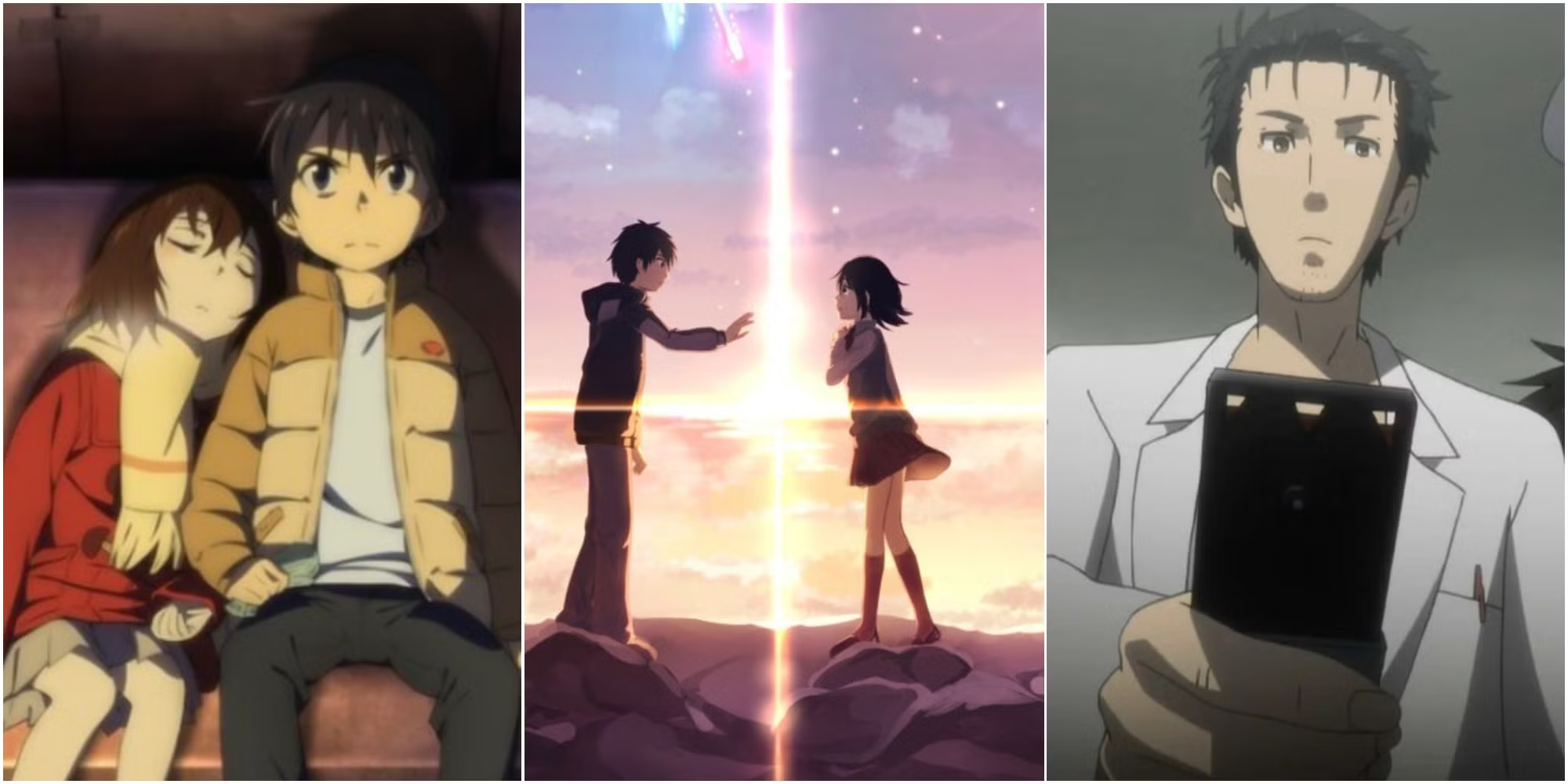
Time Travel Anime
Hollywood has increasingly incorporated anime-inspired visuals and narratives. The 1999 film “The Matrix” drew inspiration from “Ghost in the Shell,” evident in its cyberpunk aesthetics and philosophical themes. Similarly, “Inception” reflects concepts reminiscent of “Paprika,” exploring dream manipulation and layered realities.
Direct adaptations have also emerged, such as “Alita: Battle Angel,” bringing Yukito Kishiro’s manga to life with advanced visual effects. These films highlight Hollywood’s recognition of anime’s rich storytelling potential and its appeal to global audiences.
Impact on Western Animation
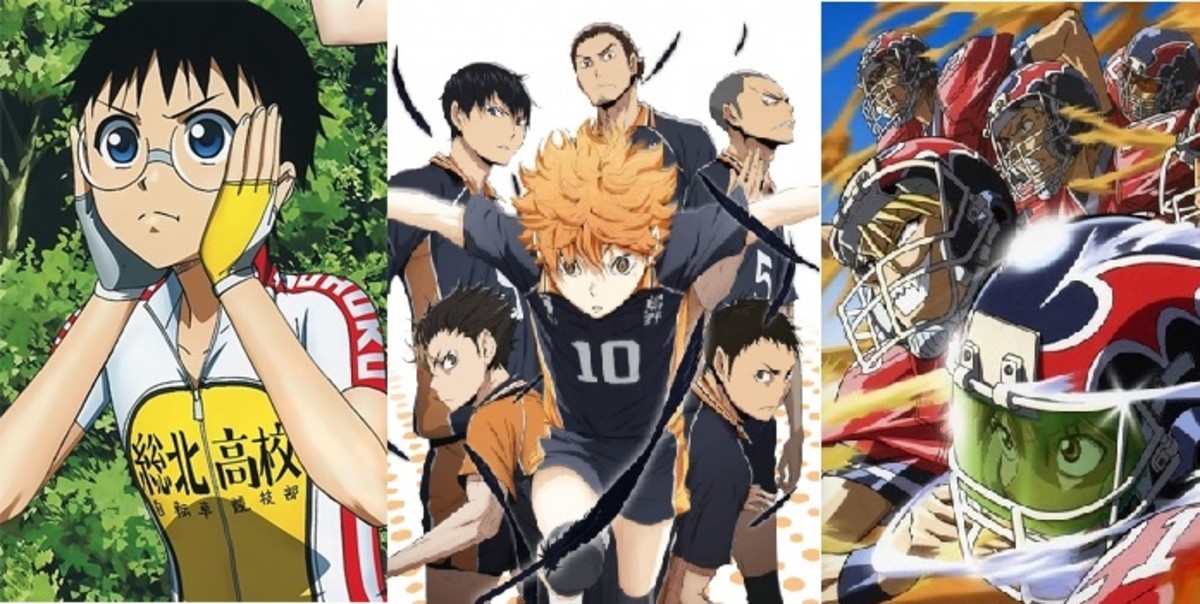
sports anime
Western animated series have embraced anime’s dynamic art styles and complex characters. Shows like “Avatar: The Last Airbender” and “Teen Titans” blend Western narratives with anime-inspired visuals, creating a hybrid that appeals to diverse audiences.
This integration has led to more serialized storytelling and character development, traits characteristic of anime. The success of these series underscores the effectiveness of combining Eastern and Western animation techniques.
Cultural Exchange and Future Prospects
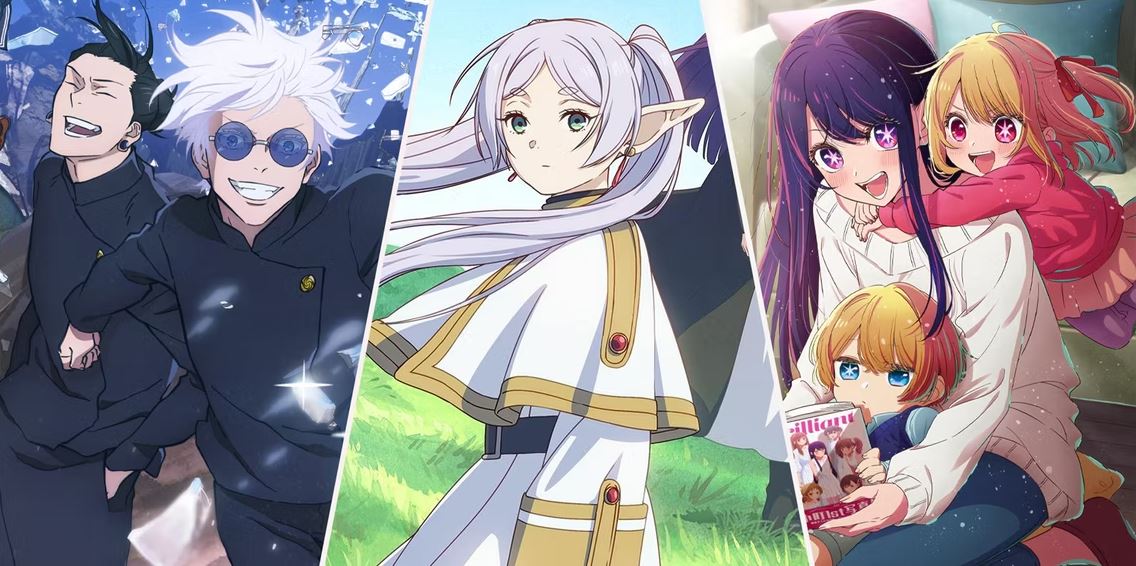
Jujutsu Kainen, Frieren, and Oshi no ko (Credits: Mappa, Madhouse, and Doga Kobo)
The cross-pollination between anime and Western media reflects a broader cultural exchange, fostering creativity and innovation. As global audiences continue to appreciate this fusion, future collaborations are likely to explore new storytelling methods and artistic expressions.
Streaming platforms have further facilitated this exchange, making anime more accessible to Western viewers and inspiring creators to incorporate its elements into their work. This trend suggests a future where the lines between Eastern and Western media continue to blur, enriching the global entertainment.
