Over recent decades, Japanese anime has significantly shaped Western entertainment. Its unique storytelling and visual aesthetics have left a lasting mark on Hollywood films and Western animated series. This cultural exchange has enriched narratives and broadened artistic horizons in the West.
The fusion of anime elements into Western media has led to innovative storytelling and diverse character portrayals. This blend has grabbed audiences globally, showcasing the universal appeal of anime’s themes and styles.
Influence on Hollywood Films
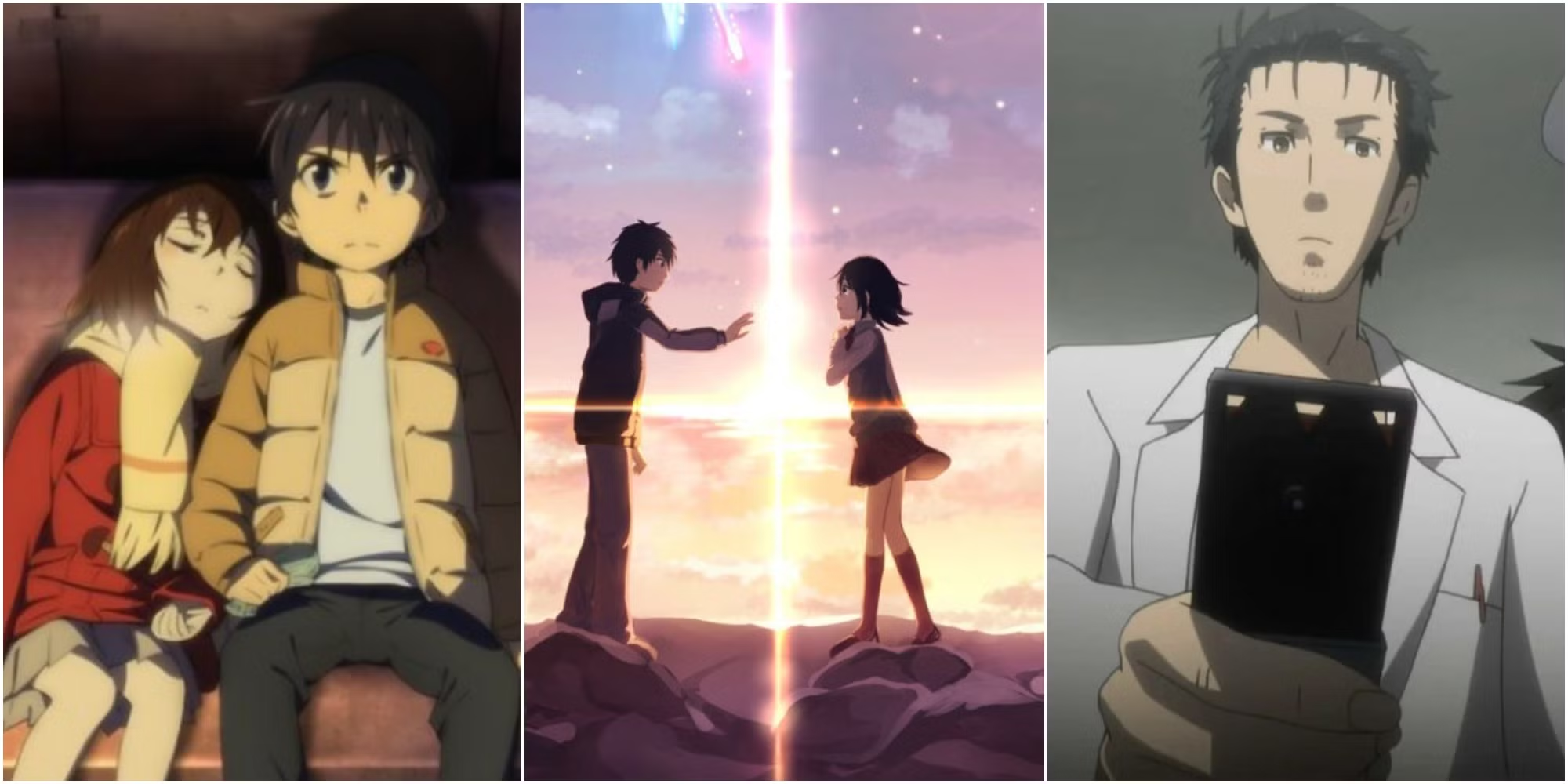
Time Travel Anime
Hollywood has increasingly incorporated anime-inspired visuals and narratives. The 1999 film “The Matrix” drew inspiration from “Ghost in the Shell,” evident in its cyberpunk aesthetics and philosophical themes. Similarly, “Inception” reflects concepts reminiscent of “Paprika,” exploring dream manipulation and layered realities.
Direct adaptations have also emerged, such as “Alita: Battle Angel,” bringing Yukito Kishiro’s manga to life with advanced visual effects. These films highlight Hollywood’s recognition of anime’s rich storytelling potential and its appeal to global audiences.
Impact on Western Animation
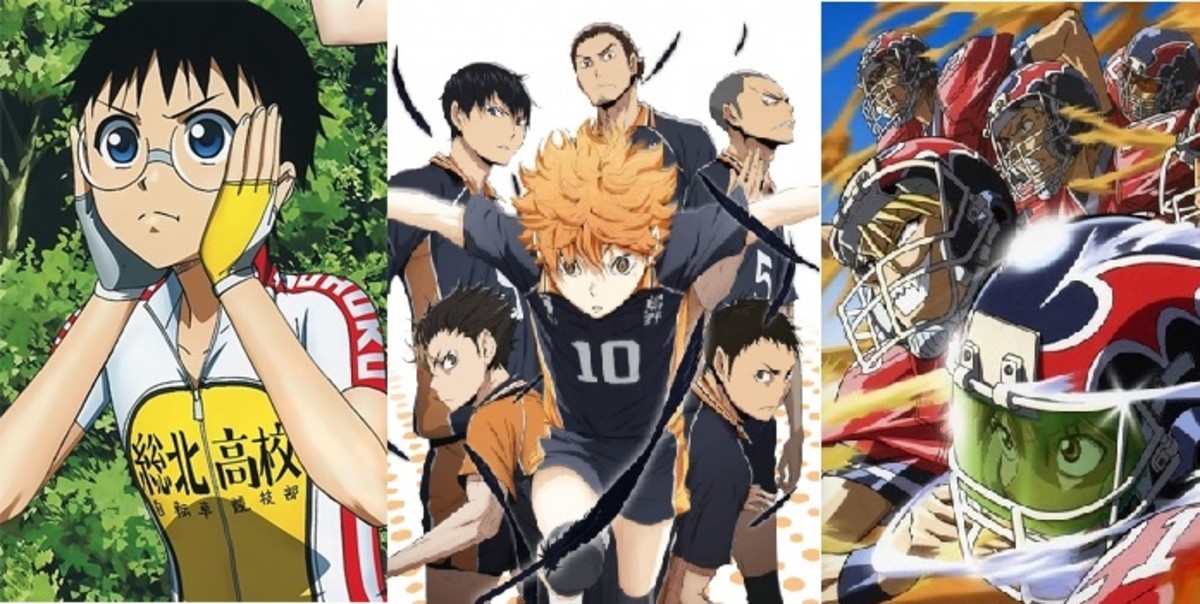
sports anime
Western animated series have embraced anime’s dynamic art styles and complex characters. Shows like “Avatar: The Last Airbender” and “Teen Titans” blend Western narratives with anime-inspired visuals, creating a hybrid that appeals to diverse audiences.
This integration has led to more serialized storytelling and character development, traits characteristic of anime. The success of these series underscores the effectiveness of combining Eastern and Western animation techniques.
Cultural Exchange and Future Prospects
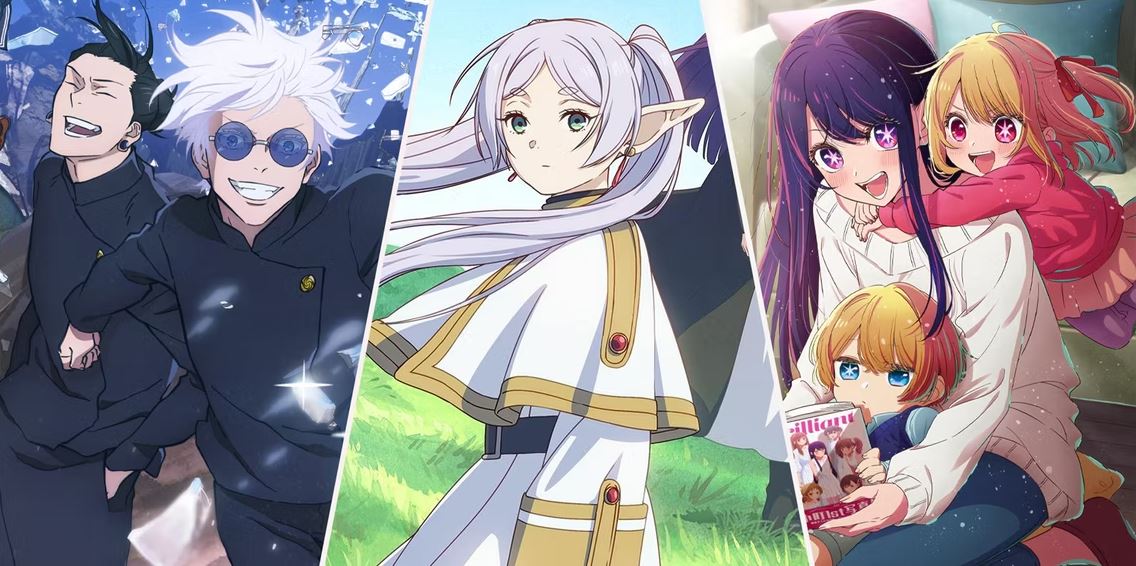
Jujutsu Kainen, Frieren, and Oshi no ko (Credits: Mappa, Madhouse, and Doga Kobo)
The cross-pollination between anime and Western media reflects a broader cultural exchange, fostering creativity and innovation. As global audiences continue to appreciate this fusion, future collaborations are likely to explore new storytelling methods and artistic expressions.
Streaming platforms have further facilitated this exchange, making anime more accessible to Western viewers and inspiring creators to incorporate its elements into their work. This trend suggests a future where the lines between Eastern and Western media continue to blur, enriching the global entertainment.
The global success of K-Pop groups such as BTS and BLACKPINK has brought attention to the stringent contracts that govern their careers. These agreements often impose rigorous demands, leading to debates about their fairness and impact on artists’ well-being.
Historically, K-Pop contracts have been criticized for their length and restrictive clauses. Terms extending up to 13 years were not uncommon, limiting idols’ personal freedoms and financial autonomy.
The Evolution of K-Pop Contracts

BLACKPINK’s Rosé
In 2009, members of TVXQ challenged their 13-year contract with SM Entertainment, labeling it excessively restrictive. This legal battle highlighted the industry’s exploitative practices and led to increased scrutiny.
Following this, South Korea’s Fair Trade Commission intervened, capping contract lengths at seven years to prevent such exploitation. Despite these reforms, concerns about the fairness of these contracts persist.
Challenges Faced by BTS and BLACKPINK
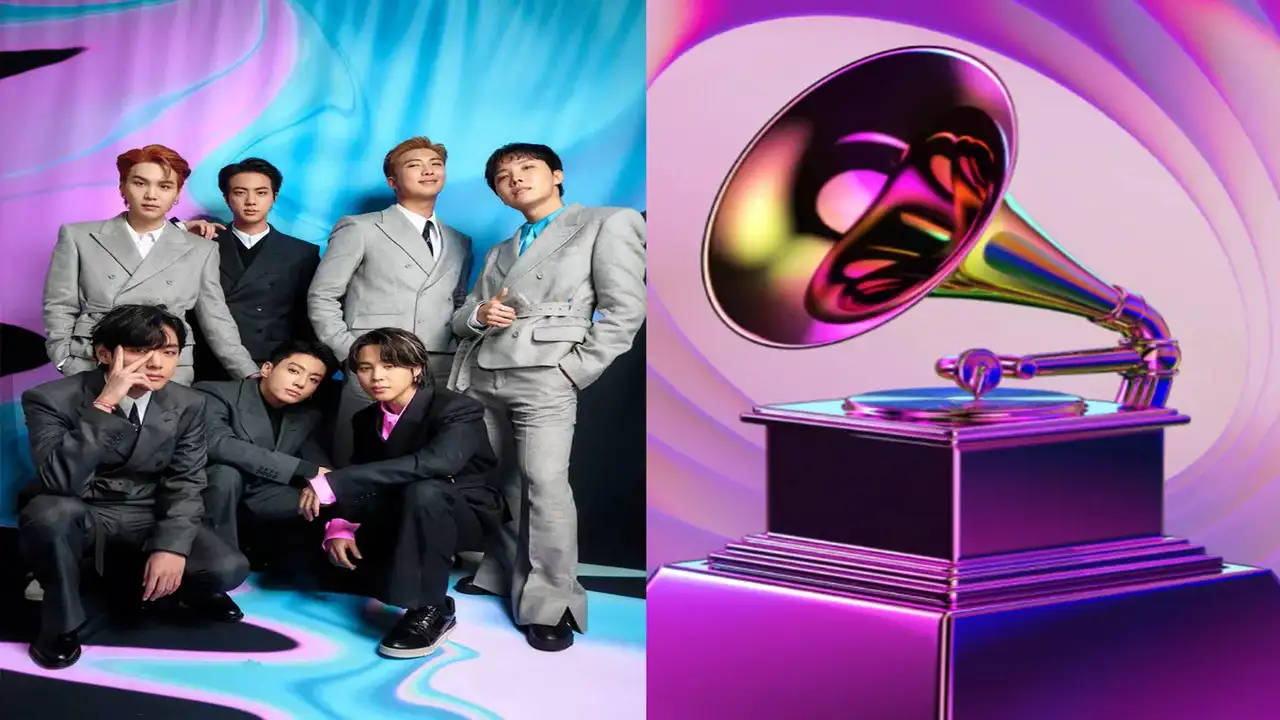
BTS and Grammy (via HYBE)
Even with regulatory changes, top groups like BTS and BLACKPINK have encountered contract-related issues. BLACKPINK’s recent contract renewal negotiations have been closely watched, with fans expressing concerns over potential restrictive terms. BBC.COM
Similarly, BTS has faced challenges related to the demanding nature of their contracts, including grueling schedules and limited personal time. These pressures have sparked discussions about the need for further reforms in the industry.
Ongoing Debates and Future Directions
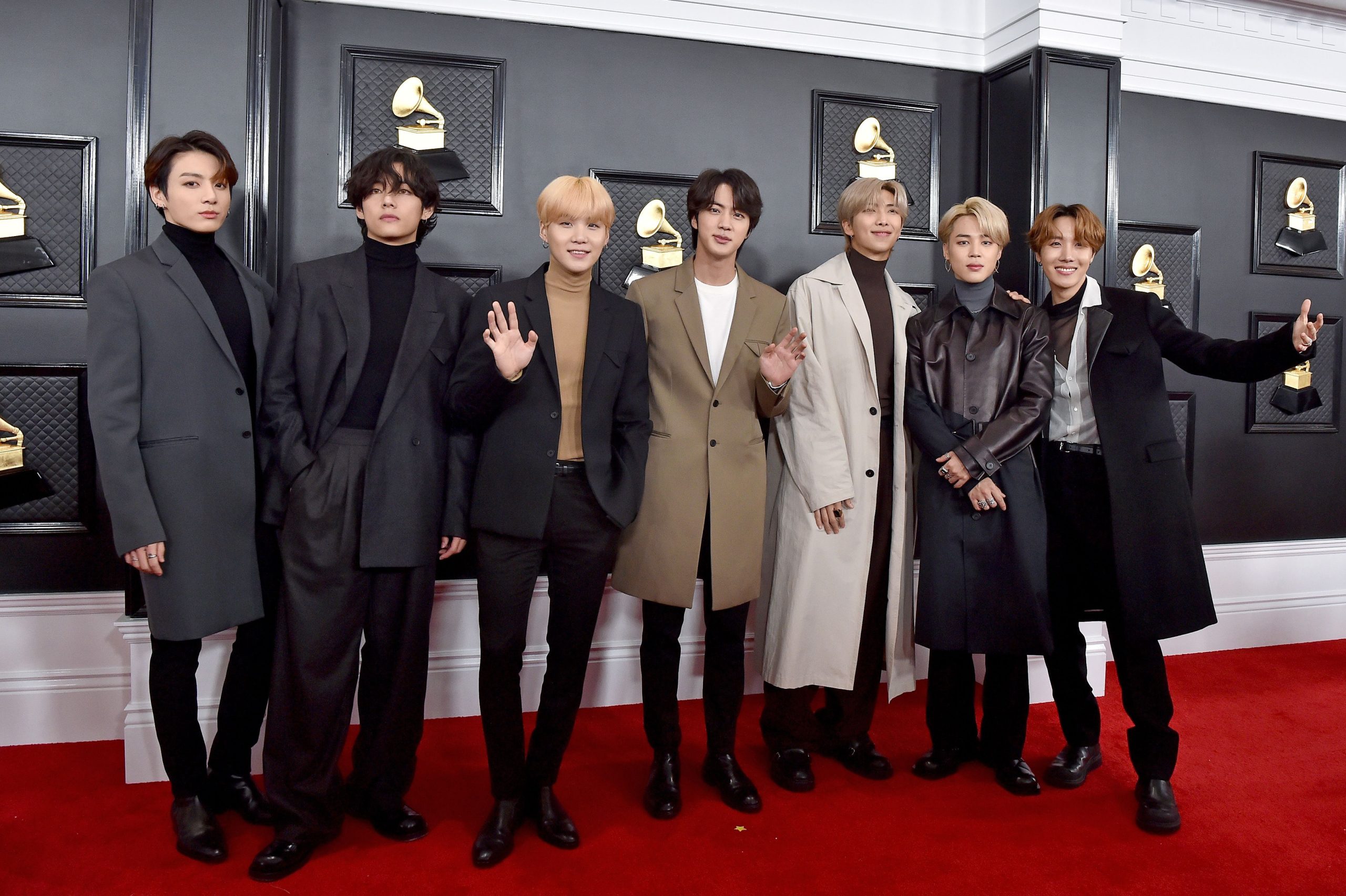
BTS (via HYBE)
The term “slave contracts” has been used to describe the exploitative nature of some K-Pop agreements. While reforms have been implemented, the balance between managing a successful idol career and ensuring artists’ rights remains a contentious issue.
As the K-Pop industry continues to grow globally, there is increasing advocacy for more equitable contracts that prioritize the well-being of artists. This includes calls for reasonable working hours, fair profit distribution, and respect for personal autonomy.
