In The Lighthouse , director Robert Eggers follows up his 2015 success, The Witch , with a film that is weirder, more creative, and filled with moments of absurdity. Eggers’ sophomore effort pushes boundaries, delivering an unsettling journey that leads to a wild and bizarre conclusion. After The Witch ‘s success, Eggers faced high expectations for his next project, which he exceeded with The Lighthouse . This 2019 film builds on his reputation with a mix of unsettling visuals, psychological tension, and surreal storytelling.
Premiering at the 2019 Cannes Film Festival, The Lighthouse received the International Federation of Film Critics (FIPRESCI) prize, solidifying its place as one of the most unique films of the year. Distributed by A24, the movie has garnered critical acclaim for its originality and disturbing atmosphere. The story revolves around two lighthouse keepers, isolated on a remote island, who struggle with their sanity. Thomas Wake (Willem Dafoe) is a superstitious, heavy-drinking veteran, while Ephraim Winslow (Robert Pattinson) is a newcomer disillusioned by the monotony of the job. Tension escalates quickly as paranoia and delusions set in.
The Lighthouse Ending Explained
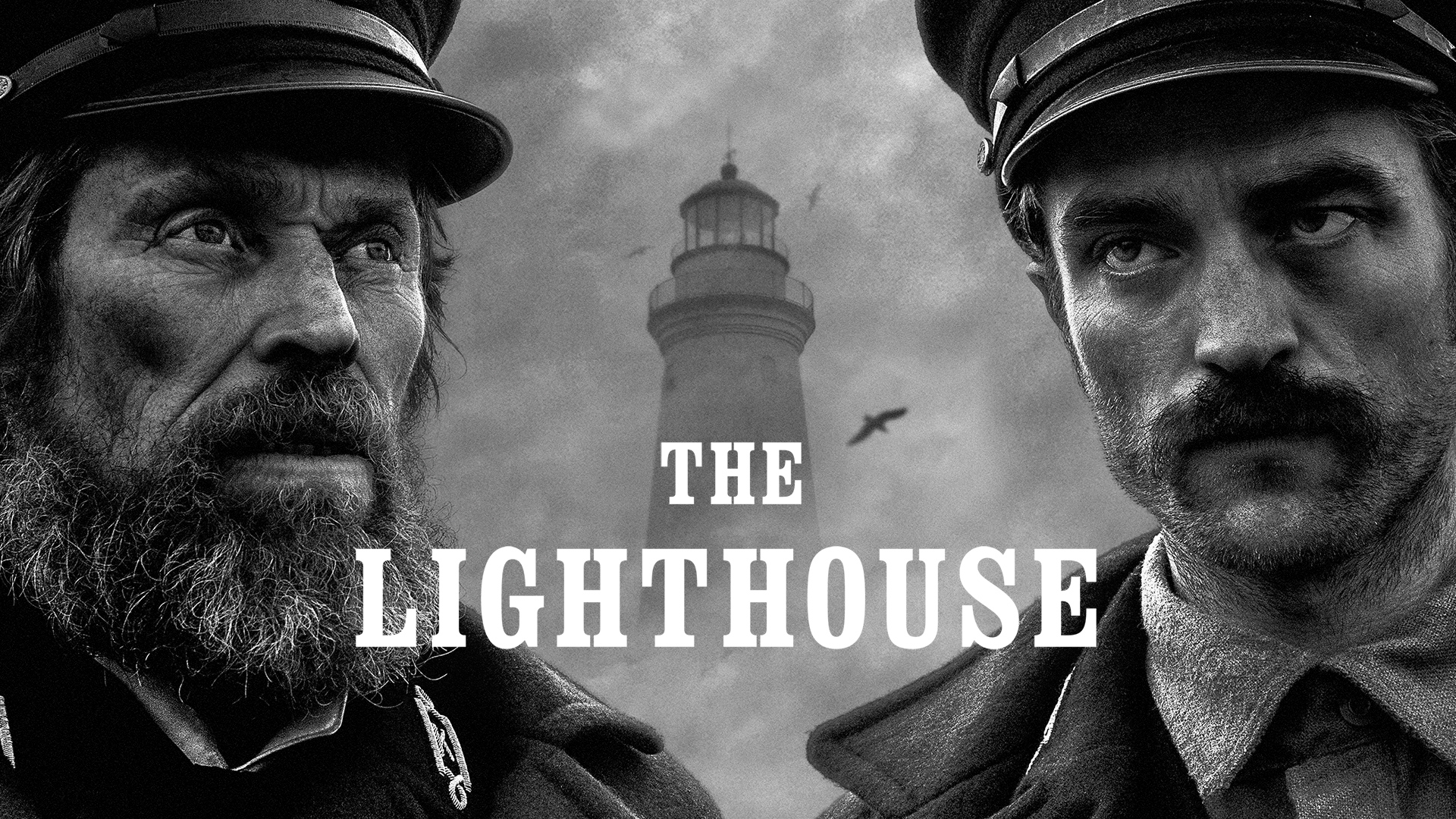
The Lighthouse (Image via Getty)
The core tension of The Lighthouse revolves around the relationship between Wake and Winslow. Initially, the two men have a somewhat cordial but strained dynamic. Wake seems to have adapted to the repetitive nature of lighthouse keeping, while Winslow grows increasingly agitated by the isolation and the oppressive work environment. As the days pass, Winslow begins to suspect that Wake may be losing his grip on reality, or that he was already unstable. This growing distrust forms the backbone of the narrative, as both men’s behavior becomes more erratic and unreliable.
Wake’s obsession with the lighthouse’s light becomes a point of contention. He is worshipful of the light, even possessive, forbidding Winslow from approaching it. This creates an additional source of tension and suspicion between the two, as Winslow begins to question Wake’s motives and his mental state. The story also takes a darker turn when Winslow’s true identity is revealed. His real name is Thomas Howard, a former lumberjack with a hidden past involving the real Ephraim Winslow, whose death may have been caused by Howard’s actions. As the story unfolds, Winslow’s unreliable narration casts doubt on his own sanity.
Unreliable Narratives and Paranoia
Throughout the film, neither Wake nor Winslow can be trusted, as both men have dark pasts and questionable motives. Wake’s behavior often veers between paranoia, obsession, and possible sexual tension with Winslow. As the days drag on, Winslow grows increasingly convinced that Wake is attempting to sabotage him, particularly after Wake intentionally gets him drunk to miss a scheduled ship pick-up. This leaves Winslow stranded, unable to return home, and further fueling his paranoia. With time and isolation working against him, Winslow becomes increasingly obsessed with Wake’s mental state, unsure whether he is being gaslighted or manipulated.
Eggers cleverly keeps the audience in the dark, weaving a narrative where truth and fiction are indistinguishable. The tension between the two men, coupled with the claustrophobic setting, draws viewers into a psychological spiral where neither the characters nor the audience can fully grasp reality. The result is a film that explores themes of guilt, isolation, and the fragility of the mind.
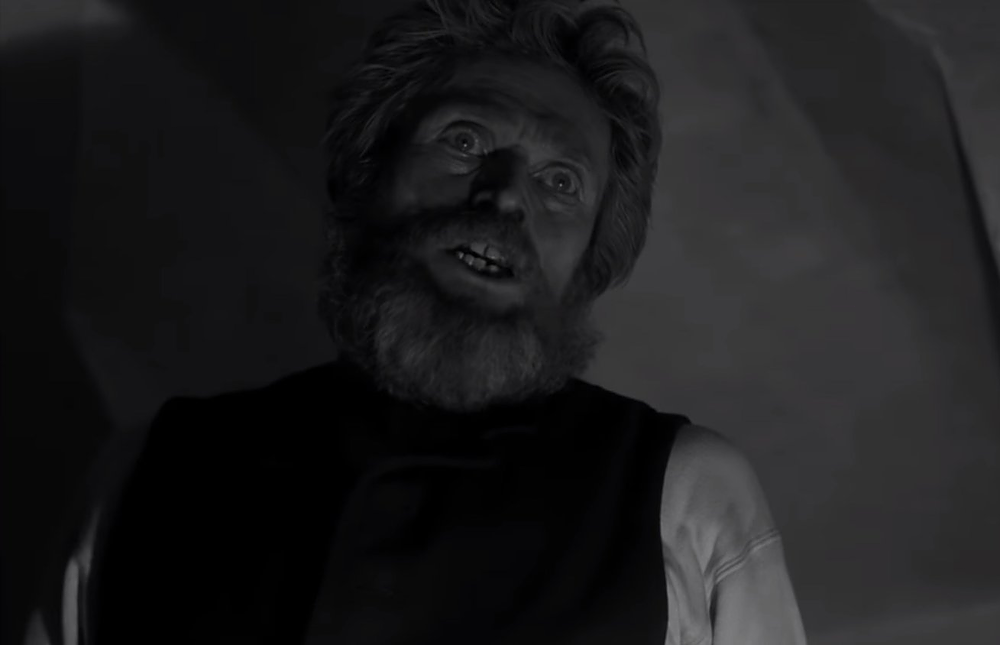
Thomas Wake (Image via Getty)
The Role of Farting in The Lighthouse
Amid the film’s unnerving tone, The Lighthouse also incorporates moments of humor, including frequent fart jokes. Willem Dafoe’s character, Wake, is a chronic farter, a detail that Robert Eggers uses to inject an element of absurdity into the story. While the farting may seem like a trivial inclusion, it serves to underline the film’s bizarre and unpredictable nature. In fact, the first fart is a signal to the audience that this film will take a far stranger direction than its predecessor, The Witch . The humor, often crude, adds to the film’s uncomfortable blend of misery and absurdity.
Eggers himself has acknowledged that The Lighthouse is a darker, more vulgar comedy compared to The Witch . The inclusion of humor, even in moments of tension, provides a contrast that makes the film even more unsettling. In an interview with Vice , Eggers explained that he wanted to create a balance between grimness and absurdity. The farting moments, while comical, serve as a reminder that even in the bleakest situations, laughter can emerge from the chaos.
The Ambiguity of the Ending
As the film progresses, the relationship between Winslow and Wake becomes increasingly violent and chaotic. During a climactic fight, Winslow kills Wake with a shovel and finally reaches the lighthouse’s light, which had been off-limits. The light’s true nature is left intentionally vague, but Eggers’ inspiration from H.P. Lovecraft suggests that it could be a gateway to some otherworldly, malevolent force. The light may also be a symbolic representation of forbidden knowledge or power, echoing the ancient and mythological significance of lighthouses like the Pharos of Alexandria.
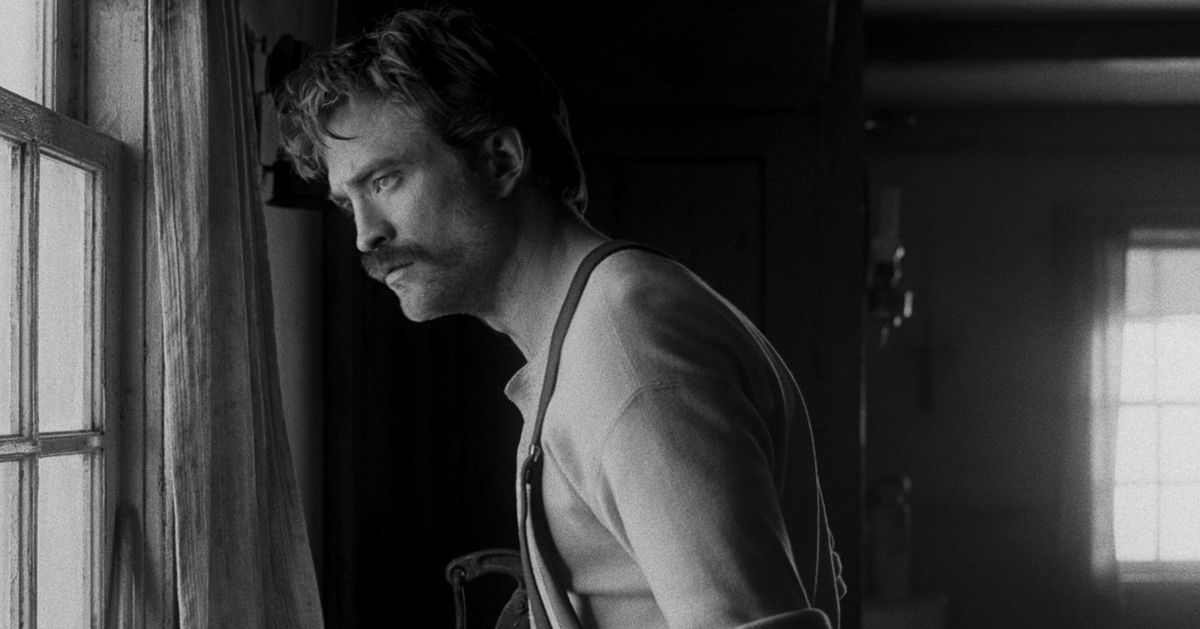
Ephraim Winslow (Image via Getty)
After staring into the light, Winslow loses his sanity, laughing maniacally as he seems to burn. The light’s secrets remain locked away from the audience, enhancing the film’s air of mystery. Winslow’s fate takes a horrific turn when he is found on the shore, naked and ravaged by seagulls, including the one bird that tormented him throughout the film. This scene strongly evokes the myth of Prometheus, the Greek titan who stole fire from the gods and was punished by having his liver eaten by an eagle every day. If Winslow represents Prometheus, his punishment for daring to seize the lighthouse’s power could be eternal suffering.
A Cycle of Punishment or Guilt?
The ending of The Lighthouse leaves much to interpretation. One possibility is that Winslow’s fate is a cycle of punishment for his hubris in attempting to harness the light’s power, much like Prometheus. Alternatively, it could symbolize his internal guilt over the death of the real Ephraim Winslow. The supernatural forces at play in the film remain unclear, further enhancing its sense of ambiguity. Eggers’ skillful direction allows for multiple readings of the film, with each interpretation adding depth to its already complex narrative.
Ultimately, The Lighthouse stands as a masterclass in ambiguity and psychological horror. Its disturbing imagery, unreliable characters, and mythological themes make it a film that lingers long after the credits roll. Whether the events are a manifestation of guilt, a supernatural curse, or simply a descent into madness, the film’s open-ended nature allows for endless interpretation, making it one of the most fascinating and unsettling cinematic experiences of the year.
Quentin Tarantino’s Pulp Fiction is one of the most iconic and discussed films of all time, partly due to its unconventional storytelling and non-linear narrative. Released in 1994, this film charmed audiences worldwide with its sharp dialogue, memorable characters, and unexpected twists. However, the unique structure of Pulp Fiction often leaves viewers puzzled about its ending and how the different plotlines intertwine. The purpose of this paper is to break down the movie’s ending and explore how it connects to the larger themes within the film.
Pulp Fiction follows several interconnected characters whose paths cross in a series of events. Although the film is widely adored and remains a part of pop culture, it’s known for being challenging to follow at times. The non-chronological structure of the movie leads to some confusion regarding the final moments. Tarantino’s love for deep, symbolic storytelling means that the ending of Pulp Fiction holds more meaning than what may first appear on screen.
Pulp Fiction Ending Explained
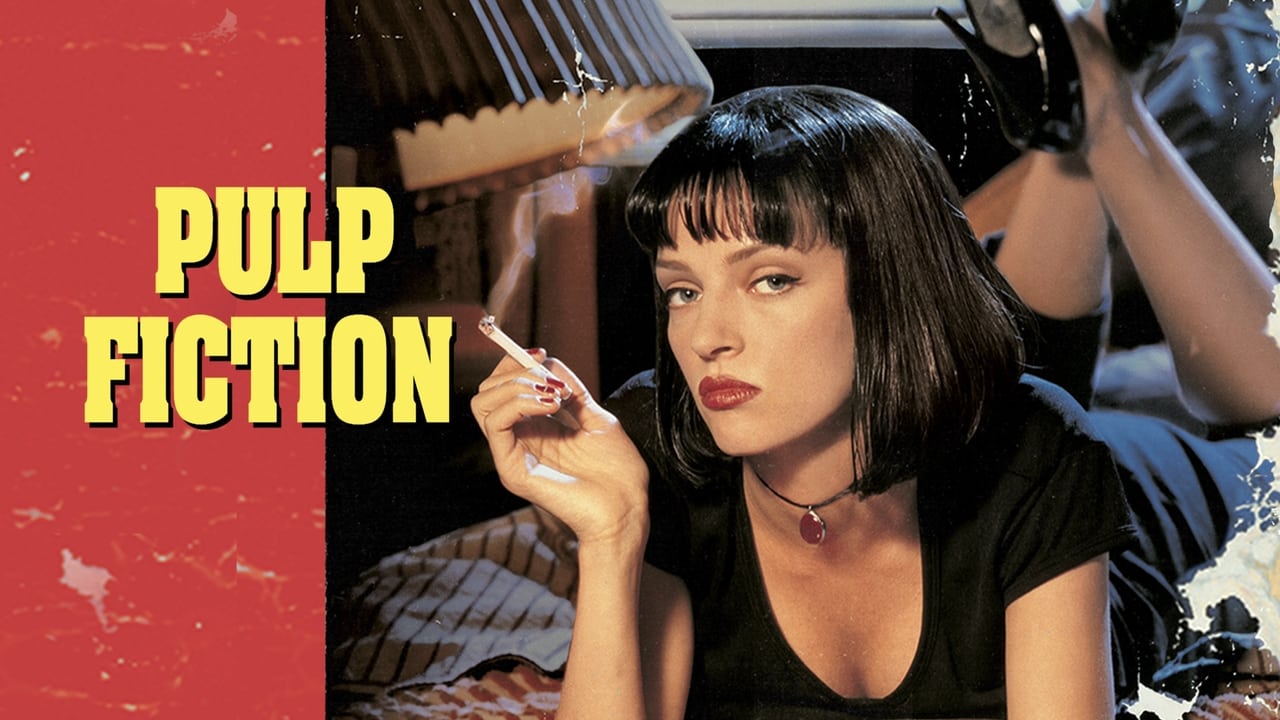
Pulp Fiction (Image via Getty)
One of the most debated aspects of Pulp Fiction is its order of events. Unlike typical films, Pulp Fiction does not tell its story in a straightforward, linear manner. Instead, the final sequence of the film occurs in the middle of the chronological timeline, raising questions about the movie’s structure. The film’s ending takes place after the robbery at the diner but before the infamous scene with Marsellus Wallace’s wife. These choices force the audience to consider how these stories connect and what the film’s true ending really signifies.
Jules and Vincent’s Thematic Climax in the Diner
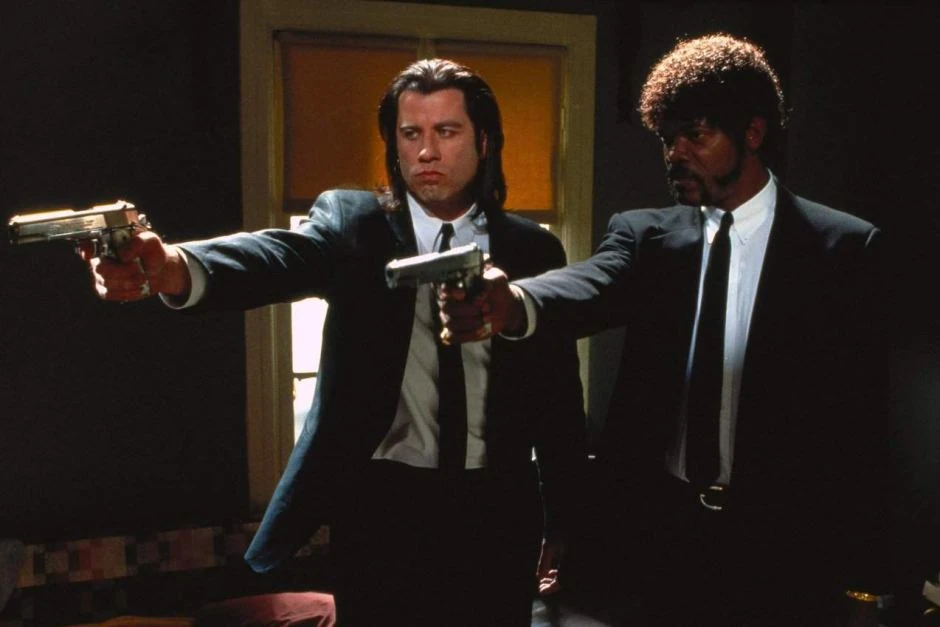
This final diner scene between Jules and Vincent is a pivotal moment in Pulp Fiction . While it is not the chronological conclusion of the film, it serves as the thematic climax. The confrontation with the robbers, Pumpkin and Honey Bunny, highlights key themes of divine intervention, redemption, and forgiveness. Tarantino’s decision to place this scene at the film’s conclusion underscores these ideas and completes Jules’s character arc. This choice also solidifies why Pulp Fiction continues to be such an influential and beloved movie.
Another significant mystery in Pulp Fiction is the elusive briefcase carried by Vincent and Jules. For years, fans have speculated about the contents of the briefcase, with theories ranging from it containing the soul of Marsellus Wallace to diamonds from Reservoir Dogs , or even the Holy Grail. However, Tarantino himself has explained that the briefcase is meant to serve as a MacGuffin, a device used to drive the plot forward rather than an object with intrinsic importance. While the theories are fascinating, the briefcase’s contents are ultimately irrelevant to the film’s themes.
The Surprising Death of Vincent Vega
The surprising death of Vincent Vega is another key event in the film, adding to the complexity of Pulp Fiction’s narrative. After Butch betrays Marsellus Wallace, he is pursued by Vincent and Marsellus, but the turn of events leads to Vincent’s death in a bathroom. The suddenness of his demise is a reminder of Vincent’s bad luck and the unpredictable nature of the world Tarantino has created. Butch’s decision to kill Vincent is less about revenge and more about self-preservation. Butch is acting instinctively to protect himself from Marsellus’s wrath.
Jules and Vincent (Image via Getty)
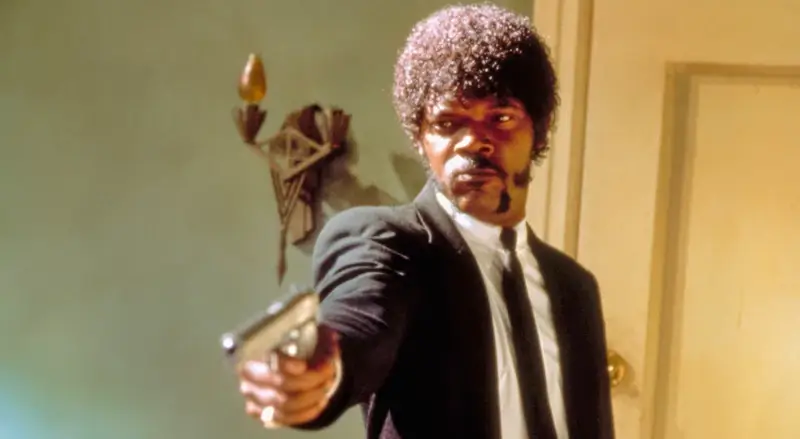
Samuel L. Jackson’s portrayal of Jules is central to the film’s exploration of morality and redemption. Throughout Pulp Fiction , Jules recites a version of Ezekiel 25:17, a Bible passage that plays a pivotal role in the character’s transformation. Initially, Jules uses the quote as a tool to intimidate his victims, but as the film progresses, he begins to reflect on its deeper meaning. This shift in Jules’s character marks his departure from a life of violence. His decision to spare the robbers in the diner is an act of personal redemption, demonstrating the influence of divine intervention on his life.
Jules’s Ambiguous Fate After Pulp Fiction
The fate of Jules after the events of Pulp Fiction is left open-ended, sparking much speculation among viewers. While Vincent’s death is clear-cut, Jules’s future remains ambiguous. However, the focus of Jules’s storyline is his transformation from a cold-blooded killer to a man seeking redemption. Some fans believe that Jules might have decided to leave his criminal past behind and start anew, possibly wandering the world in search of peace. Regardless of his ultimate fate, Jules’s journey is about redemption, and the film does not need to show his future to emphasize this transformation.
The Dual Endings of Pulp Fiction
In terms of the broader narrative, Pulp Fiction has two endings: the chronological one and the literal final scene. Both endings focus on characters making righteous choices that lead to their redemption. Jules’s decision to spare the robbers in the diner parallels Butch’s act of saving Marsellus Wallace’s life, with both characters choosing to act morally in crucial moments. These choices are central to the film’s theme of redemption, where characters who have lived lives of violence are offered the chance for salvation. The Bible quote of Ezekiel 25:17 becomes integral to understanding the significance of these decisions.
Jules (Image via Getty)
To understand the full depth of Pulp Fiction’s plot, it is essential to consider the narrative in chronological order. The film is broken down into seven distinct episodes that make up four interconnected stories. The first scene serves as a prologue set in a diner, followed by the “Vincent Vega and Marsellus Wallace’s Wife” sequence, then the “Gold Watch” story, and finally, “The Bonnie Situation” and an epilogue that circles back to the diner. This jumbled order is a deliberate choice that forces the audience to piece together the plot as the film progresses. By reordering the episodes, a clearer understanding of the story’s timeline emerges, offering a more traditional sense of progression.
Thematic Exploration of Pulp Fiction
Ultimately, Pulp Fiction is a film about choices—both righteous and otherwise—and their consequences. The decisions made by characters like Jules, Butch, and Vincent shape the trajectory of the film and highlight Tarantino’s focus on redemption, fate, and moral reckoning. While the film’s unconventional storytelling may initially confuse viewers, its underlying themes of transformation and salvation make Pulp Fiction a classic that continues to be celebrated for its bold narrative choices.
