John Lee Hancock’s The Little Things takes a unique approach to the crime thriller genre, subverting expectations and focusing on its characters rather than revealing the identity of the killer. Starring Denzel Washington, Rami Malek, and Jared Leto, the film delves into themes of guilt, obsession, and the dark psychological landscapes of its main characters. Hancock deliberately leaves the identity of the killer ambiguous, choosing to challenge genre conventions and ignite further debate.
At the center of The Little Things is Joe “Deke” Deacon, played by Denzel Washington, a disgraced former Los Angeles cop. Deke gets involved in a murder investigation when he picks up evidence on a routine trip, which leads him into the pursuit of a notorious serial killer. The killer has been terrorizing the nearly empty streets of L.A., preying on vulnerable women. This drives Sergeant Jim Baxter (Rami Malek) to hunt for the culprit. Their investigation leads them to their prime suspect, Albert Sparma (Jared Leto), who quickly becomes a key figure in their pursuit.
The Little Things Ending Explained: Shifting Focus from the Killer to the Detectives
The film takes a bold step at its conclusion, shifting the focus from identifying the killer to exploring the inner turmoil of Baxter and Deke. The cat-and-mouse game with Sparma ends in a place filled with guilt, regret, and unresolved questions. Sparma’s death leaves both Baxter and Deke in a limbo of doubt, particularly in the case of Ronda Rathbun’s murder. The film’s controversial ending raises crucial questions about loose ends, character motivations, and what it means for the protagonists.
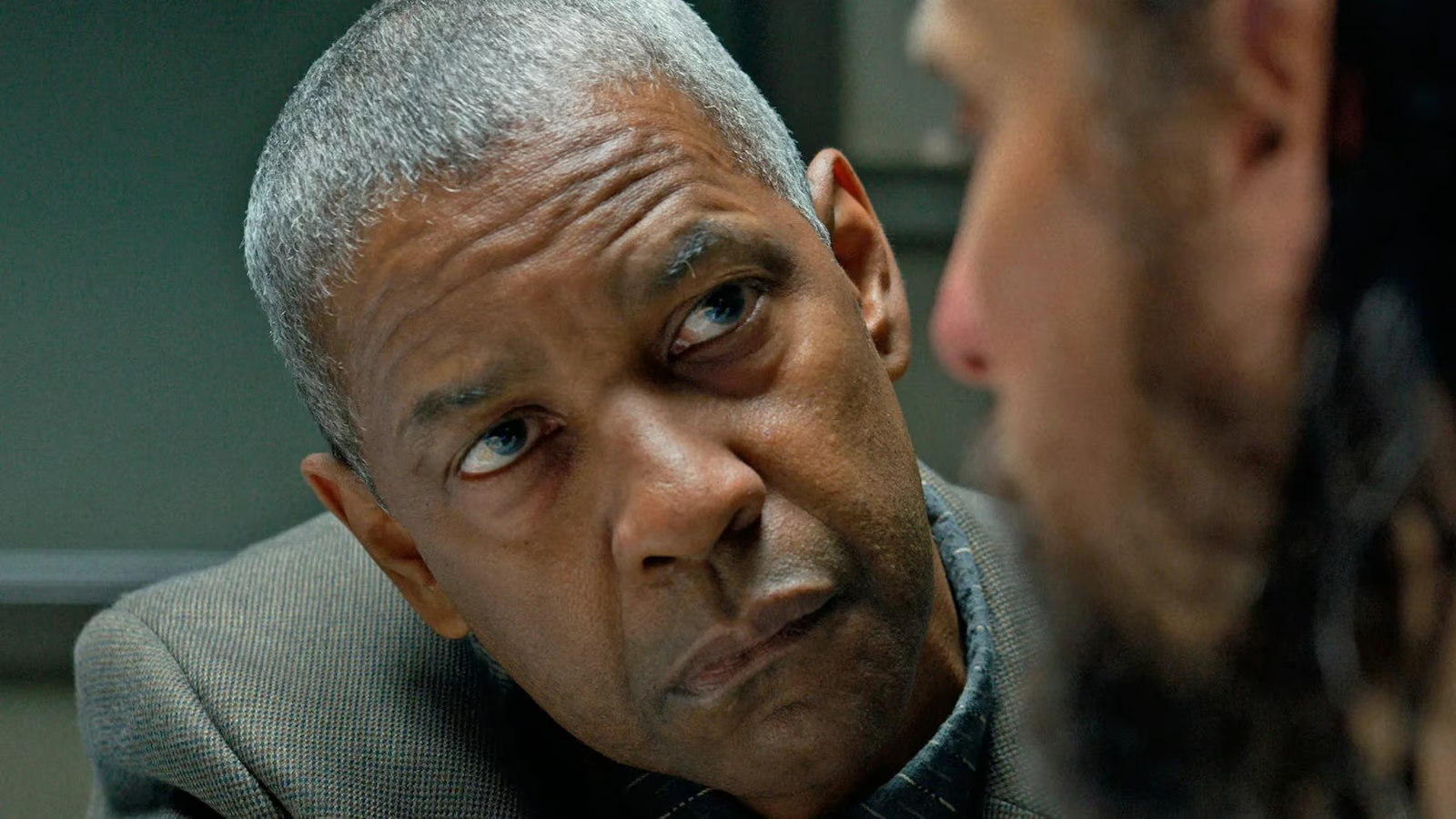
Joe (Image via Getty)
The Unanswered Questions of the Case
The film presents several unanswered questions about Sparma’s role as the killer. His modus operandi involves attacking young women, leaving their bodies posed with stab wounds and bite marks. Deke and Baxter come across a partial print at the crime scene, which suggests that the victim knew the killer. This leads Deke to focus on Albert Sparma, a solitary drifter who had been in the neighborhood, making him a prime suspect in the murder case.
Despite forensic tests failing to link Sparma conclusively to the murders, Deke and Baxter pursue him, convinced that the circumstantial evidence points directly to him. Sparma’s unsettling demeanor and bizarre behavior push Baxter to interrogate him aggressively. During an intense scene, Sparma shows a disturbing fascination with the crime scene photographs, leading Deke to lose control. This interaction further deepens the sense that Sparma derives a perverse pleasure from the deaths.
Sparma’s Games and Baxter’s Desperation
Throughout the investigation, Sparma plays games with Baxter and Deke, creating false leads and taunting the detectives, who are desperate for closure. Their obsession with him grows as they seek to prove his guilt, partly driven by their own feelings of inadequacy and the need to bring resolution to the case. Unable to tie Sparma to the crimes legally, Baxter and Deke resort to unconventional methods in an attempt to force a confession, but their efforts remain futile.
The film’s climax centers around a tense confrontation in the California desert. Baxter, who is eager to find the body of Rathbun, faces Sparma in a final showdown. Sparma taunts Baxter, claiming he knows where the body is buried, and orders the detective to dig in various locations. It becomes evident that Sparma is leading Baxter down a hopeless path, enjoying the detective’s desperation. Sparma’s sadistic remarks push Baxter over the edge, and in a moment of intense frustration, he kills Sparma by striking him in the head with a shovel.
The Aftermath and the Uncertain Truth
Deacon arrives at the scene after Sparma’s death, and Baxter is left to bury Sparma’s body among the numerous holes. Despite his actions, Baxter is not satisfied and continues digging through the night, holding onto the hope that he can uncover Rathbun’s body and prove that Sparma is indeed the killer. The film leaves the resolution unclear, leaving the audience uncertain about whether the killer has been caught or if Baxter killed an innocent man.
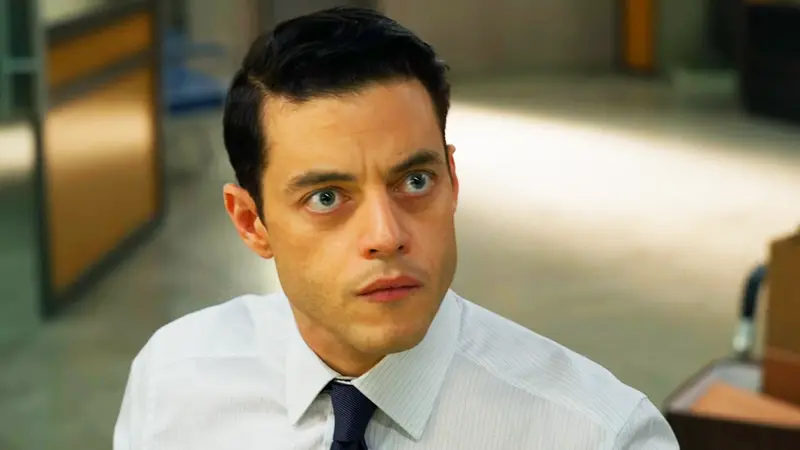
Jim Baxter (Image via Getty)
The ending of The Little Things does not only focus on Sparma’s fate but also explores the psychological toll that obsession and guilt have taken on the characters. Deacon, haunted by his past mistakes, plays a critical role in the film’s resolution. Years before the events of the movie, Deacon was involved in a botched case in which he accidentally shot an innocent woman, leading to his downfall. This past mistake is a key part of his emotional baggage, and it mirrors Baxter’s actions in the present, where guilt and regret cloud his judgment.
Deacon’s Haunted Past and the Cycle of Guilt
Deacon’s haunting past is revealed through flashbacks, showing how a previous case went wrong and led to the tragic death of an innocent victim. This event sets off a chain of personal and professional failures for Deacon, including a divorce, a heart attack, and a mental breakdown. His guilt manifests in unsettling ways, such as visions of the victim’s ghost and conversations with her body in the morgue. These psychological scars echo through the present case, where Deacon helps Baxter cover up the murder of Sparma, continuing the cycle of guilt and moral compromise.
As the film nears its conclusion, the question of who the true killer is remains unanswered. While Baxter receives a red barrette in an envelope, linking Sparma to Rathbun’s murder, the film reveals that this is a lie orchestrated by Deacon. Deacon purchases the barrette and sends it to Baxter in an attempt to help him find peace after killing Sparma. This act creates a false sense of closure for Baxter, who believes he has solved the case, while Deacon is left knowing the unsettling truth: Rathbun’s killer is still out there.
The Larger Socio-Political Implications
At its core, The Little Things highlights the personal cost of the characters’ actions, suggesting that their sins will have repercussions for the justice system and society at large. By focusing on the emotional turmoil of the detectives, the film raises broader questions about moral responsibility, justice, and accountability. The unresolved murder case and the cover-up signify the systemic failures that allow injustice to persist, ultimately questioning whether true justice is ever achievable when individuals are willing to sacrifice it for personal peace.
The film’s title and central theme revolve around the idea that “the little things” can often lead to catastrophic consequences. This phrase is introduced early in the film, as Deacon and Baxter discuss the case. It resurfaces toward the end when Deacon helps Baxter cover up Sparma’s murder, offering a new layer of meaning. The “little things” are not just small details in the investigation but also the actions and decisions that ultimately lead to tragic outcomes. This motif ties into the film’s portrayal of how systemic failures and individual guilt contribute to larger social problems.
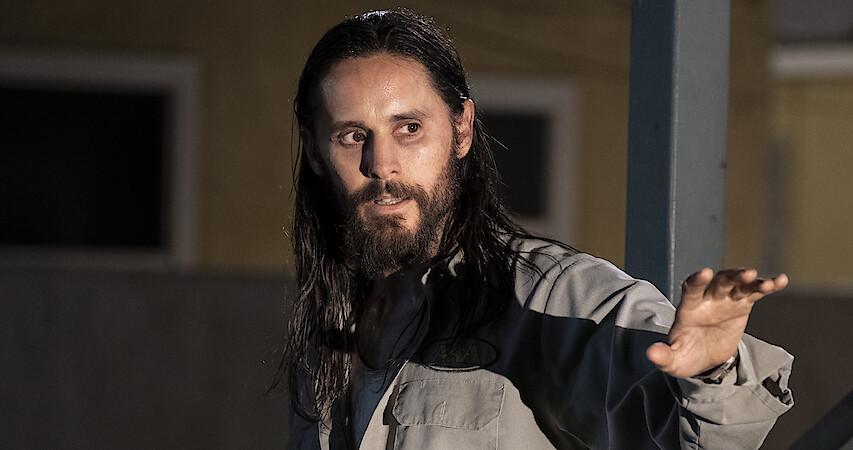
Albert Sparma (Image via Getty)
Director John Lee Hancock’s Intentions for the Ending
Director John Lee Hancock deliberately designed The Little Things to subvert genre expectations by leaving key questions unanswered. Hancock wanted to create a crime thriller that deviated from formulaic endings, offering an ambiguous conclusion that would provoke discussion. In interviews, Hancock revealed that he never intended to confirm Sparma’s guilt, leaving it up to the audience to interpret. He emphasized that the film was more about the psychological journeys of the characters than about uncovering the true identity of the killer.
Audience Reception and Critic Reactions
The film’s ending sparked mixed reactions from both critics and audiences. While some appreciated the focus on the characters’ psychological depth and the avoidance of a predictable killer reveal, others found the ambiguity unsatisfying. The film holds a 45% rating on Rotten Tomatoes, with critics divided on the effectiveness of the film’s conclusion. Many praised the performances of the cast, particularly Washington and Malek, but criticized the film for its unclear and unresolved ending. Some felt that the lack of a clear resolution was a missed opportunity, while others enjoyed the ambiguity, finding it fitting for the film’s exploration of guilt and moral conflict.
Ultimately, The Little Things is a reflection on the complexities of human nature, guilt, and the moral compromises that individuals make in the face of personal demons. Its ending leaves much unresolved, both in terms of the case and the characters’ emotional journeys. By focusing on the internal struggles of its protagonists, the film questions the nature of justice, accountability, and whether closure can ever truly be achieved when the cost of achieving it is so high.
The 1992 film Basic Instinct is a provocative and iconic erotic mystery thriller that continues to capture attention for its thrilling plot, notorious interrogation scene, and its enigmatic final twist. Sharon Stone stars as Catherine Tramell, a seductive crime author with a mysterious and possibly dangerous side, while Michael Douglas plays the hard-edged detective Nick Curran, drawn into a web of deceit and murder. The film’s complex narrative and the performances of its leads made it a cultural touchstone, often sparking debate and intrigue, especially regarding its ending.
Directed by Paul Verhoeven, Basic Instinct stands as a modern neo-noir film, famous not only for its suspenseful twists but also for its portrayal of one of cinema’s most memorable femme fatales. Stone’s portrayal of Catherine Tramell left a lasting impact, and her iconic interrogation scene is often the first image people recall from the movie. While this moment certainly captured widespread attention, it’s the film’s concluding scene and the resulting ambiguity that have kept audiences discussing the movie for years. Nearly three decades later, many are still left questioning exactly what happens at the film’s conclusion. This delves into the intricacies of that ending to offer some clarity.

Catherine Tramell (Image via Getty)
The Basic Plot of Basic Instinct
The film opens with a gruesome murder, where a mysterious blonde woman kills a man during a sexual encounter. Detective Nick Curran (Michael Douglas) is assigned to investigate the case and begins questioning Catherine Tramell, the lover of the deceased. Catherine asserts that she has an airtight alibi, reasoning that she could not possibly have committed the murder since the crime mimicked one described in her latest book. To Catherine, the whole thing seems like a setup, a claim she maintains throughout the film.
Despite being skeptical about Catherine’s claims, Nick becomes increasingly fascinated by her charm and allure. As their affair progresses, Nick learns that a police psychiatrist, Dr. Beth Garner (Jeanne Tripplehorn), shares a past with Catherine, having known her in college. According to Catherine, Beth was obsessed with her, even going so far as to alter her appearance to resemble Catherine. Beth, on the other hand, insists that it was Catherine who became obsessed with her. Beth warns Nick that Catherine is dangerous, but Nick, deeply infatuated, dismisses her warnings.
As more murders occur, Nick becomes even more determined to identify the true killer. The mounting evidence seems to point towards Beth as the murderer. When Nick’s partner Gus (George Dzundza) is found dead, seemingly murdered in the same manner, Nick finds Beth at the crime scene and, mistaking her for the killer, shoots and kills her. However, it is revealed that Beth was merely holding a key chain, not a weapon, leading to the conclusion that the case is closed, and the murderer is presumed to be caught.
Basic Instinct Ending Explained
The final moments of Basic Instinct reveal the full complexity of Catherine’s character and her manipulative nature. After the murder of Gus, Nick returns home, only to find Catherine waiting for him. In a poignant moment, Catherine tearfully tells Nick that she fears getting close to anyone because everyone she loves ends up dead. The two share an intimate encounter that appears to be a moment of closure for their relationship, signaling the potential for a peaceful ending.
However, the moment is far from tranquil. After their love scene, Catherine asks Nick what comes next for them. Nick, in a playful and somewhat reckless moment, suggests they could settle down and raise children. Catherine responds with distaste at the mention of kids, causing a brief tension. As the tension builds, Catherine’s hand moves toward the edge of the bed, leaving the audience on edge. The camera then shifts downward, revealing an icepick hidden under the bed, a chilling reminder of the violence Catherine is capable of.
This startling revelation leaves the audience with a lingering question: Is Catherine planning to kill Nick? The presence of the icepick implies a sinister possibility, but the ambiguity of the final moments suggests that Catherine may, in fact, let Nick live — at least for now.
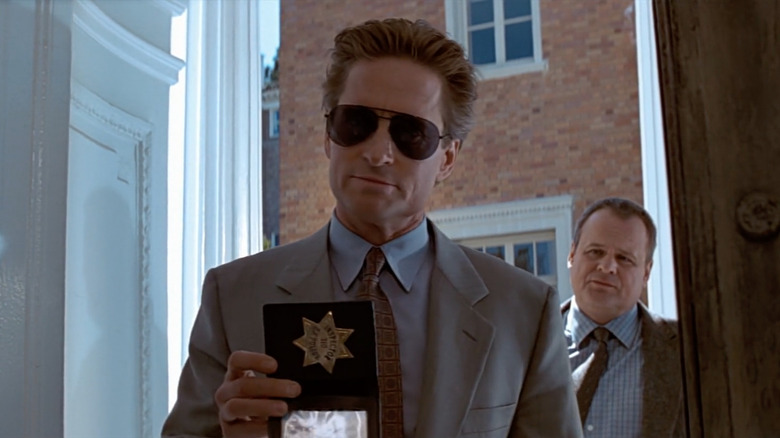
Detective Nick (Image via Getty)
Analyzing the Final Scene
To understand the meaning behind the film’s ending, it’s important to reflect on Catherine’s actions throughout the film. She is depicted as a master manipulator, toying with Nick and the investigation while maintaining an air of innocence. Catherine enjoys playing a dangerous game with Nick, alternating between flirtation and subtle intimidation. Her repeated flaunting of the icepick during the investigation makes it clear that she is aware of its significance — it was the murder weapon used in the killings.
The final twist, where Catherine’s hand moves toward the icepick, signifies that she may be preparing to kill Nick, just as she had described in her book. Throughout the story, Catherine manipulates events, framing Beth as the killer and, in all likelihood, seeking revenge on her ex-lover. Her complex relationship with Nick, fueled by their shared darkness, ultimately leads to a final confrontation where Catherine seems ready to seal Nick’s fate.
Did Catherine Kill Nick?
One of the most debated aspects of Basic Instinct is whether Catherine ultimately kills Nick. The film offers several clues that suggest Catherine might follow through with her murderous tendencies. Early on, she discusses a book she’s writing about a detective who falls in love with the wrong woman, only to be killed by her. Later, after their intimate encounter, Nick jokingly suggests changing the ending of Catherine’s book to something happier, but Catherine insists that someone always dies.
The ambiguity of the final scene, where the camera reveals the icepick under the bed, heightens the suspense, leaving viewers to wonder whether Catherine kills Nick or simply decides to spare him. Some fans point out that Nick’s absence in the sequel, Basic Instinct 2 , is a potential indicator that Catherine did, in fact, murder him. However, the lack of any mention of his character in the sequel doesn’t definitively answer the question. The filmmakers deliberately leave Nick’s fate open to interpretation, forcing the audience to choose whether they believe he survives or falls victim to Catherine’s dangerous desires.
Alternative Theories About the Ending
Beyond the question of Catherine’s intentions, there are also alternative theories that suggest different interpretations of the film’s conclusion. One such theory proposes that there are, in fact, two possible endings for Basic Instinct . According to this theory, the film can be seen through two distinct storylines: one in which Catherine is the killer and another where Beth is the true murderer.
The theory argues that the first ending occurs after the camera pans away from Nick and Catherine, suggesting that the story concludes with Beth as the killer. The second possible ending, however, is the reveal of the icepick under the bed, which implies that Catherine is the murderer. While this theory offers an intriguing twist on the film’s conclusion, it remains speculative and open to interpretation.
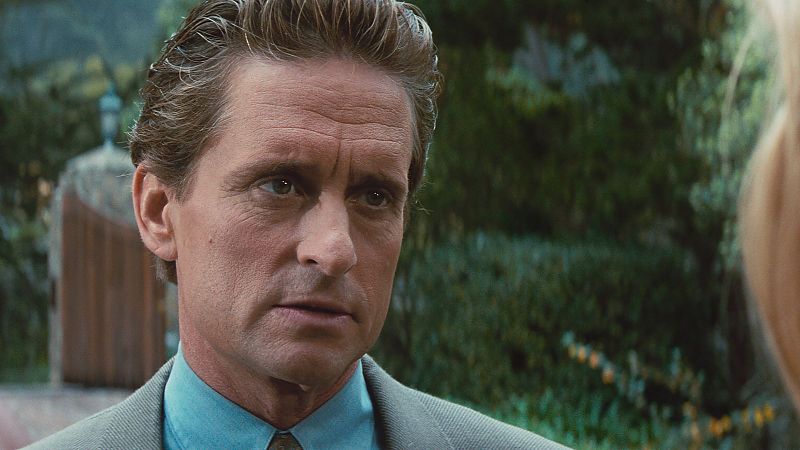
Detective Nick (Image via Getty)
Michael Douglas’ Alternate Ending Idea
Interestingly, Basic Instinct ‘s ending was almost quite different, according to Michael Douglas. In an interview with screenwriter Joe Eszterhas, it was revealed that Douglas initially wanted a more definitive conclusion where Nick kills Catherine. However, Eszterhas argued that such an ending would have undermined the film’s complexity, leaving it more straightforward and less ambiguous. Douglas’ suggestion that Catherine should meet her demise at the hands of Nick was ultimately rejected, and the film maintained its open-ended conclusion, which left Catherine victorious in her manipulative games.
The Film’s Impact on LGBTQ+ Representation
Basic Instinct sparked significant controversy upon its release, particularly due to its portrayal of LGBTQ+ characters. The film faced backlash from the LGBTQ+ community, who were upset by the negative depiction of bisexual and lesbian characters. Protesters outside theaters highlighted concerns over harmful stereotypes, as characters like Catherine and Roxy were portrayed as violent and psychotic. At the time, films with LGBTQ+ representation were often associated with criminality and deviance, contributing to damaging stereotypes.
The portrayal of LGBTQ+ characters as violent and dangerous was not unique to Basic Instinct and reflected a broader trend in early 90s cinema. While Hollywood has made strides in more recent years, Basic Instinct remains a key example of how LGBTQ+ characters were often portrayed in harmful ways, perpetuating dangerous assumptions about their behavior.
Sequel and Franchise Potential
The success of Basic Instinct naturally led to discussions about a sequel, and in 2001, there were plans for a follow-up film. However, these plans fell apart, resulting in a lawsuit against the studio. Eventually, Basic Instinct 2 was released in 2006, with Sharon Stone reprising her role as Catherine Tramell. The film, however, was met with critical and commercial failure, leaving the franchise in limbo. Although there were initial ideas for a third installment, it seems unlikely that any further films in the series will be made, given the lack of momentum in the years since Basic Instinct 2 .
The ending of Basic Instinct remains one of the most intriguing and ambiguous conclusions in film history. Whether Catherine kills Nick or allows him to live is left up to the audience’s interpretation, and this open-ended conclusion has kept viewers discussing the film long after its release. The film’s portrayal of its complex characters, particularly Catherine’s manipulative nature and Nick’s dark tendencies, only adds to the mystery. Ultimately, Basic Instinct leaves its final answer hanging, ensuring its place as a classic of suspense and psychological thriller cinema.
