The highly popular anime and manga series, My Hero Academia , concluded its long and celebrated journey just a few months ago, leaving fans and critics in deep reflection over its successes and shortcomings.
Over the years, the series has undeniably captured the hearts of countless viewers, especially with its focus on the underdog protagonist, Izuku Midoriya, also known as Deku, and his journey to become the world’s greatest hero.
However, as fans now look back, there’s a shared sense of disappointment over one significant aspect where My Hero Academia fell short not necessarily in its character development or battle sequences, but in the missed potential of the world it created.
Author Kohei Horikoshi put substantial effort into building a world that feels vibrant and alive, where people are born with superhuman abilities called Quirks, and where being a hero has evolved from myth into a tangible profession, complete with both its glories and struggles.
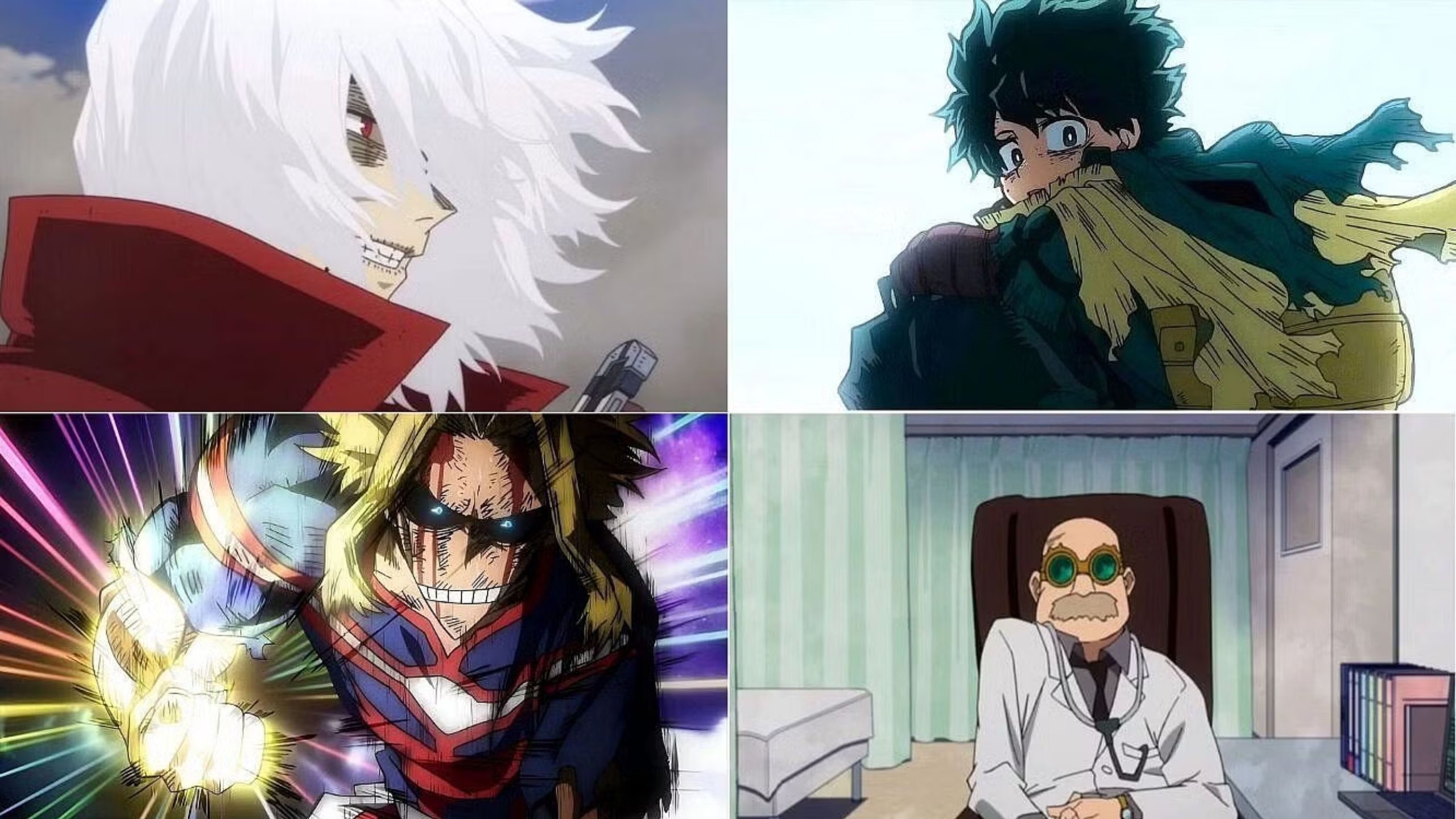
Deku and Shigaraki (Bones)
This isn’t just a simple “good versus evil” superhero narrative; it’s a world where heroism is a career, a vocation that involves real-life politics, media presence, and public approval.
At least, that’s how the series was initially set up. However, despite the Jumble of social and political implications, My Hero Academia ultimately fails to flesh out many of these complex layers.
Instead, it places almost exclusive emphasis on combat scenes and traditional hero-villain battles.
This neglect of deeper world-building, a dimension that could have made My Hero Academia even more profound, maybe Horikoshi’s greatest missed opportunity.
The Wasted World-Building Potential in My Hero Academia
When My Hero Academia first introduced us to its universe, the groundwork laid by Horikoshi hinted at something much larger than a standard superhero narrative.
With Quirks affecting every aspect of society, the story initially seemed poised to jump into the intricate nuances and moral dilemmas that would logically arise in a world where superpowers are an everyday reality.
The series touched on topics like hero commercialization, societal discrimination, and the pressures of heroism in a way that hinted at profound explorations of these themes.
Yet, the execution ultimately felt incomplete, as these promising concepts were quickly overshadowed by the focus on combat, character power-ups, and climactic battles.

Deku – My Hero Academia (Bones)
The ideas were introduced, but they often fell by the wayside, creating a sense of “wasted potential” for the world at large.
For instance, in the “Stain” arc, the storyline introduces us to the Hero Killer, Stain, who has an intense ideology regarding the integrity of heroes.
He believes that many heroes have lost sight of the essence of heroism, prioritizing fame, money, and media influence over the actual act of saving lives and helping others.
This commentary on the commercialization of heroism is a compelling topic, one that fans and critics alike found to be one of the series’ most thought-provoking moments.
Stain’s ideology forces us to question the motivations of the heroes we’ve come to admire. Are they fighting villains because it’s the right thing to do, or because it’s a lucrative career with high social status?
Yet, despite introducing such a profound perspective on heroism, Horikoshi doesn’t go much further with it.
Stain’s philosophy, while attracting, is never given a real opportunity to reshape or challenge the societal norms of this world.
No major hero in My Hero Academia truly embodies Stain’s criticisms. Instead, after the brief exploration in the “Stain” arc, the narrative quickly moves on, sidelining this potent critique of hero society.
As a result, the message feels incomplete, leaving readers wondering why this powerful concept was introduced only to be largely ignored in the broader storyline.
A Forced Social Commentary: Spinner and Shoji’s Conflict
Another instance of the series’ failure to fully realize its world-building potential comes in the form of the subplot involving Spinner and Shoji, two characters who possess animalistic traits as a result of their Quirks.
In the final war arc, their battle suddenly introduces the idea that Quirk users with animal features face discrimination and prejudice from society.
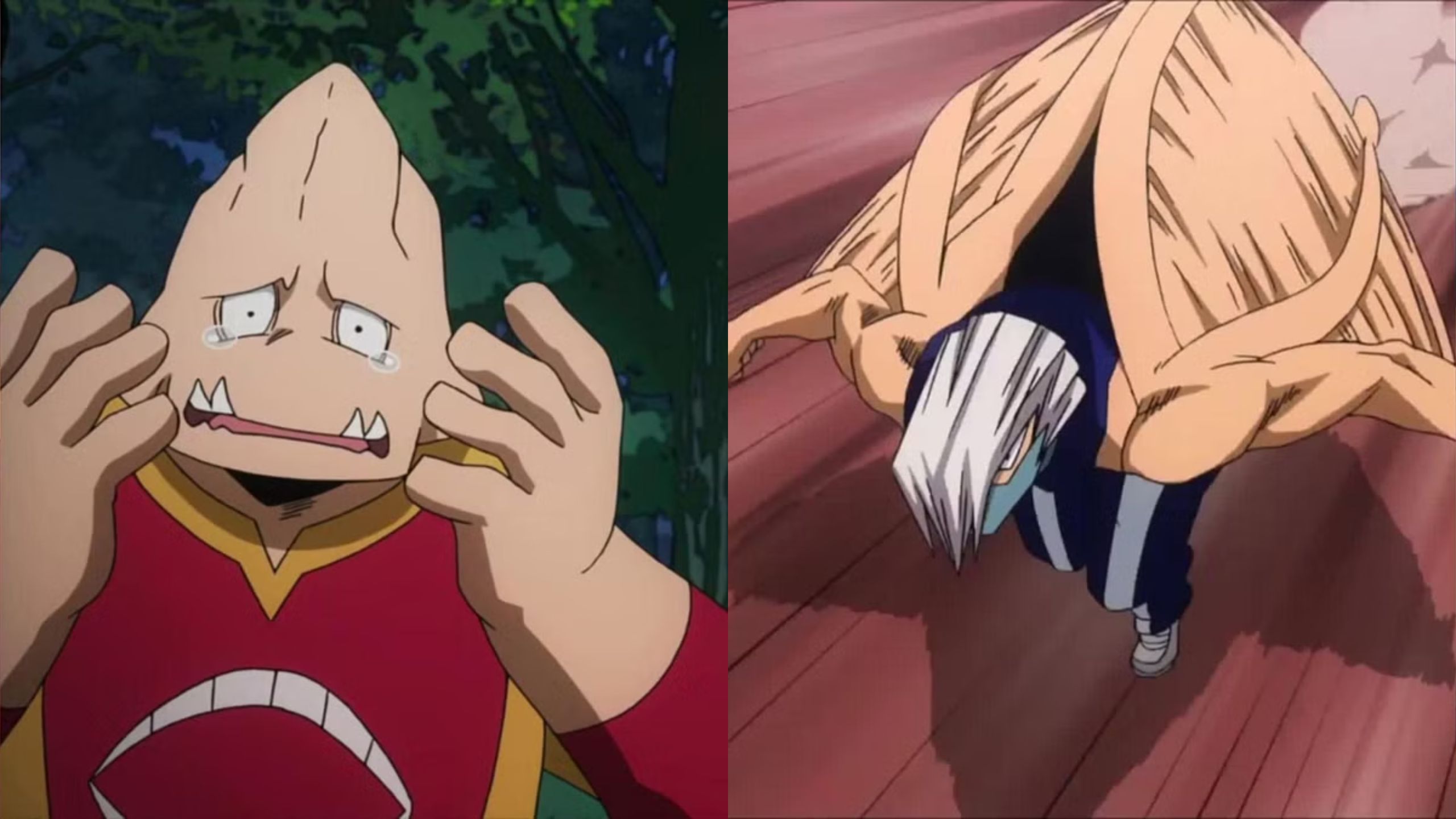
Shoji And Spinner (Bones)
This would be a significant and relevant issue, as discrimination based on appearance or inherent traits would likely be a major challenge in a world where people are born with such different abilities.
However, before this storyline, discrimination based on physical appearance was never a prominent theme in the series.
Neither Spinner nor Shoji had previously been depicted as experiencing prejudice or scorn for their looks, which makes this subplot feel abrupt and disconnected from the final narrative.
This plot point could have added a powerful layer to My Hero Academia, addressing a darker aspect of a Quirk-filled society and the biases that might exist in a world divided by various physical characteristics.
Yet, because this theme was introduced so late and without a prior foundation, it feels forced and underdeveloped, ultimately lacking the impact it could have had.
Shoji and Spinner’s struggle against societal prejudice could have been a significant subplot woven throughout the series, providing a window into how Quirk variety affects individuals on a social level.
Unfortunately, this theme of prejudice remains largely unexplored, leaving another gap in My Hero Academia’s world-building efforts.
Preferential Treatment and the Implications of Powerful Quirks
One of the core tenets of My Hero Academia is the importance of Quirks – or, rather, the societal value placed on certain types of Quirks.
The series makes it clear early on that some people, like Bakugo, are celebrated for their powerful Quirks, while others, like Izuku Midoriya, are shunned for their lack of one.
Izuku’s journey is marked by hardship and bullying precisely because he is Quirkless. This struggle forms the foundation of his character, highlighting the cruel reality of discrimination based on one’s Quirk status.
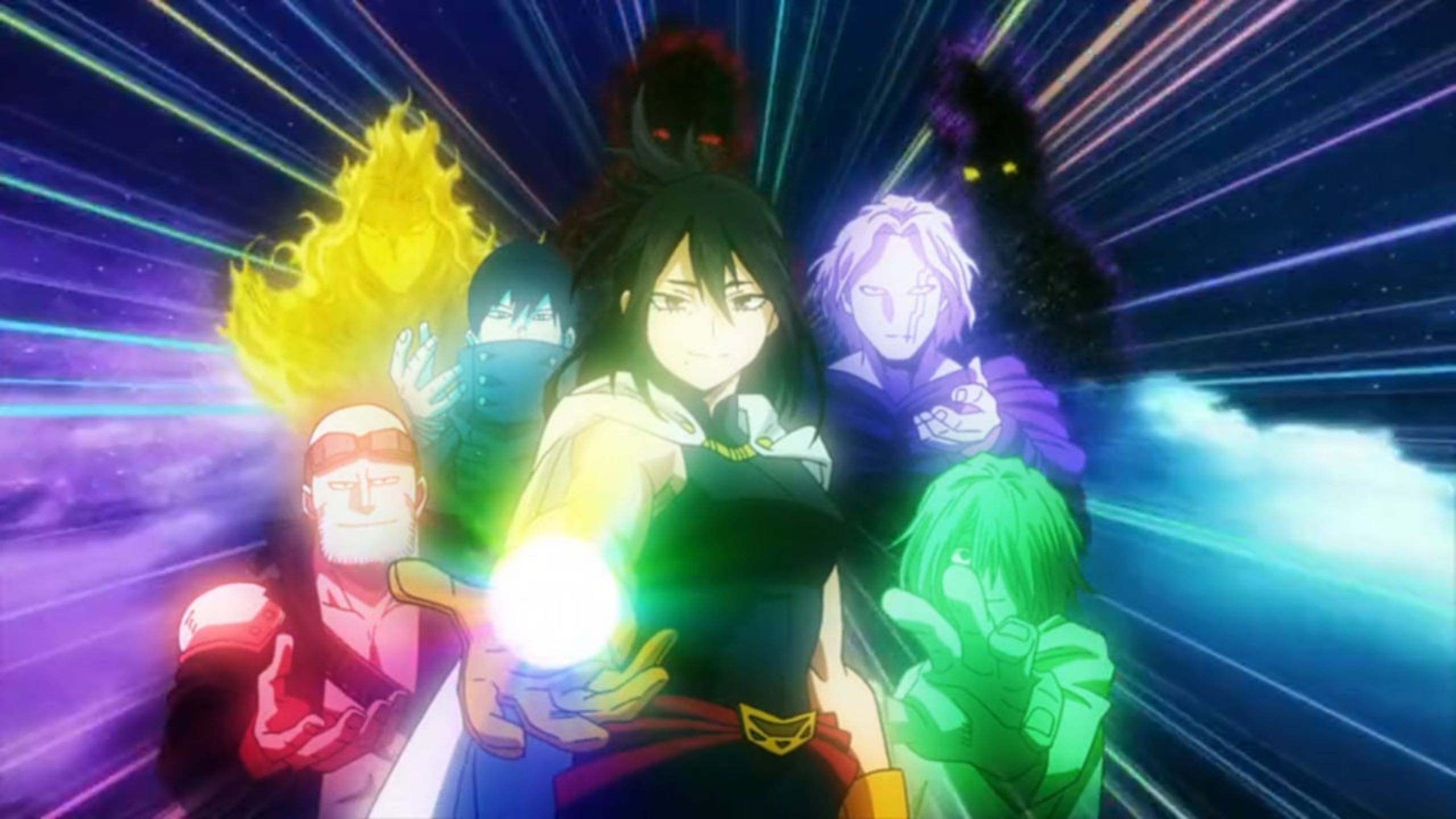
Previous One For All Users (Image Via Bones)
However, despite the emotional weight of this issue, it remains somewhat unresolved by the end of the series.
In the epilogue, we see Izuku mentoring a young boy at UA who is also struggling with being Quirkless.
Although this scene implies a continuation of Izuku’s journey to help those facing the same hardships, it doesn’t truly address or change the societal system that values individuals based on the power of their Quirks.
The deep-seated prejudice against Quirkless individuals, which had been such a central theme at the start, is left without a satisfying resolution.
Society, it seems, remains largely unchanged, and there is no real indication that Quirk discrimination has been addressed on a systemic level.
This is another instance where Horikoshi introduces a compelling social issue but fails to explore its broader implications or provide a meaningful solution, leaving readers feeling as though the storyline lacks completion.
The Compression of Time: How the Series’ Chronology Feels Rushed
Another aspect that undermines My Hero Academia’s world-building is the condensed timeline within which the story takes place.
Most of the series unfolds within Deku’s first year at UA, a highly condensed period that includes his journey from a Quirkless boy to one of the most powerful young heroes in training.
While Deku’s growth and progression are undeniably inspiring, the timeline’s brevity creates a sense of rush, making it difficult for the audience to fully grasp the enormity of his development and the changes within hero society.
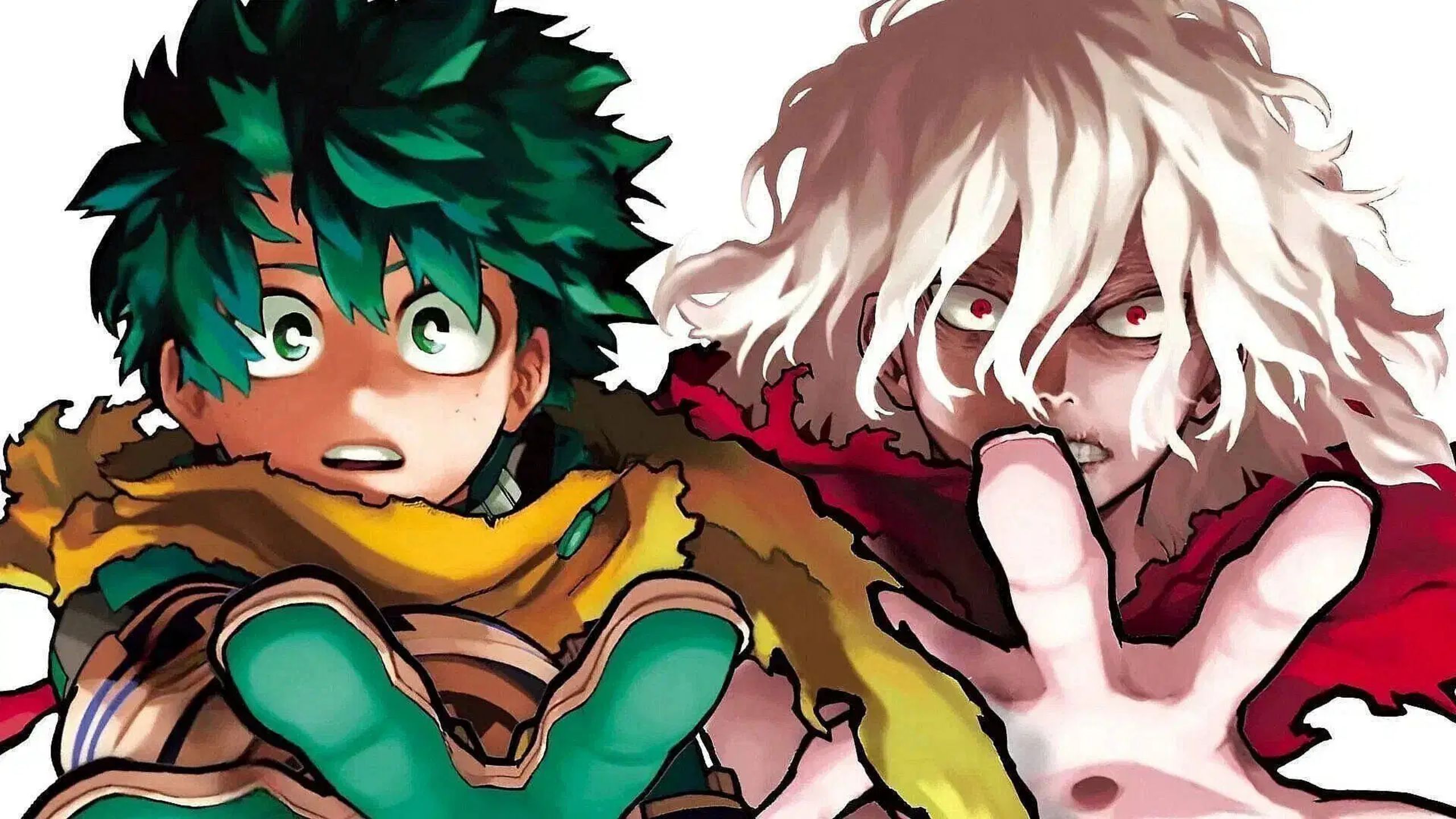
Deku and Shigaraki (Bones)
Deku spends a single year training under All Might, preparing for the rigorous journey ahead. This brief span, coupled with the sudden time-skip in the final chapter, leaves the storyline feeling hurried.
A longer timeline, spanning multiple years, might have allowed for a more organic exploration of the characters and their growth, as well as a deeper jump into the world around them.
By compressing the narrative into such a short period, Horikoshi sacrifices the opportunity for a more gradual, realistic unfolding of events, making the characters’ progress and societal changes feel somewhat rushed and lacking depth.
Shadows of the Hero Commission: Unexplored Government Influence in Hero Society
One of the more intriguing aspects of My Hero Academia is the Hero Public Safety Commission, a government organization that oversees the activities of heroes.
This commission wields significant influence over heroes, even going so far as to enlist individuals like Hawks and Lady Nagant to carry out morally dubious tasks in the name of public safety.
The commission’s role hints at a darker side of hero society, one that involves surveillance, manipulation, and morally ambiguous decisions that are kept hidden from the public eye.
However, the story never fully explores the extent of the commission’s power or the ethical dilemmas that accompany its actions.
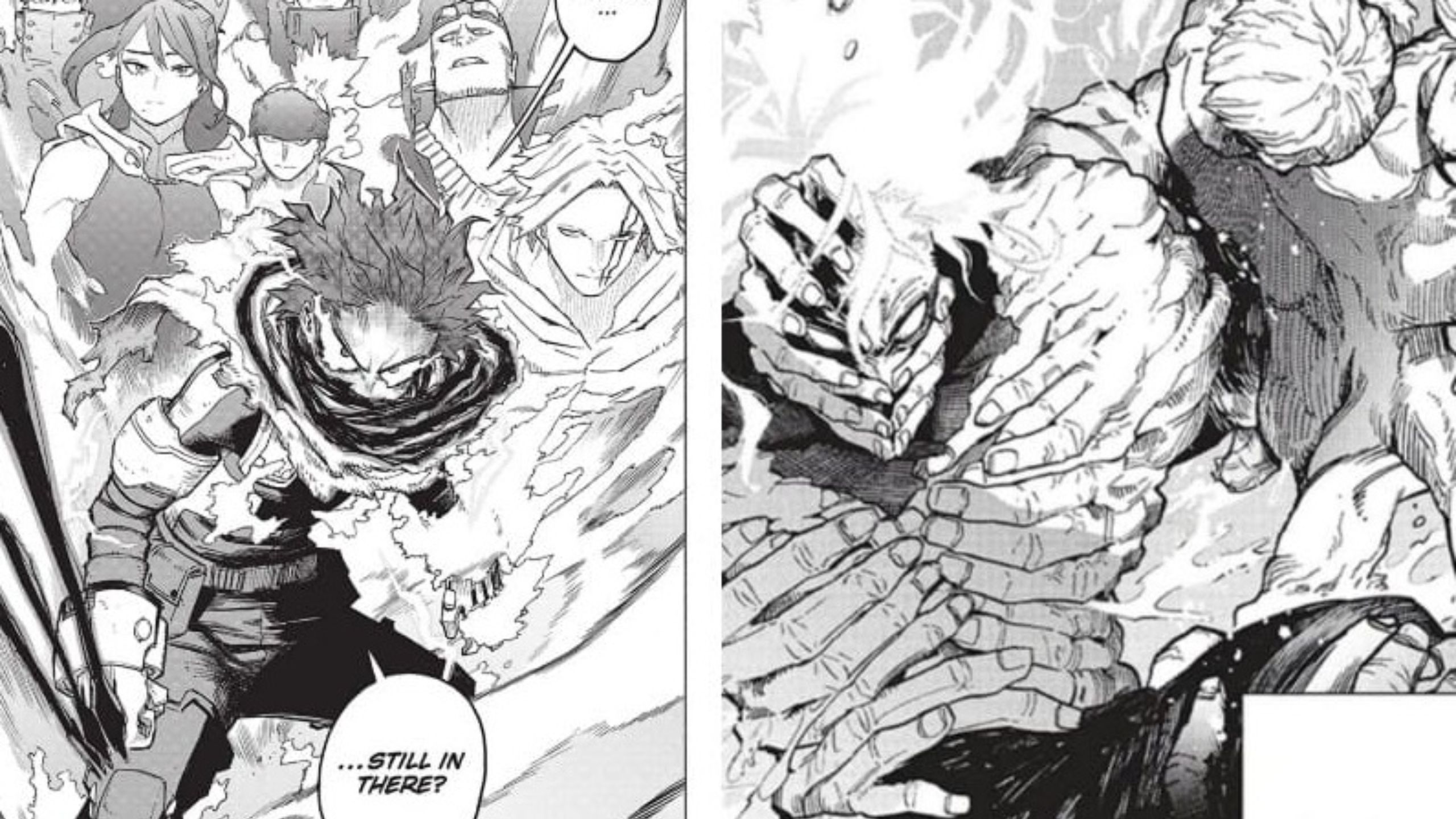
Deku And All For Onces From My Hero Academia (Bones)
Characters like Hawks and Lady Nagant offer a glance into this side of hero society, but the series stops short of investigating how these morally questionable actions impact the broader society or how they influence public perception of heroes.
The government’s role in hero society remains largely unexplored, leaving another avenue of world-building underdeveloped.
By failing to go deeper into the Hero Public Safety Commission’s influence, My Hero Academia misses the opportunity to explore the complex relationship between power, heroism, and government oversight.
International Heroes and the Lack of a Global Perspective
In a world where powerful villains like All For One pose a threat to humanity, it would stand to reason that heroes from around the globe would band together to combat such dangers.
Yet, despite the global implications of the series’ conflicts, international heroes play a surprisingly minor role in My Hero Academia.
The introduction of Star and Stripe, an American hero who briefly assists in the fight against All For One, suggests the existence of a global hero community.
However, her swift exit from the story and the lack of involvement from other international heroes leave this aspect feeling underdeveloped.
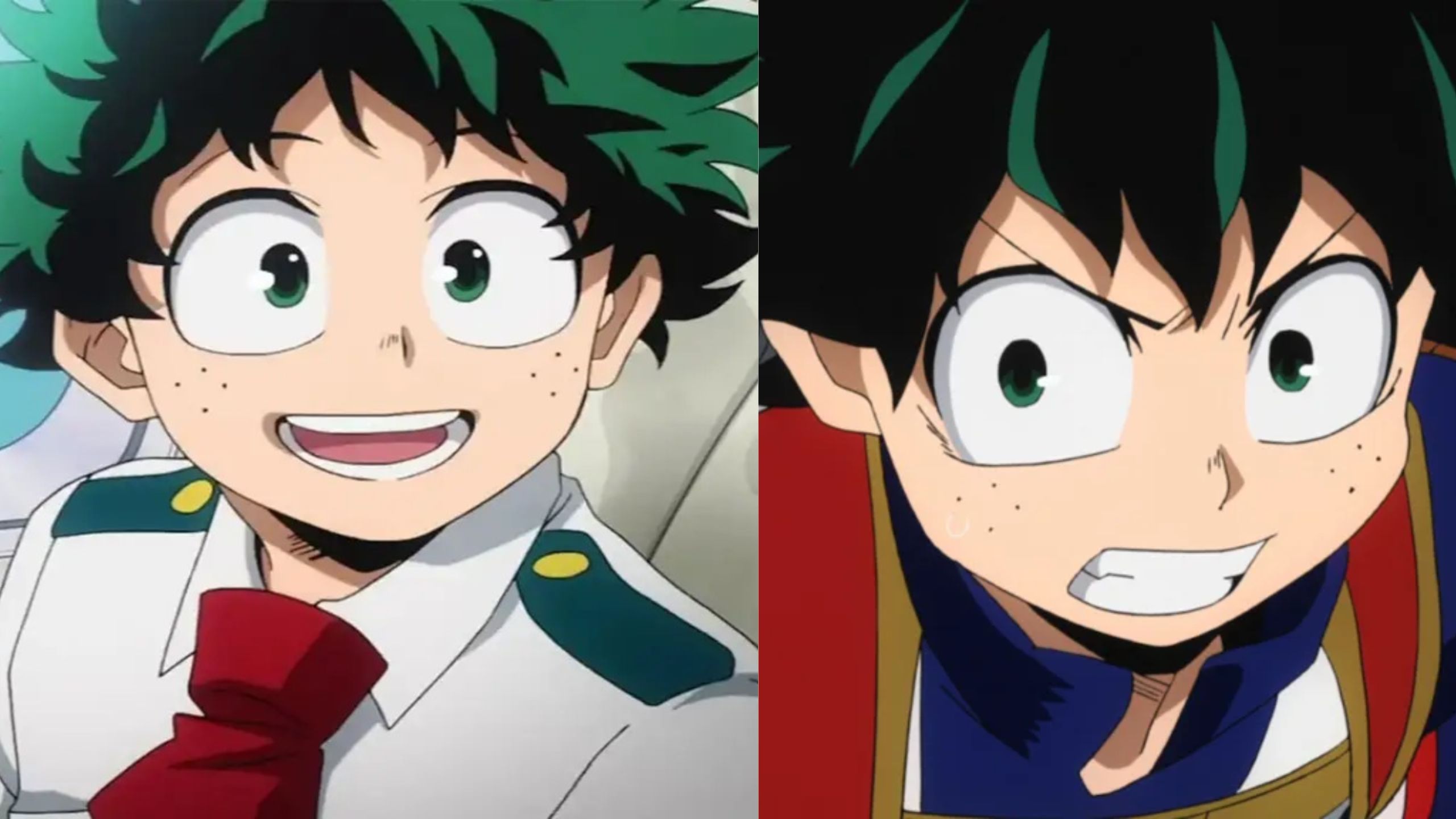
Deku From My Hero Academia (Crunchyroll)
Considering that All For One represents a worldwide threat, it is puzzling that no other heroes from outside Japan play a significant role in the final battle.
The lack of international collaboration or even acknowledgment of a global hero network feels like a missed opportunity to expand the world of My Hero Academia beyond Japan’s borders.
By not exploring the impact of international heroes or the possibility of a global hero alliance, Horikoshi limits the scope of his story, reducing what could have been an epic worldwide conflict to a primarily local struggle.
Reflecting on the Legacy of My Hero Academia
There is no doubt that My Hero Academia has been a massive commercial and cultural success.
Its characters, action sequences, and emotional arcs have resonated with fans worldwide, making it one of the most popular anime and manga series of the past decade.
However, the limitations in its world-building, particularly the failure to fully develop the rich, complex universe that was hinted at, have left a lasting impression on fans and critics alike.
The series presented several intriguing concepts, from the commercialization of heroism to the social issues surrounding Quirk discrimination, yet it stopped short of fully realizing these themes.
In the end, while My Hero Academia attracted the audiences with its action-packed storyline and inspiring character journeys, its world feels incomplete.
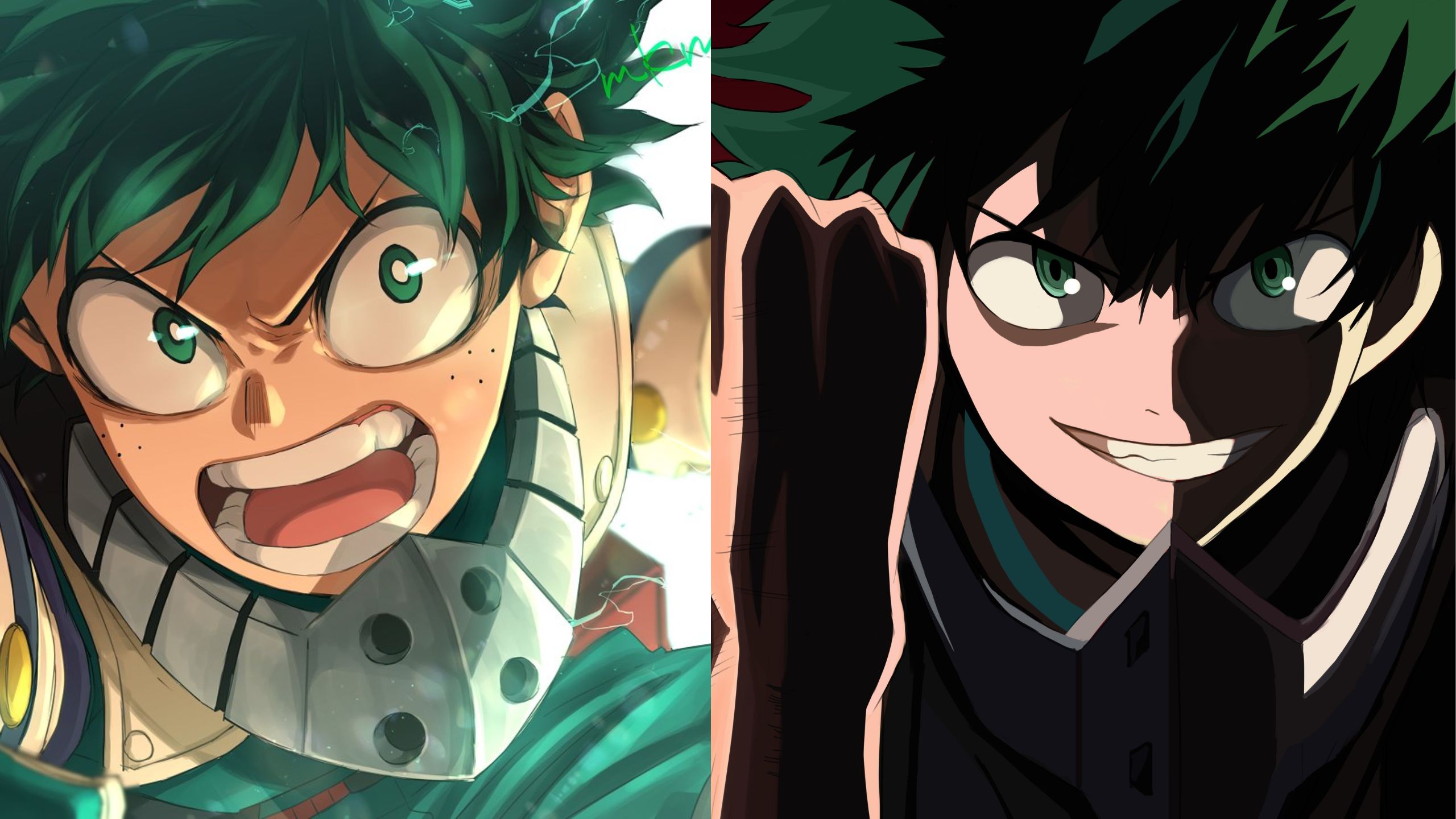
Deku – Manga Reference (Image via Shueisha)
The potential for a deeper, more nuanced exploration of hero society remains untapped, leaving fans with lingering questions about what could have been.
Horikoshi crafted a vibrant and dynamic world, but by focusing primarily on combat and hero-villain confrontations, he left many of the series’ most thought-provoking ideas underdeveloped.
My Hero Academia may have concluded, but the legacy of its unrealized potential endures, a reminder of the power of world-building and the impact of a story that dares to jump into the complexities of the world it creates.
Endeavor, or Enji Todoroki, has emerged as one of My Hero Academia’s most complex and controversial characters.
Over the course of the series, Endeavor’s journey has attracted and frustrated fans in equal measure, prompting heated debates and passionate discussions across the fandom.
Now that the series nears its ending, the arguments over his character’s worth and impact are as intense as ever.
Horikoshi’s portrayal of Endeavor is multilayered, and his complex arc has revealed deep divisions within the fanbase, where fans find themselves either championing his growth or condemning his past actions as unforgivable.
This internal struggle within the fandom is testament to the effectiveness of Horikoshi’s character work, as he masterfully creates a character that defies easy classification.
Some fans admire the boldness Horikoshi shows by giving Endeavor such a morally gray journey.
In a genre where heroes are typically painted as morally pure, Endeavor represents a figure with significant flaws, someone who has made grave mistakes but still strives to become better.
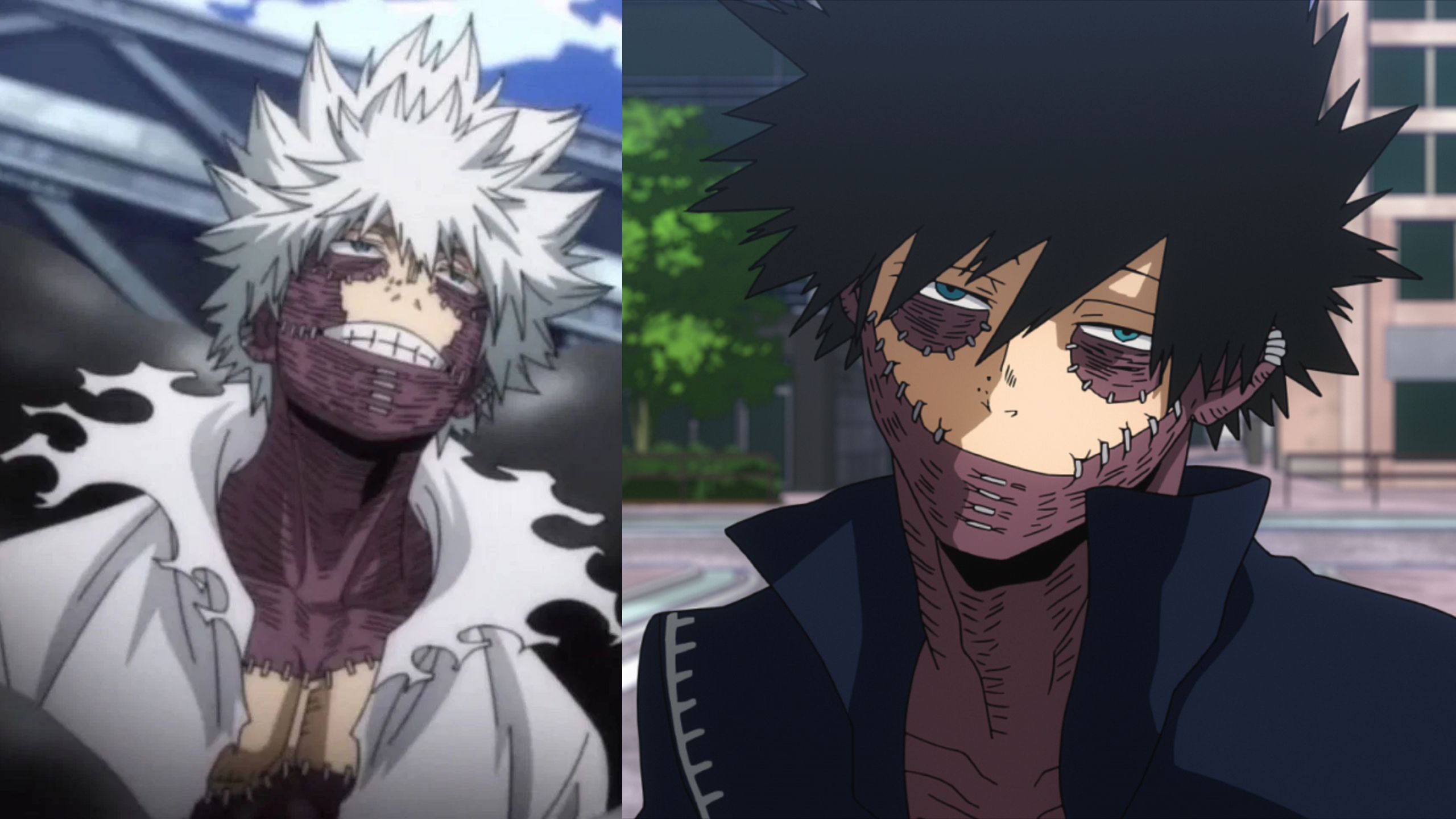
Dabi From My Hero Academia (Studio Bones)
For those who appreciate his arc, Endeavor’s character adds a layer of realism to My Hero Academia, making the series more than just a story about superheroes but a complex narrative on humanity’s potential for both harm and growth.
On the other side, however, a large portion of the fanbase finds it incredibly difficult to accept Endeavor’s path to redemption.
To them, the trauma he inflicted on his family is far too severe to be easily forgotten or forgiven.
Despite his attempts to change, these fans argue that certain actions are unforgivable, particularly the abuse he directed at his own family.
They believe that no amount of growth or redemption can erase the emotional scars he left behind.
For these fans, the very idea of a redemption arc for Endeavor feels like a dismissal of the pain he caused, an attempt to wash away the consequences of his actions without adequately addressing them.
The Dark Legacy of Endeavor in My Hero Academia
Endeavor is introduced in My Hero Academia not as a pure-hearted hero but as a figure deeply entrenched in personal ambition and moral flaws.
As the number two hero, he is consumed by an obsessive drive to surpass All Might, the symbol of peace, and become the top hero.
This fixation leads him down a dark path, where his pursuit of power and glory comes at a devastating cost to his family.
Endeavor’s ambition is not tempered by compassion or humility; instead, it manifests as ruthlessness and control, particularly over his wife and children.
His treatment of his family is severe, pushing them to their emotional and physical limits to satisfy his own desire to achieve greatness.
The effects of Endeavor’s ambition on his family are profound, with his son Shoto Todoroki bearing the brunt of his father’s harsh expectations.
#MyHeroAcademia Whether you love him or hate him, Endeavor is undoubtedly one of the best characters in the series The flow of his growth feels so natural and his characterzation has come to have a vast multitude of layers etched in pic.twitter.com/LUGAp4ewcJ — ZheroG (Re-Edition 🔁 ) (@glennster2363) September 28, 2024
Shoto is born with a unique quirk that combines his father’s fire abilities and his mother’s ice powers, making him the “perfect” successor in Endeavor’s eyes.
However, Endeavor’s abusive treatment of Shoto throughout his childhood traumatizes the boy and leaves deep psychological scars.
Shoto grows up resenting his father, feeling like a tool rather than a person, molded and used for Endeavor’s personal ambitions.
The series shows how this abusive behavior affects Shoto’s self-identity and his relationships with others, casting a long shadow over the Todoroki family.
Horikoshi does not shy away from depicting the darker side of Endeavor’s character, and this is a significant part of why he remains controversial.
His treatment of his wife, Rei, is also heartbreaking, as she suffers under his oppressive expectations, leading her to a mental breakdown.
Endeavor’s actions leave Rei hospitalized, separating her from her children and leaving a deep wound in the family.
For many fans, these scenes of familial abuse are difficult to watch and leave an indelible impression of Endeavor as a figure of destruction rather than a hero.
Horikoshi’s portrayal of Endeavor raises difficult questions about whether redemption is possible for someone who has committed such serious wrongs.
Is there a point where someone’s actions are so harmful that redemption is no longer an option?
For some fans, the answer is a resounding yes, and they feel that My Hero Academia may be failing to fully address the gravity of Endeavor’s actions.
For others, however, Endeavor’s attempts to atone for his past represent a powerful journey of self-reflection and growth that enriches the story.
Endeavor’s Redemption Arc: A Bold and Controversial Choice
As My Hero Academia progresses, Horikoshi takes a daring step by jumping into Endeavor’s redemption arc.
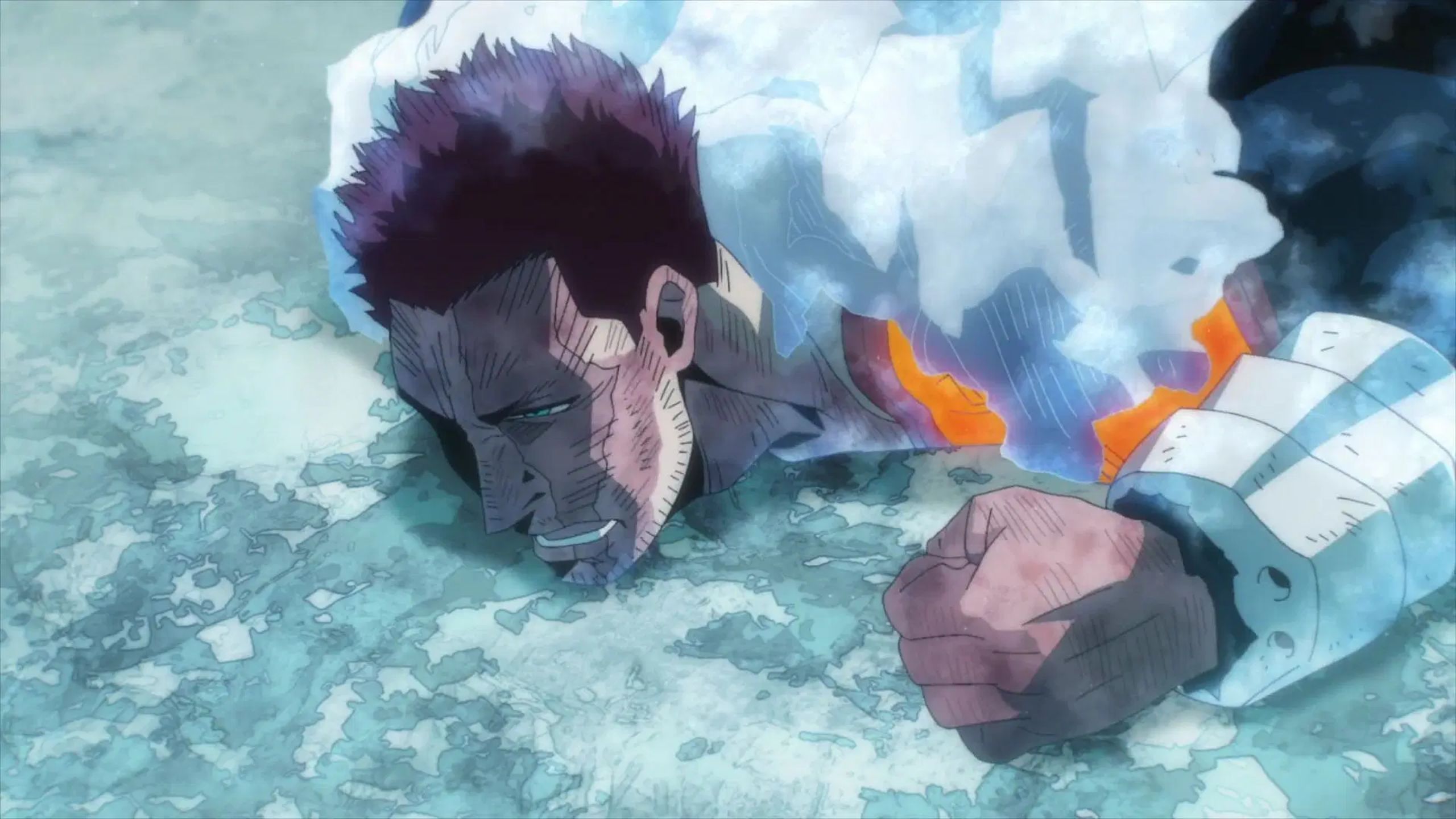
Endeavor After His Fight With Dabi In Season 7 Episode 19 In My Hero Academia (Bones)
Unlike traditional heroes, who may face obstacles but maintain a core of goodness, Endeavor’s character is rife with guilt, regret, and moral ambiguity.
His journey toward redemption is fraught with difficulties, as he grapples with his own demons and attempts to confront the consequences of his actions.
This makes Endeavor’s story arc one of the most intricate in the series, challenging both the character and the audience to confront the uncomfortable reality of his past.
Endeavor’s attempts at redemption are portrayed with a degree of complexity that reflects Horikoshi’s skill as a storyteller.
Endeavor does not undergo a rapid or miraculous transformation; instead, his progress is gradual and filled with setbacks.
He acknowledges the harm he has caused and expresses genuine remorse for his actions, taking responsibility for the pain he inflicted on his family.
His efforts to change are not born out of a desire to gain admiration or forgiveness from others but stem from an internal drive to be a better person, both for himself and for his loved ones.
This introspective struggle adds a layer of realism to his character and makes his path to redemption feel grounded and genuine, even if it does not excuse his past behavior.
Despite these nuances, Endeavor’s redemption arc remains a point of contention for many fans. To them, the scars he left on his family cannot be healed through mere apologies or acts of heroism.
They argue that while Endeavor may have changed, the trauma he caused persists, leaving a lasting impact on his family members, especially Shoto.
In their view, My Hero Academia may not be giving enough weight to this trauma, focusing instead on Endeavor’s growth and leaving the victims of his actions without adequate closure.
On social media, particularly on platforms like X, fans express a wide range of opinions about Endeavor’s redemption.
Some fans praise Horikoshi’s handling of the character, arguing that Endeavor’s complexity makes him one of the most well-developed characters in the series.
They appreciate the depth of his struggle and the way his arc subverts traditional notions of heroism and redemption.
For them, Endeavor’s story is a reminder that even those who have made serious mistakes can strive to change, and that this journey is often painful and imperfect.
However, a significant portion of the fandom disagrees. For them, Endeavor’s actions are unforgivable, and no amount of self-improvement can erase the suffering he inflicted on his family.
This sentiment is echoed by one user on X, who commented, “Abusers don’t deserve redemption arcs; in real life, this never happens.”
This perspective reflects a belief that, in the real world, people like Endeavor rarely change, and giving him a redemption arc may feel unrealistic or even harmful.
“I wish MHA had more complexed characters” THERE ARE, BUT Y’ALL DON’T UNDERSTAND THEM https://t.co/osWNPBRjcl pic.twitter.com/CJNKWChqM8 — Lushi (@LushiSun10) November 13, 2024
Another fan voiced a contrasting opinion, stating,
“Omg, people are so blind. Endeavor has by far the best development in the show. But people have too much trauma to separate fiction from their own life and admit it.”
This comment suggests that some fans might be projecting their own experiences onto the character, making it harder for them to appreciate the nuance of his journey.
Unforgivable Past: Fan Reactions to Endeavor’s Story
Endeavor’s past actions cast a long shadow over his redemption arc, and for many fans, his attempts at change cannot erase the harm he has done.
The abusive behavior he exhibited towards his family is not something that can be easily forgiven, and his attempts to make amends, while significant, do not remove the pain he caused.
For these fans, the character’s past is an indelible part of who he is, and any efforts to redeem him feel insufficient in the face of the trauma he inflicted.
One fan on X voiced this perspective by stating,
“You can admit Endeavor is a complex character WHILE still hating him. Because he is well-written, and yes, he’s trying to atone, but I can still hate him. We hate him because of his complexity; if you don’t realize that, you’re just dumb.”
This comment summarizes the duality that many fans feel toward Endeavor.
They can recognize the depth of his character and appreciate the skill with which Horikoshi has developed him, but this does not mean they feel compelled to forgive him.
This viewpoint reflects a broader theme in My Hero Academia: the idea that people are not defined solely by their past mistakes, but neither can they escape them entirely.
Endeavor’s past remains a part of him, and even as he seeks to change, the effects of his actions continue to linger, both for him and for his family.
Fans who align with this perspective argue that Endeavor’s growth, while significant, does not erase the pain he caused, and they remain conflicted about whether or not he deserves redemption.
Horikoshi’s Exploration of Moral Complexity in My Hero Academia
Through Endeavor, Horikoshi tackles difficult questions about morality, accountability, and forgiveness.
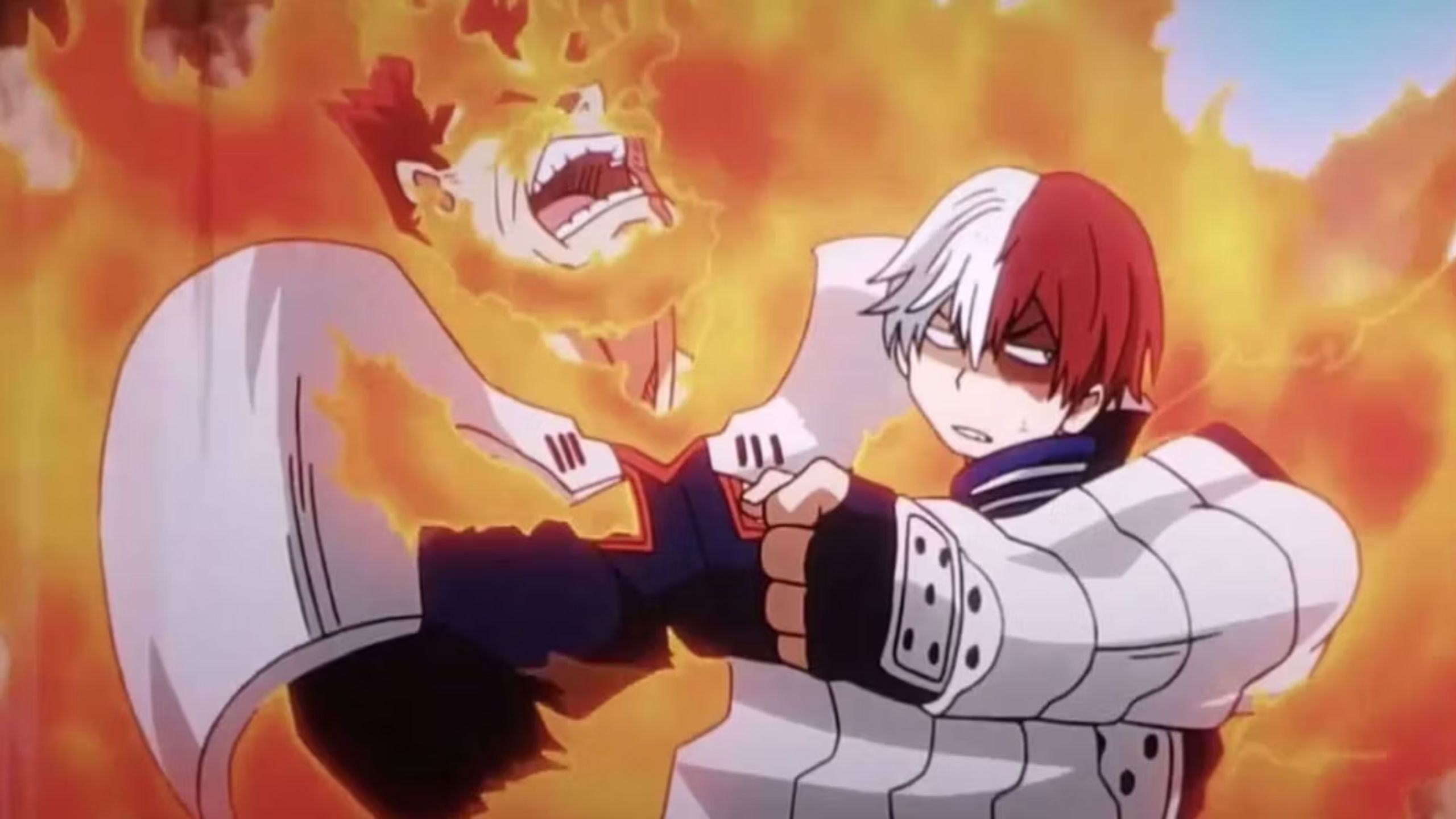
Shoto Todoroki And Endeavor From My Hero Academia (BONES)
Endeavor’s character serves as a vehicle for exploring these themes, challenging fans to consider the nature of redemption and whether it is truly achievable for someone who has caused significant harm.
This approach sets My Hero Academia apart from other series in the genre, which often portray heroes as paragons of virtue without addressing the more complicated aspects of human behavior.
Endeavor’s journey raises thought-provoking questions about what it means to be a hero and whether redemption is possible for someone who has committed serious wrongs.
Is it enough for Endeavor to change his behavior and seek to become a better person, or do his past actions forever define him?
Horikoshi does not provide easy answers to these questions, leaving it up to the audience to decide where they stand on Endeavor’s character.
This ambiguity is a hallmark of effective storytelling, as it encourages viewers to engage with the material on a deeper level and grapple with the moral complexities it presents.
However, this approach has also drawn criticism from fans who feel that Horikoshi may be overly sympathetic towards Endeavor.
They argue that the focus on his redemption arc detracts from the experiences of his victims, particularly Shoto, and may send a message that downplays the harm caused by abusive behavior.
These fans believe that My Hero Academia should place greater emphasis on the impact of Endeavor’s actions on his family and provide more resolution for those who suffered as a result of his behavior.
Horikoshi’s portrayal of Endeavor in My Hero Academia has sparked a passionate and ongoing debate among fans.
While some appreciate the complexity of his character and the depth of his redemption arc, others find his past actions unforgivable and feel that his journey toward atonement does not adequately address the trauma he inflicted.
This divide reflects the power of Horikoshi’s storytelling, as he creates a character that defies easy classification and challenges viewers to confront difficult questions about morality and forgiveness.
For some fans, Endeavor’s journey is a powerful story of growth and redemption, while for others, it is a reminder of the lasting consequences of abuse and the difficulty of forgiving those who have caused harm.
Dabi From My Hero Academia (Studio Bones)
As My Hero Academia approaches its ending, these conflicting perspectives will likely continue to shape the way fans view Endeavor and the series as a whole.
Horikoshi’s depiction of Endeavor captures the duality of human nature our capacity for growth and our tendency to repeat old mistakes.
For fans, this duality mirrors their own conflicted feelings toward Endeavor. Some see his flaws as a reflection of real-world complexity, while others view his redemption arc as insufficient for the pain he has caused.
As My Hero Academia approaches its ending, fans remain divided on how to interpret Endeavor’s journey.
The character’s arc serves as a reminder that even in a world of heroes, morality is not always black and white.
And while some fans may never forgive Endeavor, others may continue to admire his struggle for redemption, reflecting the lasting, complex impact of Horikoshi’s storytelling.
