Takopi’s Original Sin is among the most controversial mangas to ever grace Shōnen Jump, and now it’s being adapted into an anime. This story revolves around Takopi, an alien octopus sent to Earth with the mission of spreading happiness. However, when Takopi attempts to assist a troubled young girl named Shizuka, things spiral out of control. Takopi finds himself having to make drastic decisions to keep things from falling apart, resulting in a gripping and emotional narrative.
The manga stands out for its dark and thought-provoking storytelling, making it a unique piece in the Shōnen Jump lineup. Takopi’s Original Sin explores mature themes that are rarely seen in mainstream manga. Its mixture of innocence and tragedy provides a powerful reading experience, setting it apart from other stories. With the official announcement of the anime, fans of the manga are eager to see if the adaptation can live up to the expectations.
Takopi’s Original Sin: The Controversial Shōnen Jump Manga Gets an Anime Adaptation
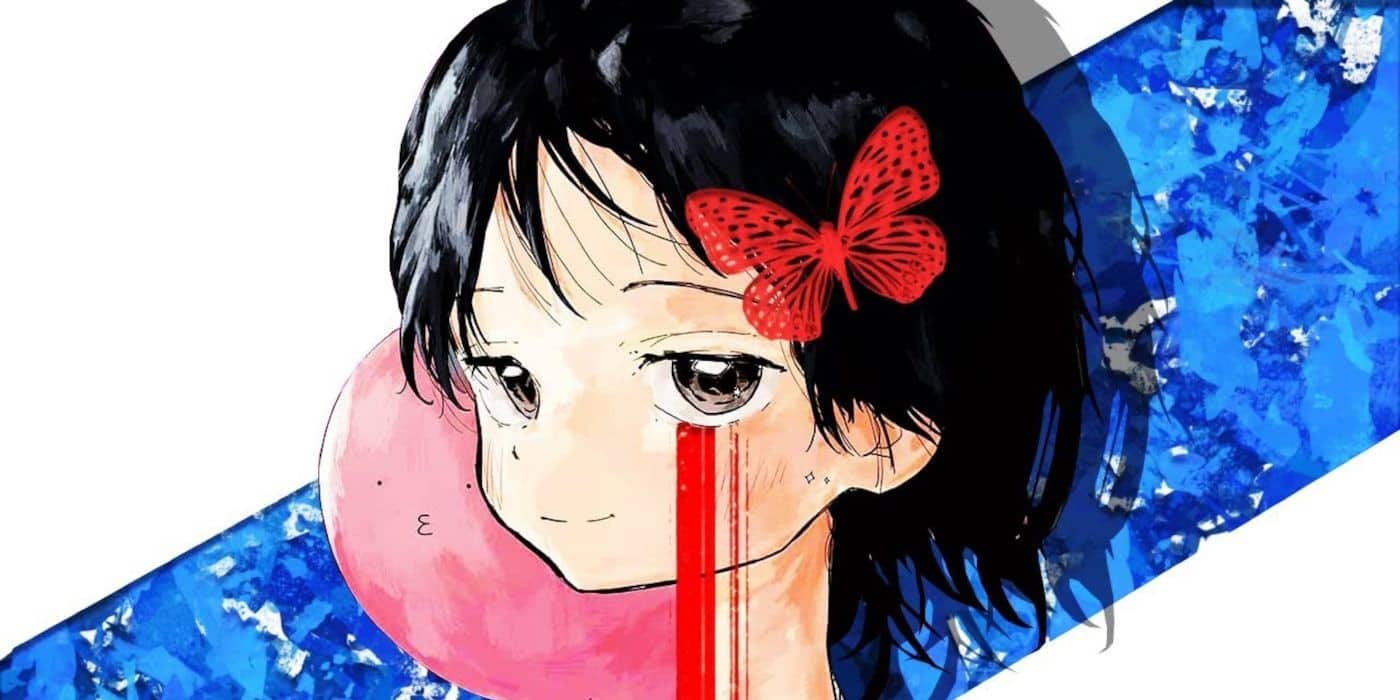
Takopi’s Original Sin
One of the reasons the manga is so controversial is its portrayal of heavy topics. Takopi’s Original Sin doesn’t shy away from sensitive subjects, including bullying, domestic abuse, and the mental struggles of children. The explicit depictions of depression and suicide, especially involving kids no older than ten, have made it both a challenging and revered story. Its raw and honest treatment of such issues has sparked debate, making it a polarizing read for many.
Despite its success, Takopi’s Original Sin is not for everyone. The deep and unsettling nature of the themes explored might be difficult for some to handle. For readers who are sensitive to dark, real-world problems, this manga may prove to be too intense. Nonetheless, its success and ability to provoke thought are undeniable, and the upcoming anime adaptation will likely spark even more conversations about its controversial content.
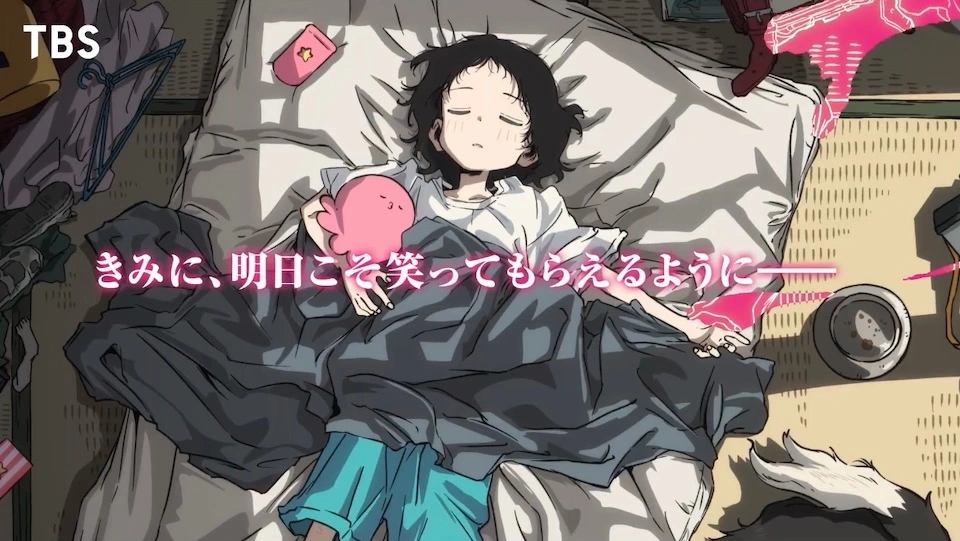
Takopi’s Original Sin
The anime adaptation of Takopi’s Original Sin also provides a much-needed redemption for its creator, Taizan 5. After the failure of The Ichinose Family’s Deadly Sins, which faced a disappointing reception due to poor pacing and confusing storylines, Takopi’s Original Sin stands as a testament to Taizan 5’s talent. The anime will give fans the opportunity to rediscover the brilliance of his storytelling and remind the world of his capabilities as a manga creator.
In the wake of The Ichinose Family’s Deadly Sins cancellation, the anime adaptation of Takopi’s Original Sin is a chance for Taizan 5 to regain his reputation. While his recent work was met with disappointment, Takopi’s Original Sin continues to hold a special place in fans’ hearts. Its anime adaptation could very well become one of the standout series of the year, depending on how well it is handled. The manga’s unique themes and compelling characters have already earned it a dedicated following, and the anime is poised to expand its reach even further.
Season 2 of Blue Lock, Kodansha’s popular sports anime, has stirred controversy since its October debut, with many fans expressing disappointment over what appears to be a significant drop in animation quality. Concerns have centered around inconsistent animation, awkward 3D models, and stilted scenes, which have led to heated discussions on social media. However, Blue Lock producer Ryoya Arisawa defends the changes, attributing them to the need for the anime to reflect the new setting and style introduced in Season 2.
According to a recent press release from 33 USA, Blue Lock anime studio Eight Bit gave fans a chance to submit questions to Arisawa via the series’ official Instagram. During this Q&A, Arisawa explained that the stylistic shifts in Season 2 were designed to accommodate a new stage for the characters.
Blue Lock Season 2 Faces Backlash Over Animation Quality Despite Producer’s Defense
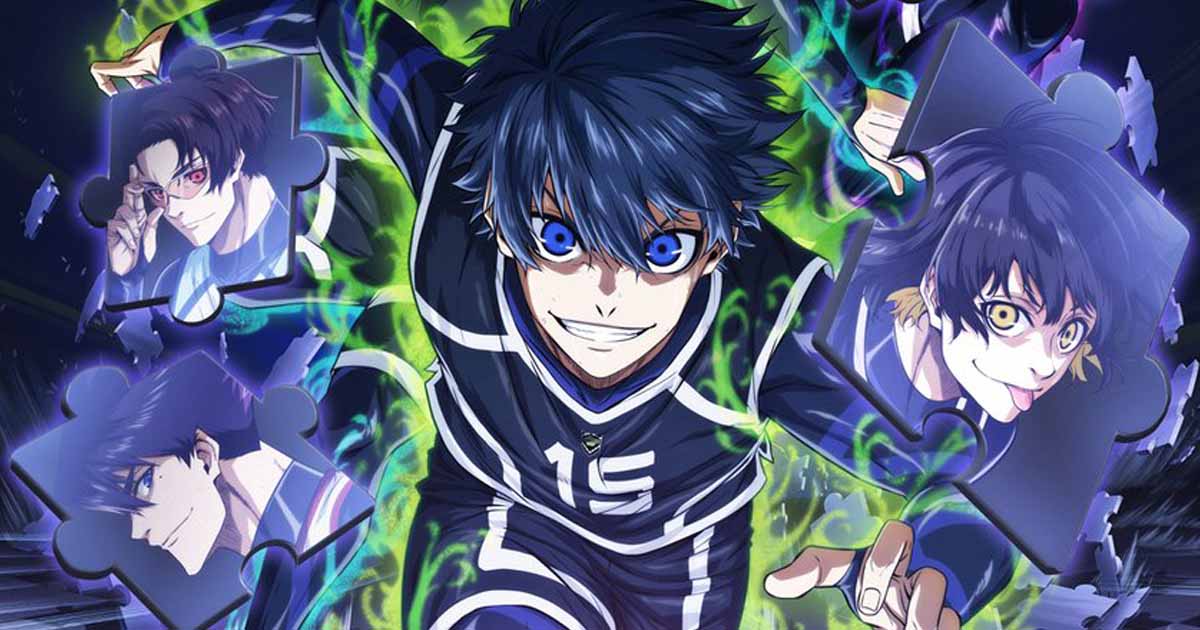
Blue Lock
“Having battled exclusively within a closed facility until now, the characters will, for the first time, battle on a grand stage that captures the attention of all of Japan,” Arisawa said. This change in setting required a shift in animation techniques, including increased depictions of the outside world and the audience. Arisawa also mentioned that the feedback from Season 1 influenced improvements in aspects like monitor work, imagery sequences, and aura effects, which should be noticeable in the new animation style.
Despite Arisawa’s detailed explanation, the fan reaction to the animation changes has been mostly negative. Social media posts frequently highlight issues like characters or objects “sliding” motionless across the screen in scenes that are meant to show action, and the frequent use of stills has been met with frustration. This criticism is not new, as veteran animators such as EVAKOI, who worked on Season 1, have previously pointed out the challenges of animation production. EVAKOI shared that many of their layout cuts for Season 1 were reduced to still images due to limited production time and resources.
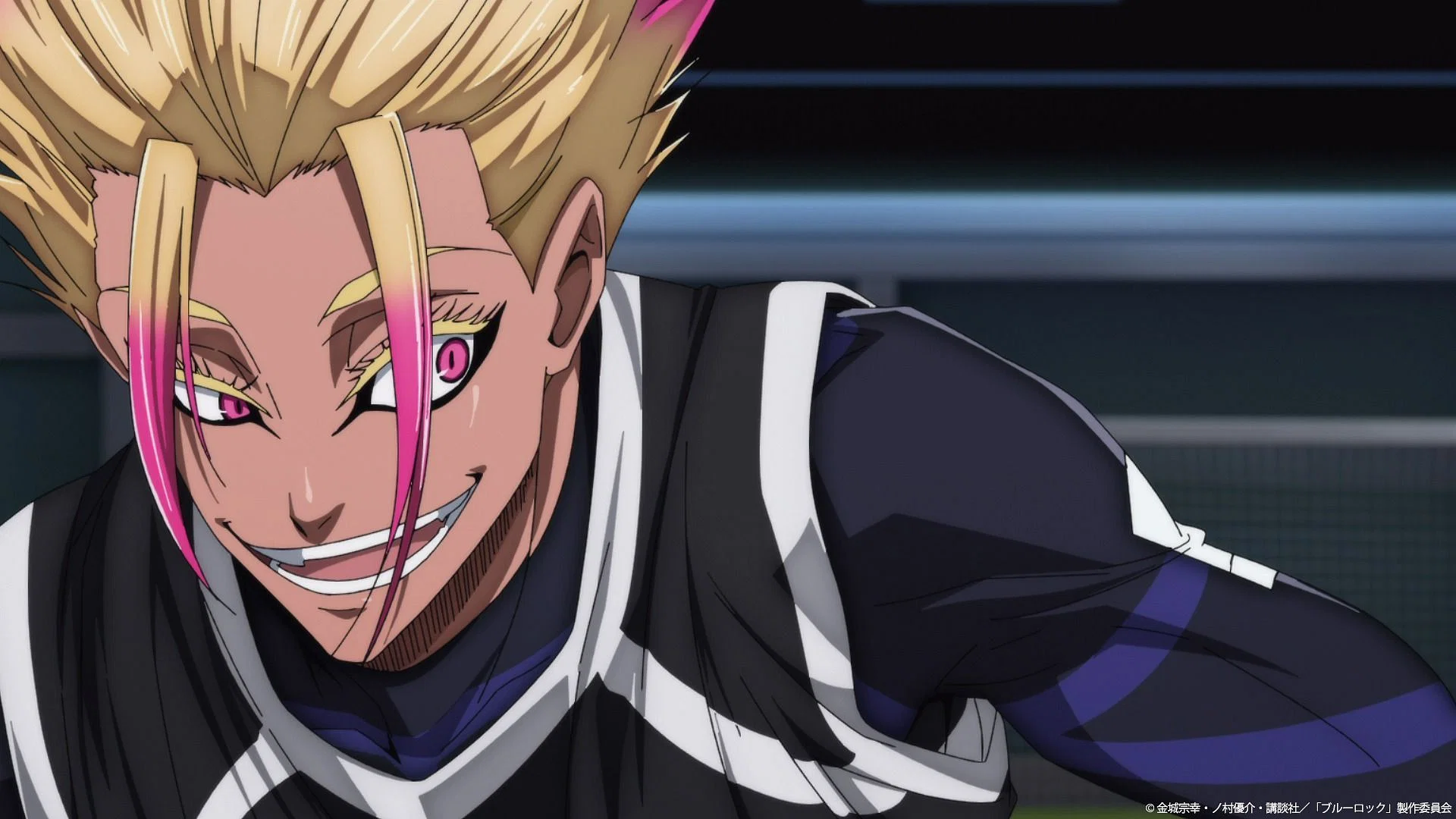
Blue Lock season 2 episode 2 still
The challenges of anime production, particularly for television, are well-known. Strict production quotas and long hours often result in shortcuts, but Arisawa has denied that Season 2’s animation issues are due to these factors. When asked if he was satisfied with the anime as a whole, Arisawa admitted he was “far from satisfied” with the final product. He explained that the essence of Blue Lock is about characters striving for self-improvement without ever feeling completely fulfilled. This mindset extends to him and the entire production team, as they aim to continuously improve in their work on the anime.
Blue Lock is currently adapting the ongoing U-20 arc from the original manga by Muneyuki Kaneshiro and Yusuke Nomura. This arc is focused on the exciting match between the Blue Lock Eleven and Japan’s National Soccer team. Fans are eagerly awaiting the two-part season finale, set to premiere on December 28. With the growing discontent surrounding the animation, it remains to be seen whether the final episodes will satisfy the critics.
