The conclusion of The Prestige offers a remarkable resolution to the otherwise complex and twist-filled narrative. By the end of the film, the mystery surrounding the magicians, Alfred Borden and Robert Angier, comes full circle, shedding light on their dangerous rivalry and the cost of perfection. This breakdown not only reveals the magic behind their illusions but also explores the core themes of obsession, sacrifice, and the pursuit of mastery.
The Prestige Ending Explained
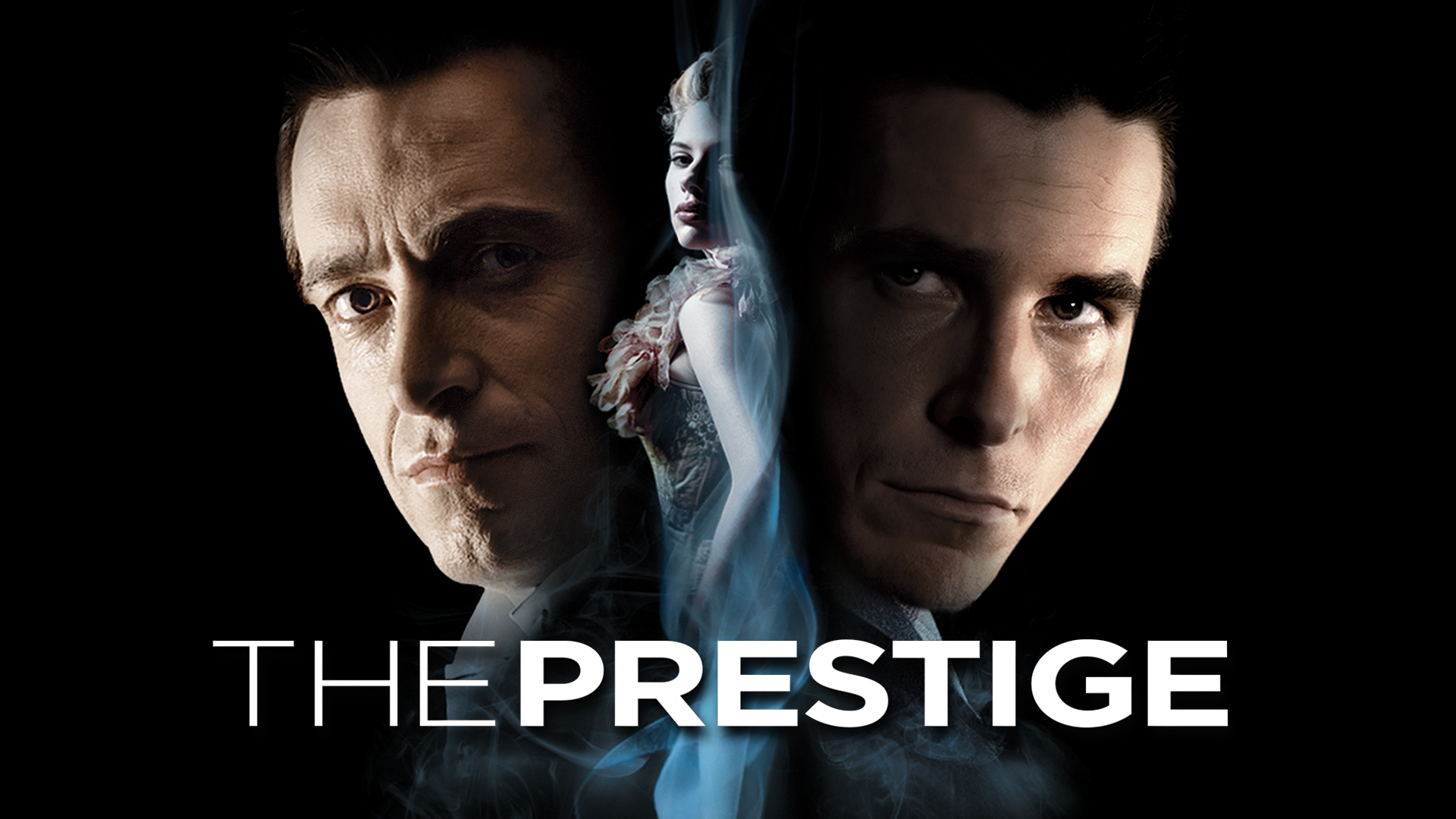
The Prestige (Image via Getty)
At its heart, The Prestige is about the obsessive rivalry between two magicians: Alfred Borden (played by Christian Bale) and Robert Angier (Hugh Jackman). Their intense competition stems from a tragic event—Angier blames Borden for his wife’s death, setting them on a destructive path. This rivalry grows as they both attempt to outdo each other’s magic tricks, especially the elusive Transported Man . Their journey dives deep into stage magic, where illusion and deception take center stage, but the consequences of this obsession are dire.
The Magical Feats: The Transported Man
Both magicians develop their own versions of The Transported Man , a trick where the performer seemingly teleports between two distant locations. Borden’s trick is grounded in simple deception, using his twin brother to switch places, while Angier seeks a more sophisticated method. His version, achieved with the help of the eccentric inventor Nikola Tesla (played by David Bowie), uses a machine to clone Angier, creating an illusion of teleportation. However, this comes with a dark price—the original Angier dies every time the trick is performed.
Angier’s Fatal Obsession
Angier’s obsession with mastering the trick leads him down a dark path. He is willing to sacrifice everything—including his own life—to outperform Borden. As the film reveals, each time Angier performs his version of The Transported Man , he is duplicated, and the original version dies, only for the new clone to take his place. This relentless cycle continues until the tragic and haunting finale. In the end, Angier’s quest for greatness costs him everything, reflecting the core theme of sacrifice for the sake of art and perfection.
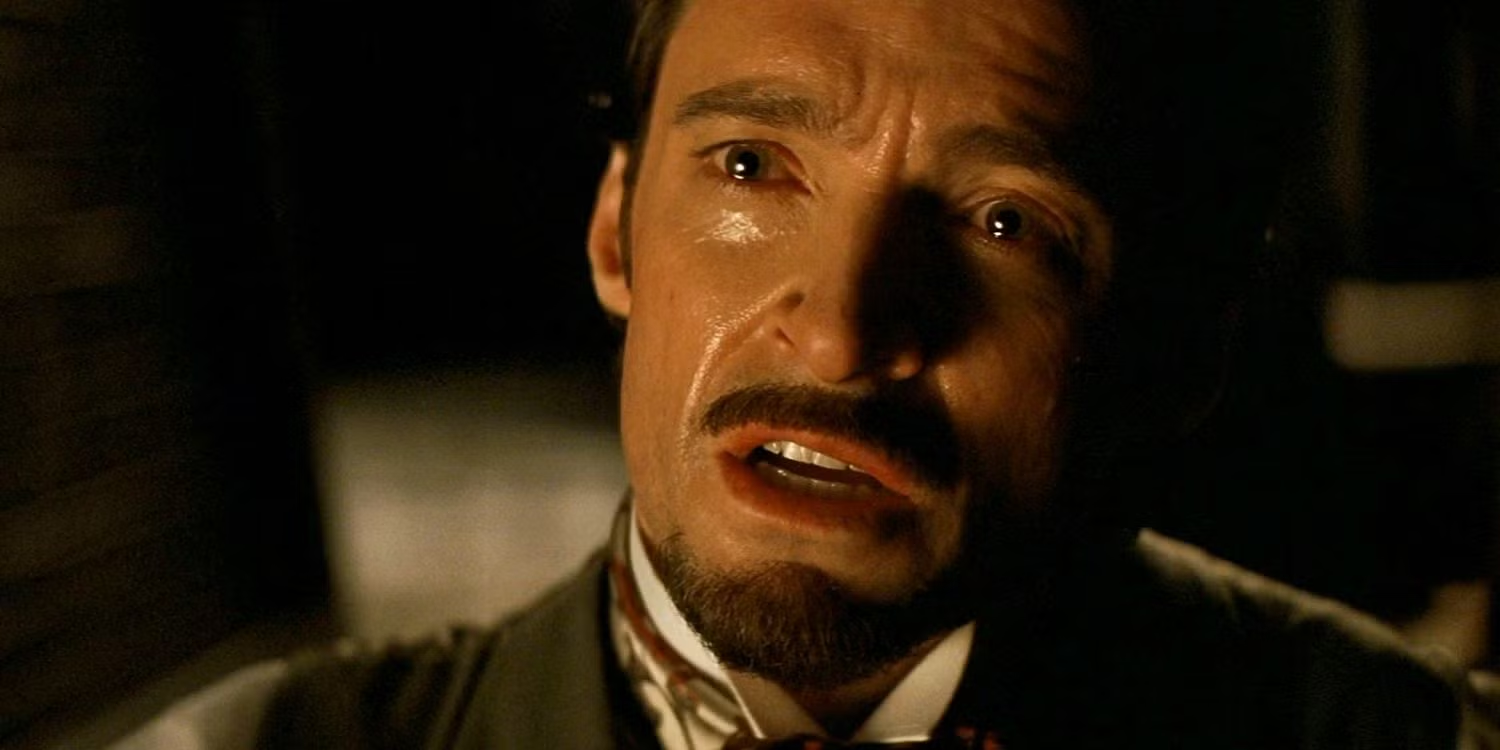
Angier (Image via Getty)
Borden’s Hidden Identity: The Twin Brothers
The film’s climax reveals the surprising truth behind Borden’s trick. Alfred Borden is not a single person, but two—identical twin brothers who share a life and a career. They take turns portraying Borden, with one living a domestic life while the other works in the magic industry. This dual existence allows them to pull off the trick, but it also forces them to make enormous personal sacrifices. The twins even endure physical harm to maintain the ruse, with one of them losing fingers in a gunshot accident, and the other intentionally maiming himself to match.
The final scenes of The Prestige bring Borden and Angier’s twisted rivalry to a head. Borden, having successfully pulled off his magic trick for years, finally reunites with his daughter after the tragic death of his brother. Angier, on the other hand, succumbs to his obsession, and his numerous clones are discovered. Borden’s love for magic is rooted in the craft itself, whereas Angier’s obsession is fueled by the need for external recognition. This difference in motivations drives their ultimate fates.
The Role of Art and Sacrifice in The Prestige
The film poses an essential question: What is the purpose of art? Is it for the love of the craft, or is it solely for the audience’s enjoyment? Borden represents the former, focusing on the art of magic rather than the glory that comes with it. Meanwhile, Angier is obsessed with the idea of being the best, willing to sacrifice his life, and even the lives of his clones, to achieve this goal. The Prestige ultimately examines how an obsession with perfection can lead to destruction, questioning the ethical boundaries an artist should cross in the pursuit of their craft.
The film’s intricate narrative structure plays a crucial role in building suspense. Directed by Christopher Nolan, The Prestige is told in a non-linear fashion, moving back and forth in time, often blurring the line between past and present. The opening scene shows a crucial moment in the story, only to quickly jump back in time to explore the events leading up to it. This disjointed storytelling mirrors the sense of mystery and confusion experienced by the characters and the audience alike.
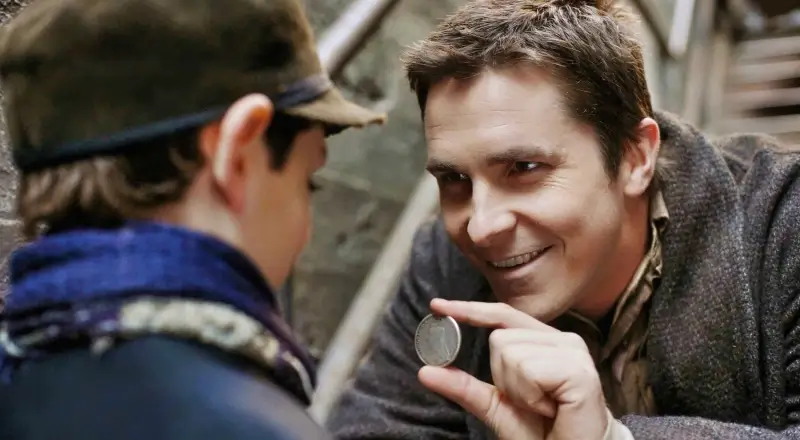
Alfred Borden (Image via Getty)
The Final Reveal and Twist
The final twist of The Prestige is one of the most memorable in cinematic history. Both magicians’ secrets are revealed in a harrowing and visually striking sequence. Angier’s death is shown, and it is revealed that every time he performs the trick, he essentially kills himself. Meanwhile, Borden’s true identity as a twin is uncovered, explaining how he pulled off his version of The Transported Man . This revelation solidifies the film’s core theme of the cost of perfection, as both men sacrificed their humanity in the name of their craft.
The Prestige is a meditation on the human cost of obsession and the lengths to which individuals will go to achieve greatness. Both Borden and Angier sacrifice parts of their identities for their craft, but in different ways. Borden’s dual identity as a twin brother speaks to the lengths one can go to maintain the illusion of perfection. Angier, on the other hand, is willing to die over and over again to achieve his goal. In the end, the film leaves viewers questioning the boundaries between personal sacrifice and artistic fulfillment.
The Ending’s Emotional Impact
The emotional impact of The Prestige is amplified by its devastating ending. The final moments, showing Borden’s reunion with his daughter, contrast sharply with the discovery of Angier’s many clones, underscoring the emotional toll of their rivalry. The film’s conclusion highlights the deep sacrifice both magicians made in their pursuit of perfection and the tragic cost of their obsessions.
Critical Reception and The Twist Debate
When The Prestige was released, it received mixed reviews, particularly concerning the ending. While some critics praised the film’s intricate storytelling and the surprising twist, others felt that it cheated the audience. However, The Prestige was largely appreciated by viewers for its emotional depth and the masterful execution of its narrative. The film remains one of Christopher Nolan’s most complex and thought-provoking works, with its ending standing out as one of the most surprising in modern cinema.
The Graduate, a landmark coming-of-age film from 1967, portrays the life of Benjamin Braddock, a young man in the midst of a quarter-life crisis. The film humorously critiques suburban life while examining the struggles of young adulthood. Its ambiguous ending has left many wondering about the fate of its characters. The conclusion explores impulsive choices and their lasting effects, blending sweetness with underlying bitterness.
The Graduate Ending ExplainedAbout The Graduate
The Graduate follows Benjamin Braddock, played by Dustin Hoffman, an aimless young man who returns home after graduating from college. Just short of his 21st birthday, Benjamin seems lost, floating through life without direction. He begins an affair with Mrs. Robinson, a much older family friend, portrayed by Anne Bancroft. However, despite his indifference, Benjamin becomes entangled in an affair that complicates his already uncertain existence.
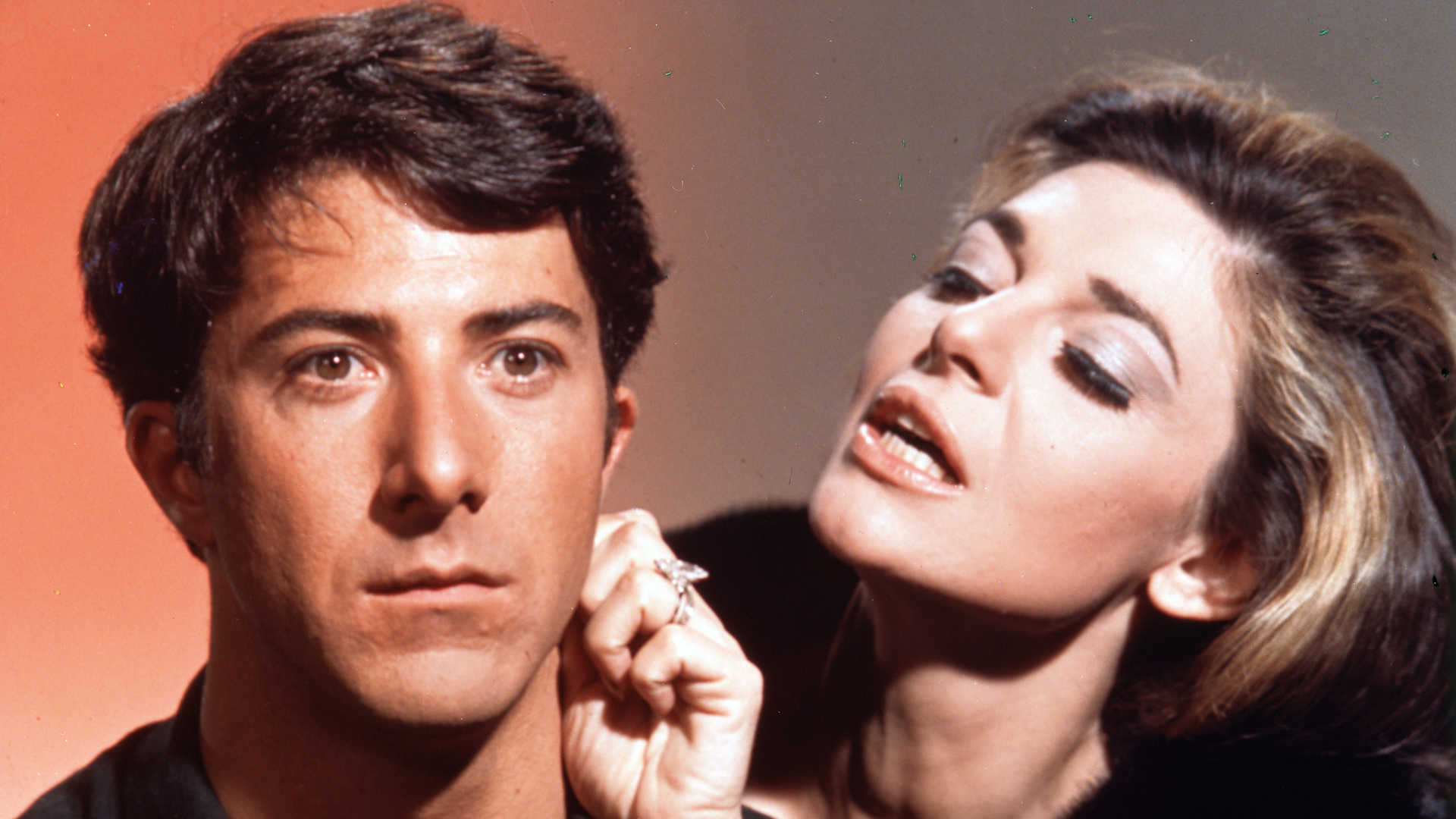
Benjamin Braddock and Mrs. Robinson (Image via Getty)
As Benjamin continues his aimless life, including his affair with Mrs. Robinson, he finds a real connection with her daughter, Elaine, played by Katharine Ross. This relationship further complicates matters, as Mrs. Robinson is desperate to keep the two apart, creating tension. Elaine, like Benjamin, is unsure about her future, which adds to the emotional turmoil of the situation.
The Ending of The Graduate The film’s finale is perhaps one of its most famous aspects, thanks to its ambiguity. Benjamin’s romance with Elaine intensifies, despite opposition from both their families. Elaine is pressured into a brief engagement with a man she hardly knows, and Benjamin’s affair with Mrs. Robinson falls apart. Driven by desperation, Benjamin speeds off in his Alfa Romeo to interrupt Elaine’s wedding, which sets the stage for the film’s iconic final moments.
In a dramatic and emotional scene, Benjamin bursts into the church, physically fighting the groom and Elaine’s parents while holding a wooden cross. After disrupting the ceremony, he makes a dash for Elaine, and they escape the church together, running toward a bus waiting outside. This scene, often parodied in popular culture, can be viewed as an impulsive act of following one’s heart. It suggests that Benjamin is choosing to fight for love and freedom, saving Elaine from a life she doesn’t want.
However, the film’s ending takes a more melancholic turn as the camera lingers on the two characters. On the bus, the adrenaline of their escape fades, and their grins slowly disappear. The somber tune of Simon & Garfunkel’s “The Sound of Silence” begins to play, creating a stark contrast to the earlier romantic whirlwind. This subtle shift marks the beginning of a bittersweet realization.
What Does the Ending Mean? The fading smiles on Benjamin and Elaine’s faces signify the uncertainty they now face after running away together. The moment is full of youthful defiance, but it leaves viewers wondering about their future. After making such a dramatic exit, neither of them can return to their previous lives easily. Benjamin has left his car behind, a symbol of his former life, and Elaine has dropped out of college to avoid an arranged marriage.
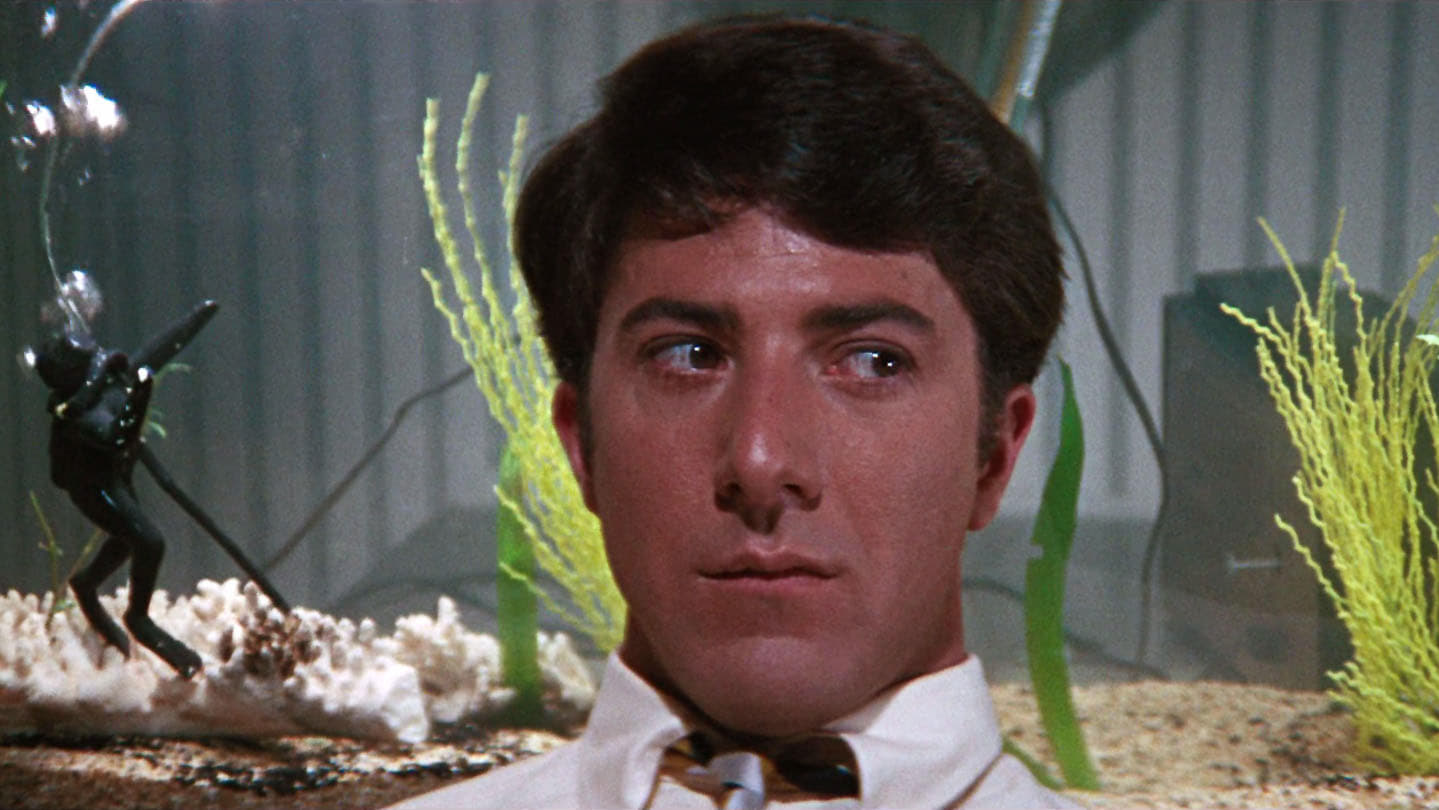
Benjamin Braddock (Image via Getty)
This sudden departure has left them without jobs, without family support, and without a clear path forward. Their impulsive actions have severed ties with their past, and they now face the consequences of their decisions. While the couple may have gained temporary freedom, the reality of their situation soon sets in. The final moments suggest that their escape is not as fulfilling as it initially seemed, making the once-romantic gesture appear much less idealistic.
The Graduate’s ending carries an underlying melancholy, as it highlights the consequences of impulsive decisions. Benjamin and Elaine’s actions aren’t just a rejection of societal norms but an escape from a system that had offered them privileges, albeit without personal fulfillment. Elaine, born out of wedlock, and Mrs. Robinson, trapped in an unhappy marriage, both find themselves repeating cycles of emotional turmoil. Elaine’s decision to elope with Benjamin, although not as dramatic as her mother’s, shares a similar sense of hastiness.
For Benjamin, the movie begins with a degree but no direction, and by the end, his support system has crumbled. In running away with Elaine, he has not only lost his family’s backing but has also abandoned any semblance of a clear future. Much like Elaine, Benjamin is now as uncertain about his life’s purpose as he was at the beginning of the story. His decision to go after her may have seemed like a brave, romantic act, but it ultimately adds to his confusion and disillusionment.
The Wedding Scene’s Cultural Impact The wedding disruption trope, where someone bursts into a wedding ceremony to prevent it from happening, has become a staple in romantic comedies. Films such as Wedding Crashers and Four Weddings and a Funeral have continued to utilize this narrative device. In most cases, these stories focus on the romantic triumph of the disruptor getting the partner they desire, and the conclusion is often a “happily ever after.”
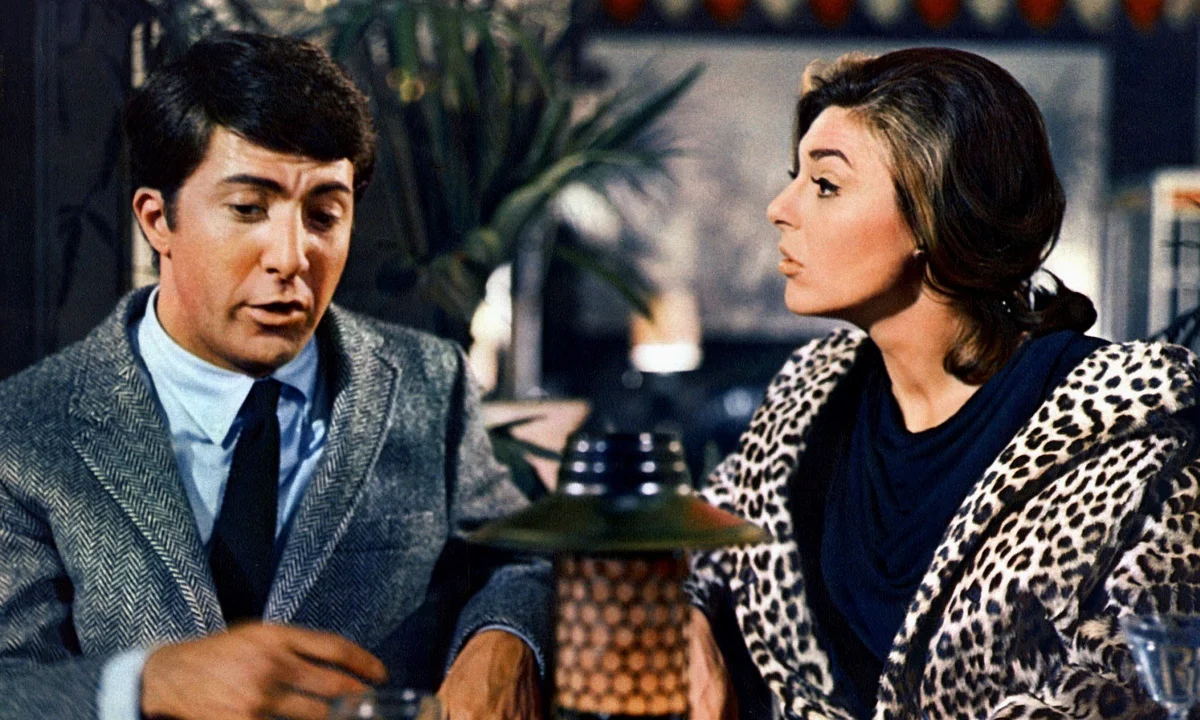
Benjamin Braddock and Mrs. Robinson (Image via Getty)
However, The Graduate stands out by taking a more reflective approach to this well-known trope. The film takes the time to show the consequences of this dramatic disruption. Unlike the typical romantic comedy, Benjamin and Elaine’s grand gesture doesn’t result in immediate happiness. The film doesn’t let the audience escape into a perfect resolution. Instead, it shows that love is not always enough to solve the complexities of life, nor does a dramatic escape always lead to happiness.
In the end, The Graduate offers a poignant commentary on youthful impulsivity and the harsh realities of adult life. While Benjamin’s dramatic actions may have seemed like the ultimate romantic gesture, the film’s conclusion suggests that there is no easy path to true fulfillment. The couple, having left behind the comforts of their privileged lives, now must confront the weight of their choices, and it remains unclear if their escape will lead to lasting happiness.
The Graduate’s ambiguous ending reflects the reality of life after big, impulsive decisions. The film critiques the idealization of romance and highlights the complexities of young adulthood. By the end, Benjamin and Elaine’s smiles fade as the camera lingers on them, suggesting that their decision to run away, while initially thrilling, may ultimately lead to more questions than answers. In the end, The Graduate reminds us that true happiness isn’t always found in spontaneous, romantic gestures, but in facing the consequences of our choices.
