Sōsuke Aizen’s betrayal of the Soul Society wasn’t an act of revenge or hatred—it was a calculated decision. He saw the current system as flawed and believed that only by overthrowing the Soul King could he create a world governed by true strength. His ambition wasn’t just about power; it was about ascending beyond the limits of ordinary beings.
Aizen’s masterful deception allowed him to manipulate the Soul Society for years without raising suspicion. Every move he made was carefully planned, each ally and enemy serving as a pawn in his grand design. His ultimate goal wasn’t just domination—it was to reach a level of existence beyond what the world had ever known, making him the true architect of fate.
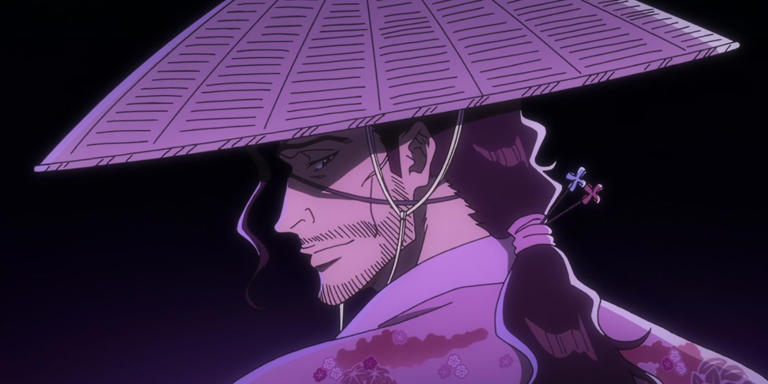
Bleach (Credits: Viz Media)
Aizen’s Pursuit of Absolute Power
Aizen wasn’t content with being just another captain—he wanted to transcend the very nature of existence. He viewed the Soul King as a weak, ineffective ruler whose presence maintained a fragile balance rather than true order. To Aizen, true leadership meant control, and control could only be achieved through absolute power.
His desire to beyond the limits of Soul Reapers pushed him to seek new ways of gaining strength. He believed that only by breaking free from the system’s restraints could he achieve true enlightenment. This relentless pursuit is what led him to the Hōgyoku, an artifact capable of granting limitless power.
Aizen was never just a powerful warrior—he was a manipulator of the highest caliber. He deceived even the most intelligent minds in the Soul Society, crafting an elaborate illusion of loyalty while plotting its downfall from within. Every action, every word, was carefully designed to further his ultimate plan.
Gin Ichimaru and Kaname Tōsen were just two of the many individuals Aizen used to further his goals. He exploited their weaknesses, convincing them to follow his vision while keeping his true intentions hidden. His ability to manipulate those around him made him not only a formidable fighter but also a nearly invincible strategist.
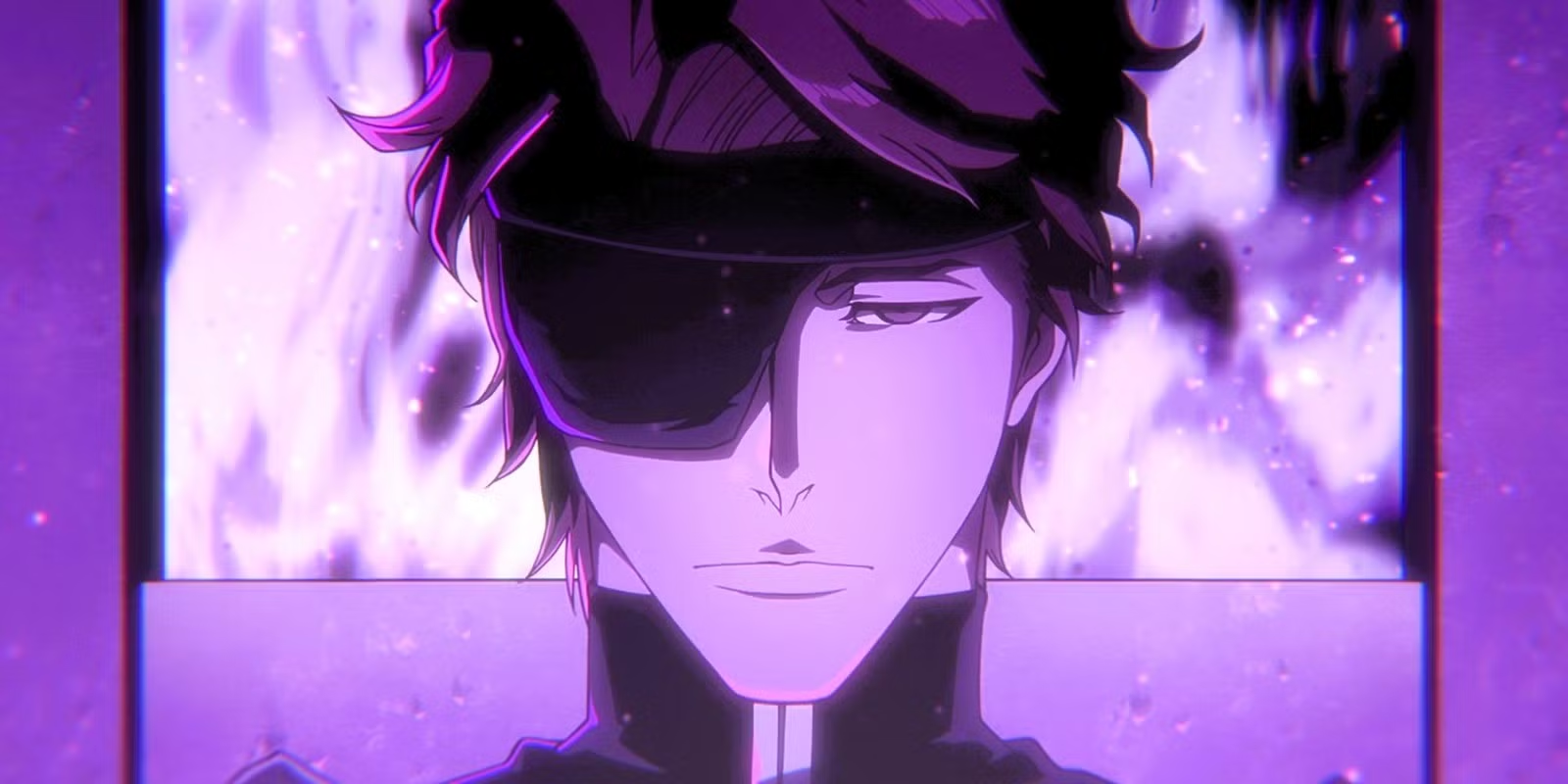
Aizen returns to save the Soul Society? (Credits: Viz Media)
The Hōgyoku was the final piece of Aizen’s puzzle. He recognized its potential to break the boundaries between Soul Reapers and Hollows, granting unimaginable power. To him, it was the ultimate tool in his quest for transcendence. By merging with it, he aimed to become an all-powerful being, beyond the reach of the Soul Society.
Aizen’s betrayal wasn’t an act of destruction—it was an evolution. He believed that only by breaking free from the shackles of the old world could he create something greater. In his mind, his actions weren’t just necessary; they were destiny.

Ichigo Kurosaki is a seemingly ordinary high schooler, except for one crucial detail, he can see ghosts. One night, his life changes forever when a mysterious woman named Rukia Kuchiki, a Soul Reaper (shinigami), crashes into his room while hunting a monstrous spirit called a Hollow.
Ichigo Kurosaki’s journey as a Substitute Soul Reaper is not just a coincidence; it is his destiny. His unique lineage and circumstances set him apart from both regular humans and Shinigami. Unlike others who follow the traditional path of joining the Soul Society, Ichigo’s transformation happened in an unorthodox manner—one that defies standard rules. This has led to long-standing questions about his status and what truly defines him.
Despite losing Rukia’s borrowed powers early in the series, Ichigo continued his role as a Soul Reaper by awakening his own abilities. This raises an interesting dilemma: If his power is his own, why is he still labeled as a Substitute? The answer lies in his dual existence. Since Ichigo never officially joined the Gotei 13 and still possesses a living human body, the title is more about his status than his abilities.
Ichigo’s Role as a Substitute Soul Reaper
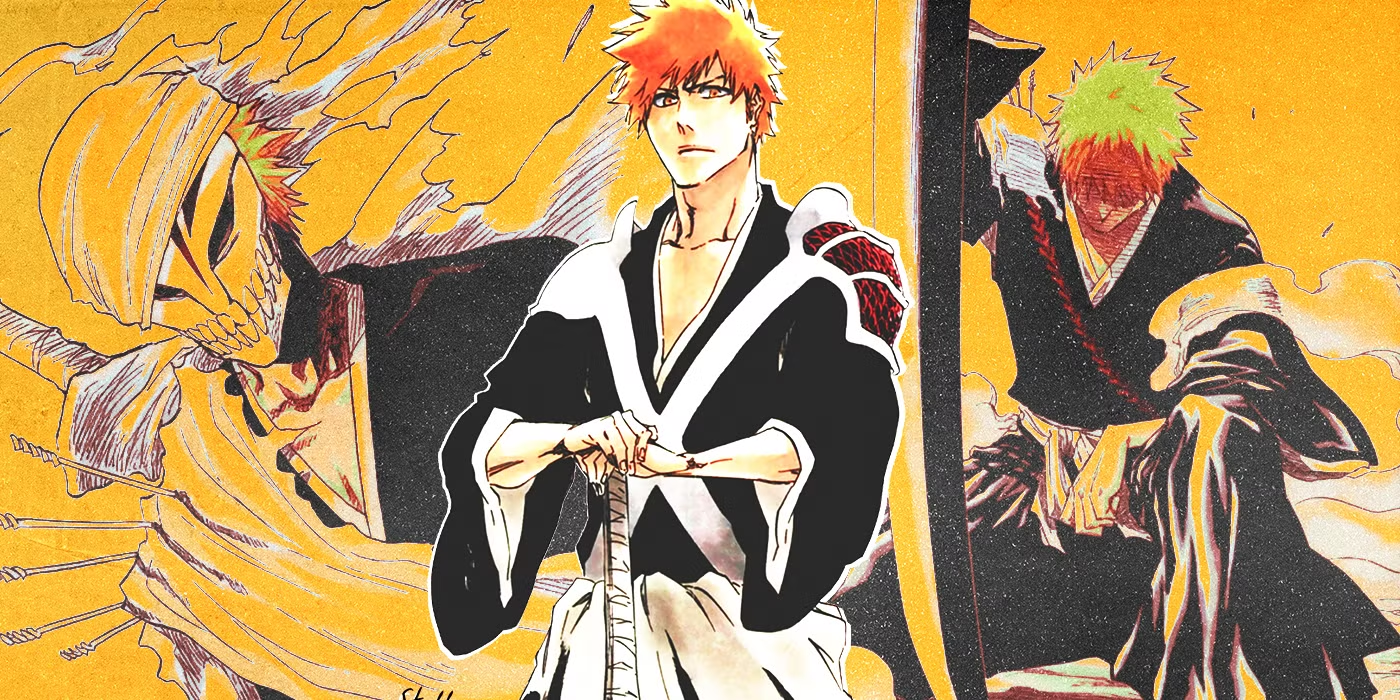
Ichigo From Bleach (Credits: Viz Media)
Ichigo only became a recognized Substitute Soul Reaper after saving Rukia and receiving the official title from Captain Ukitake. This designation reflects his unique position—he is not a formal member of the Soul Society, but he is an ally who fights alongside them. Unlike full-fledged Shinigami, he remains bound to the human world, making him a rare case among spiritual warriors.
His status does not define his power, though. Even after Byakuya stripped him of Rukia’s influence, Ichigo’s natural abilities emerged. His own spiritual energy was so strong that he reawakened as a Soul Reaper without outside intervention, proving that his power was always meant to manifest.
A key moment in Ichigo’s transformation was when Kisuke Urahara severed his Chain of Fate. Normally, this would signal the complete death of a human, forcing their spirit into either the Soul Society or Hollowfication. However, Ichigo’s potential allowed him to survive this process, becoming something entirely different. He did not simply become a Shinigami—he became something beyond classification.
Despite his body’s chain being cut, he continued to live as a human, leading some to believe that his physical form acted similarly to a Gigai. However, unlike artificial bodies used by Soul Reapers, Ichigo’s human body is his true form, and he must actively protect it. This delicate balance reinforces why he remains labeled a Substitute rather than a full-fledged Shinigami.

Ichigo From Bleach (Credits: Viz Media)
Ichigo’s heritage plays a significant role in his unique position. His father, Isshin Kurosaki, was once a captain-level Soul Reaper, which explains Ichigo’s extraordinary spiritual sensitivity. Unlike an ordinary human, he was born with immense potential, making him more than just a regular Substitute Soul Reaper.
His mixed lineage also contributes to his hybrid abilities. Throughout the series, Ichigo exhibits traits beyond that of a normal Shinigami, including Hollow powers. These traits blur the lines between classifications, making him an anomaly even in the world of Soul Reapers. His title remains, not because of a lack of power, but because there is no existing category that truly defines him.
