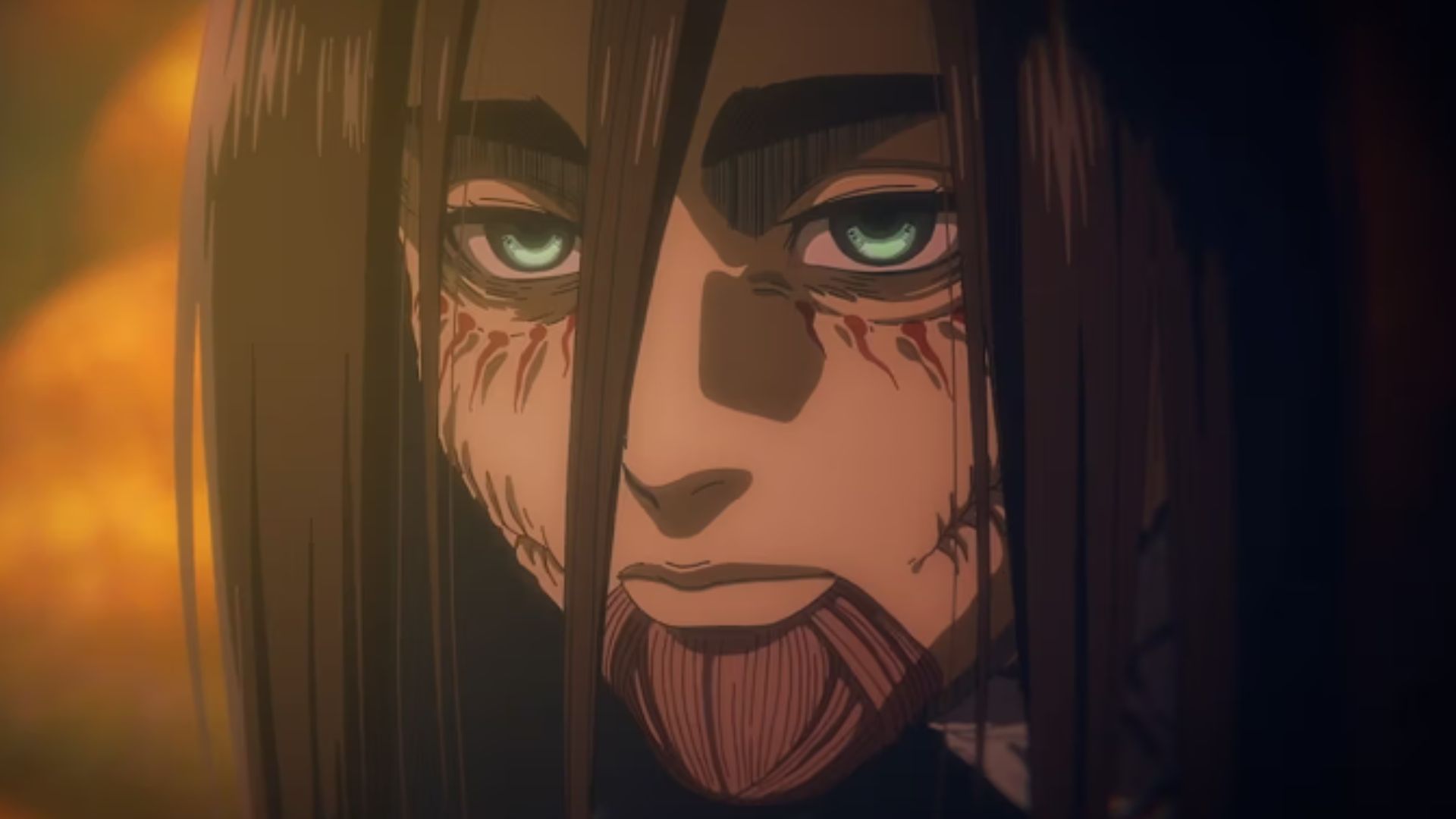
Eren Yeager’s transformation from the determined hero fighting for freedom to the complex villain in Attack on Titan shocked fans worldwide. Once seen as humanity’s last hope, Eren’s actions in the later parts of the series painted him as a ruthless enemy who caused massive destruction. But what led him down this dark path? Here’s an exploration of the real reasons behind Eren’s shift from hero to villain.
From the beginning, Eren was driven by a strong desire for freedom. Growing up in the walled city, he hated feeling trapped and dreamed of discovering the wonders of the world outside. This desire was further fueled when Titans attacked his hometown, killing his mother. Eren vowed to destroy all Titans and reclaim humanity’s freedom.
However, as the story progressed, Eren learned that the real enemy wasn’t just the Titans. The truth about the world beyond the walls—the constant war and hatred between nations—shattered his understanding of freedom. He realized that true freedom couldn’t exist in a world filled with such conflict.
(Credits: Attack on Titan)
A major turning point for Eren came when he discovered the truth about the Titans and the history of his people, the Eldians. He learned that Eldians were hated and feared by the rest of the world for their ability to transform into Titans. This prejudice created a cycle of violence, with nations outside the walls determined to destroy the Eldians.
Eren’s ability to see the future through the Attack Titan’s powers made things even worse. He saw a vision of the future where Eldians would face extinction if he didn’t take drastic measures. This knowledge pushed Eren to take extreme actions, believing it was the only way to protect his people.
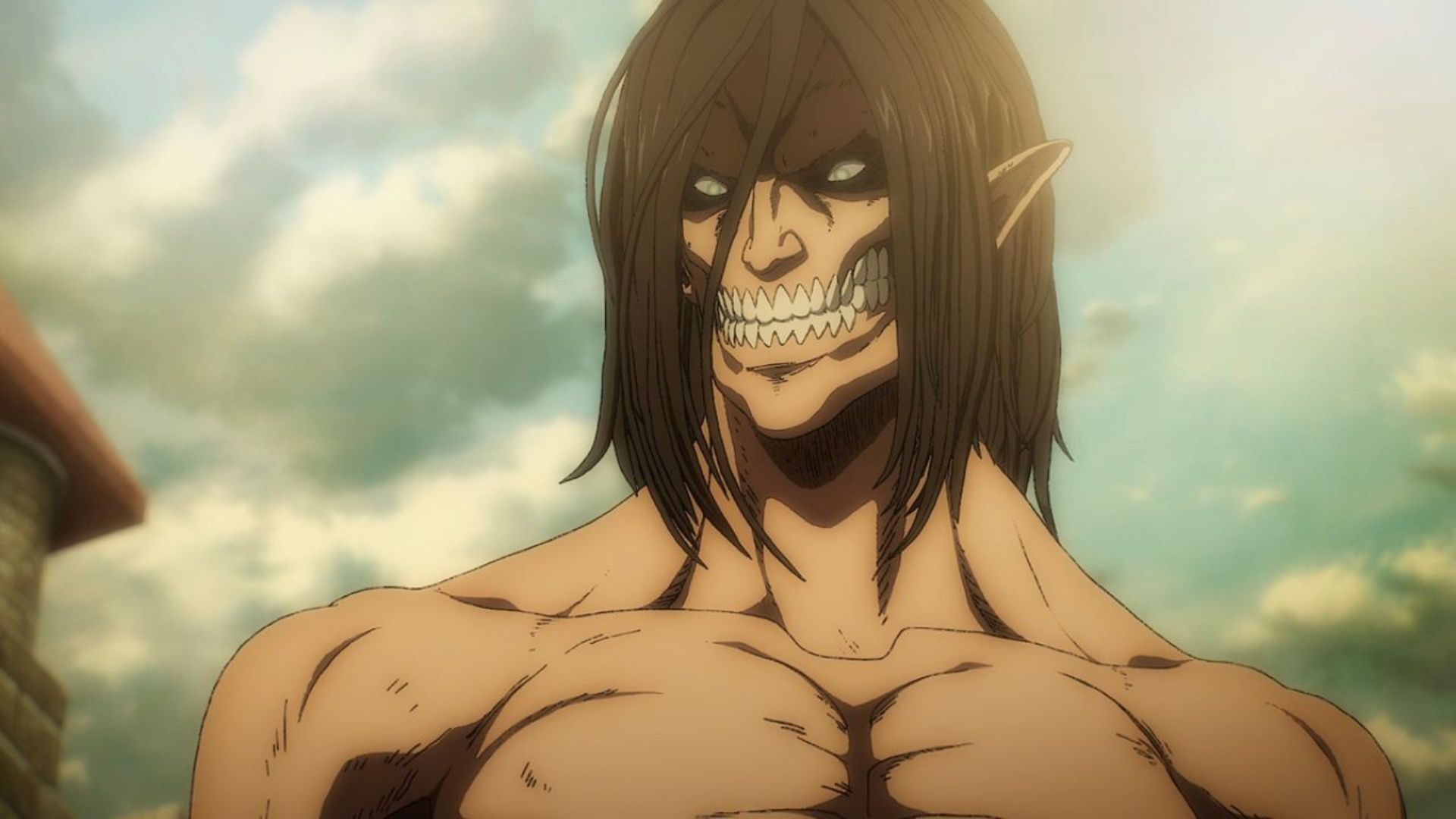
Eren’s decision to activate the Rumbling—unleashing the Titans in the walls to destroy most of humanity—was his most controversial move. He believed that by wiping out the nations threatening Eldia, he could secure a future for his friends and people. However, this plan came at a terrible cost, resulting in countless innocent lives being lost.
(Credits: Attack on Titan)
What makes Eren’s actions so complex is that he didn’t enjoy causing pain or destruction. Instead, he saw himself as a necessary evil, sacrificing his morality and life for the sake of his friends’ future. He believed that the only way to end the cycle of hatred was to become the villain everyone could unite against.
In the end, Eren’s transformation into a villain wasn’t because he was evil, but because he was desperate. He carried the weight of the world’s hatred and made choices that no one else could. While his actions were horrifying, they stemmed from his love for his friends and his unshakable desire for freedom.
Eren Yeager’s story in Attack on Titan is a tragic tale of how far someone will go to achieve their vision of peace. His journey reminds us that even heroes can fall when faced with impossible choices, and his actions will be debated by fans for years to come.

Attack on Titan is set in a dystopian world where humanity lives behind massive walls to protect itself from giant humanoid creatures known as Titans, who devour humans seemingly without reason. The story begins when a colossal Titan breaches one of the walls, destroying protagonist Eren Yeager’s home and triggering a violent chain of events.
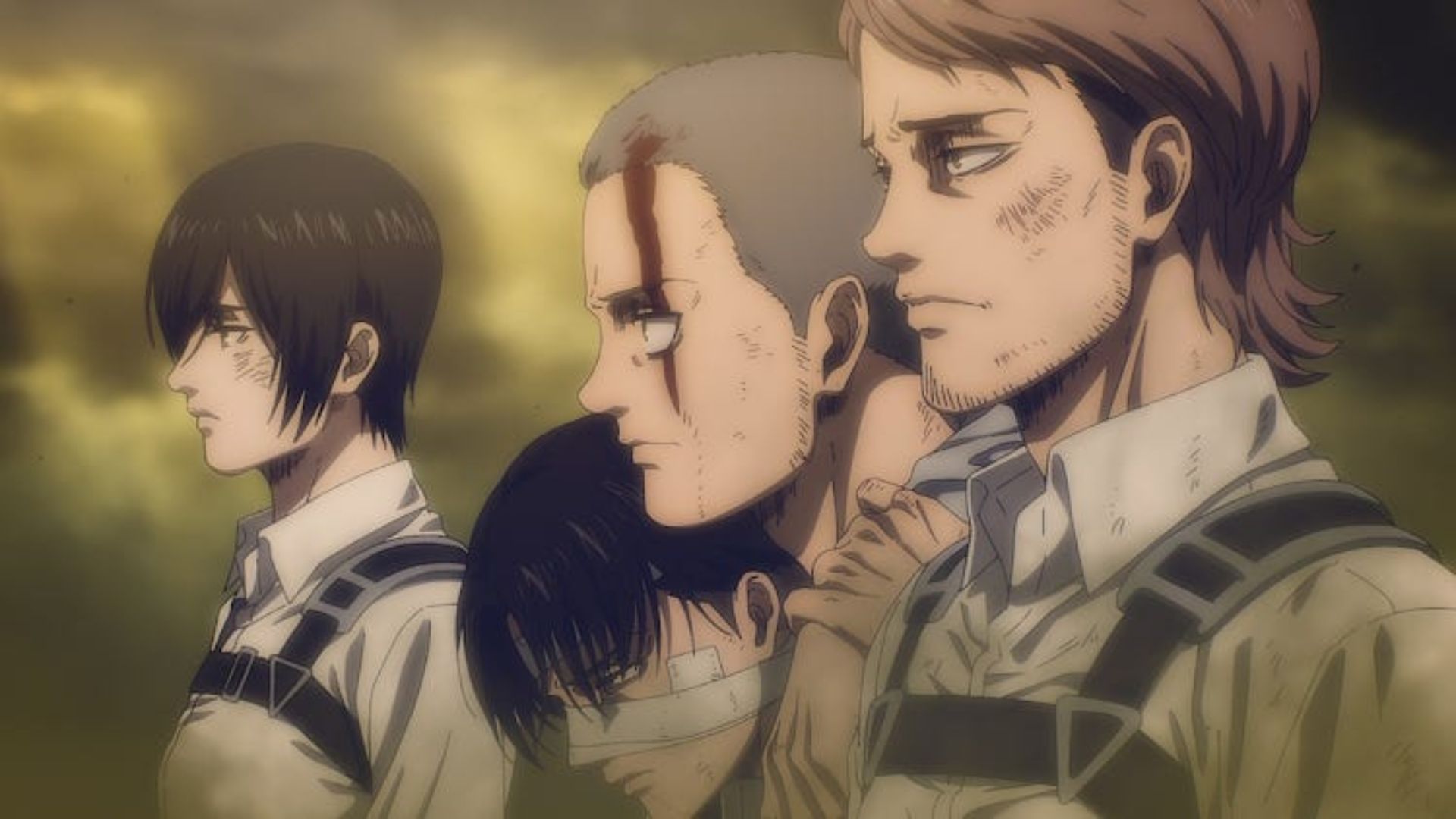
In the final chapters of Attack on Titan , Eren unleashes the “Rumbling,” a catastrophic event that sends a massive army of Titans across the world, destroying everything in their path. His goal is to secure the safety of Paradis Island by eliminating the rest of humanity, who he believes will always threaten his people. However, Eren’s closest friends, the members of the Survey Corps, ultimately stop him, ending his life to put an end to the destruction.
Eren’s actions spark a heated debate within the fandom. Some view him as a tragic hero who made the ultimate sacrifice for the greater good, while others criticize him for the immense suffering his choices caused.
(Credits: Attack on Titan Franchise)
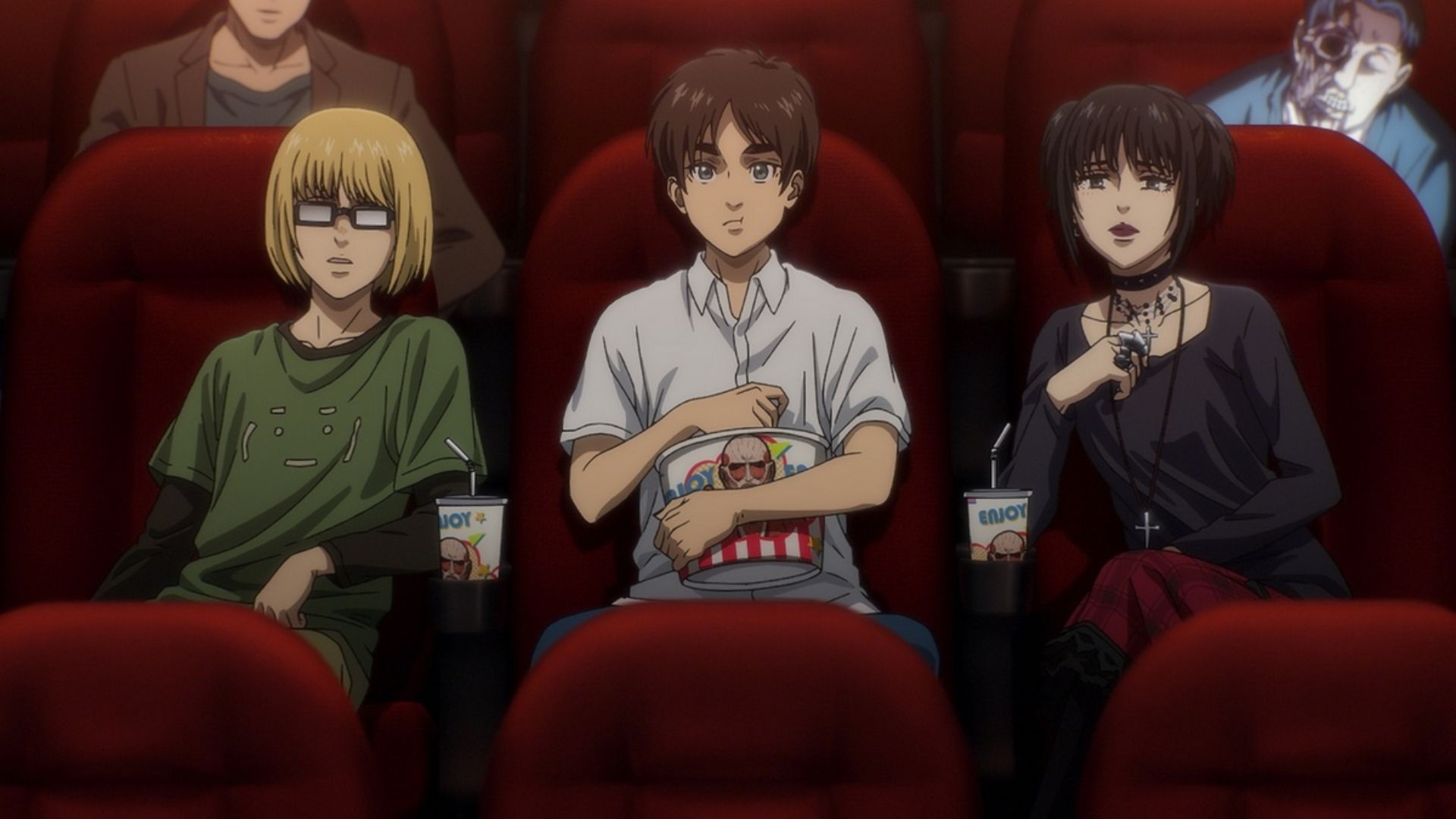
In a recent interview, Hajime Isayama admitted that he regrets certain aspects of Eren’s final choice. He explained that writing the ending was an emotional and difficult process, and he often questioned whether he had made the right decisions for the characters and the story.
“I wanted Eren to feel human,” Isayama said. “He’s not a perfect hero or a villain. He’s someone who struggles with his emotions and beliefs, just like all of us. But looking back, I wonder if there could have been another way for him to achieve his goal without causing so much pain.”
Isayama also acknowledged the fan criticism of the ending, saying that he understands why some readers were disappointed. He admitted that balancing the themes of freedom, sacrifice, and morality was a complex task and that he wasn’t entirely satisfied with how everything turned out.
(Credits: Attack on Titan Franchise)
Despite Isayama’s regrets, Eren’s final choice remains a powerful conclusion to the story. It highlights the devastating cost of war and raises important questions about whether ends justify means. The ending also emphasizes the complexity of human nature, as Eren’s friends must grapple with their love for him while ultimately opposing his actions.
Hajime Isayama’s openness about his regrets has been well-received by fans. Many appreciate his honesty and acknowledge the difficulty of concluding such a monumental story. While the ending of Attack on Titan may remain divisive, it has undeniably left a lasting impact on the anime and manga world.
Eren’s final choice, with all its controversy and complexity, will continue to spark discussions for years to come. It serves as a reminder that even in fiction, decisions are rarely black and white, and the cost of freedom is never simple.
Attack on Titan is set in a dystopian world where humanity lives behind massive walls to protect itself from giant humanoid creatures known as Titans, who devour humans seemingly without reason. The story begins when a colossal Titan breaches one of the walls, destroying protagonist Eren Yeager’s home and triggering a violent chain of events.
