Madara Uchiha, one of Naruto’s most formidable villains, possessed god-tier strength and unparalleled strategic brilliance. Despite his overwhelming power, he was ultimately defeated. While his loss can be attributed to Naruto and Sasuke’s growth, a deeper theory suggests that the Sage of Six Paths orchestrated events to ensure Madara’s downfall and restore balance to the world.
The Sage, as the progenitor of chakra and ninja history, had a vested interest in maintaining harmony. Madara’s vision of an infinite Tsukuyomi threatened this balance, and the Sage intervened indirectly. By empowering Naruto and Sasuke, he ensured that Madara’s ambitions would be thwarted, preserving the world’s equilibrium.
The Sage’s Intervention: A Hidden Hand
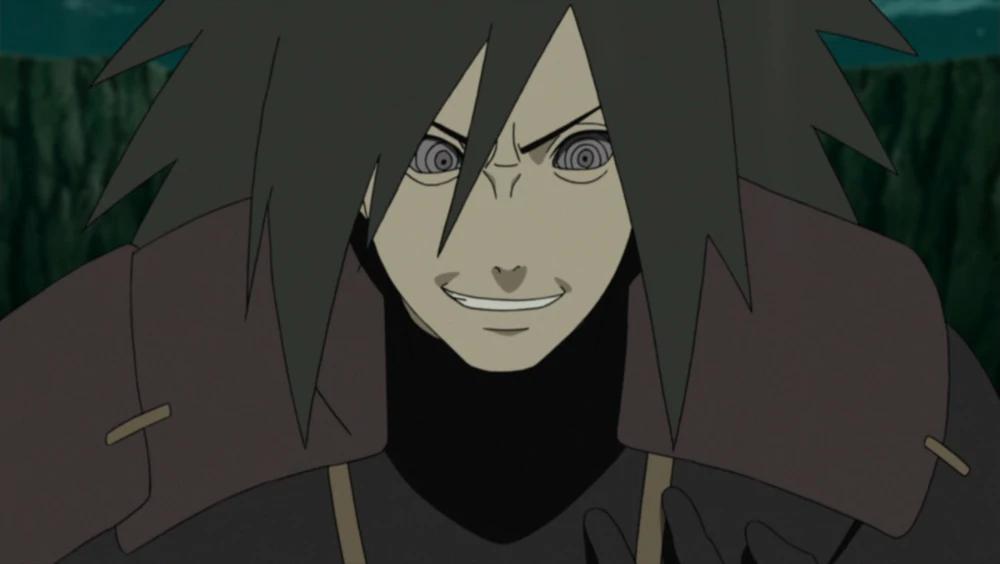
Madara (Credits: Pierrot)
The Sage of Six Paths, though long deceased, continued to influence the ninja world through his chakra and legacy. Recognizing Madara’s threat, he chose Naruto and Sasuke as his successors, granting them his powers. This decision was not random; it was a calculated move to counter Madara’s overwhelming strength and restore balance.
By bestowing Naruto and Sasuke with the Six Paths chakra, the Sage ensured they could rival Madara. This intervention was subtle yet decisive, as it leveled the playing field. The Sage’s actions demonstrated his commitment to preserving the world’s harmony, even from beyond the grave.
Naruto and Sasuke were uniquely suited to carry out the Sage’s will. Naruto, embodying the Sage’s younger son Ashura’s ideals of love and perseverance, and Sasuke, representing Indra’s pursuit of power, together balanced the Sage’s legacy. Their combined strengths and contrasting philosophies made them the perfect counter to Madara’s singular vision.
The Sage’s choice to empower them was strategic. Naruto’s unyielding spirit and Sasuke’s tactical brilliance complemented each other, creating a synergy that Madara could not overcome. Their growth and eventual teamwork were key to defeating Madara, fulfilling the Sage’s plan to restore balance.
Madara’s Overconfidence: A Fatal Flaw
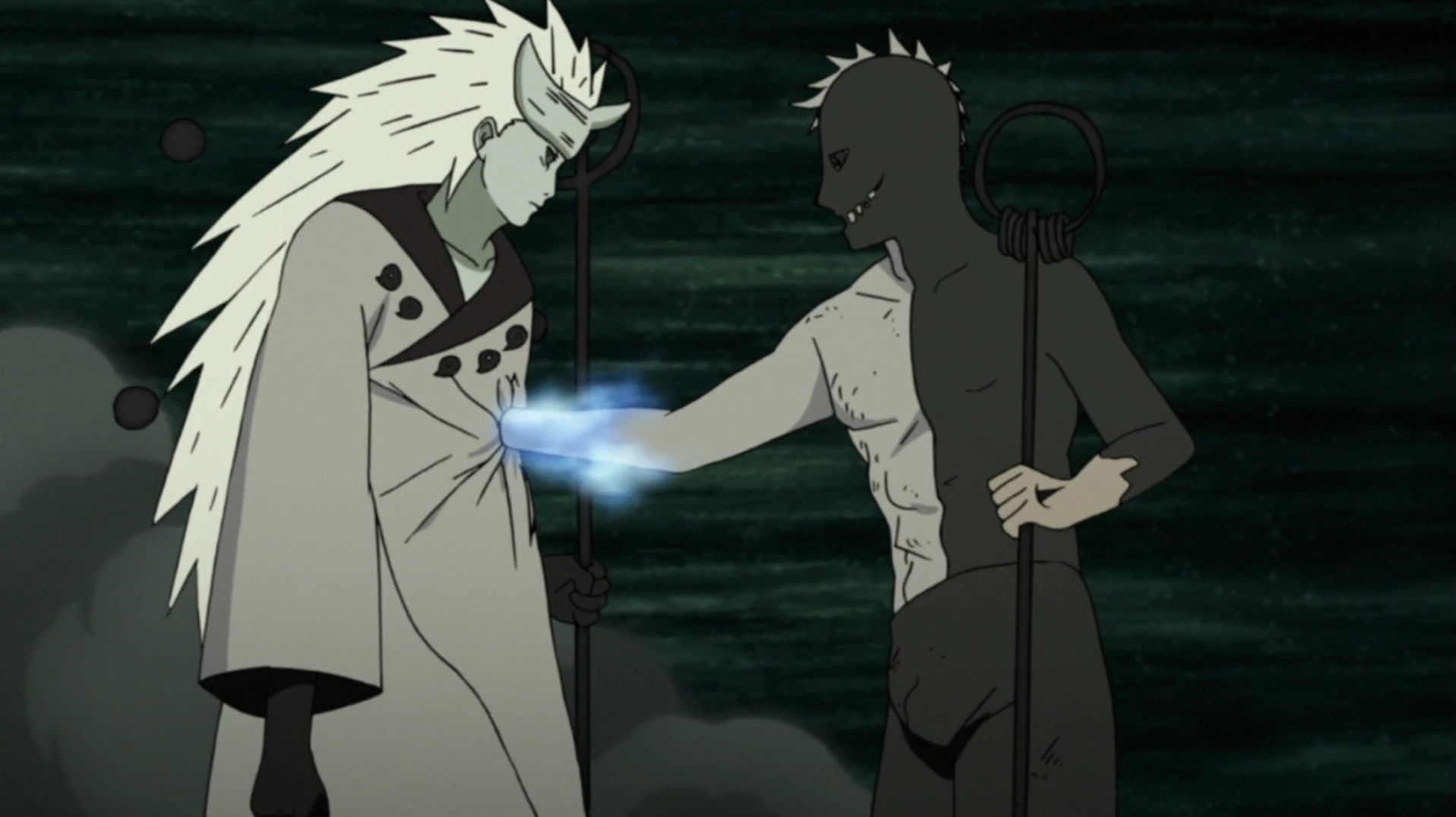
Madara and Zetsu (Credits: Pierrot)
Madara’s immense power and intellect made him nearly invincible, but his overconfidence proved to be his downfall. He underestimated Naruto and Sasuke, believing his god-tier abilities made him untouchable. This arrogance blinded him to the possibility that others could surpass him, especially with the Sage’s guidance.
His reliance on brute strength and manipulation also alienated potential allies. Madara’s inability to inspire loyalty, unlike Naruto, left him isolated. This lack of genuine support further weakened his position, making him vulnerable to the combined efforts of Naruto, Sasuke, and their allies.
The final confrontation between Madara and the shinobi alliance was a clash of ideologies. Madara sought to impose his vision of a perfect world through the infinite Tsukuyomi, while Naruto and Sasuke fought to preserve free will. This battle was not just about strength but also about the values each side represented.
Naruto and Sasuke’s victory was a testament to the Sage’s foresight. By empowering them, he ensured that the world’s fate would be decided by those who valued connection and individuality over control and illusion. Madara’s defeat marked the triumph of the Sage’s vision for a balanced world.
The Legacy of Madara’s Defeat
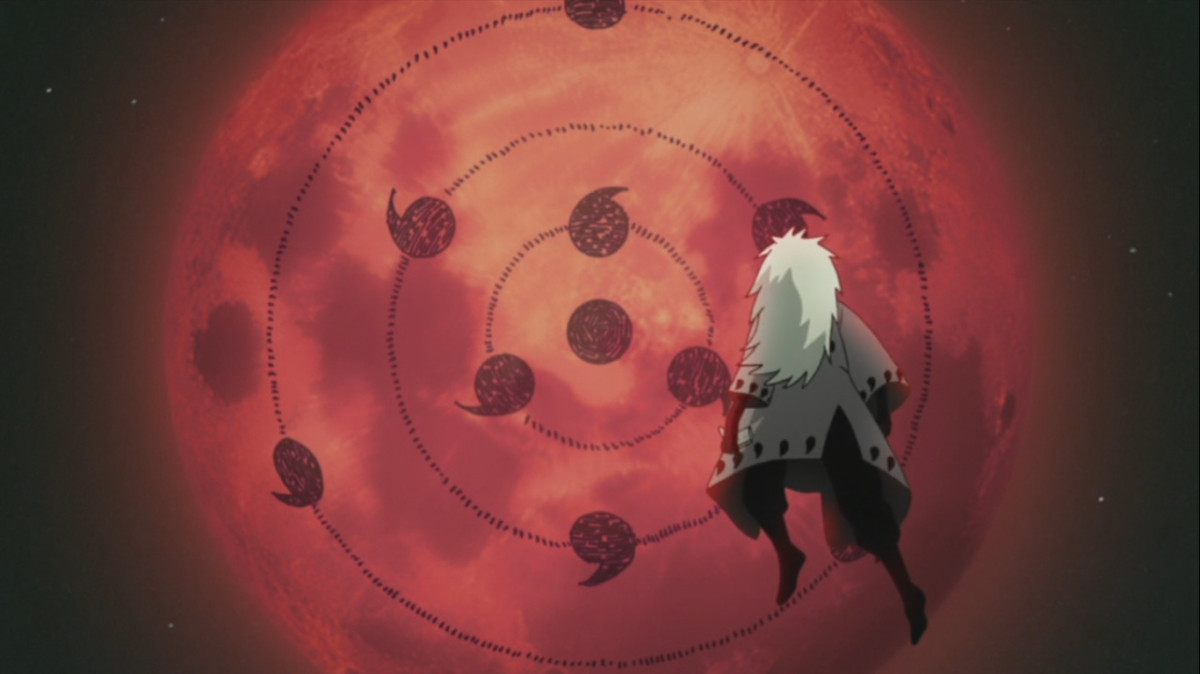
Madara (Credits: Pierrot)
Madara’s loss had profound implications for the ninja world. It reaffirmed the importance of unity and cooperation over individual dominance. His defeat also highlighted the Sage’s enduring influence, proving that even the strongest could be overcome through collective effort and shared ideals.
While Madara’s strength was unmatched, his failure served as a reminder that power alone is not enough to shape the world. The Sage’s intervention and Naruto and Sasuke’s growth ensured that balance and harmony prevailed, leaving a lasting legacy for future generations.
The decision Eren Yeager made to initiate the Rumbling is one of the most shocking and debated moments in Attack on Titan. Many fans have questioned why Eren, once a symbol of hope for humanity, chose such an extreme course of action. Some believe that Eren’s actions were a calculated move, designed to ensure his friends’ survival while granting them true freedom. However, this theory digs deeper into Eren’s understanding of the future and his desperate attempt to break free from a seemingly unavoidable fate.
Eren’s decision was not impulsive, nor was it driven by pure hatred. Rather, it was a tragic resolution born from his knowledge of the future. Through the Attack Titan’s ability to glimpse future events, Eren saw a path where only the Rumbling could secure the future he desired for his friends. In this way, the Rumbling wasn’t just an act of destruction but a sacrifice that Eren made for a chance at true freedom.
The Vision of Freedom Through Destruction
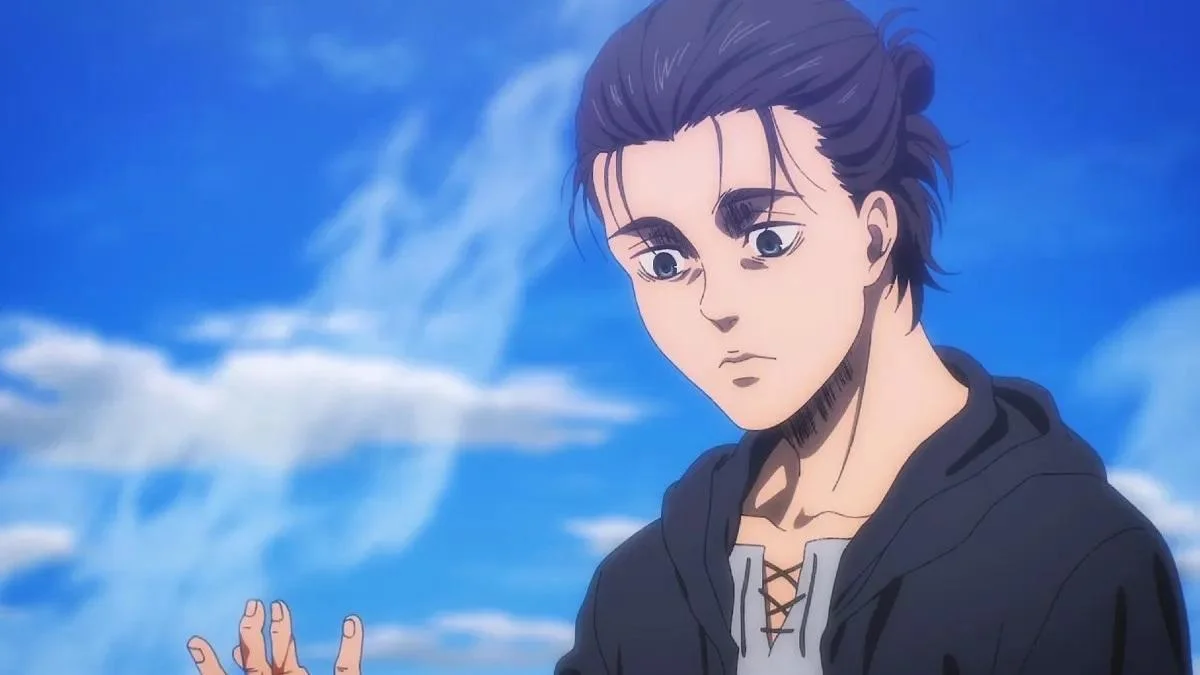
Eren (Credits: Mappa)
In Eren’s vision, the Rumbling was the only way to secure his friends’ survival. The world outside Paradis Island was determined to eliminate the Eldians, and peace seemed impossible. By unleashing the Rumbling, Eren believed he could eliminate the threat of humanity’s hatred and persecution of his people, forcing them into a position where the Eldians on Paradis could live in peace. This brutal path was the only way to ensure that his friends, particularly Mikasa and Armin, could live without the constant threat of annihilation.
Eren saw a future where the Rumbling was inevitable and where no other choices would ensure the survival of his people. He knew that without a radical shift, the cycle of hate and violence would continue forever. The Rumbling, then, became a means of breaking that cycle. It wasn’t an act of vengeance, but an extreme form of protection, where freedom would only come after the most painful sacrifice imaginable. In his eyes, this was the only way to end the never-ending cycle of violence and bring about a new beginning for his friends.
The Burden of Knowing the Future
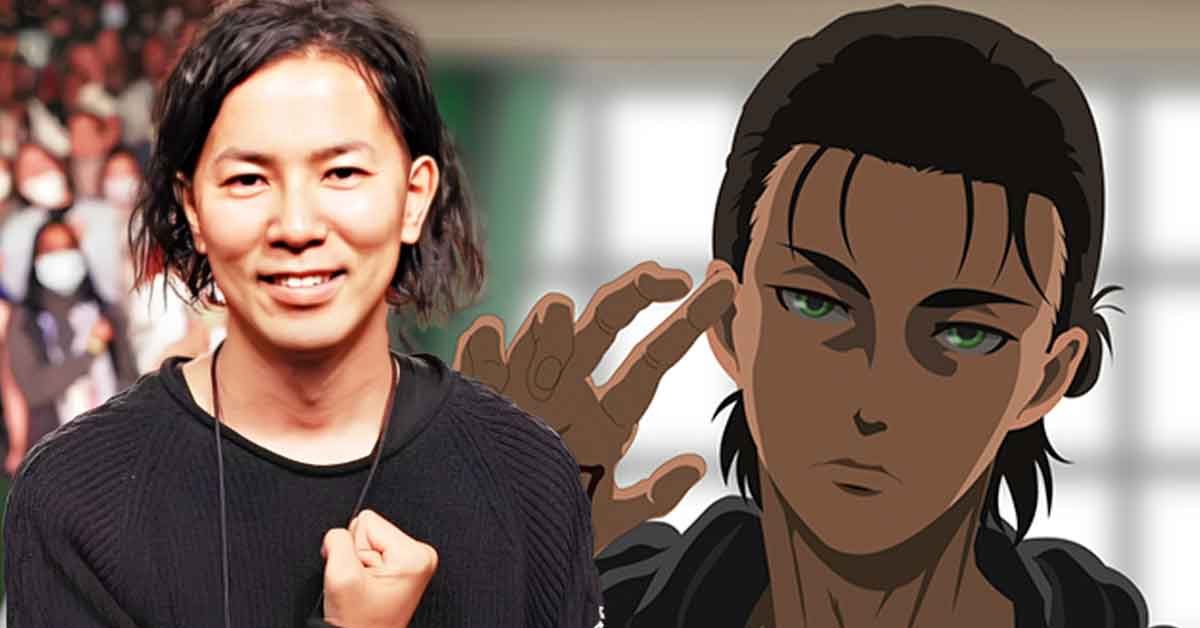
Hajime Isayama & Eren (Credits: Mappa)
Eren’s ability to see the future created a heavy burden. While his friends could only hope for a better future, Eren already knew the grim possibilities ahead. He understood that every attempt at peace would ultimately be futile, as the world would continue to view Paradis Island and its inhabitants as a threat. This knowledge influenced his actions, pushing him toward the destructive solution of the Rumbling. In this context, Eren’s decision was a tragic one, driven by a sense of hopelessness and the belief that he was the only one who could carry this burden.
The weight of knowing the future also put Eren in a position where he had to manipulate the events leading up to the Rumbling. He used his friends, even though they did not fully understand why he was making such drastic choices. The Rumbling was his final way of ensuring that his friends and the future of Paradis Island would have a chance to live without the looming threat of annihilation. The freedom he wanted for them came with an unimaginable cost.
Eren’s True Motivation: Freedom at Any Cost
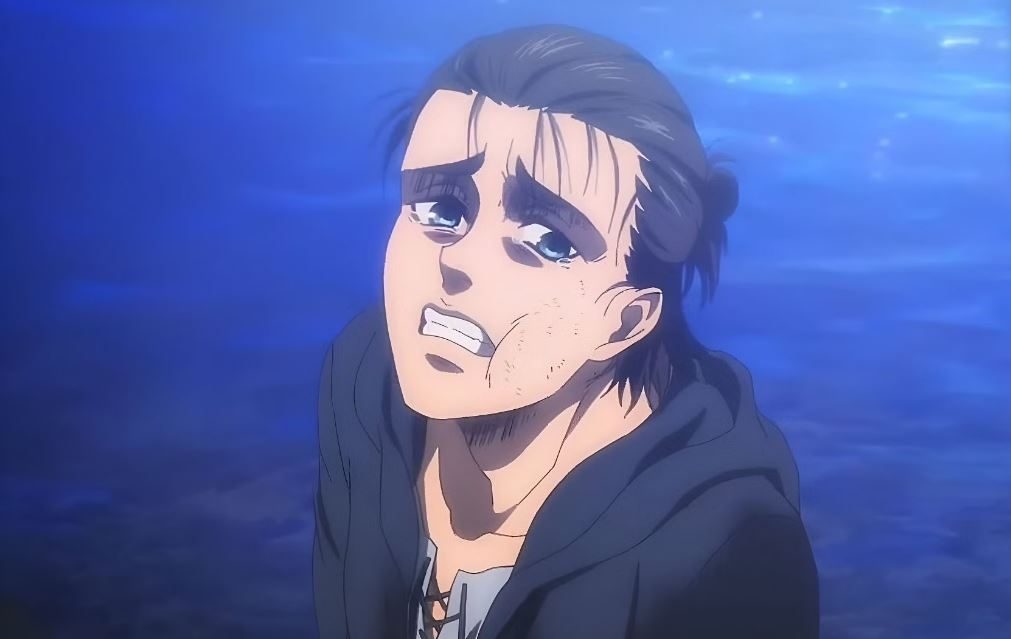
Eren (Credits: Mappa)
In the end, Eren’s decision to initiate the Rumbling was a bittersweet one, rooted in his desire to protect those he cared about. While his friends sought peace through dialogue, Eren understood that their survival could only be ensured through extreme action. The Rumbling was the price he was willing to pay for freedom, and he saw it as the only way to create a future where his friends could live without fear.
Although the Rumbling brought destruction and death, it also allowed for the possibility of a new future. Eren’s final moments reflect this tragic understanding: he had to break the cycle of violence, no matter how much it cost. His actions, though controversial, stemmed from a desire to create a world where his friends could be truly free, even if it meant sacrificing everything in the process.

Attack on Titan is set in a dystopian world where humanity lives behind massive walls to protect itself from giant humanoid creatures known as Titans, who devour humans seemingly without reason. The story begins when a colossal Titan breaches one of the walls, destroying protagonist Eren Yeager’s home and triggering a violent chain of events.
