Saitama’s power in One Punch Man defies all logic. No matter the enemy, he wins with a single punch. While many believe his strength comes from his infamous training routine, the reality is far more absurd. Saitama has broken the fundamental rules of his universe, surpassing every known limit. His strength isn’t just immense—it’s infinite.
Unlike other characters who follow traditional power scaling, Saitama exists outside these boundaries. His abilities cannot be measured, and no opponent can truly challenge him. His overwhelming strength isn’t just a result of effort; it’s the direct consequence of breaking reality itself, turning him into an unstoppable force beyond human comprehension.
The Concept of Breaking the Limiter
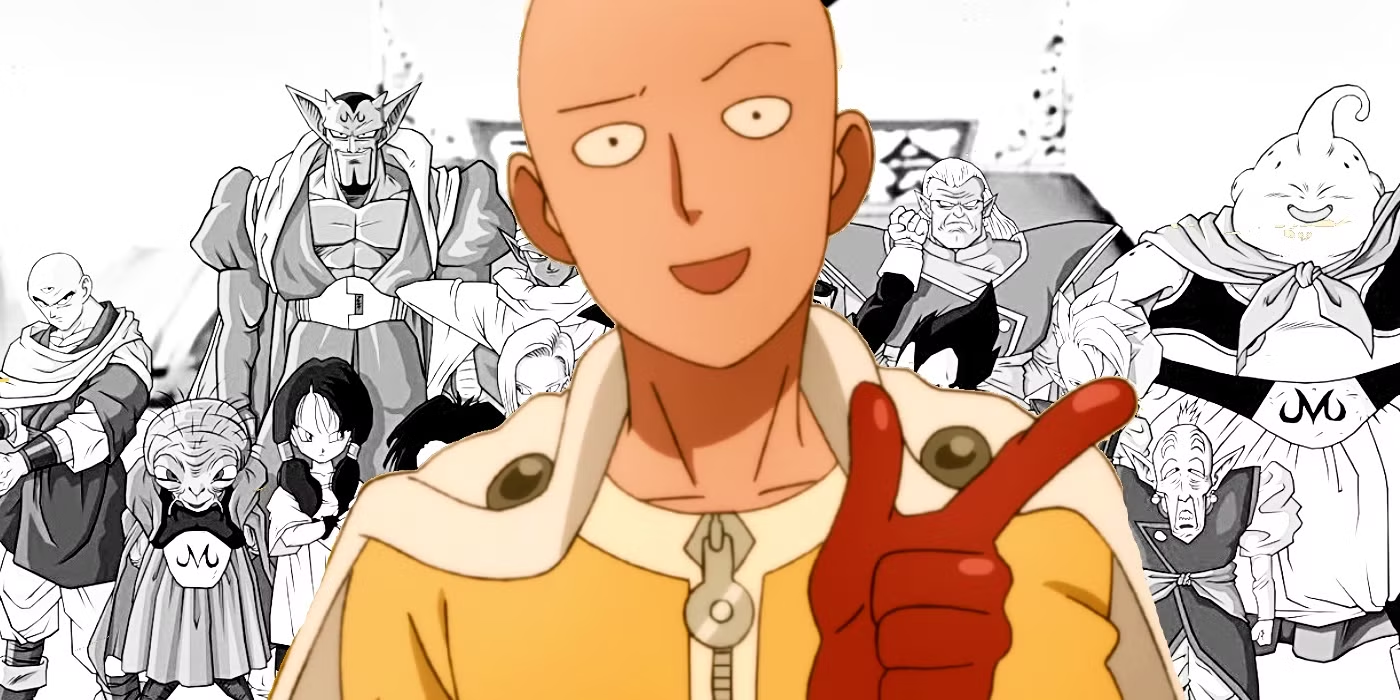
Saitama From One Punch Man (Credits: Madhouse)
Saitama’s limitless power stems from what the series refers to as “breaking the limiter.” Every living being has a natural limit to how much they can grow in strength. However, Saitama completely shattered this boundary, making him immune to conventional physical limitations. This is what allows him to continuously grow stronger without ever reaching a plateau.
While other heroes and villains train relentlessly to increase their power, Saitama doesn’t need to. His strength is not bound by the same rules, making him an anomaly in a world where power usually comes with constraints. This is why no matter how strong an enemy gets, he will always be one step ahead.
Unlike other fighters, Saitama’s power cannot be quantified. No system, scale, or comparison can accurately define just how strong he is. His broken limiter means that no enemy, no matter how powerful, will ever be able to surpass him. There is simply no cap to what he can achieve.
Even when faced with god-like beings or cosmic threats, Saitama’s strength remains unmatched. His power continues to grow, yet he never struggles. This is what makes him such a unique character—he is designed to be invincible, ensuring that he always dominates every battle with absolute ease.
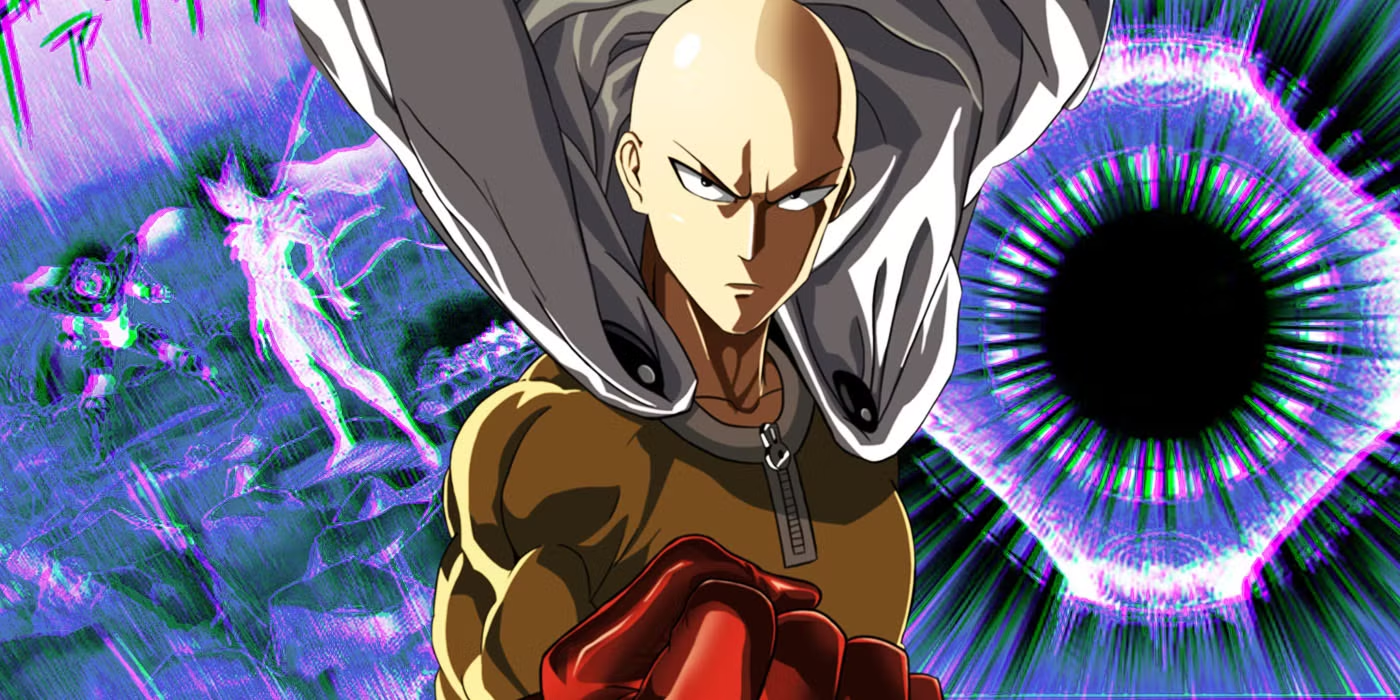
Saitama From One Punch Man (Credits: Madhouse)
Saitama’s overwhelming strength isn’t just for spectacle—it serves a greater purpose in the story. He is the ultimate parody of traditional shonen protagonists, flipping the typical struggle for power on its head. Instead of striving to get stronger, Saitama is already at the top, making every battle feel effortless.
This narrative choice reinforces the comedic tone of One Punch Man. Saitama isn’t meant to face true adversity; his strength exists to challenge the tropes of typical hero stories. By making him unbeatable, the series explores what happens when victory becomes meaningless, adding depth to his otherwise ridiculous power.

One Punch Man follows Saitama, a hero so powerful he defeats any enemy with a single punch, leaving him bored and searching for a true challenge. He joins the Hero Association and faces increasingly strange and powerful foes, while remaining largely unrecognized by the world. The story parodies typical superhero and shonen tropes with satire and brilliant action.
Sōsuke Aizen’s betrayal of the Soul Society wasn’t an act of revenge or hatred—it was a calculated decision. He saw the current system as flawed and believed that only by overthrowing the Soul King could he create a world governed by true strength. His ambition wasn’t just about power; it was about ascending beyond the limits of ordinary beings.
Aizen’s masterful deception allowed him to manipulate the Soul Society for years without raising suspicion. Every move he made was carefully planned, each ally and enemy serving as a pawn in his grand design. His ultimate goal wasn’t just domination—it was to reach a level of existence beyond what the world had ever known, making him the true architect of fate.
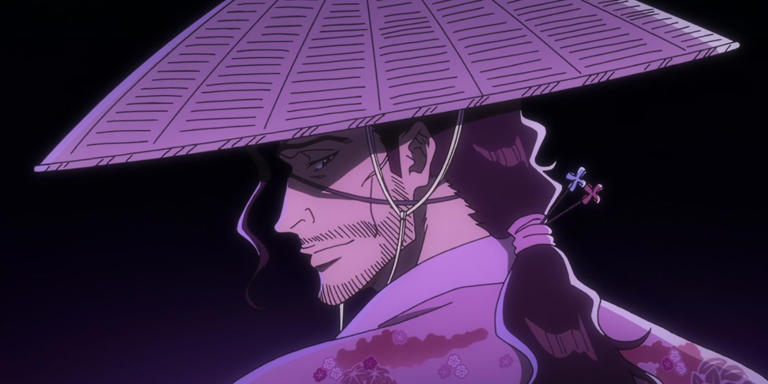
Bleach (Credits: Viz Media)
Aizen’s Pursuit of Absolute Power
Aizen wasn’t content with being just another captain—he wanted to transcend the very nature of existence. He viewed the Soul King as a weak, ineffective ruler whose presence maintained a fragile balance rather than true order. To Aizen, true leadership meant control, and control could only be achieved through absolute power.
His desire to beyond the limits of Soul Reapers pushed him to seek new ways of gaining strength. He believed that only by breaking free from the system’s restraints could he achieve true enlightenment. This relentless pursuit is what led him to the Hōgyoku, an artifact capable of granting limitless power.
Aizen was never just a powerful warrior—he was a manipulator of the highest caliber. He deceived even the most intelligent minds in the Soul Society, crafting an elaborate illusion of loyalty while plotting its downfall from within. Every action, every word, was carefully designed to further his ultimate plan.
Gin Ichimaru and Kaname Tōsen were just two of the many individuals Aizen used to further his goals. He exploited their weaknesses, convincing them to follow his vision while keeping his true intentions hidden. His ability to manipulate those around him made him not only a formidable fighter but also a nearly invincible strategist.

Aizen returns to save the Soul Society? (Credits: Viz Media)
The Hōgyoku was the final piece of Aizen’s puzzle. He recognized its potential to break the boundaries between Soul Reapers and Hollows, granting unimaginable power. To him, it was the ultimate tool in his quest for transcendence. By merging with it, he aimed to become an all-powerful being, beyond the reach of the Soul Society.
Aizen’s betrayal wasn’t an act of destruction—it was an evolution. He believed that only by breaking free from the shackles of the old world could he create something greater. In his mind, his actions weren’t just necessary; they were destiny.

Ichigo Kurosaki is a seemingly ordinary high schooler, except for one crucial detail, he can see ghosts. One night, his life changes forever when a mysterious woman named Rukia Kuchiki, a Soul Reaper (shinigami), crashes into his room while hunting a monstrous spirit called a Hollow.
