Ace’s death in One Piece marked a significant turning point for Luffy’s journey, fundamentally altering his outlook on life and pushing him to mature. The moment Ace’s life was cut short during the battle at Marineford, Luffy was forced to confront the harsh reality of the world he lived in. This event not only devastated him emotionally but also shaped his path forward, making him a more determined and focused individual.
Before Ace’s death, Luffy was driven by a sense of adventure and a desire to make friends and allies. However, the loss of his brother was a wake-up call that the world he sought to conquer was far more dangerous than he had anticipated. Luffy’s character underwent a noticeable shift, as he became more serious about his mission to become Pirate King. Ace’s death acted as a catalyst for Luffy’s personal growth.
Luffy’s Determination After Ace’s Loss
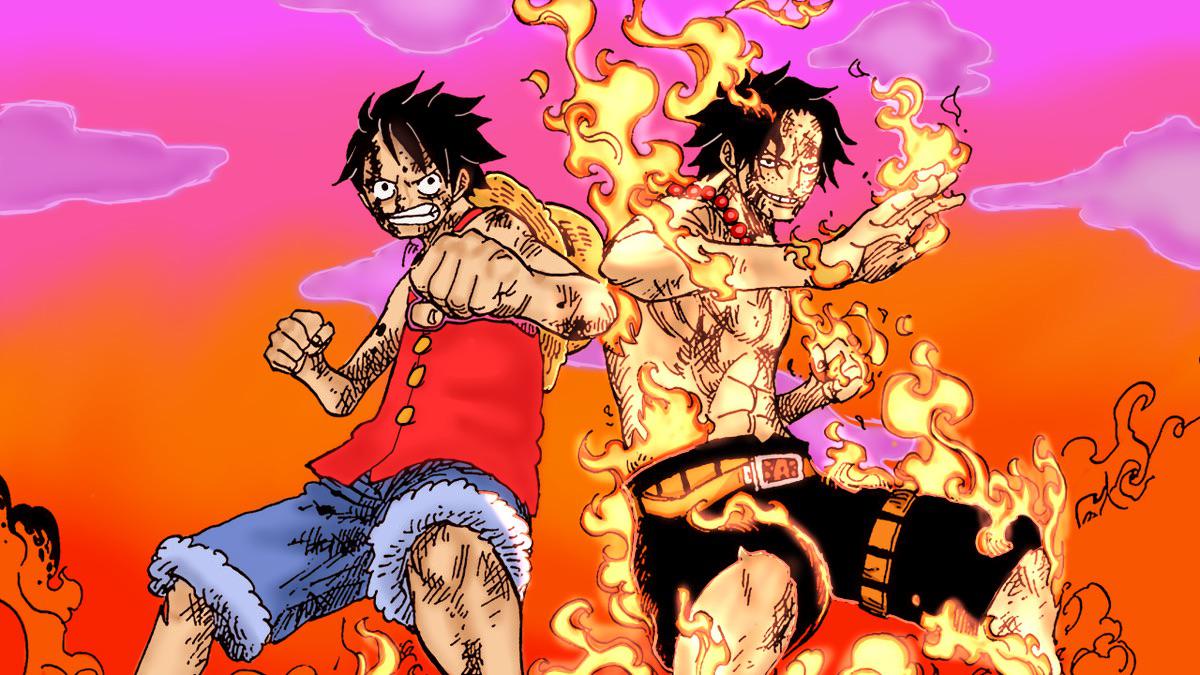
Ace and Luffy
After Ace’s death, Luffy’s resolve was solidified. The pain he experienced pushed him to become more focused and disciplined. The death of his brother reminded Luffy that there were people who depended on him, and he could no longer afford to be careless or naïve. In addition to the emotional toll, it served as a reminder that his dream had consequences, and the world was not kind to those who were unprepared.
The guilt Luffy felt for not being able to save Ace weighed heavily on him. This feeling of failure motivated him to push his limits and become stronger. He now understood the weight of the responsibility he carried, both for his crew and for those who believed in him. Luffy’s journey would no longer be just about adventure; it was about honoring Ace’s legacy and ensuring that no one else he cared about would meet the same fate.
The Legacy of Ace’s Death on Luffy’s Leadership

Ace and Luffy
Ace’s death also played a crucial role in shaping Luffy as a leader. Prior to the event, Luffy was often seen as carefree and impulsive, but after the loss, he became more mindful of his crew’s well-being. He realized that he could not lead with blind optimism alone; leadership required strength, wisdom, and the ability to protect those he loved. As a result, Luffy began to take on a more mature and thoughtful approach to leadership.
Ace’s death remains a defining moment in Luffy’s life. It transformed him from a carefree pirate into a focused individual determined to overcome the world’s greatest challenges. His growth, both as a person and as a leader, can be traced back to that painful loss. In the end, Ace’s death became the catalyst for Luffy’s evolution, proving that even in the face of tragedy, there is room for growth.
Itachi Uchiha’s death in Naruto Shippuden remains one of the most pivotal moments in the series, not only for the character of Sasuke but for the entire narrative of the anime. His death is the culmination of a complex tale of sacrifice, guilt, and redemption. Without it, the story would have lacked the emotional depth and direction needed for Sasuke’s development and the ultimate resolution of the Uchiha clan’s tragic fate.
At first glance, Itachi’s death might appear to be an act of unnecessary violence, as he was a powerful and enigmatic character. However, his demise was essential for Sasuke’s character growth. Itachi’s death forced Sasuke to confront the harsh realities of the Uchiha clan’s history, setting him on a path that ultimately led to his transformation into a more complex and multifaceted character. This event also allowed for the uncovering of the true motivations behind Itachi’s actions.
Itachi’s True Motivation
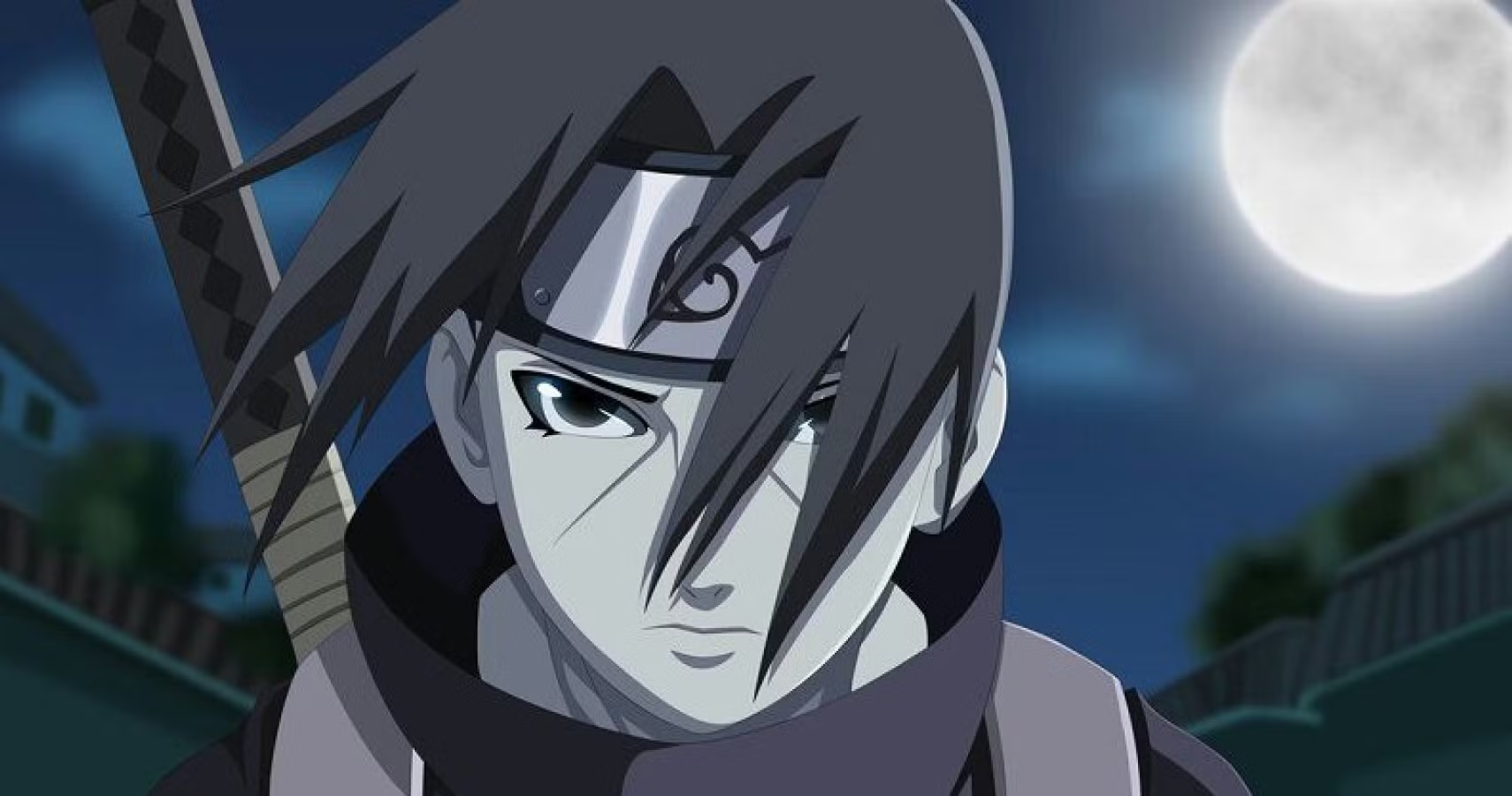
Itachi Uchiha (via Pierrot)
Itachi’s death became a crucial turning point in Sasuke’s life because it revealed the truth about Itachi’s actions. While many believed that Itachi killed the Uchiha clan out of malice, it was later exposed that he had sacrificed everything to protect his younger brother and the village of Konoha. This revelation gave Sasuke the chance to understand his brother’s pain and sacrifice. Itachi’s actions were the foundation for Sasuke’s internal struggle, leading him to question the concept of justice and revenge.
The death of Itachi also highlighted the complexity of the relationship between siblings and the lengths to which Itachi went to protect Sasuke. Itachi’s ultimate goal was not to harm Sasuke but to ensure that Sasuke would remain alive to fight for the future. His death was not only a personal loss for Sasuke but a powerful moment of realization about the cost of power and the sacrifices made in the name of love and duty.
Sasuke’s Path After Itachi’s Death
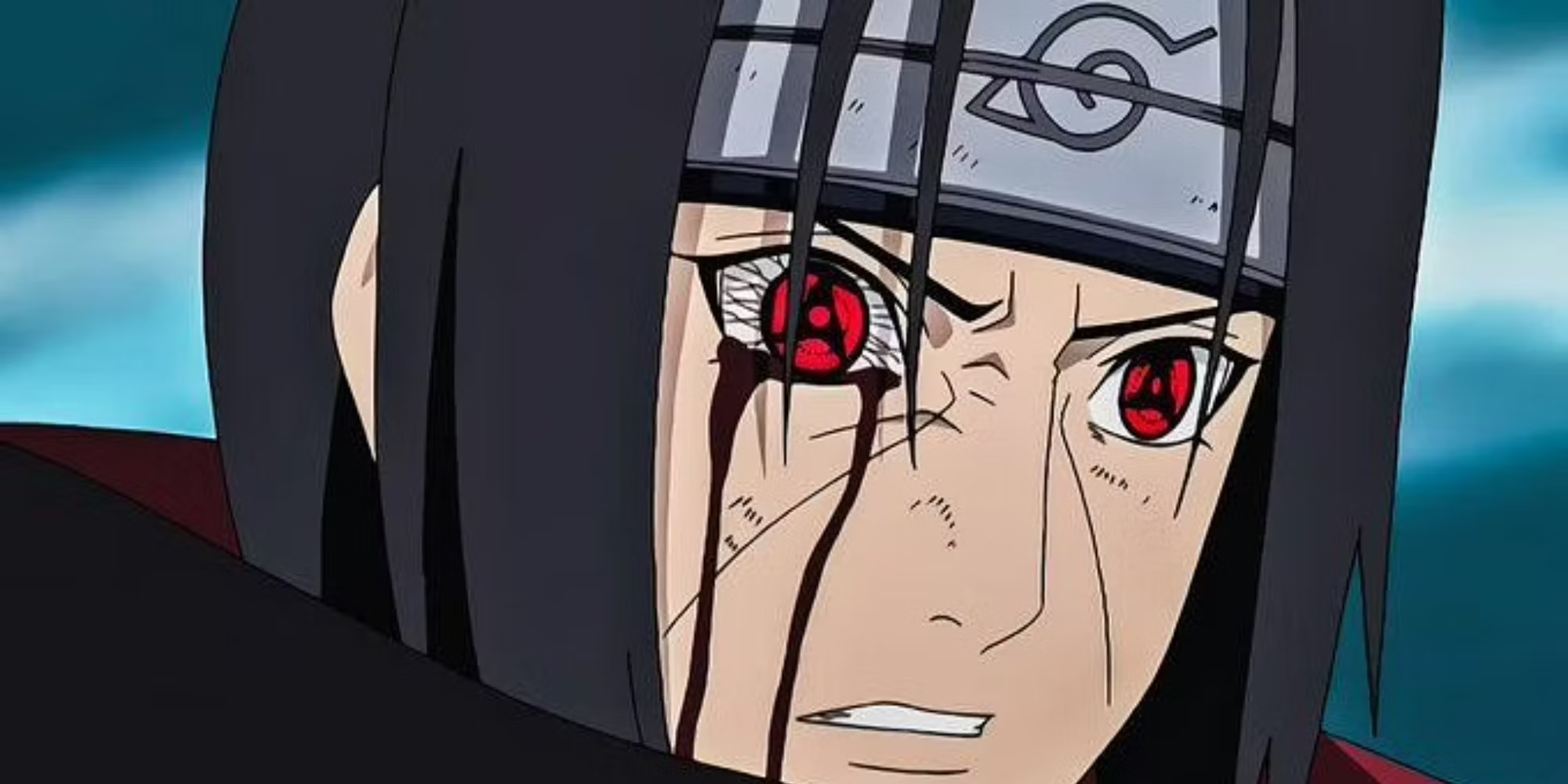
Itachi Uchiha (via Pierrot)
After Itachi’s passing, Sasuke’s entire perspective on the world was altered. He initially sought revenge, driven by a desire to avenge his brother’s death and his clan’s destruction. However, upon learning the truth, Sasuke’s motivations became more complicated. Itachi’s death forced him to grapple with conflicting emotions, ultimately pushing him to challenge his own beliefs about revenge, justice, and the future of the Uchiha legacy.
Itachi’s death, while tragic, set the stage for Sasuke’s eventual redemption. It allowed Sasuke to step out of the shadow of his brother and create his own path. The grief and confusion that followed Itachi’s death were necessary for Sasuke to realize his true purpose and to break free from the cycle of hatred. Itachi’s sacrifice became the foundation for Sasuke’s eventual decisions and actions that would affect the entire shinobi world.

Naruto centers on Naruto Uzumaki, an orphaned boy shunned by his village because of the Nine-Tailed Fox sealed inside him. Unaware of why he’s rejected, he yearns for acceptance and sets his sights on becoming Hokage, the village’s strongest ninja, in hopes of earning recognition and respect.
