Google’s latest Transparency Report has highlighted how major copyright holders, particularly VIZ Media, are playing a crucial role in shaping the digital through their takedown requests. With the aim of informing the public about the extent of copyright infringement in Google Search, the report shows that VIZ Media, a significant U.S. manga publisher, has authorized a staggering 305 million URLs to be removed from Google’s search results. These links came from 49,906 domains, underlining how a small number of sites are responsible for large-scale piracy.
The report also reveals that VIZ Media’s aggressive approach to copyright protection places them among the most active publishers in the U.S. According to Google, VIZ Media ranks as the seventh-largest entity in terms of issuing takedown requests, with over 305 million URLs being flagged for potential infringement. This marks a significant effort in combatting piracy and protecting intellectual property in the manga industry.
In the broader context of global piracy trends, data from MUSO, a data analytics company, emphasizes how widespread manga piracy is. Published works, particularly manga, account for nearly 69% of all pirated material worldwide, making it the second-most pirated medium after TV content. Manga’s prominence in piracy statistics has contributed to its ongoing battle against copyright violations, with VIZ Media leading the charge.
VIZ Media Among Top U.S. Copyright Takedown Requesters on Google Search
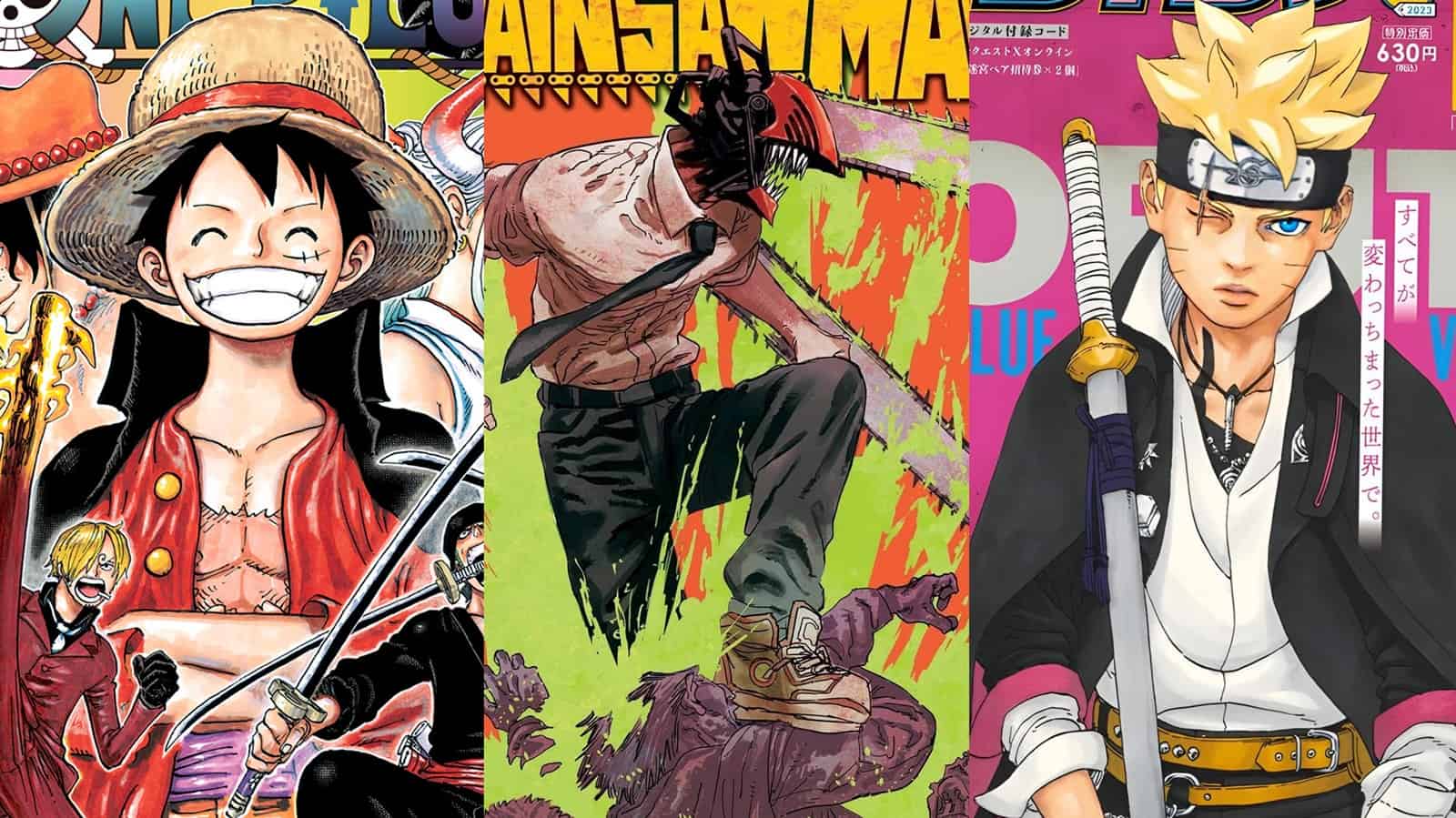
One Piece, Chainsaw Man, and Boruto (Credits: Shonen Jump Comics & V-Jump)
As a leading player in the U.S. manga market, VIZ Media holds a dominant position, accounting for over 57% of all sales in 2023’s top 750 best-selling manga titles. This includes major works like One Piece and Jujutsu Kaisen, which are not only popular but also heavily pirated. These titles’ widespread fame has made them targets for online piracy, necessitating aggressive legal actions like takedown requests to curb their unauthorized distribution.
Alongside VIZ Media, other companies like Crunchyroll and Funimation also feature prominently in Google’s takedown report. Both companies, which are major players in anime and manga licensing, combined to remove nearly 45 million URLs. Interestingly, companies like VIZ Media, Crunchyroll, and Funimation don’t always handle takedown requests directly; instead, they authorize third parties, such as Remove Your Media LLC (RYM), to manage the process for them.
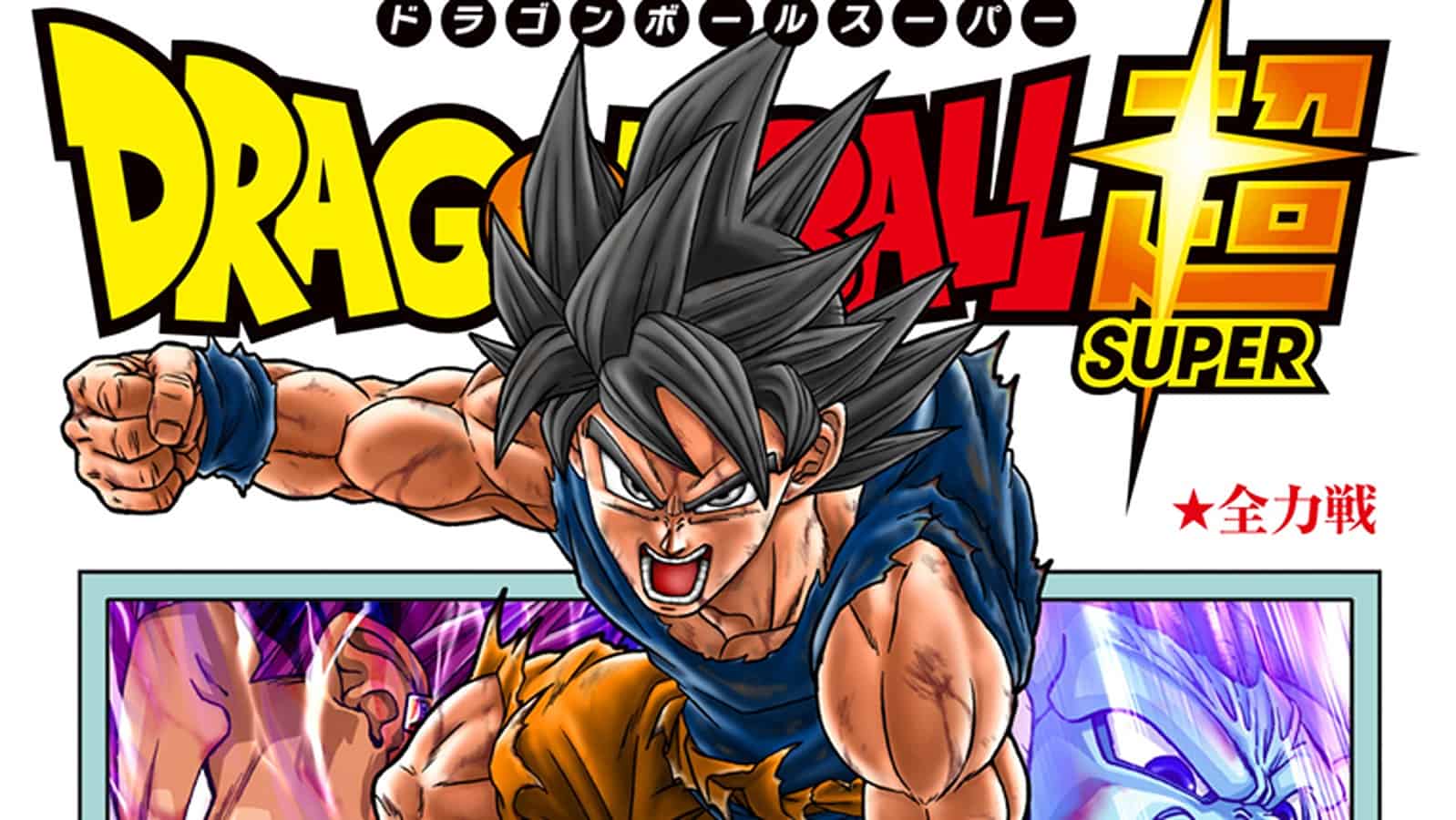
Dragon Ball Super (Credits: Manga Plus)
RYM is one of the most active copyright representatives, responsible for over 680 million URLs being removed. The collaboration between VIZ Media, RYM, and other industry players has proven vital in maintaining control over the distribution of copyrighted content. This ongoing effort reflects the industry’s commitment to protecting intellectual property and preserving the value of legally licensed material.
Beyond copyright takedowns, VIZ Media’s parent company, Shogakukan-Shueisha Productions Co. (ShoPro), has been instrumental in the fight against piracy. ShoPro, a core member of CODA (Coalition of Digital Assets), frequently takes legal action against piracy websites in the U.S., seeking subpoenas from the courts to identify and take further action against pirate site operators. Recently, CODA requested subpoenas for eight alleged manga piracy sites to gather information from companies like Google, Cloudflare, and PayPal, underscoring the industry’s proactive stance in combating piracy.
A newly released trailer for Hayao Miyazaki and the Heron, a documentary about the making of Miyazaki’s latest Academy Award-winning film The Boy and the Heron, reveals intimate insights into the revered director’s creative journey. The film, distributed by Madman Films in Australia and New Zealand, explores the personal struggles Miyazaki faced during production. The documentary highlights Miyazaki’s connection to the story, which he described as autobiographical, drawing from his own experiences growing up in rural Japan after fleeing Tokyo during World War II.
The Boy and the Heron follows Mahito, a young boy caught in the aftermath of war, as he moves to the countryside after his mother’s death. The film’s narrative revolves around Mahito’s struggles with his new life, his father’s new partner, and a mysterious heron that leads him to a magical tower. This tower allows Mahito to find alternate realities, forcing him to confront his future choices and reality. Miyazaki’s life and themes reflect in Mahito’s journey, blurring the lines between fantasy and reality.
New Trailer for Hayao Miyazaki and the Heron Sheds Light on Director’s Personal Struggles
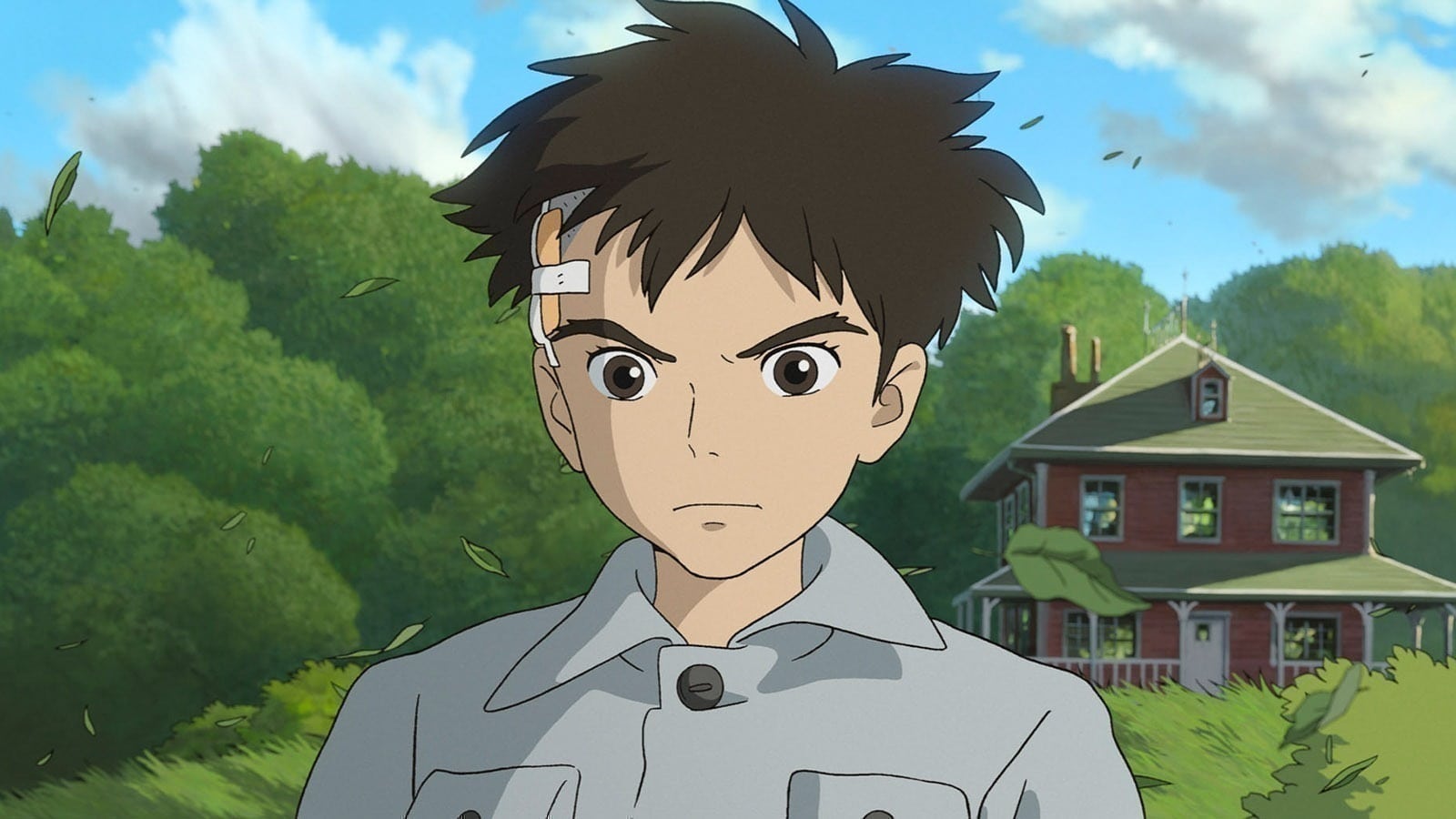
The Boy and the Heron (Credits: Studio Ghibli)
The documentary also goes into Miyazaki’s personal struggles as he created the film. In the trailer, Miyazaki humorously admits, “I think my brain is broken,” as he reflects on the challenge of finding the boundary between the real and fantastical. Toshio Suzuki, the president of Studio Ghibli and a close friend of Miyazaki, offers his perspective, describing how Miyazaki is constantly moving between these worlds, losing the ability to tell them apart. Suzuki’s role throughout the process is highlighted as both a friend and creative collaborator, helping push Miyazaki’s imagination to its limits.
The documentary spans seven years of exclusive behind-the-scenes footage, offering an in-depth look at the making of The Boy and the Heron and the intricate relationship between Miyazaki and Suzuki.
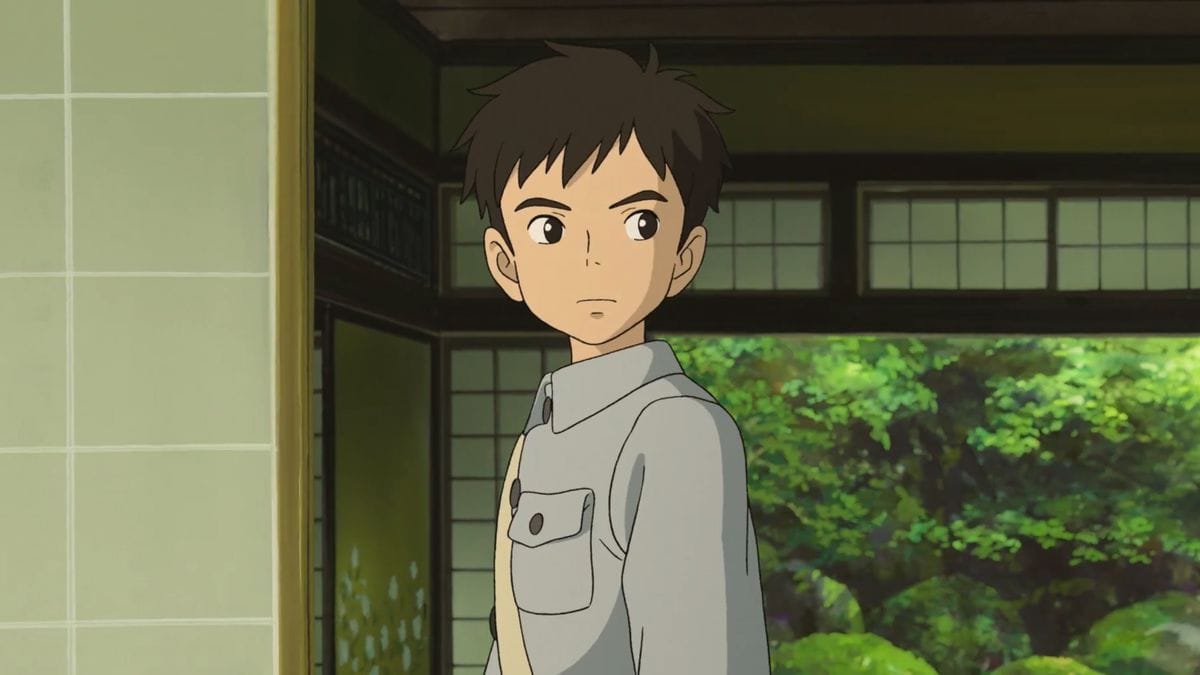
The Boy and the Heron (Credits: Studio Ghibl)
The official description of Hayao Miyazaki and the Heron presents the film as both a documentary on the film’s creation and a poignant reflection on the artist’s own battle with reality. The collaboration between Miyazaki and Suzuki is depicted as a “dance of deception and friendship,” ultimately leading to the creation of an unprecedented masterpiece.
The Boy and the Heron marks Miyazaki’s fourth return from retirement after he first announced his retirement in 1997 following Princess Mononoke. Despite his promises to step away, Miyazaki has continued to work, and it was recently revealed that he is already working on another project.
