Roronoa Zoro’s dream of becoming the world’s greatest swordsman is more than just personal ambition—it is a testament to his strength, discipline, and loyalty. His goal is not simply about surpassing others in combat but about proving his dedication to an oath he made as a child. This determination fuels his journey, shaping him into one of the most resolute characters in One Piece.
Beyond individual growth, Zoro’s ambition aligns with the larger themes of One Piece. His unwavering pursuit of strength mirrors Luffy’s dream of becoming the Pirate King, reinforcing the idea that the Straw Hats are bound by their commitment to greatness. His path is one of continuous hardship, but every battle, every setback, and every victory pushes him closer to his ultimate goal.
A True Symbol of Strength
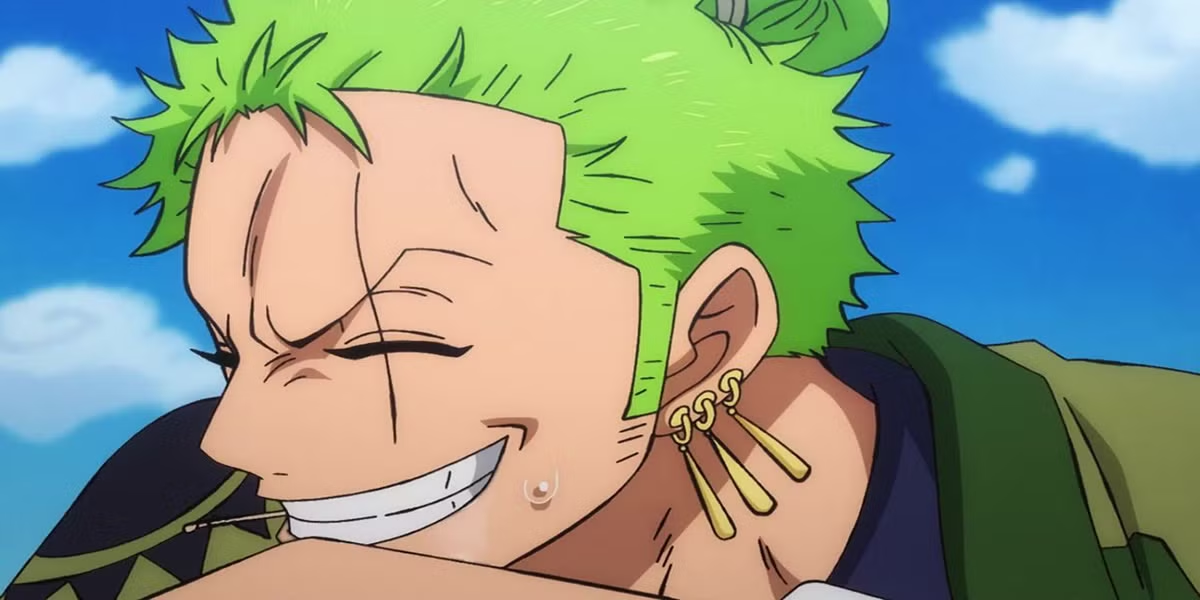
Zoro From One Piece (Credits: Viz Media)
As the swordsman of the Straw Hat crew, Zoro’s dream represents more than personal success—it embodies raw strength. His position as Luffy’s right-hand man means he must always be prepared to defend his captain and crewmates. His relentless training and combat experience reflect his belief that true strength is not just power but the ability to protect those who matter.
His status as a warrior is not just about skill—it is about responsibility. Every time Zoro steps onto the battlefield, he carries the weight of his ambition, proving his worth through sheer determination. This pursuit of mastery is what makes him such an unshakable force in the world of One Piece.
Zoro’s drive stems from a childhood promise to his friend and rival, Kuina. Her death left him with a mission—to achieve what she could not and claim the title of the world’s strongest swordsman. This emotional foundation adds depth to his dream, making it more than a simple desire for power. It is a vow that fuels his every action, shaping him into the swordsman he is today.
This personal connection to his goal makes every fight more meaningful. For Zoro, surpassing Dracule Mihawk is not just about proving himself but about honoring a past that still defines him. His dream is deeply rooted in his identity, pushing him to test his limits at every turn.
Despite his personal ambitions, Zoro’s loyalty to Luffy remains unwavering. He is willing to sacrifice his own dreams if it means protecting the captain he has sworn to follow. This devotion was most evident when he willingly endured unbearable pain in Luffy’s place, proving that his commitment to the crew is just as strong as his personal goal.
His belief in Luffy’s dream does not diminish his own—it strengthens it. Just as Luffy strives for the title of Pirate King, Zoro walks his own path toward becoming the greatest swordsman. Their shared ambitions reflect the spirit of the Straw Hats, a crew built on the pursuit of impossible dreams.
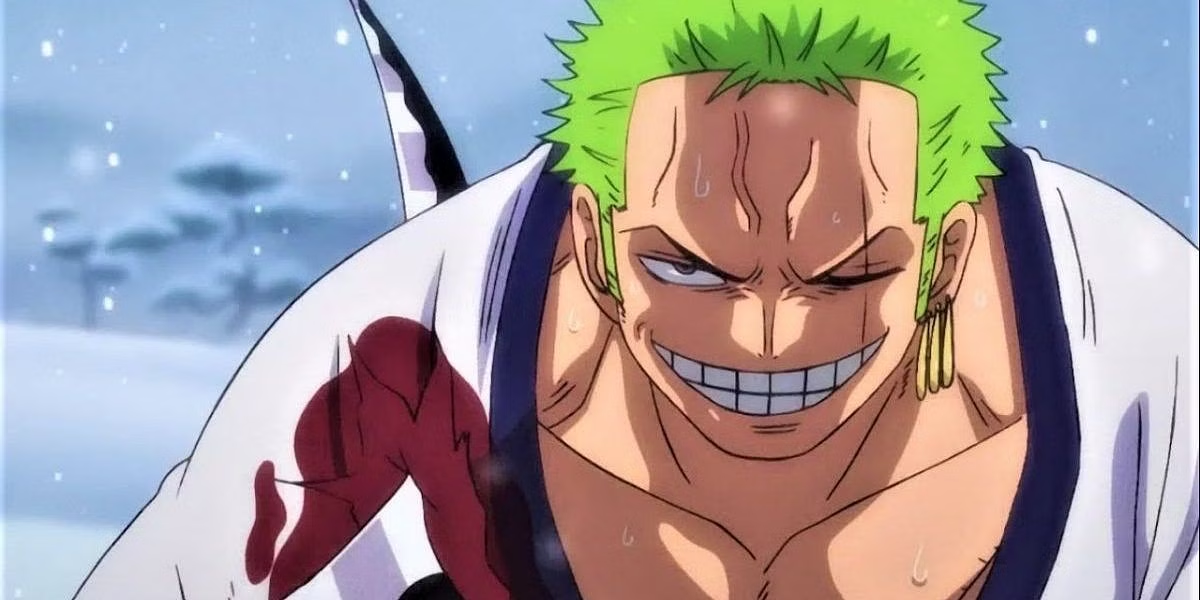
Zoro From One Piece (Credits: Viz Media)
Every challenge Zoro faces brings him closer to his ultimate goal. His character is defined by perseverance, constantly pushing past his own limits to refine his skills. Whether battling formidable opponents or enduring brutal training, Zoro’s journey is one of constant self-improvement.
This relentless pursuit of strength makes him an inspiring figure, both within the One Piece world and to fans alike. His dream is not a fleeting wish—it is an unshakable destiny he is determined to claim.
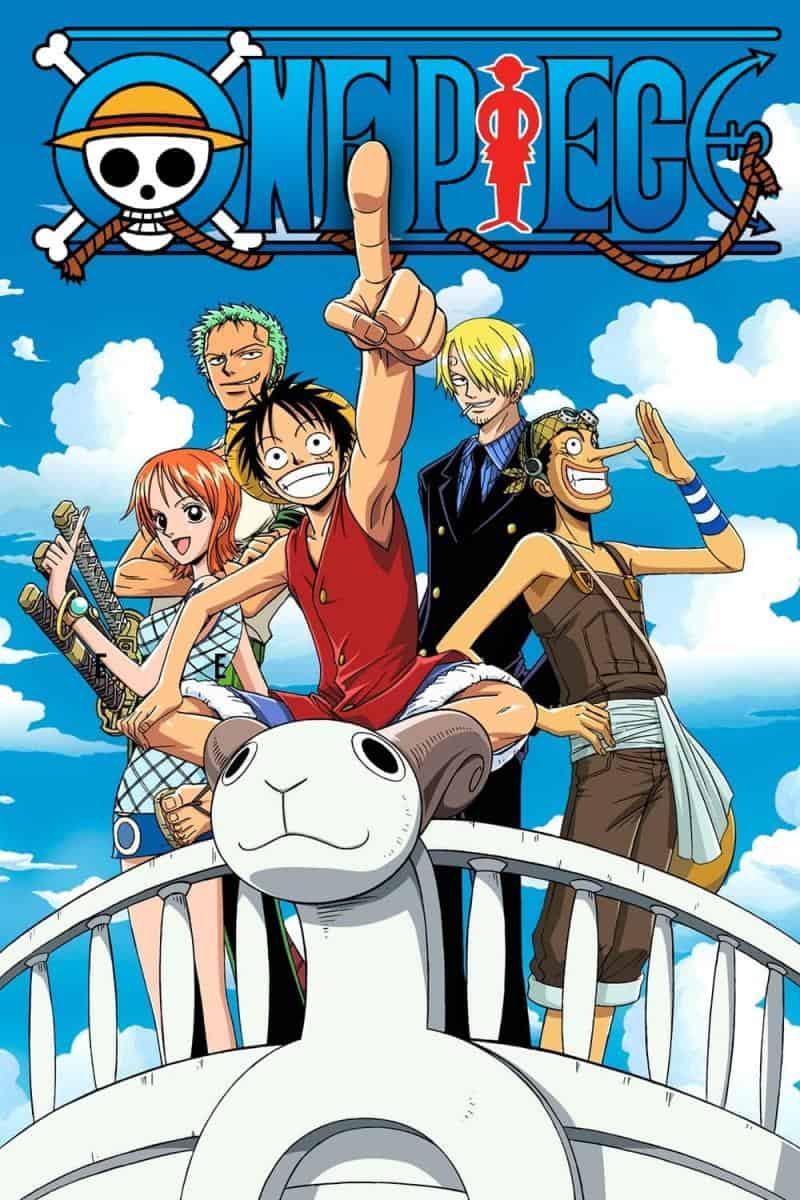
“One Piece” is a beloved Japanese manga and anime series that chronicles the adventures of Monkey D. Luffy and his pirate crew. Luffy, imbued with rubber powers from a mystical fruit Hito Hito no Mi, aspires to become the Pirate King. To achieve this, he seeks the ultimate treasure, the “One Piece,” hidden at the Grand Line’s end. Along the journey, Luffy gathers a diverse crew, confronts formidable foes, and uncovers world-altering secrets, all while promoting themes of friendship, freedom, and adventure.
Pain, known as Nagato, was not a villain who sought destruction for its own sake—his goal was peace. However, his vision of peace was one born from suffering, shaped by the tragedies he endured as a child. In a world defined by endless war, he believed that people would only understand true peace once they experienced deep and equal suffering. His philosophy was not one of cruelty but of forced enlightenment.
Rather than trusting in diplomacy or goodwill, Pain saw fear and anguish as the only reliable deterrents to war. By inflicting devastating pain on all nations, he believed he could unify people through shared suffering. His ideology was extreme, but in his eyes, it was the only solution to the endless cycle of hatred that had plagued the ninja world for generations.
A Childhood Marked by Tragedy
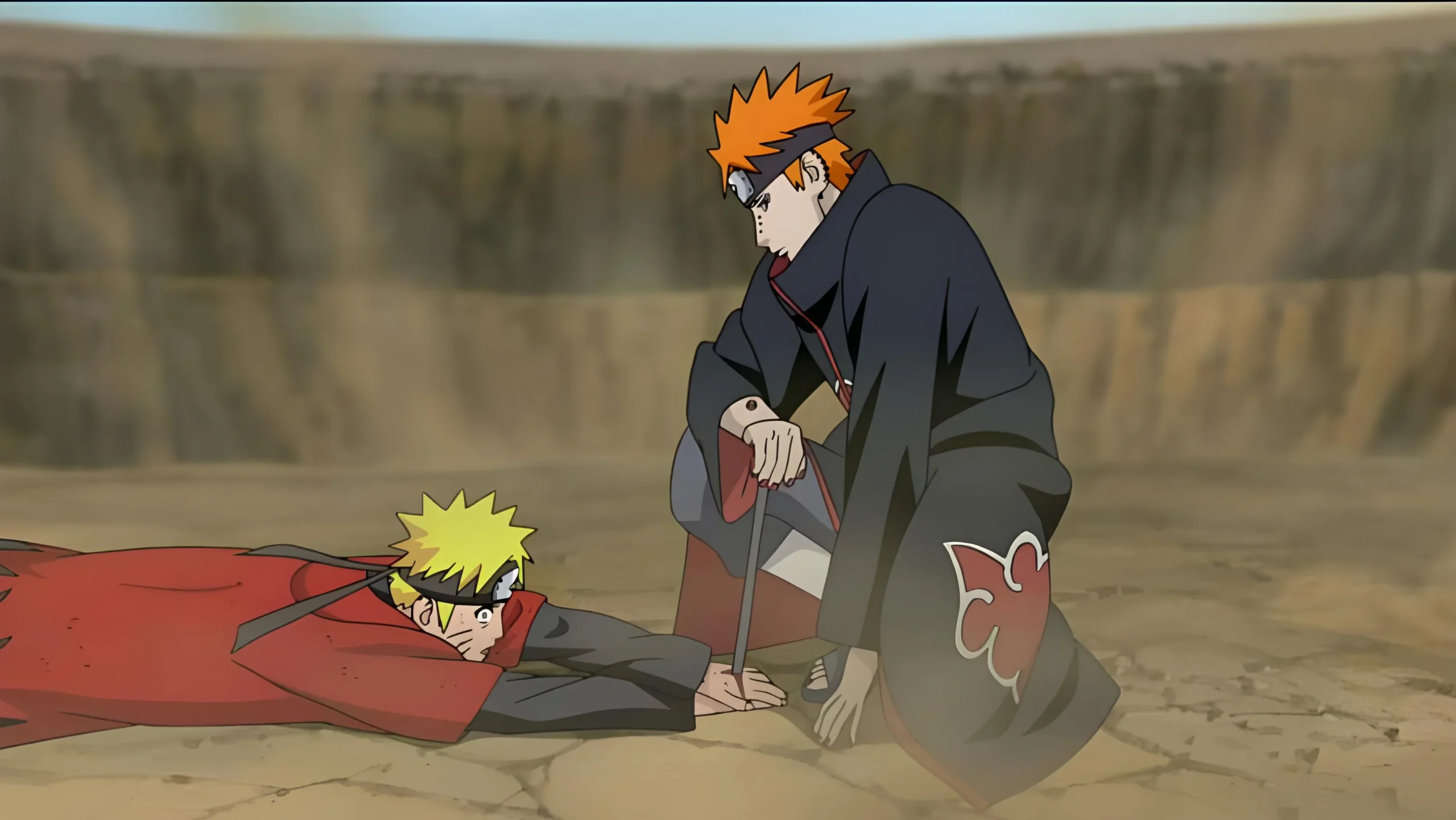
Pain (Credits: Pierrot)
Nagato’s outlook on peace was shaped by the horrors he witnessed in the war-ravaged Rain Village. From a young age, he experienced the brutality of war firsthand, losing his parents and struggling to survive in a world that had already given up on him. These experiences left deep scars, teaching him that suffering was inevitable and that only those who understood pain could truly value peace.
His tragic past was not just a personal burden—it became the foundation of his beliefs. He did not seek vengeance but instead a way to end the suffering he and countless others had endured. This belief would ultimately lead him down a dark and violent path.
Pain’s core ideology revolved around one chilling concept—peace could only be achieved through shared suffering. He believed that if every nation experienced the same level of devastation, they would become less likely to engage in future wars. His ultimate goal was to create a cycle where pain itself would act as a deterrent, forcing humanity to think twice before repeating its mistakes.
To him, suffering was not just a consequence of war—it was the only thing capable of stopping it. By making the world feel the same agony he had known, he hoped to instill fear powerful enough to prevent further bloodshed.
Pain’s use of the Six Paths technique was not just a demonstration of his immense power but also a reflection of his ideology. Each of the six bodies he controlled represented a different form of suffering, reinforcing his belief that pain was a universal force that shaped all life. Through these bodies, he carried out his vision, ensuring that his message would be felt by all.
Every action he took was designed to prove his point—that true peace could only be achieved when the world understood suffering on a grand scale. His methods were ruthless, but in his mind, they were necessary to break the cycle of hatred.

Naruto And Sasuke (Credits: Pierrot)
Pain was not driven by greed, revenge, or power—he was driven by a vision of a better world, albeit one achieved through terrifying means. His belief that control and fear were the only ways to bring peace set him apart from other villains. He was not seeking chaos but rather an end to it.
His philosophy was flawed, but it was born from genuine pain and a desire to change the world. While his methods were extreme, they raised a haunting question—can true peace ever be achieved without suffering?

Naruto centers on Naruto Uzumaki, an orphaned boy shunned by his village because of the Nine-Tailed Fox sealed inside him. Unaware of why he’s rejected, he yearns for acceptance and sets his sights on becoming Hokage, the village’s strongest ninja, in hopes of earning recognition and respect.
