In recent years, documentaries have taken many different forms, with some offering fresh ways to present historical events. Some documentaries stick to a formula, giving us a familiar structure: archival footage spliced together with interviews from experts or people connected to the story.
But, with the growing availability of technology used in everyday life, like body cams, CCTV, and personal recordings, new elements are being added to documentary filmmaking, particularly in true crime. These resources have enhanced the presentation of real events, providing viewers with a more intimate and direct experience.
Sometimes, though, recreations of past events can make a documentary feel less serious or even cheap. They can remind viewers of ‘80s true crime shows that aired on cable TV.
However, certain filmmakers are changing the game by mixing fact and fiction, using the techniques of narrative filmmaking to create something more engaging and dynamic. One such filmmaker is Mati Diop, who brings a refreshing approach with her documentary Dahomey, a project that combines historical storytelling with cinematic flair.
Diop’s work won the Golden Bear at the Berlin International Film Festival, an indication of its unique and powerful storytelling. In Dahomey, Diop doesn’t simply retell history. Instead, she merges documentary techniques with narrative filmmaking to create a deep and meaningful portrayal of past and present.
Her approach invites the audience to look closely at how history, memory, and culture are intertwined, particularly through the lens of repatriation—returning cultural artifacts to their places of origin.
What is Dahomey About?
The documentary Dahomey focuses on the repatriation of 26 artifacts to the Republic of Benin in 2021. This country was once known as the Kingdom of Dahomey, a name that may be familiar to those who watched the 2022 historical film The Woman King, starring Viola Davis.
The Kingdom of Dahomey had a rich history, but during the French invasion in 1892, thousands of its cultural treasures were looted and taken to France. These objects were displayed at the Musée du Quai Branly – Jacques Chirac in Paris for over a century.
For many years, the people of Benin have been calling for the return of their cultural artifacts. These items, which include statues of King Glele and King Béhanzin, represent a significant part of their heritage. In 2021, 26 of these objects were finally returned to Benin. Diop’s documentary captures the emotional and historical significance of this repatriation process, offering viewers a look into what it means for a nation to reclaim a piece of its past.
Right from the start, Diop makes it clear that she is not interested in the typical documentary format. Instead of beginning with a long explanation about the Dahomey Wars, French colonization, or the events that led to the artifacts being returned, she uses a single title card to provide the essential information.
From there, the film takes a more visual and meditative approach, moving slowly through the halls of the museum. The camera focuses on the people involved in the repatriation process—security guards, movers, scientists, and anthropologists—without making them the main focus.
The camera also lingers on the artifacts themselves, capturing their beauty in a way that feels respectful and thoughtful. These objects are not glamorized or upgraded beyond their natural form; instead, they are presented as creations of human hands, made with care and artistry, and still standing after centuries of history.
The Artifacts Speak: A Unique Narrative Approach
One of the most interesting elements of Dahomey is the way Diop incorporates an unconventional narrative device: the voice of the artifacts themselves. Throughout the film, there are moments when the screen goes black, and we hear a deep, distorted voice, as if the objects are speaking directly to us.
The voice, which speaks in the Fon language, gives us insight into the thoughts and emotions of the artifacts as they make their journey back to Benin.
This technique is both experimental and evocative. It allows the audience to imagine what these cultural treasures might feel, after having been taken from their homeland and displayed in a foreign land for so long.
The voice of the artifacts describes their thoughts on returning home, expressing uncertainty about whether the place they are going back to is still the same one they left behind.
At one point, the voice says, “I feel far removed from the country I saw in my dreams.” This adds a layer of emotional complexity to the documentary, making the audience think about the relationship between cultural artifacts and the people to whom they belong.
The use of sound design in these moments is particularly effective. The voiceover is accompanied by the sound of nails being hammered and the light slowly fading as the artifacts are sealed in crates for transport. This creates a sense of claustrophobia and confinement, mirroring the objects’ journey from one place to another.
It also gives viewers a deeper connection to the artifacts themselves, as they are no longer just inanimate objects but something more, almost alive with their own memories and histories.
A Joyous Yet Unsettling Homecoming
When the artifacts finally arrive back in Benin, we see real footage of the celebrations that took place. The streets are filled with performers, crowds of people cheering, and a sense of pride and joy. For the people of Benin, the return of these objects represents a victory—a triumph over colonization and a celebration of their enduring culture.
However, Diop does not let the audience settle into the comfort of these happy moments for too long. The voice of the artifacts reminds us that while the objects have come home, things have changed. They speak of feeling alienated, not quite recognizing the land they once called home.
This adds an underlying tension to the film, reminding viewers that the scars of colonization cannot be erased by the return of a few objects. The history of exploitation and theft still lingers, even as the people of Benin celebrate.
The Role of Music in Dahomey: A Tool for Emotional Expression
Throughout the film, Diop uses music to convey the emotional range of the documentary. The score plays an important role, moving between different moods and tones as the film progresses.
In the early scenes, we hear soft, melodic music with the delicate sound of harps, which seems to emphasize the fragility and beauty of the artifacts. This music underscores the care that is being taken to protect and preserve these objects during their journey home.
As the film moves forward, the music shifts. It becomes more electronic, with heavy synth sounds that create a slightly eerie, almost sci-fi atmosphere. This change in tone reflects the strangeness and alienation felt by the artifacts as they narrate their thoughts.
The deep, distorted voice that speaks for the objects adds to this sense of disconnection, making the audience feel as though they are hearing from something far removed from humanity.
Some viewers might find this voice unsettling, and Diop’s choice to make the narrator sound so different from human voices is a deliberate one. It distances the audience from the artifacts, making them seem otherworldly, but it also risks alienating viewers from the beauty and depth of the language being spoken.
A more natural voice might have allowed audiences to connect more closely with the artifacts’ narration, helping them appreciate the vernacular and regional accent of the Fon language.
Conversations on Repatriation: A Look to the Future
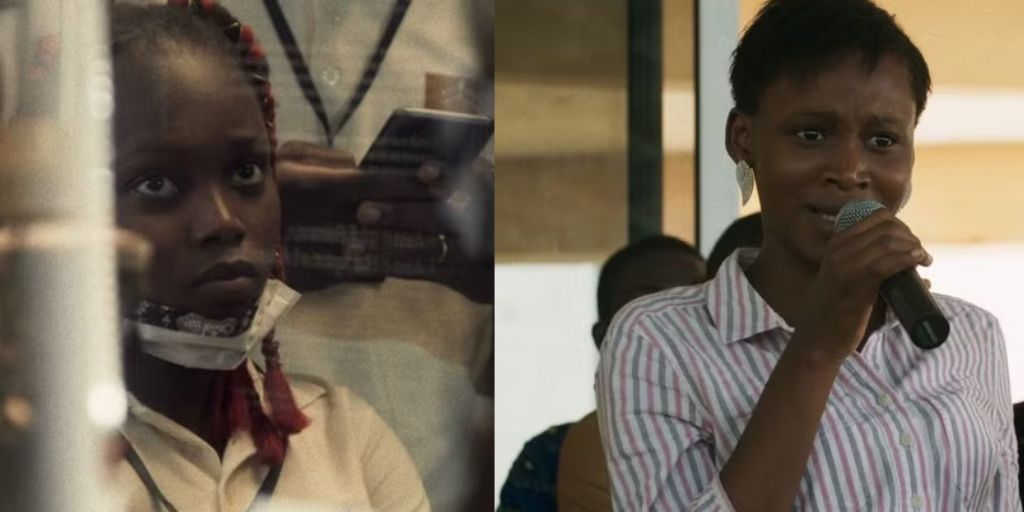
The second half of Dahomey takes a more direct and naturalistic approach, focusing on a conversation between students at the University of Abomey-Calavi.
These students are discussing the repatriation of the artifacts, and while they acknowledge that the return of the 26 objects is a positive step, they point out that there is still a long way to go. The students call for the return of all the stolen artifacts—more than 7,000 of which remain in the Paris museum.
Diop captures this conversation in a raw, unpolished way, using a shaky camera that follows the voices of the speakers rather than relying on neat cuts between shots.
This technique makes the discussion feel immediate and urgent, as though it is happening in real-time. It also reflects the ongoing nature of the issues being discussed; the repatriation of cultural artifacts is not a settled matter but a continuing struggle for justice.
Through this debate, Diop reminds the audience that the return of these artifacts is not the end of the story. While it is a victory for the people of Benin, it is also a reminder that much more work needs to be done.
The young people in the film represent the future, and they are determined to continue calling for reparations for the injustices of colonization. Their voices and perspectives offer hope for a more just and equitable future, one in which the cultural heritage of all nations is respected and preserved.
Colonization’s Legacy and a Call for Justice
As Dahomey draws to a close, it confronts the larger issue of colonization’s legacy. The film makes a clear statement about the hypocrisy of colonial powers, who continue to benefit from the exhibition of stolen cultural objects.
These artifacts, which should have been returned to their rightful owners long ago, are still being paraded as symbols of European power and cultural superiority.
The documentary ends on a more somber note than viewers might expect. While the repatriation of the 26 artifacts is undoubtedly a moment of triumph, it is also a reminder of the deep wounds left by colonization. However, there is also a sense of hope.
Still from Dahomey (Credit: Mubi)
Diop’s film begins with older French men overseeing the repatriation process, but it ends with the voices of young students, who are committed to creating a more just future. This shift in focus from the past to the future suggests that while there is still much work to be done, the next generation is ready to take on the challenge.
A Dense but Vivid Scheme of History
Dahomey is not a documentary for everyone. Those who are deeply interested in history, anthropology, or the effects of colonization may find it fascinating, but others might struggle to stay engaged during its slower moments.
The film’s experimental style, especially the use of the artifacts’ voiceover, might not appeal to all viewers. However, with a runtime of just over an hour, Diop makes every moment count. She manages to pack centuries of history, injustice, and triumph into a film that is both dense and vivid.
For those willing to immerse themselves in Diop’s unique storytelling approach, Dahomey offers a powerful reflection on the importance of cultural heritage, the enduring impact of colonization, and the ongoing fight for justice and reparations.
Dancing with the Stars has been a popular reality show since it first aired in 2005. This show combines celebrities and professional dancers, who partner together to perform various ballroom dances. Each week, the audience watches these performances live and votes for their favorite couples.
The couples with the lowest combined scores from the judges and audience votes face elimination until only one couple remains. This couple wins the coveted mirrorball trophy.
Over the years, Dancing with the Stars has created many memorable moments and has become a staple of American entertainment. However, there is one major problem that continues to affect the competition: the voting system.
While the idea of letting fans vote for their favorite contestants seems exciting and engaging, it often leads to unfair results. Many talented dancers have been sent home early because they do not receive enough votes, even when they have high scores from the judges. This has caused frustration among viewers and fans alike.
This article will show the issues with the fan voting system in Dancing with the Stars. We will discuss how fan votes influence the outcome of the competition, why this can be problematic, and why the judges’ scores should carry more weight in determining who stays and who goes.
We will also consider potential solutions to improve the fairness of the voting system and enhance the viewing experience for everyone involved.
The Format of the Show
Dancing with the Stars features a diverse group of celebrities from various backgrounds, including actors, athletes, musicians, and reality TV stars.
Each season starts with a group of contestants who are paired with professional dancers. These professionals train their partners in different dance styles, including the cha-cha, tango, foxtrot, and waltz.
The show typically airs live, adding excitement and pressure for both the contestants and the audience. Each week, the couples perform for the judges and the viewers. The judges score the performances on a scale of 1 to 10, and these scores reflect the quality of the dance and the skill displayed by each couple.
After the performances, the audience has the opportunity to vote for their favorite dancers. The couple with the lowest combined score from the judges and audience votes faces elimination.
This format allows fans to engage with the show and support their favorite celebrities, but the reliance on fan voting can lead to unfair outcomes.
The Problem with Fan Voting
The fan voting system allows viewers to have a say in who stays in the competition, which can be exciting. However, it also leads to significant problems. Most viewers are not trained in ballroom dancing.
Therefore, their votes may not reflect the quality of the performances. Instead, fans often vote based on their personal feelings toward the celebrity, rather than their dancing skills.
Celebrity Status Over Skill
One of the biggest issues with the voting system is that it often prioritizes celebrity status over actual dance talent. Fans may be more likely to vote for a contestant they recognize or admire, regardless of their performance quality.
This creates a situation where skilled dancers can be eliminated while less talented contestants remain, solely because of their popularity.
Still from Dancing with the Stars (Credit: Disney)
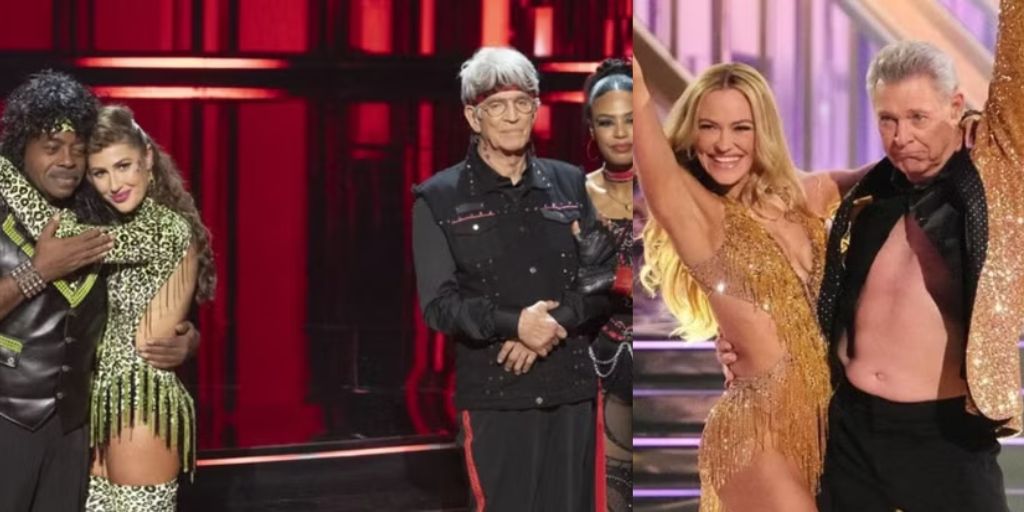
For example, in Season 32, Harry Jowsey, a reality TV star, was partnered with professional dancer Rylee Arnold. Despite his struggles with dancing, Harry managed to place sixth in the competition.
Many viewers were surprised because other contestants who had better skills and dance abilities were eliminated earlier in the season. This situation highlights how celebrity status can overshadow actual talent.
Another example is Lele Pons, a social media influencer and entertainer, who was considered one of the best dancers of the season.
Despite consistently scoring high with the judges, she was eliminated, leaving fans frustrated. The outcry from viewers made it clear that many felt the voting system needed to change to give skilled dancers a fair chance.
Notable Examples from Past Seasons
The Dancing with the Stars voting system has had several notable instances that have raised eyebrows and sparked debates among fans and judges alike. These examples illustrate the issues with the fan voting system and its impact on the competition.
Bobby Bones and the Controversy
One of the most discussed instances occurred in Season 27 when Bobby Bones, a radio personality, won the mirrorball trophy. Bobby was not known for his dancing skills, and throughout the season, he consistently received low scores from the judges. However, he had a large following due to his radio show, and he encouraged his listeners to vote for him each week.
As a result, Bobby advanced further in the competition than many talented dancers who received higher scores. Even as he improved over the weeks, the controversy surrounding his win raised questions about the fairness of the voting system. Many fans felt that his victory was not based on dance talent but rather on his popularity and the size of his fan base.
Bobby himself acknowledged the unusual circumstances surrounding his win, expressing confusion about how he had managed to secure the trophy. This situation exemplified the shortcomings of a voting system that allows fan votes to outweigh the judges’ expertise and scores.
Other Instances of Unjust Eliminations
The issue of unjust eliminations is not limited to just one season. Throughout the history of Dancing with the Stars, numerous talented contestants have faced early eliminations due to the voting system.
For instance, in Season 30, Jesse Metcalfe, an actor known for his work on Desperate Housewives, was eliminated despite showcasing strong performances. His early exit shocked many viewers, especially considering that other couples who scored lower continued in the competition.
In another example, Shangela, a drag performer, wowed judges with her talent and charisma but was eliminated in Season 31. Fans expressed their frustration, arguing that Shangela brought creativity and skill to the competition, and her departure felt unjust.
These examples highlight the recurring theme of fan voting causing skilled dancers to leave the show too soon. Viewers expect to see the best dancers compete for the title, but the voting system can disrupt this expectation.
The Importance of Judges’ Scores
The judges on Dancing with the Stars are experienced professionals with years of training in dance. They have the knowledge and skill to evaluate performances accurately. Their scores should weigh heavily in determining who stays and who goes home each week.
However, this is not always the case. Often, the judges’ scores do not have the same impact as fan votes. This creates a situation where a contestant who dances poorly can advance in the competition simply because they have a strong fan base. As a result, talented dancers may be unfairly eliminated, frustrating both the judges and the audience.
The judges’ expertise should be respected, and their opinions should carry more weight in the decision-making process. They understand the skills required for each dance and can offer valuable insights into which contestants deserve to stay based on their performances.
A Call for Change
Many viewers and judges have called for a change in the voting system. The current system creates an imbalance that undermines the competition’s integrity. The focus should be on the quality of the dance performances rather than the celebrity status of the contestants.
If the judges’ scores were given more weight, the competition would likely feel fairer. Viewers want to see the best dancers shine and be rewarded for their hard work. By reevaluating the voting system, Dancing with the Stars can better honor the talent of its contestants.
The Impact of Early Voting
One major change in recent seasons has been the shift to early voting. In earlier seasons, fans had time to cast their votes after the performances.
This allowed viewers to see all the dances before making their decisions. However, now, voting closes almost immediately after the last dance ends. This change puts contestants who perform later at a disadvantage, as some fans may not have time to vote.
Unfair Advantage to Early Performers
The early voting system can create an unfair advantage for contestants who perform earlier in the show. Those who dance later may not receive as many votes simply because viewers are rushing to vote without having seen their performance.
This situation also encourages viewers to vote based on their favorite celebrities rather than the quality of the dance they just witnessed. This system goes against the purpose of the show, which aims to showcase the talents of all participants.
The Need for More Time to Vote
It would be beneficial for Dancing with the Stars to allow more time for voting. This way, fans can watch all performances and make informed choices. Having time to reflect on the dances can lead to better decisions and help ensure that the most deserving contestants remain in the competition.
The show could also consider extending the voting window after the performances end. This way, viewers would have the opportunity to watch all the routines and vote accordingly. Allowing fans to make decisions based on the actual performances would enhance the fairness of the competition.
Viewer Frustration and Calls for Change
Many viewers have expressed their frustration with the fan voting system over the years. They feel that talented dancers are often sent home early while less skilled contestants stay longer due to their celebrity status. This has led to calls for change among fans and even some contestants.
Judges’ Reactions to Unfair Outcomes
Judges have also voiced their concerns about the current voting system. Len Goodman, the head judge until his passing, famously exclaimed, “There’s no justice here!” after Juan Pablo Di Pace was eliminated in Season 27. His statement resonated with many fans who felt that the voting system undermined the hard work and dedication of the dancers.
A Possible Solution
While fan voting is an essential part of Dancing with the Stars, it should not be the sole determining factor in eliminations. A balanced approach would allow fans to participate while still prioritizing the judges’ expertise.
Judges’ Scores Weighted More Heavily
One potential solution is to give the judges’ scores more weight in the full results. For example, if judges’ scores count for 70% of the total score and fan votes account for 30%, this would ensure that skilled dancers have a better chance of advancing. This system would encourage fans to support contestants based on their dance abilities rather than their celebrity status.
Additionally, this change could lead to more competitive and fair outcomes. Talented dancers would have a better opportunity to showcase their skills and continue in the competition, regardless of their fame. This would improve the full quality of the performances and create a more enjoyable experience for viewers.
Maintaining Fan Engagement
Fan engagement is crucial for the show’s success. Instead of eliminating fan voting, the show could make it more structured. For instance, fan votes could be collected during the show, but the actual results could be revealed later. This way, fans can engage with the competition while allowing judges’ scores to have a more significant impact on the outcome.
Still from Dancing with the Stars (Credit: Disney)
The show could also consider creating a system where fans can vote during the show but only for specific segments. For example, fans could vote on their favorite performances after all couples have danced. This would encourage viewers to engage with the competition while giving equal weight to both judges and fans.
Conclusion
Dancing with the Stars has provided entertainment for millions of viewers since its debut in 2005. However, the reliance on fan voting has created challenges that undermine the competition’s integrity. Talented dancers often leave the show too early, while less skilled contestants stay longer due to their celebrity status.
To maintain fairness, the show should reevaluate its voting system. The judges’ expertise should be valued more than public opinion.
By giving judges’ scores more weight and ensuring that fans can engage with the competition meaningfully, Dancing with the Stars can provide a better viewing experience for all.
The goal should be to showcase the true talent of each contestant and ensure that the best dancers are rewarded for their hard work. It is time for Dancing with the Stars to pull back on fan voting and create a fairer competition that honors the skill and dedication of all participants.
With a balanced approach, the show can continue to entertain while providing a fair and just environment for its dancers.
By addressing the current shortcomings of the voting system, Dancing with the Stars can maintain its popularity and keep viewers engaged while ensuring that the competition reflects true talent and skill.
