The Simpsons has stuck to certain familiar patterns over the years. Regardless of whether Homer Simpson (voiced by Dan Castellaneta) gets fired or stumbles into a new job, he continues working at the Springfield nuclear power plant.
Lisa (Yeardley Smith) remains the intelligent and responsible one, while Bart (Nancy Cartwright) never stops being the troublemaker.
Fans of The Simpsons have often tried, without success, to figure out where Springfield is located in the USA. Eventually, series creator Matt Groening revealed that he named it after Springfield, Oregon.
The biggest thing that stands out about The Simpsons is that the characters have not aged much during the 35 years the show has been on air.
This fact has led to many fan theories. Some believe Homer is in a coma, while others suggest that Springfield is stuck in a time loop. However, the most straightforward explanation is that The Simpsons uses something called a “floating timeline.”
This approach allows the show to keep updating itself while maintaining its key elements. Comic books, especially from Marvel and DC, have used this method for years.
The Simpsons was the first animated sitcom to adopt this tradition. While the floating timeline has helped the series stay relevant by addressing current trends, it has also created some inconsistencies in the storyline — but this might be coming to an end.
The Floating Timeline of ‘The Simpsons’ Has Created Some Conflicts
The floating timeline in The Simpsons allows the show to keep up with current pop culture trends. It also plays a part in the show’s strange habit of predicting events that later come true in real life. Since the characters do not age, anything is possible when it comes to comedy.
However, this floating timeline has caused the show to contradict itself, especially regarding Homer and Marge (Julie Kavner)’s relationship.
In Season 2’s episode “The Way We Was,” we see their first meeting in high school, with other episodes covering the early days of their marriage and the births of Bart, Lisa, and Maggie. However, newer episodes have changed this history.
For instance, Season 19’s “That ’90’s Show” (which is unrelated to the Netflix spinoff) alters the details of Bart’s conception. Season 29’s “3 Scenes Plus a Tag from a Marriage” takes it even further, showing that Homer and Marge lived in a different city from Springfield at one point.
These changes have upset some fans, but producer Matt Selman told IGN that the show was never meant to follow a strict timeline.
“We don’t have the pressures that other shows have — like needing to be serialized or having a season-long arc.
We’re a classic ’90s show where every episode could be the first or last episode of The Simpsons. We’re not really tied to continuity, even though some people love it. Each episode is like its own mini-movie.”
That approach, however, could change with Season 36.
‘The Simpsons’ Latest Season Might Introduce Real-Time Aging
Season 36 of The Simpsons is set to begin with an episode titled “Bart’s Birthday.” This will be the first time one of the Simpsons family members has an on-screen birthday.
Bart has always been shown as a 10-year-old, but now The Simpsons seems open to the idea of moving away from its floating timeline by aging Bart.
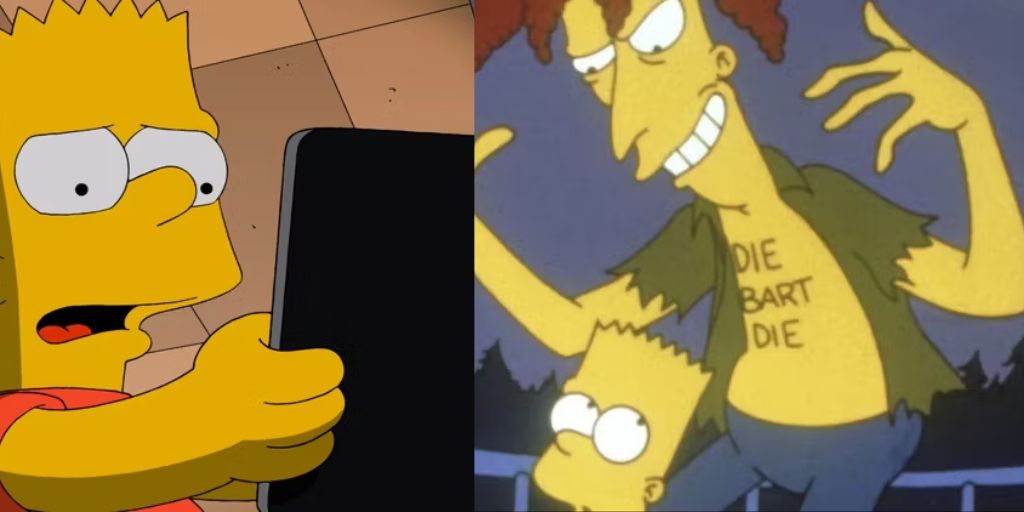
Still from The Simpsons (Credit: Disney+)
The show has experimented with glimpses of the future before, such as in the episodes “Lisa’s Wedding” and “Holidays of Future Passed,” where older versions of Bart, Lisa, and Maggie are shown.
However, Bart growing up became a real possibility in Season 35’s episode “A Mid-Childhood Night’s Dream.”
In this episode, Marge realizes that Bart is almost ready for fifth grade, making her come to terms with the fact that her “special little guy” is growing up.
This episode was praised for its emotional approach and may also have hinted that after 35 years, the creative team behind The Simpsons is ready to head in a new direction.
It remains to be seen whether “Bart’s Birthday” will truly mark a shift in the show or if the residents of Springfield will continue to live without aging.
The Simpsons can be streamed on Disney+, and Season 36 premieres on September 29, 2024.
Medical dramas are some of the most popular shows on TV today. These intense series mix dramatic medical procedures with the personal lives of the doctors who perform them.
Over the years, many variations of this genre have emerged, from classics like ER to the long-running Grey’s Anatomy.
Each show tries to offer something unique. In the case of Brilliant Minds, created by Michael Grassi, it centers around a controversial doctor.
This doctor struggles with recognizing faces but, at the same time, understands his patients in deeper ways that most others cannot.
This idea is based on a real medical condition and helps the show focus on presenting the complicated illnesses of its patients in ways that haven’t been shown before.
In doing this, Brilliant Minds manages to shed light on medical truths that other shows often overlook in favor of more dramatic moments.
The show delivers a unique portrayal of medical cases that viewers can relate to. With an outstanding main cast and impressive guest stars, the series succeeds in being different.
However, Brilliant Minds sometimes loses focus by relying too heavily on gimmicks instead of staying grounded in the compelling human stories it tries to tell.
This distraction prevents the show from fully realizing its potential. Like its main character, Brilliant Minds has difficulty recognizing the plots and people that could help make it stand out from other medical dramas.
‘Brilliant Minds’ Focuses on Patients First
Though the core idea behind Brilliant Minds is similar to other medical dramas, the show stands out due to its focus on patients.
The main character, Dr. Oliver Wolf (played by Zachary Quinto), is a talented neurologist whose dedication to his patients often gets him in trouble.
He has been fired from many hospitals in New York because of his extreme methods and his struggle with prosopagnosia, a condition that makes it hard for him to recognize faces.
Dr. Carol Pierce (played by Tamberla Perry), an old colleague, offers him a job leading her hospital’s neurology department.
Here, Dr. Wolf works with a group of passionate interns and handles challenging medical cases under the supervision of his estranged mother, Dr. Muriel Landon (played by Donna Murphy), who is the hospital’s director.
Although some elements of the show may seem familiar to viewers, Brilliant Minds quickly sets itself apart by emphasizing the well-being of the patients.
From the first episode, it’s clear that the show is as invested in the patients’ stories as it is in Dr. Wolf’s character.
It’s uncommon to see much experimentation in medical dramas, which is why Brilliant Minds may surprise viewers with its unique way of portraying the patients’ experiences.
Medical shows often rely heavily on complicated jargon that leaves non-medical viewers confused, making it harder to fully understand the severity of the cases presented.
Brilliant Minds uses the same medical terminology but pairs it with creative camera work and visual effects that help viewers experience the patients’ struggles firsthand. For example, one episode shows a woman who feels like she’s losing control over her body.
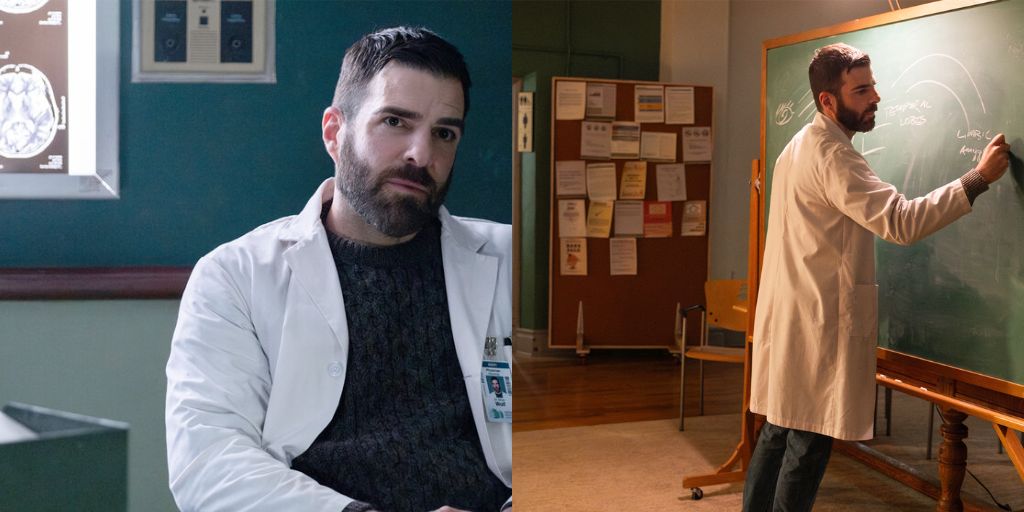
Still from Brilliant Minds (Credit: NBC)
Through powerful digital effects, the show helps the audience understand how terrifying this experience is for her, shifting the viewers’ perspective from outside observers to participants in her struggle.
This technique helps the audience feel more connected to the patients and adds a deeper layer of empathy. It’s a brilliant way to highlight the strength of the show — its focus on people.
The Show’s Performances Shine
Like many episodic series, Brilliant Minds brings in guest actors for one-episode roles. However, few shows in recent memory have featured such strong performances from these temporary cast members.
These guest actors create some of the most touching moments in the show, whether it’s an elderly man with Alzheimer’s recalling his family through music or a mother unable to recognize her own children. These scenes leave a lasting emotional impact.
The main cast also delivers powerful performances, with Ashleigh LaThrop’s portrayal of intern Ericka Kinney standing out. Ericka is a hopeful but exhausted young doctor who adds heart to the show.
Her realistic performance offers a perfect entry point for the audience, someone viewers can relate to as they follow the medical stories. However, LaThrop’s strong performance also highlights one of the show’s biggest flaws: it often loses focus on its characters in favor of quirky plot twists.
The lead character, Dr. Oliver Wolf, is the main culprit of this issue. The writers try so hard to make him stand out as a unique TV doctor that they excuse his rude behavior, making it seem like his so-called brilliance justifies his actions.
The show suggests that his difficulty with recognizing faces makes it hard for him to connect with others. This is a real challenge for those with this condition, but instead of showing this emotional distance, the show piles on dramatic plot twists and exaggerated traits to make him seem more distinctive.
This overemphasis on making him a “brilliant” but difficult doctor takes away from the more realistic and relatable stories the show could focus on. Dr. Wolf also frequently critiques the unfairness of the medical system, a topic that could make him more sympathetic.
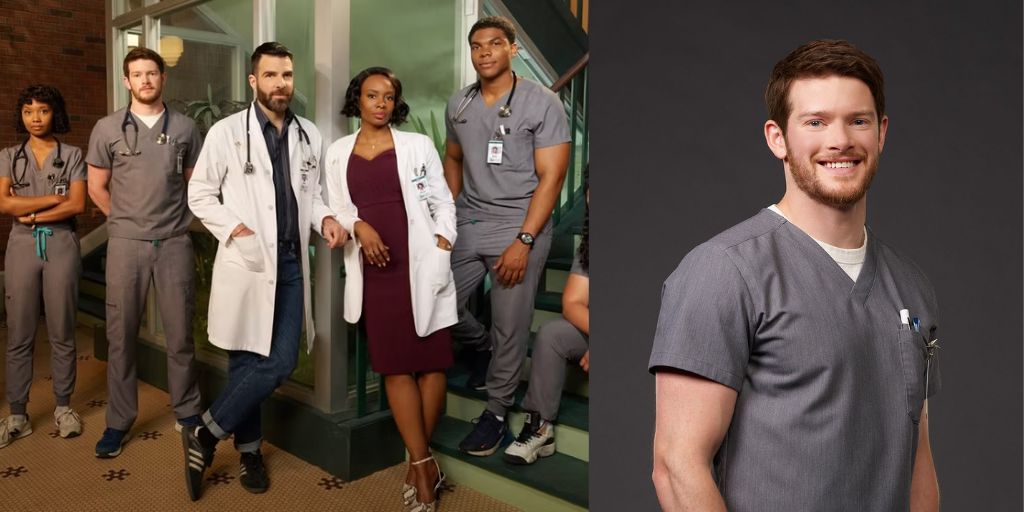
Still from Brilliant Minds (Credit: NBC)
However, the show rarely goes deep into this issue, only mentioning it in passing. This focus on adding new, exciting elements for the sake of being different weakens the show.
In one episode, an intern’s medical condition is treated almost like a superpower, while another episode centers around “WitchTok,” a trend that feels out of place in a serious medical drama. These gimmicks detract from the human-centered stories that should be at the heart of the show.
‘Brilliant Minds’ Needs More Time to Grow
Brilliant Minds deserves the chance to develop further. More episodes could allow the series to fix its early problems and focus on what truly matters: the emotional and medical realities of its characters.
The way the show brings viewers into the patients’ minds is powerful and creates a deep connection between the audience and the stories being told.
The empathy it generates for both the patients and the doctors is what makes the show special. However, before Brilliant Minds can reach its full potential, it needs to stop relying on gimmicks and focus on the genuine human experiences it already portrays so well.
Only then will it become a medical drama that truly stands out. Until then, Brilliant Minds risks being a show that fails to recognize the greatness it already possesses.

Still from Brilliant Minds (Credit: NBC)
Brilliant Minds is a new medical drama centered around Dr. Oliver Wolf, a neurologist with prosopagnosia, the inability to recognize faces. The show focuses on his dedication to patients and his struggle to connect with others due to his condition.
While the series stands out by highlighting the emotional and medical realities of its patients through unique visual effects and strong performances, it sometimes relies too much on gimmicks that detract from its core strength.
With more time, Brilliant Minds could refine its focus and become a standout medical drama by prioritizing its human-centered stories.
Brilliant Minds premieres on September 23 on NBC and will be available for streaming on Peacock in the U.S.
