The twist in The Sixth Sense reveals a groundbreaking truth that changes how we view the entire story. Dr. Malcolm Crowe (Bruce Willis), who has been working with young Cole (Haley Joel Osment) throughout the film, comes to the sensationalist realization that he has been a ghost all along. This revelation transforms their relationship and offers a deeper, more emotional understanding of their shared journey. By the end, both Malcolm and Cole have achieved peace, helping each other confront their struggles and find solace in their connection to the spirit world.
The Sixth Sense Ending Explained
At the start of The Sixth Sense , Malcolm is a psychologist helping Cole, a troubled young boy who claims to see dead people. At the same time, Malcolm is dealing with his own struggles—his guilt over the death of a former patient, Vincent Grey (Donnie Wahlberg), and the unraveling of his marriage to Anna (Olivia Williams). As Malcolm continues to guide Cole, he seeks to repair his personal life and understand the mysteries surrounding Cole’s visions. The two characters seem to be forming a bond, with Malcolm trying to help Cole live a more fulfilled life. However, the deeper twist isn’t revealed until later in the story.
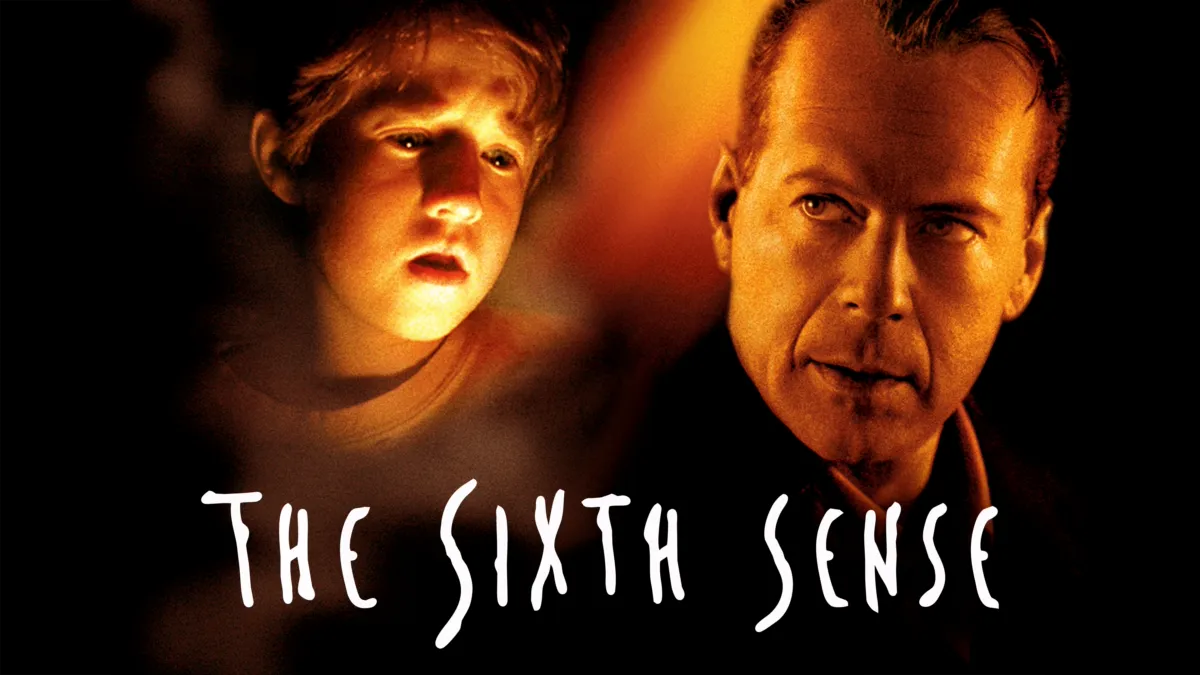
The Sixth Sense (Image via Getty)
The Heartbreaking Twist: Malcolm’s Death
The truth about Malcolm’s death unfolds in a series of powerful moments. In one scene, Malcolm is devastated to notice that his wedding ring has disappeared from his wife’s finger, which suggests the emotional distance between them. The key revelation comes when Malcolm realizes that he was fatally shot by Vincent in the opening scene, and as a result, he’s been dead throughout the entire movie. This realization is heartbreaking for Malcolm, who hasn’t accepted his death and is still trying to reconcile with his past and unfinished business. His journey is both emotional and spiritual as he discovers his true purpose—to help Cole.
The Healing Process for Malcolm and Cole
As the story progresses, Malcolm accepts his fate and moves toward closure. His role as a ghost was never just to watch over Cole, but to guide him through his struggles and help him confront the reality of the spirits he sees. For Cole, this revelation becomes empowering, as he learns to accept his unique ability. The most poignant moment in the film occurs when Cole opens up to his mother, Lynn (Toni Collette), about the ghosts he sees, particularly when he speaks of seeing her own mother. This breakthrough in communication highlights Cole’s growth and marks a significant shift in his emotional state.
The twist also reveals the deep connection between Malcolm and Cole, two lost souls who need each other. Malcolm’s role as a therapist changes once he understands that his patients can see him because they both share a connection to the spirit world. Cole, who initially felt isolated, finds comfort in the fact that someone else—Malcolm—believes him. It becomes clear that their interactions throughout the film have been facilitated by a spiritual bond, with Malcolm being the only person who truly understands Cole’s experiences. This unique relationship highlights the importance of understanding and empathy, making the twist both powerful and emotional.
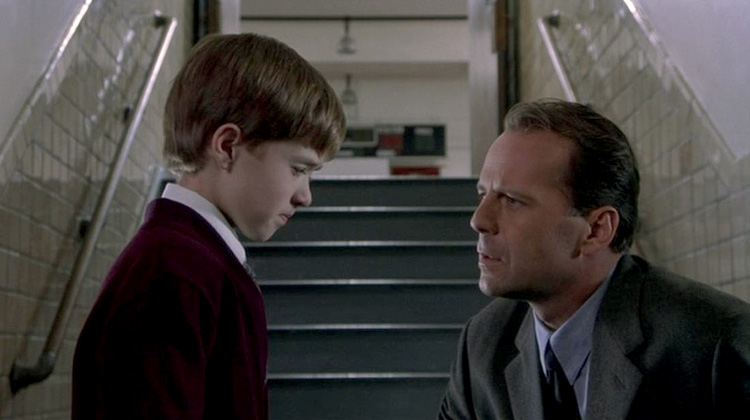
Cole and Malcolm
A New Understanding of Death
The ending of The Sixth Sense is not just about the twist but about the broader themes of death, closure, and the continuation of life beyond the physical realm. Both Malcolm and Cole find peace by the end of the film. Malcolm accepts that his purpose was fulfilled by helping Cole, and Cole is no longer afraid of his ability to see spirits. Instead, he finds comfort in knowing that the spirits, including his own mother’s, are still watching over him. The film invites audiences to reflect on the idea that death is not the end, but a transition that can bring peace and understanding if one is open to it.
The Final Moments and Their Emotional Impact
In his final moments, Malcolm gives Anna the closure she needs, telling her that she was never second to him and that he will always love her. This emotional farewell allows Malcolm to move on to whatever lies beyond, content with the fact that he has helped someone, made a difference, and found closure. For Cole, the closure comes when he confesses to his mother and begins to embrace his ability to see spirits, no longer burdened by fear. These final moments of connection between the characters bring the movie full circle, offering a message of acceptance and peace.
The Ending’s Impact on the Story
The ending of The Sixth Sense is not just a plot twist; it redefines everything that has happened up until that point. As audiences watch the story unfold in retrospect, they begin to notice the subtle clues that Shyamalan has placed throughout the film, indicating Malcolm’s death. In many ways, the twist is more about the character’s emotional growth than about the audience. The twist encourages viewers to revisit the film and appreciate the depth of character development and storytelling. As the story reaches its conclusion, the audience is left with a sense of catharsis, having witnessed the emotional arcs of both Malcolm and Cole.
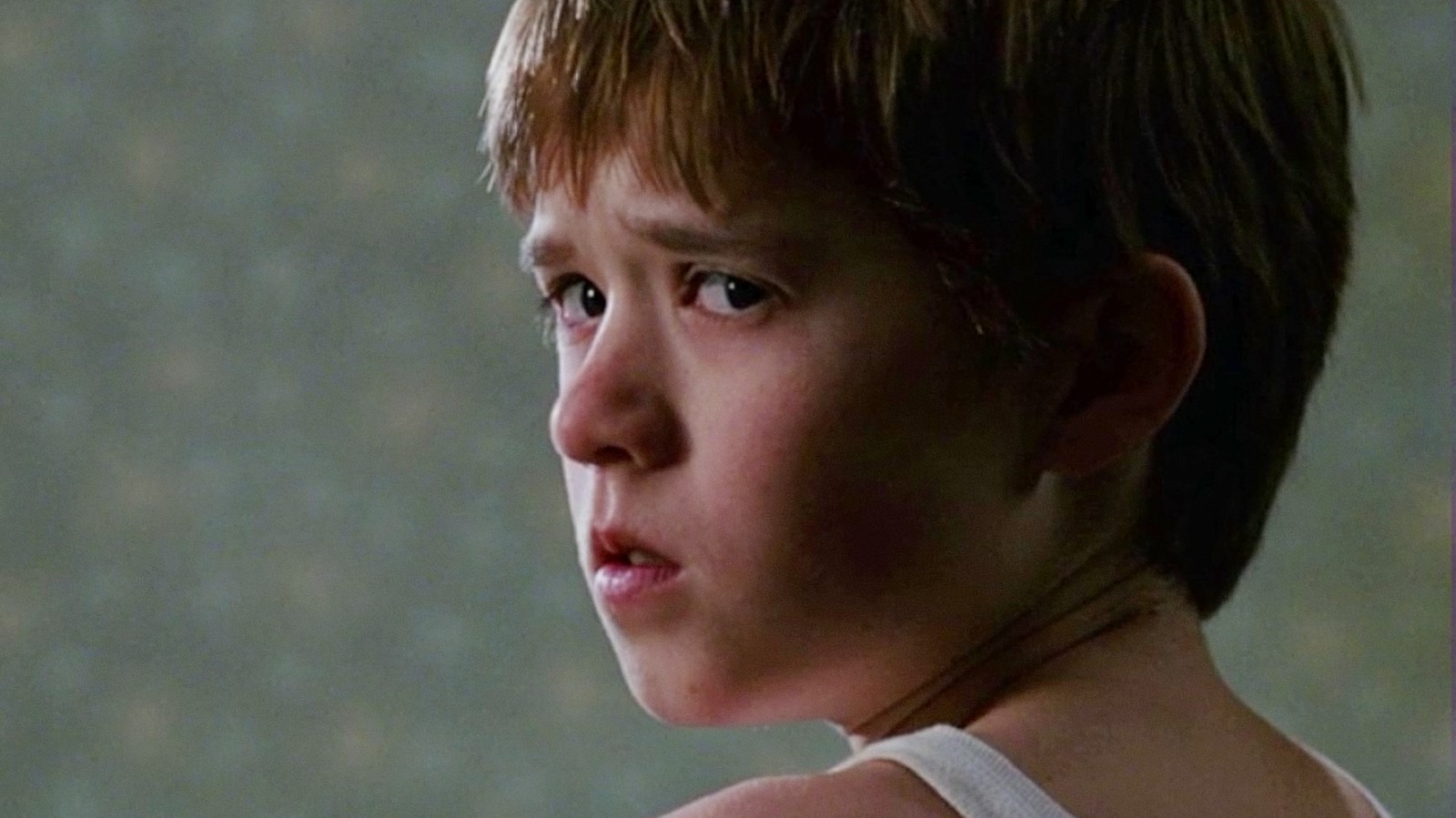
Cole (Image via Getty)
M. Night Shyamalan’s The Sixth Sense became a landmark film in terms of storytelling and cinematic twists. The film’s success helped establish Shyamalan’s career and set the tone for his future works. Known for his trademark twists, Shyamalan’s films often lead the audience through a series of misdirections, only to surprise them with an unexpected revelation. The Sixth Sense remains one of his most celebrated works, and the twist ending is considered one of the most iconic in film history. It’s a testament to Shyamalan’s ability to craft a narrative that not only shocks but also resonates on a deeper emotional level.
A Perfect Example of a Twist Ending
The twist ending of The Sixth Sense is often cited as one of the greatest in movie history. Unlike other films where the twist feels forced or artificial, Shyamalan’s film builds naturally toward its conclusion. The clues are all there, hidden in plain sight, but they don’t become clear until the final moments. This subtlety is part of what makes the twist so effective. By the time the twist is revealed, the audience is already emotionally invested in the characters and their journeys, making the revelation all the more impactful.
The conclusion of The Prestige offers a remarkable resolution to the otherwise complex and twist-filled narrative. By the end of the film, the mystery surrounding the magicians, Alfred Borden and Robert Angier, comes full circle, shedding light on their dangerous rivalry and the cost of perfection. This breakdown not only reveals the magic behind their illusions but also explores the core themes of obsession, sacrifice, and the pursuit of mastery.
The Prestige Ending Explained
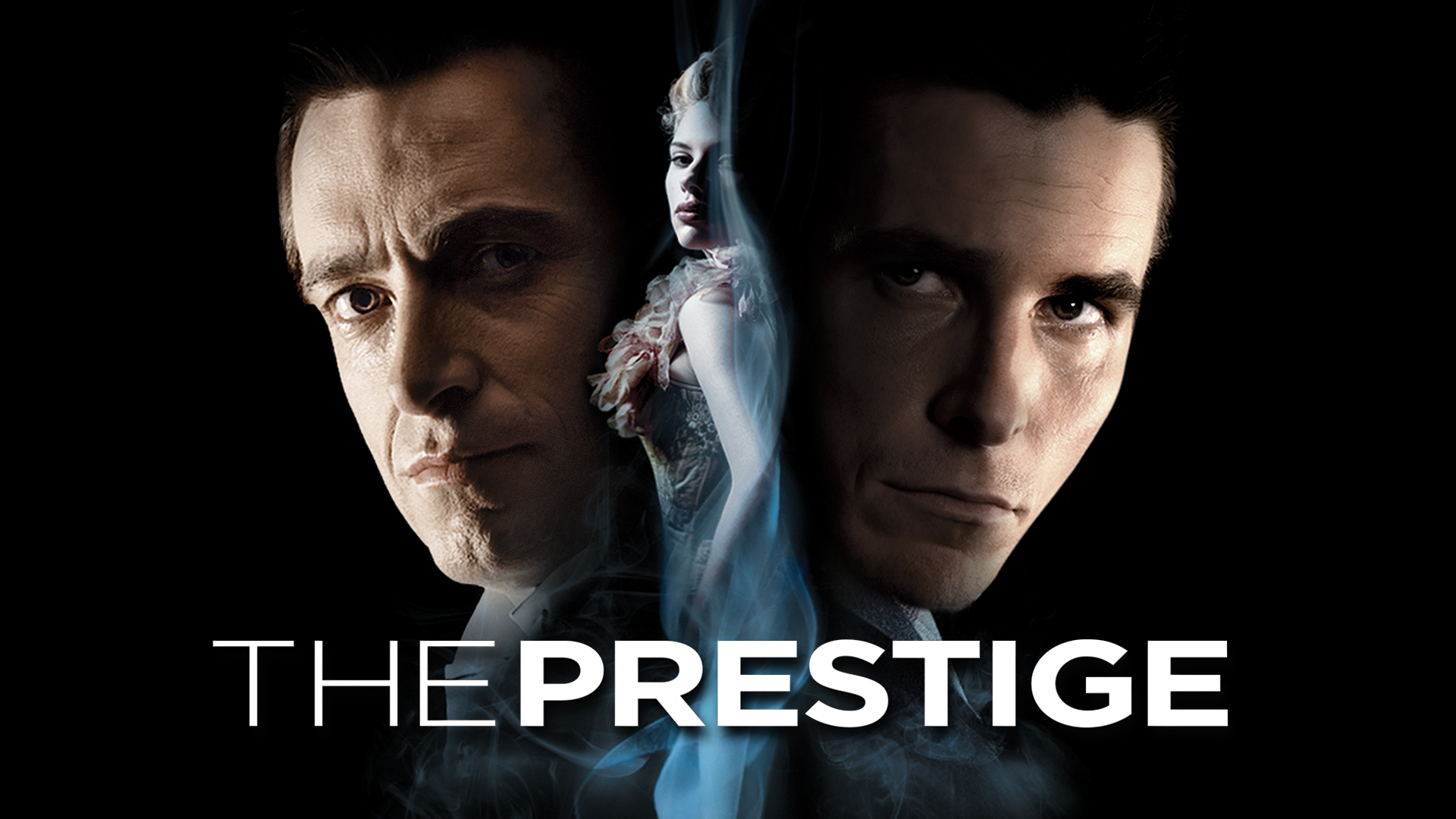
The Prestige (Image via Getty)
At its heart, The Prestige is about the obsessive rivalry between two magicians: Alfred Borden (played by Christian Bale) and Robert Angier (Hugh Jackman). Their intense competition stems from a tragic event—Angier blames Borden for his wife’s death, setting them on a destructive path. This rivalry grows as they both attempt to outdo each other’s magic tricks, especially the elusive Transported Man . Their journey dives deep into stage magic, where illusion and deception take center stage, but the consequences of this obsession are dire.
The Magical Feats: The Transported Man
Both magicians develop their own versions of The Transported Man , a trick where the performer seemingly teleports between two distant locations. Borden’s trick is grounded in simple deception, using his twin brother to switch places, while Angier seeks a more sophisticated method. His version, achieved with the help of the eccentric inventor Nikola Tesla (played by David Bowie), uses a machine to clone Angier, creating an illusion of teleportation. However, this comes with a dark price—the original Angier dies every time the trick is performed.
Angier’s Fatal Obsession
Angier’s obsession with mastering the trick leads him down a dark path. He is willing to sacrifice everything—including his own life—to outperform Borden. As the film reveals, each time Angier performs his version of The Transported Man , he is duplicated, and the original version dies, only for the new clone to take his place. This relentless cycle continues until the tragic and haunting finale. In the end, Angier’s quest for greatness costs him everything, reflecting the core theme of sacrifice for the sake of art and perfection.
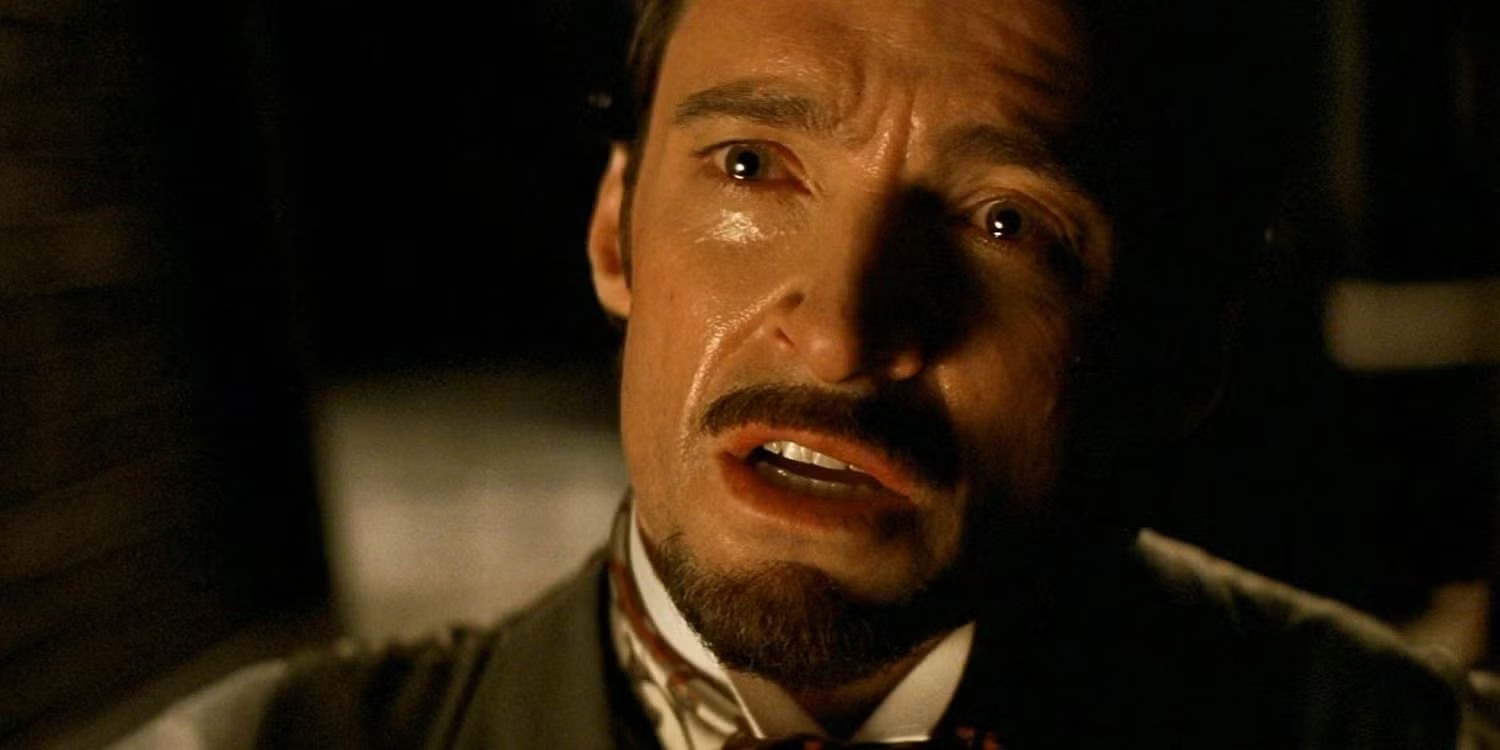
Angier (Image via Getty)
Borden’s Hidden Identity: The Twin Brothers
The film’s climax reveals the surprising truth behind Borden’s trick. Alfred Borden is not a single person, but two—identical twin brothers who share a life and a career. They take turns portraying Borden, with one living a domestic life while the other works in the magic industry. This dual existence allows them to pull off the trick, but it also forces them to make enormous personal sacrifices. The twins even endure physical harm to maintain the ruse, with one of them losing fingers in a gunshot accident, and the other intentionally maiming himself to match.
The final scenes of The Prestige bring Borden and Angier’s twisted rivalry to a head. Borden, having successfully pulled off his magic trick for years, finally reunites with his daughter after the tragic death of his brother. Angier, on the other hand, succumbs to his obsession, and his numerous clones are discovered. Borden’s love for magic is rooted in the craft itself, whereas Angier’s obsession is fueled by the need for external recognition. This difference in motivations drives their ultimate fates.
The Role of Art and Sacrifice in The Prestige
The film poses an essential question: What is the purpose of art? Is it for the love of the craft, or is it solely for the audience’s enjoyment? Borden represents the former, focusing on the art of magic rather than the glory that comes with it. Meanwhile, Angier is obsessed with the idea of being the best, willing to sacrifice his life, and even the lives of his clones, to achieve this goal. The Prestige ultimately examines how an obsession with perfection can lead to destruction, questioning the ethical boundaries an artist should cross in the pursuit of their craft.
The film’s intricate narrative structure plays a crucial role in building suspense. Directed by Christopher Nolan, The Prestige is told in a non-linear fashion, moving back and forth in time, often blurring the line between past and present. The opening scene shows a crucial moment in the story, only to quickly jump back in time to explore the events leading up to it. This disjointed storytelling mirrors the sense of mystery and confusion experienced by the characters and the audience alike.
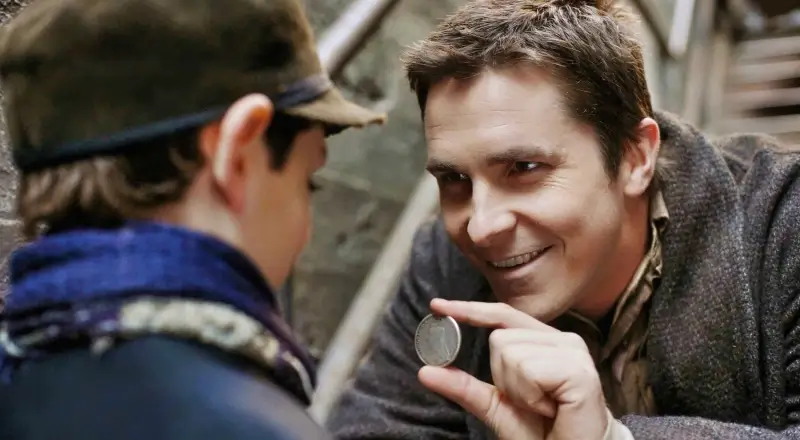
Alfred Borden (Image via Getty)
The Final Reveal and Twist
The final twist of The Prestige is one of the most memorable in cinematic history. Both magicians’ secrets are revealed in a harrowing and visually striking sequence. Angier’s death is shown, and it is revealed that every time he performs the trick, he essentially kills himself. Meanwhile, Borden’s true identity as a twin is uncovered, explaining how he pulled off his version of The Transported Man . This revelation solidifies the film’s core theme of the cost of perfection, as both men sacrificed their humanity in the name of their craft.
The Prestige is a meditation on the human cost of obsession and the lengths to which individuals will go to achieve greatness. Both Borden and Angier sacrifice parts of their identities for their craft, but in different ways. Borden’s dual identity as a twin brother speaks to the lengths one can go to maintain the illusion of perfection. Angier, on the other hand, is willing to die over and over again to achieve his goal. In the end, the film leaves viewers questioning the boundaries between personal sacrifice and artistic fulfillment.
The Ending’s Emotional Impact
The emotional impact of The Prestige is amplified by its devastating ending. The final moments, showing Borden’s reunion with his daughter, contrast sharply with the discovery of Angier’s many clones, underscoring the emotional toll of their rivalry. The film’s conclusion highlights the deep sacrifice both magicians made in their pursuit of perfection and the tragic cost of their obsessions.
Critical Reception and The Twist Debate
When The Prestige was released, it received mixed reviews, particularly concerning the ending. While some critics praised the film’s intricate storytelling and the surprising twist, others felt that it cheated the audience. However, The Prestige was largely appreciated by viewers for its emotional depth and the masterful execution of its narrative. The film remains one of Christopher Nolan’s most complex and thought-provoking works, with its ending standing out as one of the most surprising in modern cinema.
